Submarine Espionage: Cold War’s Silent Threat
The Cold War, a geopolitical standoff that gripped the world for nearly half a century, was characterized by its pervasive tension, ideological struggle, and the ever-present specter of nuclear annihilation. While much of the conflict played out in the overt arena of political rhetoric, proxy wars, and arms races, a significant and often unseen battle was waged beneath the waves. Submarine espionage, a silent and deadly dance of cat and mouse, became a crucial element of Cold War strategy, a shadowy ballet performed on the ocean floor that held the fate of nations in its silent depths. This article will delve into the nature, methods, and profound implications of submarine espionage during this critical period of global history.
During the Cold War, submarines transformed from mere naval vessels into sophisticated platforms for intelligence gathering and clandestine operations. Their inherent stealth capabilities made them ideal for a multitude of espionage roles, allowing nations to project power and gather crucial information without their presence being detected. Unlike their surface counterparts, submarines could operate with near-total anonymity, melting into the vastness of the ocean to conduct their missions. This inherent advantage dictated their central role in the intelligence apparatus of both the United States and the Soviet Union.
The Strategic Imperative of Undersea Surveillance
The strategic landscape of the Cold War was fundamentally shaped by the proliferation of nuclear weapons and the doctrine of mutually assured destruction. In this volatile environment, accurate and timely intelligence was paramount. Knowing the disposition, capabilities, and intentions of the adversary’s nuclear forces was not just a matter of strategic advantage; it was a matter of survival. Submarines, capable of lurking undetected in international waters or close to enemy coastlines, became the eyes and ears of their respective navies, offering an unparalleled vantage point for observing naval movements, tracking missile deployments, and assessing the readiness of strategic assets. Their ability to operate in regions inaccessible to aerial surveillance or surface patrols made them indispensable tools for understanding the enemy’s clandestine activities.
The Evolution of Submarine Technology for Reconnaissance
The development of specialized espionage submarines marked a significant leap in undersea warfare capabilities. These were not simply attack submarines repurposed for intelligence; they were purpose-built vessels designed with unique features to enhance their eavesdropping and clandestine operations. Advancements in sonar technology, both active and passive, allowed these submarines to “hear” the heartbeat of enemy vessels from remarkable distances. Sophisticated acoustic sensors, hydrophones, and electronic intelligence (ELINT) equipment were integrated into their hulls, transforming them into mobile listening posts. Furthermore, the development of quieter propulsion systems, such as nuclear reactors and advanced diesel-electric engines, minimized their acoustic signatures, making them harder to detect. The race to build quieter, more capable submarines fueled a technological arms race that extended far beyond simple armament.
The Dual Role: Offense and Intelligence
It is important to note that the distinction between an “espionage submarine” and a “combat submarine” was often blurred. Many submarines built for offensive roles were also equipped with espionage capabilities, and vice versa. This dual-use nature meant that any submarine operating in certain waters could be viewed with suspicion, as its true mission might be masked. A submarine might be ostensibly on a training exercise, but its advanced sensors could be silently collecting data on enemy shipping lanes, port activities, or even the communications emanating from shore installations. This ambiguity added another layer of complexity and paranoia to the underwater Cold War.
Cold War submarine espionage played a crucial role in the intelligence battles between superpowers, with submarines often serving as silent sentinels gathering vital information. For a deeper understanding of the strategies and operations involved in this covert maritime warfare, you can explore a related article that delves into the intricacies of submarine espionage during this tense period. Check it out here: Cold War Submarine Espionage.
Deep Blue Secrets: The Methods of Submarine Espionage
The submerged environment presented unique challenges and opportunities for intelligence gathering. Submarines, as the primary actors in this realm, employed a diverse array of methods to glean crucial information from their adversaries. These methods ranged from passive listening to daring attempts at physical retrieval of sensitive materials.
Acoustic Intelligence: Listening to the Ocean’s Whispers
Perhaps the most vital form of intelligence gathered by submarines was acoustic intelligence (ACOUSTINT). The ocean is a vast conductor of sound, and submarines were equipped with incredibly sensitive hydrophones designed to detect and analyze the acoustic signatures of other vessels. Each submarine, by its very design, engine type, and operational maneuvers, has a unique acoustic fingerprint. By analyzing these sounds, intelligence officers could identify the type of submarine, its direction of travel, its speed, and even its operational intentions. This was akin to identifying individuals by the sound of their footsteps or the cadence of their speech.
Passive Sonar: The Art of Silent Listening
Passive sonar systems were the bread and butter of submarine espionage. These systems simply “listened” to the ambient sounds in the ocean without emitting any sound themselves, thus maintaining the submarine’s stealth. The ability to distinguish faint engine noises, propeller cavitation, and hull creaks from the cacophony of natural ocean sounds was a highly specialized skill. Analysts on board and ashore would pore over hours of acoustic data, building a constantly updated database of enemy submarine signatures. These databases were like libraries of enemy voices, allowing them to identify even the most elusive underwater threats.
Active Sonar: A Calculated Risk
While maintaining stealth was paramount, active sonar, which emits sound pulses and listens for their echoes, was sometimes employed. This provided much more precise information about the target’s location and characteristics but also betrayed the submarine’s presence. Active sonar was typically used in situations where the risk of detection was deemed acceptable, perhaps to confirm the identity of a suspicious target or to precisely map an enemy installation. It was a calculated gamble, a brief flare of illumination in the otherwise impenetrable darkness.
Electronic Intelligence: Capturing the Invisible Signals
Beyond acoustic data, submarines were also equipped to intercept and analyze electronic signals. This form of intelligence, known as Electronic Intelligence (ELINT), involved capturing radio transmissions, radar pulses, and other electromagnetic emissions. Even submerged, submarines could deploy antennae at periscope depth or utilize towed antennae to capture these signals.
Intercepting Communications: A Window into Enemy Minds
The interception of enemy radio communications provided invaluable insights into operational plans, orders, and even the morale of the crew. While much of this communication was encrypted, the mere fact of communication, its frequency, and its direction could offer clues. Sophisticated decryption efforts were, of course, a parallel effort, but the raw data captured by submarines was the first step in the intelligence chain. This was like listening in on private conversations from a hidden room, hoping to catch hushed secrets.
Radar and Navigation Signal Analysis
Submarines also monitored enemy radar systems and satellite navigation signals. Understanding the patterns and frequencies of enemy radar could reveal the location and type of enemy surface vessels or aircraft. Analysis of navigation signals could provide information about patrol routes and operational areas. This allowed strategists to anticipate enemy movements and avoid detected threats.
Visual Intelligence: The Periscope’s Gaze
The periscope, while limited in its operational depth, remained a crucial tool for visual intelligence. At periscope depth, submarines could observe surface activity, identify vessels, and document installations. This provided a direct, albeit fleeting, visual confirmation of intelligence gathered through other means.
Photographing and Documenting
Cameras mounted on periscopes captured photographs and film of enemy ships, ports, and coastal installations. These visual records were vital for verifying intelligence, assessing damage, and planning future operations. The periscope acted as a camera lens, offering a fleeting glimpse of the enemy’s world above the waves.
Tracking Surface Convoys and Naval Formations
Submarines were adept at tracking enemy surface convoys and naval formations, providing real-time information on their movements, composition, and disposition. This intelligence was crucial for naval commanders planning offensive or defensive maneuvers. Understanding the flow of supplies and the alignment of naval power was a key aspect of the Cold War struggle.
Physical Intelligence: The Riskiest Missions
In some of the most daring espionage missions, submarines were involved in the direct retrieval of physical intelligence. This involved covert missions to tap undersea cables, plant listening devices, or even recover sensitive equipment.
Undersea Cable Tapping: Planting the Ear
One of the most audacious forms of submarine espionage involved tapping into critical undersea communication cables. These cables, vital arteries of global communication, carried vast amounts of data between continents. Submarines would covertly attach listening devices to these cables, allowing them to intercept and record vast quantities of information. These missions were fraught with danger, requiring the submarine to operate in close proximity to potentially dangerous underwater terrain and to avoid detection by enemy patrols. Successfully tapping a cable was like intercepting messages from the very nervous system of global communication.
Recovering Sensitive Equipment or Debris
Submarines were also used to recover sensitive enemy equipment or debris from downed aircraft or sunken vessels. These recovery missions were often conducted in contested waters and required precise navigation and specialized equipment. The spoils of such missions could provide invaluable insights into enemy technological capabilities.
The Shadow of the Bear and the Eagle: Espionage by the Superpowers
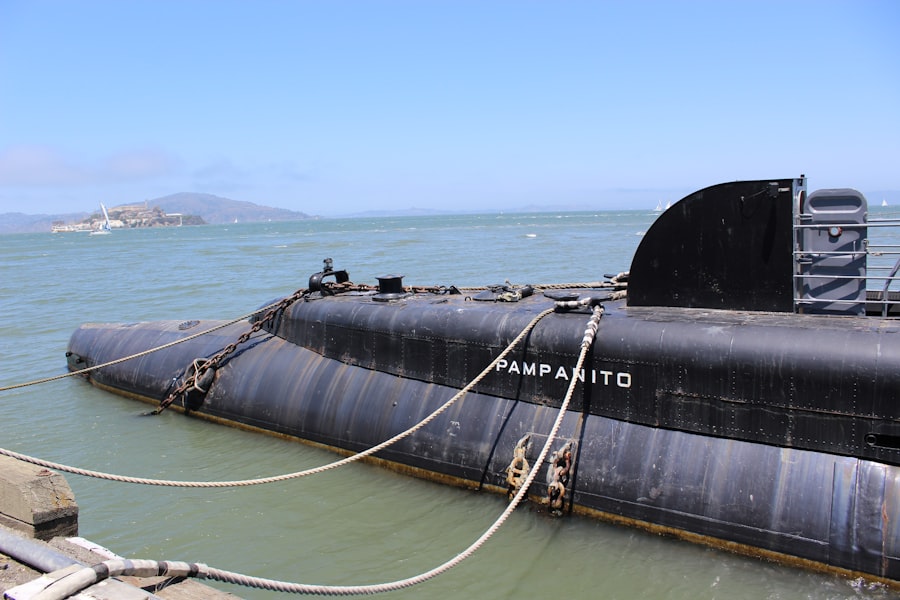
The United States and the Soviet Union, the two titans of the Cold War, were locked in a constant struggle for strategic superiority. Submarine espionage was a cornerstone of their respective intelligence efforts, with each nation investing heavily in developing and deploying its underwater reconnaissance capabilities.
Soviet Submarine Espionage: The Silent Fleet’s Reach
The Soviet Union, with its vast coastline and strategic imperative to challenge the naval dominance of the United States, developed a formidable submarine force that was increasingly employed for espionage. Their submarines were often designed for deep-diving capabilities and operated with a high degree of stealth.
The “Wolfpack” Strategy and Intelligence Gathering
While the “wolfpack” strategy, a tactic of coordinated attacks, was often associated with Soviet submarine operations, the underlying intelligence capabilities were equally important. Soviet submarines were tasked with tracking NATO naval movements, identifying the locations of missile bases, and monitoring airfields. Their operations were often conducted in close proximity to American shores.
The ‘Typhoon’ Class and Beyond: Nuclear Submarines as Intelligence Platforms
The development of large nuclear-powered ballistic missile submarines (SSBNs) and attack submarines (SSNs) provided the Soviet Union with unprecedented reach. These vessels, with their long endurance and sophisticated sensor suites, were ideal for persistent surveillance and intelligence gathering missions. The sheer size and silent operation of some Soviet submarines made them formidable, yet invisible, presences.
American Submarine Espionage: The Silent Hunters
The United States Navy, equally committed to maintaining its strategic advantage, also leveraged its submarine force extensively for espionage. American submarines were known for their advanced sonar technology and their ability to operate in hostile waters with a high degree of success.
The ‘Dolphin’ Program and Beyond: Elite Intelligence Missions
The US Navy conducted numerous highly classified operations involving submarines specifically designed or modified for intelligence gathering. Programs like the “Dolphin” program, while not solely espionage-focused, were indicative of the Navy’s willingness to experiment with novel approaches to underwater reconnaissance. These missions were often daring, pushing the boundaries of what was considered possible in underwater operations.
The USS Halibut and the Texas Tower Missions
The USS Halibut, a unique diesel-electric submarine modified for intelligence gathering, played a pivotal role in operations like the “Texas Tower” missions, which involved covertly accessing Soviet communication systems. These operations, while incredibly risky, yielded significant intelligence dividends. The USS Halibut became a legend in the annals of espionage, a ghost ship that ghosted into enemy territory.
The Perilous Depths: Risks and Consequences
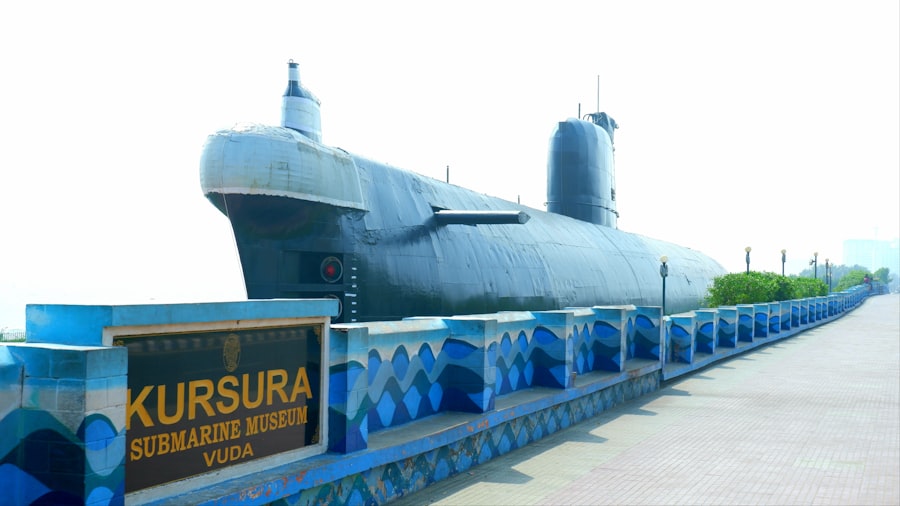
The world of submarine espionage was not for the faint of heart. The inherent dangers of operating in the underwater environment, coupled with the constant threat of detection and retaliation, made these missions extraordinarily perilous. The consequences of failure could be catastrophic.
The Constant Threat of Detection
The primary challenge for any submarine engaged in espionage was to remain undetected. The ocean, while vast, is also a complex environment with acoustic properties that can betray the presence of even the most stealthy vessel. Adversaries trained their sonar operators to listen for the faintest anomaly, and continuous patrols were conducted to detect any foreign submarines.
Sonar Countermeasures and Deception
Submarines employed various countermeasures and deception tactics to evade detection. These included sophisticated sonar spoofing techniques, silent running, and the use of decoys. The battle was not just about listening; it was also about making oneself invisible to the ears of the enemy.
The Cat and Mouse Game of Naval Warfare
The constant pursuit of submarines by their adversaries created a perpetual “cat and mouse” game. A detected submarine could find itself pursued for days, even weeks, by hunter-killer submarines and maritime patrol aircraft. The psychological toll of being hunted in the dark depths must have been immense.
The Risk of Confrontation and Escalation
A critical aspect of submarine espionage was the potential for accidental confrontation. A miscalculation, a technical malfunction, or an unforeseen encounter could lead to a hostile engagement. In the tense climate of the Cold War, such an engagement could have quickly escalated into a larger international crisis, or even a direct conflict between the superpowers.
The ‘Able Archer’ Incident and Near Misses
While direct naval engagements between US and Soviet submarines were rare, there were numerous “near misses” and incidents that brought the world to the brink. The “Able Archer” incident, a NATO military exercise in 1983 that was misinterpreted by the Soviets as a prelude to a nuclear attack, highlighted the fragility of the peace and the potential for miscalculation when submarines were engaged in deep reconnaissance.
Accidental Collisions and Incidents
There were also instances of accidental collisions between submarines of opposing navies, which, while not leading to outright war, underscored the dangers of operating in close proximity. These incidents served as stark reminders of the volatile nature of the underwater Cold War.
The Human Cost: Sacrifice in Silence
The men who served aboard these espionage submarines faced immense pressure and undertook profound risks. Their missions were often long and arduous, conducted in cramped conditions with limited communication to the outside world. The psychological toll of constant vigilance and the knowledge of the potential consequences of their actions were considerable. Many served in silence, their bravery and sacrifices largely unknown to the public.
Cold War submarine espionage played a crucial role in the intelligence battles between superpowers, as submarines became vital tools for gathering information and monitoring enemy activities. For a deeper understanding of the tactics and technologies involved in this covert underwater warfare, you can explore a related article that delves into the strategies employed by both sides during this tense period. The article provides fascinating insights into the operations of submarines and their impact on Cold War dynamics, making it a must-read for anyone interested in military history. To learn more, visit this article.
The Legacy of the Deep: Lessons Learned
| Metric | Details |
|---|---|
| Number of Submarines Involved | Over 200 submarines from both NATO and Warsaw Pact countries |
| Primary Nations | United States, Soviet Union, United Kingdom, East Germany |
| Types of Submarines Used | Attack submarines (SSNs), Ballistic missile submarines (SSBNs), Diesel-electric submarines |
| Key Espionage Activities | Signal intelligence (SIGINT), Acoustic surveillance, Tracking enemy submarines, Underwater tapping of communication cables |
| Notable Incidents | USS Pueblo capture (1968), K-129 sinking and CIA’s Project Azorian (1974), Loss of USS Thresher (1963) |
| Estimated Number of Espionage Missions | Several hundred missions conducted during the Cold War period |
| Technological Innovations | Sonar advancements, Stealth technology, Underwater drones, Towed array sonar systems |
| Impact on Cold War | Significantly influenced naval strategy, intelligence gathering, and arms race dynamics |
The era of submarine espionage during the Cold War left an indelible mark on naval strategy, intelligence gathering, and international relations. The lessons learned from this silent conflict continue to inform contemporary defense and intelligence practices.
Technological Advancements and Their Impact
The intense competition to develop superior submarine technology spurred significant advancements in sonar, acoustics, materials science, and propulsion systems. These innovations had a ripple effect, influencing not only military applications but also civilian technologies, from medical imaging to deep-sea exploration. The race beneath the waves was a relentless engine of innovation.
The Importance of Intelligence in Maintaining Peace
The Cold War demonstrated the crucial role of intelligence in maintaining a precarious balance of power. The accurate assessment of adversary capabilities and intentions, often gleaned through clandestine operations like submarine espionage, helped to prevent miscalculations and de-escalate potential crises. It was a grim testament to the fact that knowledge, even in its most dangerous forms, could be a shield.
The Enduring Relevance of Undersea Surveillance
While the Cold War has ended, the strategic importance of understanding the activities of potential adversaries beneath the waves remains. Modern navies continue to invest in advanced submarine technology and intelligence-gathering capabilities, recognizing that the ocean depths are still a critical domain for maintaining national security. The silent threat of submarines has not disappeared; it has merely evolved.
The silent ballet beneath the waves during the Cold War was a testament to human ingenuity, courage, and the enduring will to understand and counter perceived threats. Submarine espionage, more than any other aspect of the conflict, truly embodied the concept of the “silent threat,” a constant, unseen force shaping the fate of the world from the unfathomable depths of the ocean.
FAQs
What was the role of submarines in Cold War espionage?
Submarines played a crucial role in Cold War espionage by conducting covert surveillance, gathering intelligence on enemy naval movements, and deploying or retrieving spy equipment in hostile waters. Their stealth capabilities allowed them to operate undetected near adversary coastlines.
Which countries were primarily involved in submarine espionage during the Cold War?
The United States and the Soviet Union were the primary countries involved in submarine espionage during the Cold War. Both nations invested heavily in submarine technology to monitor each other’s naval activities and gather strategic intelligence.
What types of intelligence were Cold War submarines tasked with collecting?
Cold War submarines collected various types of intelligence, including electronic signals (SIGINT), acoustic data from enemy vessels, photographic reconnaissance, and the interception of communications. They also monitored missile tests and naval exercises.
Were there any notable incidents involving submarine espionage during the Cold War?
Yes, several notable incidents occurred, such as the 1968 capture of the USS Pueblo by North Korea, and the 1981 sinking of the Soviet submarine K-219. Additionally, the U.S. submarine USS Parche was known for its secretive intelligence missions.
How did submarine espionage impact Cold War naval strategy?
Submarine espionage significantly influenced naval strategy by providing critical intelligence that shaped military planning and deterrence policies. It heightened the importance of anti-submarine warfare and led to advancements in sonar and underwater detection technologies.