Submarine detection failure constitutes a significant operational challenge in contemporary naval warfare and maritime security operations. Modern naval forces allocate substantial resources to submarine detection capabilities due to the strategic importance of underwater vessels in military operations. Submarines possess inherent stealth characteristics that, when enhanced by technological advances, create detection difficulties for surface vessels and maritime surveillance systems.
Detection failures can result in compromised military operations and potential security vulnerabilities. Historical incidents demonstrate that undetected submarines have influenced naval engagements and strategic outcomes. The challenge encompasses multiple technical factors including acoustic signature management, electromagnetic detection limitations, and environmental conditions that affect sensor performance.
Current submarine detection methods rely on sonar systems, magnetic anomaly detectors, and satellite surveillance technologies. However, advances in submarine quieting technologies, hull materials, and operational tactics continue to challenge existing detection capabilities. Environmental factors such as ocean temperature layers, marine life interference, and geological features further complicate detection efforts.
The detection challenge affects naval strategy, force deployment decisions, and maritime security protocols. Military planners must account for detection limitations when developing operational procedures and defensive strategies. This technical challenge drives ongoing research into improved sensor technologies, data processing algorithms, and multi-platform detection networks to enhance submarine tracking capabilities.
Key Takeaways
- Submarine detection failures have significant historical and national security implications.
- Effective detection is crucial to prevent stealth threats beneath the ocean surface.
- Technological limitations and environmental factors often contribute to detection failures.
- Case studies highlight the severe consequences of missed submarine threats.
- Future solutions emphasize advanced technology and strategic improvements to enhance detection capabilities.
Historical Context of Submarine Detection
The history of submarine detection is as old as the submarine itself. The first submarines were developed in the late 19th century, and with their introduction came the need for effective detection methods. Early detection techniques relied heavily on visual observation and rudimentary sonar systems.
As World War I and World War II unfolded, the importance of detecting enemy submarines became paramount. The Allies developed various technologies, including depth charges and sonar, to counter the threat posed by German U-boats during the two world wars. Throughout the Cold War, submarine detection evolved significantly.
The introduction of nuclear-powered submarines added a new layer of complexity to detection efforts. These submarines could remain submerged for extended periods, making them harder to detect than their diesel-electric predecessors. The development of advanced sonar systems, satellite surveillance, and underwater sensors marked a turning point in submarine detection capabilities.
However, despite these advancements, detection failures continued to occur, often with severe consequences for national security.
Importance of Effective Submarine Detection
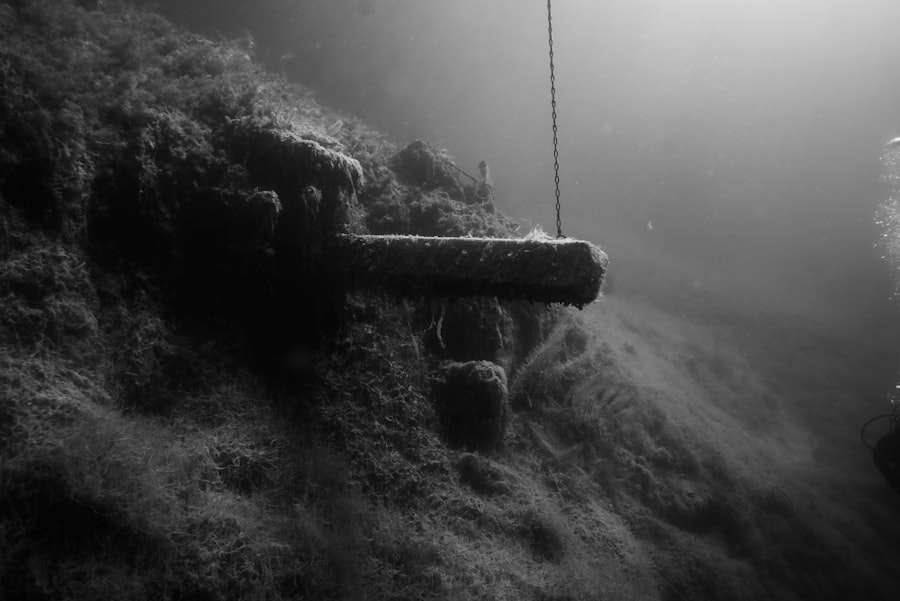
Effective submarine detection is crucial for several reasons. First and foremost, it plays a vital role in ensuring national security. Submarines can carry nuclear weapons and other advanced armaments, posing a significant threat if undetected.
The ability to track these vessels allows nations to respond appropriately to potential threats and maintain a strategic balance in international relations. Moreover, effective detection contributes to maritime safety by preventing accidents and ensuring safe navigation in busy shipping lanes. In addition to national security concerns, effective submarine detection is essential for intelligence gathering and military strategy.
Understanding the movements and capabilities of enemy submarines can inform tactical decisions and enhance operational readiness. Furthermore, it allows for better resource allocation within naval forces, ensuring that assets are deployed where they are most needed. In an era where naval power is increasingly defined by technological superiority, the ability to detect submarines effectively is a cornerstone of modern military strategy.
Factors Contributing to Submarine Detection Failure
Several factors contribute to submarine detection failure, complicating efforts to locate these elusive vessels. One primary factor is the inherent stealth capabilities of modern submarines. Advances in hull design, noise reduction technologies, and sophisticated propulsion systems have made contemporary submarines quieter and harder to detect than ever before.
This stealth technology allows submarines to operate undetected in hostile waters, posing a significant challenge for detection systems. Environmental conditions also play a crucial role in submarine detection failures. Factors such as ocean temperature, salinity, and underwater topography can affect sonar performance and limit the effectiveness of detection systems.
For instance, thermal layers in the ocean can create sound channels that allow submarines to evade sonar detection by traveling at specific depths. Additionally, background noise from marine life or human activities can mask the sounds emitted by submarines, further complicating detection efforts.
The Role of Technology in Submarine Detection
| Metric | Description | Typical Values | Impact on Detection |
|---|---|---|---|
| False Negative Rate | Percentage of submarines present but not detected | 5% – 20% | High failure to detect actual submarines |
| Detection Range Reduction | Decrease in effective sonar detection range due to environmental factors | 10% – 50% | Limits early warning and tracking capabilities |
| Signal-to-Noise Ratio (SNR) | Ratio of submarine signal strength to background noise | Below 3 dB often leads to detection failure | Low SNR increases likelihood of missed detections |
| Environmental Interference | Impact of water conditions (temperature, salinity, thermoclines) on sonar performance | Variable, often causing 15%-40% detection degradation | Can mask or distort submarine signals |
| Operator Error Rate | Percentage of missed detections due to human factors | 1% – 10% | Contributes to overall detection failure |
| Submarine Acoustic Signature Reduction | Effectiveness of submarine stealth technologies in reducing detectable noise | Up to 70% noise reduction | Significantly increases detection difficulty |
Technology plays a dual role in submarine detection; it serves both as a tool for enhancing detection capabilities and as a factor that can contribute to failures. On one hand, advancements in sonar technology have significantly improved the ability to detect submarines. Modern sonar systems utilize sophisticated algorithms and machine learning techniques to analyze underwater sounds and identify potential threats more accurately.
Additionally, unmanned underwater vehicles (UUVs) equipped with advanced sensors are increasingly being deployed for reconnaissance missions. On the other hand, technological advancements have also led to the development of more sophisticated counter-detection measures by submarine manufacturers. These include advanced noise reduction technologies and stealth coatings that minimize sonar signatures.
As nations continue to invest in research and development for both offensive and defensive capabilities, the arms race in submarine technology creates an ongoing challenge for effective detection.
Impact of Submarine Detection Failure on National Security
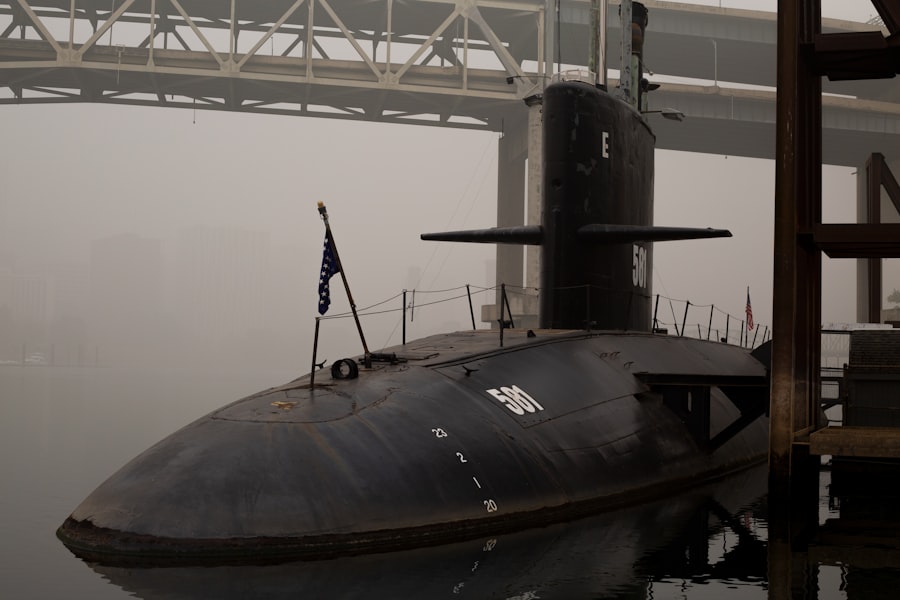
The implications of submarine detection failure extend far beyond military operations; they can significantly impact national security on multiple levels. When submarines go undetected, they can operate freely within a nation’s territorial waters or strategic maritime routes, potentially gathering intelligence or preparing for offensive actions without any awareness from opposing forces. This lack of awareness can lead to miscalculations or escalations in conflict situations.
Moreover, submarine detection failures can undermine public confidence in a nation’s defense capabilities. Citizens expect their governments to protect them from potential threats; when detection failures occur, it raises questions about military readiness and effectiveness.
Case Studies of Submarine Detection Failures
Several notable case studies illustrate the consequences of submarine detection failures throughout history. One such example is the sinking of the USS Scorpion in 1968, which remains shrouded in mystery but highlights the challenges faced by naval forces in detecting submarines. Despite extensive search efforts, the Scorpion was not located until months later, raising concerns about the effectiveness of existing detection technologies at that time.
Another significant case occurred during the Cold War when Soviet submarines frequently penetrated U.S. naval defenses undetected. These incursions raised alarms within the U.S.
Navy about its ability to monitor Soviet submarine activity effectively. The inability to detect these vessels not only posed immediate risks but also had long-term implications for U.S.-Soviet relations during a period marked by heightened tensions.
Consequences of Submarine Detection Failure
The consequences of submarine detection failure can be profound and far-reaching. At a tactical level, undetected submarines can launch surprise attacks on naval vessels or coastal installations, leading to significant loss of life and equipment. Such incidents can shift the balance of power in regional conflicts and escalate tensions between nations.
On a strategic level, repeated failures in submarine detection can lead to an arms race as nations scramble to develop more advanced technologies to counter perceived threats. This escalation can divert resources away from other critical areas of national defense and lead to increased military spending without necessarily improving overall security.
Addressing the Oversight in Submarine Detection
To address the oversight in submarine detection capabilities, nations must prioritize investment in research and development focused on enhancing existing technologies while also exploring innovative solutions. Collaborative efforts between government agencies, private industry, and academic institutions can foster advancements in sonar technology and underwater surveillance systems. Additionally, training programs for naval personnel should emphasize the importance of understanding environmental factors that affect detection capabilities.
By equipping personnel with knowledge about how various conditions impact sonar performance, navies can improve their operational effectiveness in diverse maritime environments.
Future Implications and Solutions for Submarine Detection
Looking ahead, the future of submarine detection will likely be shaped by continued technological advancements and evolving geopolitical dynamics. Artificial intelligence (AI) is poised to play a transformative role in enhancing detection capabilities by enabling real-time data analysis and predictive modeling based on historical patterns of submarine movements. Moreover, international cooperation will be essential in addressing submarine detection challenges on a global scale.
Collaborative initiatives among allied nations can lead to shared intelligence resources and joint training exercises that enhance collective capabilities against common threats.
Conclusion and Call to Action for Improved Submarine Detection
In conclusion, submarine detection failure poses significant challenges that require urgent attention from military strategists and policymakers alike. The historical context reveals a persistent struggle between advancing technology and evolving threats that necessitates ongoing innovation in detection methods. As nations navigate an increasingly complex maritime landscape, it is imperative that they prioritize investment in research and development while fostering international collaboration.
A call to action is essential: governments must recognize the critical importance of effective submarine detection not only for national security but also for maintaining global stability. By addressing existing gaps in detection capabilities through technological advancements and collaborative efforts, nations can better prepare themselves for the challenges that lie ahead in an ever-evolving maritime environment.
Recent discussions surrounding submarine detection failures have highlighted the challenges faced by modern naval forces. An insightful article that delves into the intricacies of this issue can be found at this link. It explores the technological limitations and strategic implications of failing to detect submarines, emphasizing the need for advancements in sonar and surveillance systems to enhance maritime security.
FAQs
What is submarine detection failure?
Submarine detection failure refers to the inability of sonar systems, radar, or other detection technologies to identify the presence or location of a submarine. This can occur due to various factors such as environmental conditions, technological limitations, or tactical countermeasures employed by submarines.
What causes submarine detection failure?
Common causes include acoustic conditions like thermal layers in the ocean that distort sonar signals, the use of stealth technology by submarines, background noise from marine life or human activity, and limitations in detection equipment or operator error.
Why is submarine detection important?
Detecting submarines is crucial for national security, maritime safety, and naval operations. It helps prevent surprise attacks, ensures safe navigation, and supports anti-submarine warfare strategies.
What technologies are used to detect submarines?
Technologies include active and passive sonar systems, magnetic anomaly detectors, radar, underwater drones, and satellite surveillance. Each has strengths and weaknesses depending on the environment and submarine capabilities.
Can submarines evade detection completely?
While modern submarines are designed to minimize detection, complete evasion is challenging. However, advanced stealth features and tactical maneuvers can significantly reduce the likelihood of detection.
How do environmental factors affect submarine detection?
Factors such as water temperature, salinity, ocean currents, and seabed topography can affect sound propagation and sensor performance, leading to detection challenges.
What are the consequences of submarine detection failure?
Failure to detect submarines can lead to security breaches, increased risk of surprise attacks, loss of strategic advantage, and potential maritime accidents.
How can submarine detection failure be mitigated?
Improving sensor technology, enhancing operator training, integrating multiple detection methods, and conducting regular system maintenance can help reduce detection failures.
Are there international regulations regarding submarine detection?
While there are no specific international laws governing submarine detection, naval operations are generally conducted under the framework of international maritime law and agreements that promote safety and security at sea.
Has submarine detection failure led to historical incidents?
Yes, there have been instances where failure to detect submarines contributed to naval accidents or conflicts, highlighting the importance of effective detection systems.