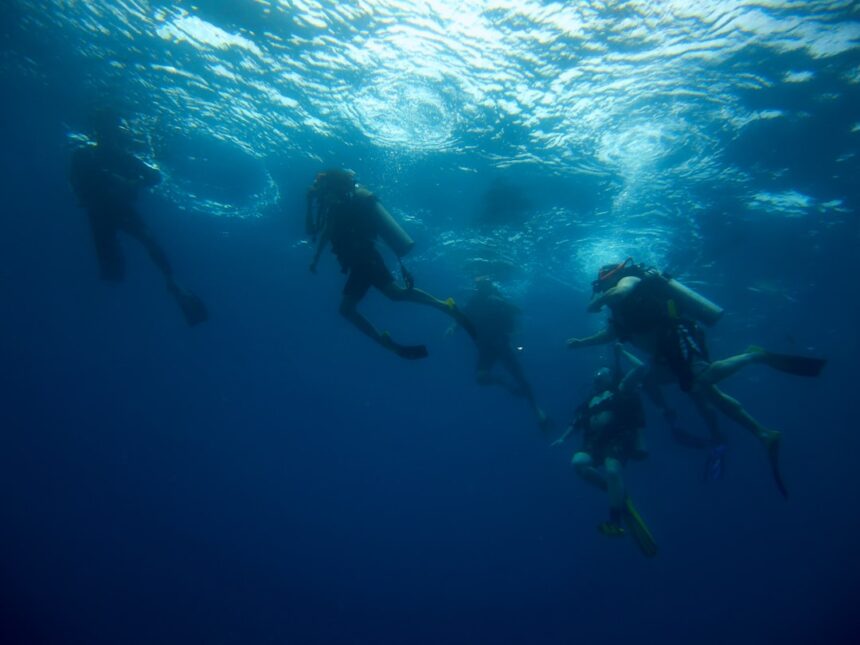
Submarine crew training is essential due to the unique operational environment and complex systems involved in underwater missions. Submarines operate under extreme conditions including high water pressure, limited visibility, and isolation from surface support. These factors create inherent risks that require specialized knowledge and skills to manage effectively.
The underwater environment presents multiple hazards that crew members must be prepared to address. Water pressure increases significantly with depth, mechanical systems operate under stress, and emergency response options are limited compared to surface vessels. Crew members must develop proficiency in operating sophisticated equipment while maintaining situational awareness in a confined space.
Modern submarines incorporate advanced technological systems including navigation equipment, propulsion systems, life support mechanisms, and weapons platforms. Each crew member requires technical expertise in their assigned area while understanding how their role integrates with overall submarine operations. This interdependence means that individual performance directly impacts mission success and crew safety.
Training programs focus on developing both technical competencies and collaborative skills. Crew members learn to operate complex systems, respond to emergency situations, and work effectively as a coordinated team. The confined submarine environment requires clear communication, precise execution of procedures, and the ability to adapt to changing conditions during extended underwater deployments.
Key Takeaways
- Submarine crew training is essential for operational safety, technical proficiency, and mission success.
- Training includes basic skills, advanced technical knowledge, and hands-on simulation exercises.
- Emergency response, physical fitness, and mental resilience are critical components of crew preparedness.
- Effective communication, teamwork, navigation, sonar, and weapons training enhance overall crew performance.
- Continuous professional development ensures crews stay updated with evolving technologies and procedures.
Basic Training for Submarine Crew Members
Basic training for submarine crew members serves as the foundation upon which all subsequent training is built. This initial phase typically includes an introduction to the submarine’s systems, safety protocols, and operational procedures. New recruits learn about the various compartments of the submarine, the equipment they will be using, and the fundamental principles of underwater navigation.
This foundational knowledge is crucial, as it equips crew members with the essential skills needed to operate effectively in a confined and high-pressure environment. In addition to technical knowledge, basic training emphasizes the importance of discipline and teamwork. Crew members are often placed in challenging scenarios that require them to work together to solve problems and complete tasks.
This collaborative approach fosters camaraderie and trust among team members, which is vital for maintaining morale during long deployments. By instilling a sense of unity and shared purpose from the outset, basic training lays the groundwork for a cohesive and effective crew.
Advanced Technical Training for Submarine Crew Members
Once basic training is completed, crew members progress to advanced technical training, where they delve deeper into the specific systems and technologies that their submarine employs. This phase of training is critical for developing specialized skills that are necessary for operating complex machinery and systems. Crew members learn about sonar operation, navigation systems, propulsion mechanisms, and weapons systems in detail.
This advanced knowledge not only enhances individual capabilities but also contributes to the overall effectiveness of the crew. Advanced technical training often includes hands-on experience with simulators and real equipment, allowing crew members to apply their theoretical knowledge in practical scenarios. This experiential learning is invaluable, as it helps to reinforce concepts and build confidence in their abilities.
Furthermore, as technology continues to evolve, ongoing advanced training ensures that crew members remain proficient in the latest advancements in submarine technology, thereby maintaining operational readiness.
Simulation and Hands-On Training for Submarine Crews
Simulation and hands-on training play a pivotal role in preparing submarine crews for real-world scenarios. Simulators provide a safe environment where crew members can practice their skills without the risks associated with actual underwater operations. These simulations can replicate various situations, from routine operations to emergency scenarios, allowing crew members to experience the pressures of decision-making in a controlled setting.
This type of training is particularly beneficial for honing problem-solving skills and enhancing situational awareness. In addition to simulations, hands-on training with actual submarine equipment is essential for reinforcing theoretical knowledge. Crew members engage in practical exercises that involve operating machinery, conducting maintenance checks, and troubleshooting issues that may arise during missions.
This combination of simulation and hands-on experience ensures that crew members are not only familiar with their equipment but also capable of responding effectively under pressure.
Emergency Response Training for Submarine Crews
| Training Module | Duration (weeks) | Key Skills Developed | Assessment Method | Frequency |
|---|---|---|---|---|
| Basic Submarine Operations | 4 | Navigation, Communication, Safety Procedures | Written Exam, Practical Drills | Initial Training |
| Emergency Response Training | 2 | Firefighting, Flood Control, Escape Procedures | Simulated Drills, Performance Evaluation | Quarterly |
| Sonar and Sensor Systems | 3 | Sonar Operation, Target Detection, Data Analysis | Practical Tests, Scenario Simulations | Biannual |
| Weapons Handling and Safety | 3 | Torpedo Launch Procedures, Safety Protocols | Live Drills, Safety Audits | Annual |
| Leadership and Team Coordination | 2 | Command Skills, Communication, Decision Making | Role-playing, Peer Review | Annual |
| Advanced Navigation and Stealth | 4 | Underwater Navigation, Noise Reduction Techniques | Simulated Missions, Practical Exams | Every 2 Years |
Emergency response training is a critical component of submarine crew preparation, given the unique risks associated with underwater operations.
This specialized training focuses on developing quick decision-making skills and effective communication strategies during high-stress situations.
By simulating emergency scenarios, crews can practice their responses and refine their protocols to ensure swift action when it matters most. Moreover, emergency response training emphasizes the importance of individual roles within the team during crises. Each crew member must understand their specific responsibilities and how they contribute to the overall safety of the submarine.
This clarity fosters a sense of accountability and encourages proactive behavior among crew members. Regular drills and exercises help reinforce these skills, ensuring that every individual is prepared to act decisively in emergencies, ultimately enhancing the safety and effectiveness of submarine operations.
Physical Fitness and Endurance Training for Submarine Crews
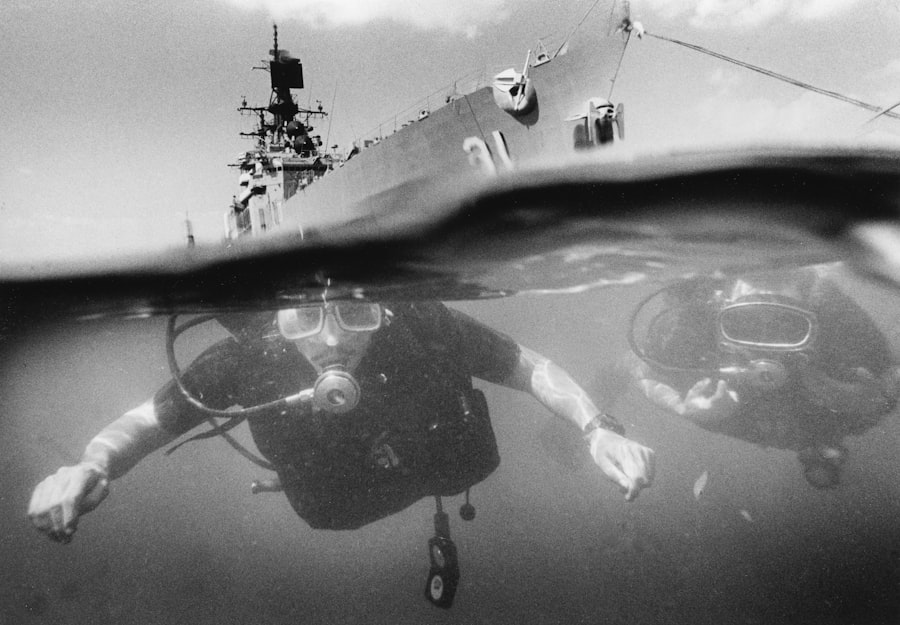
Physical fitness and endurance are paramount for submarine crews due to the demanding nature of their work environment. Submarine missions often involve long hours in confined spaces with limited access to fresh air and sunlight. As such, maintaining physical health is essential not only for individual well-being but also for overall crew performance.
Training programs typically include rigorous physical conditioning routines designed to enhance strength, stamina, and flexibility. Endurance training is particularly important as it prepares crew members for the physical demands of their roles during extended deployments. Activities such as swimming, running, and strength training are commonly incorporated into fitness regimens to ensure that crew members can perform their duties effectively even under challenging conditions.
Additionally, fostering a culture of fitness within the crew promotes camaraderie and teamwork, as individuals support one another in achieving their fitness goals.
Mental and Psychological Preparation for Submarine Crews
Mental resilience is a crucial aspect of submarine crew training, given the psychological challenges associated with prolonged underwater missions. Crew members often face isolation, limited social interaction, and high-stress situations that can take a toll on mental health. Therefore, mental preparation is integrated into training programs to equip individuals with coping strategies and stress management techniques.
This focus on psychological well-being helps ensure that crew members can maintain their composure and focus during demanding missions. Training may include workshops on mindfulness, stress reduction techniques, and team-building exercises aimed at fostering strong interpersonal relationships among crew members. By creating an environment where individuals feel supported and understood, crews can better navigate the psychological challenges they encounter during deployments.
Additionally, regular check-ins with mental health professionals can provide ongoing support and resources for crew members who may be struggling with stress or anxiety.
Communication and Teamwork Training for Submarine Crews
Effective communication is vital for the success of submarine operations, where clear information exchange can mean the difference between success and failure. Training programs emphasize the importance of verbal and non-verbal communication skills among crew members. Given the confined space of submarines and the potential for noise interference from machinery, developing concise communication methods is essential for ensuring that instructions are understood quickly and accurately.
Teamwork training complements communication efforts by fostering collaboration among crew members. Exercises designed to build trust and enhance interpersonal relationships are integral to this aspect of training. By working together on problem-solving tasks or participating in team-building activities, crew members learn to rely on one another’s strengths while developing a shared sense of purpose.
This collaborative spirit not only enhances operational efficiency but also contributes to a positive onboard atmosphere.
Navigation and Sonar Operation Training for Submarine Crews
Navigation and sonar operation are critical skills for submarine crews tasked with safely maneuvering through underwater environments. Training in these areas involves both theoretical instruction and practical application using advanced navigation systems and sonar technology. Crew members learn how to interpret sonar data, understand underwater topography, and navigate using various tools such as charts and GPS systems.
Hands-on experience with sonar equipment allows crew members to develop proficiency in detecting other vessels or underwater obstacles while maintaining stealth during operations. This specialized training ensures that crews can execute complex maneuvers while remaining undetected by adversaries or environmental hazards. As technology continues to advance, ongoing education in navigation techniques and sonar operation remains essential for maintaining operational effectiveness.
Weapons and Defense Systems Training for Submarine Crews
Weapons systems training is an integral part of preparing submarine crews for potential combat scenarios. Crew members must be well-versed in operating various weapons systems onboard their submarines, including torpedoes and missile launchers. This training encompasses both theoretical knowledge about weaponry as well as practical exercises that simulate real-world combat situations.
In addition to operating weapons systems, crews receive instruction on defense tactics designed to protect the submarine from potential threats. This includes understanding enemy capabilities, evasive maneuvers, and countermeasures against detection or attack. By integrating weapons systems training with defensive strategies, crews are better prepared to respond effectively in high-stakes situations while ensuring the safety of their vessel.
Ongoing Training and Professional Development for Submarine Crews
The nature of submarine operations demands continuous learning and professional development among crew members. As technology evolves and new challenges arise in maritime environments, ongoing training becomes essential for maintaining operational readiness. Regular refresher courses ensure that crew members remain proficient in their skills while also introducing them to new techniques or technologies that may enhance their performance.
Professional development opportunities may include advanced certifications or specialized courses tailored to individual career paths within the submarine service. By investing in ongoing education, military organizations not only enhance the capabilities of their crews but also foster a culture of growth and improvement within their ranks. This commitment to lifelong learning ultimately contributes to more effective submarine operations while preparing crews for future challenges they may encounter in an ever-changing maritime landscape.
Submarine crew training is a critical aspect of ensuring operational readiness and safety in underwater missions. For a deeper understanding of the methodologies and challenges involved in this specialized training, you can read the article on submarine crew training. This resource provides valuable insights into the techniques used to prepare crews for the unique demands of submarine operations.
FAQs
What is submarine crew training?
Submarine crew training is a specialized program designed to prepare individuals for the unique challenges of operating and living aboard a submarine. It includes technical instruction, safety procedures, emergency drills, and teamwork exercises.
How long does submarine crew training typically last?
The duration of submarine crew training varies by country and navy but generally ranges from several months to over a year. Initial training covers basic submarine operations, followed by advanced and specialized courses.
What skills are taught during submarine crew training?
Training covers navigation, sonar operation, engineering systems, weapons handling, damage control, emergency response, communication, and living in confined underwater environments.
Is physical fitness important for submarine crew members?
Yes, physical fitness is crucial as crew members must endure confined spaces, limited mobility, and potential emergency situations. Training often includes physical conditioning to ensure readiness.
Do submarine crew members receive training in emergency procedures?
Absolutely. Emergency training is a critical component, including fire fighting, flooding control, escape techniques, and medical emergencies to ensure crew safety under all circumstances.
Are simulations used in submarine crew training?
Yes, simulators play a vital role in training by providing realistic scenarios for navigation, combat, and emergency situations without the risks of actual deployment.
Can civilians undergo submarine crew training?
Typically, submarine crew training is reserved for military personnel. However, some navies may offer limited training or familiarization courses for civilian contractors or researchers involved with submarines.
What qualifications are required to enter submarine crew training?
Candidates usually need to meet specific physical, educational, and security clearance requirements set by their navy. Prior experience in naval operations or technical fields may be advantageous.
How often do submarine crew members undergo refresher training?
Crew members regularly participate in refresher courses and drills to maintain proficiency, often annually or as dictated by their navy’s operational standards.
What psychological challenges are addressed in submarine crew training?
Training includes preparation for isolation, confined living conditions, and stress management to ensure mental resilience during extended underwater missions.