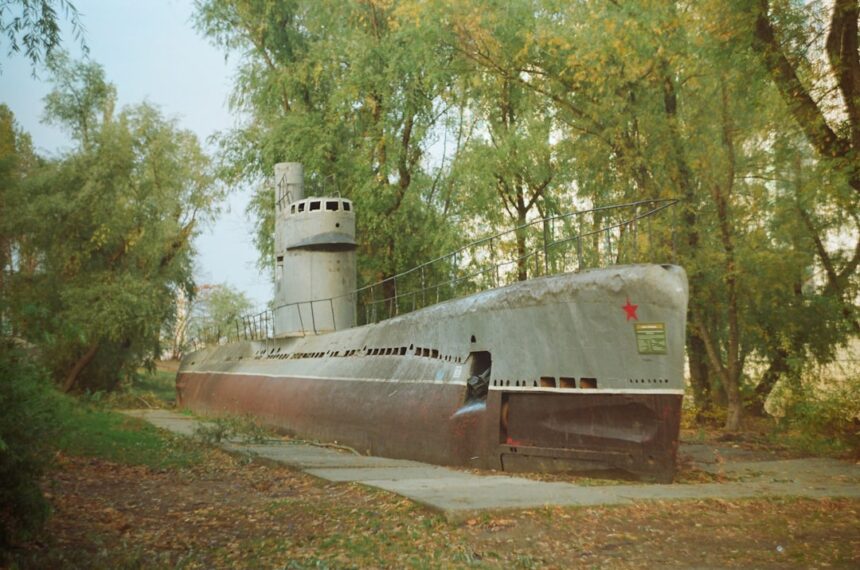
Submarine commanders operating in combat zones frequently encounter complex decision-making scenarios that require balancing military objectives with ethical considerations. Modern submarines are equipped with sophisticated navigation systems, sonar technology, and various weapons systems designed for both defensive and offensive operations. These vessels typically operate under strict rules of engagement that govern when and how force may be used.
Military personnel receive extensive training in both tactical operations and the laws of armed conflict, which establish legal frameworks for conducting warfare while minimizing harm to civilian populations. The principle of distinction, a fundamental concept in international humanitarian law, requires military forces to differentiate between legitimate military targets and civilian areas during operations. Command decisions in military contexts involve weighing multiple factors including mission objectives, potential collateral damage, intelligence assessments, and adherence to established protocols.
Officers are trained to evaluate situations systematically, considering both immediate tactical requirements and broader strategic implications. This decision-making process often occurs under significant time pressure and in environments with limited information. The psychological aspects of military leadership include managing stress, maintaining crew morale, and making critical decisions that may have far-reaching consequences.
Military training programs incorporate scenarios designed to prepare personnel for ethically challenging situations where standard procedures may conflict with moral considerations or where the potential for unintended consequences exists.
Key Takeaways
- The submarine captain faced a critical moral dilemma between obeying orders and doing what was ethically right.
- Demonstrating moral courage, the captain chose to refuse an order that conflicted with personal and ethical values.
- The decision led to significant consequences, including pressure from superiors and mixed reactions from the crew.
- The captain’s leadership during the crisis highlighted the importance of integrity and ethical decision-making in military contexts.
- This incident influenced military ethics and leadership, emphasizing the value of moral courage and the impact of individual choices.
The Call to Action
As the captain wrestled with his conscience, a sense of urgency permeated the submarine. The crew awaited his command, their lives intertwined with his decision. Each member had their own fears and hopes, but they looked to him for guidance.
The captain knew that whatever choice he made would resonate beyond the confines of their vessel; it would echo through the ranks of military leadership and into the hearts of those who served. He felt an overwhelming responsibility not just to his crew but to humanity itself. In that moment of introspection, the captain realized that true leadership often requires stepping into the unknown.
He understood that he had a choice: to act in accordance with orders or to stand firm in his convictions. The call to action was not merely about executing a mission; it was about taking a stand for what he believed was right. With a heavy heart but a resolute spirit, he prepared to address his crew, knowing that his decision would shape their destinies and define his legacy.
The Moral Courage of the Submarine Captain
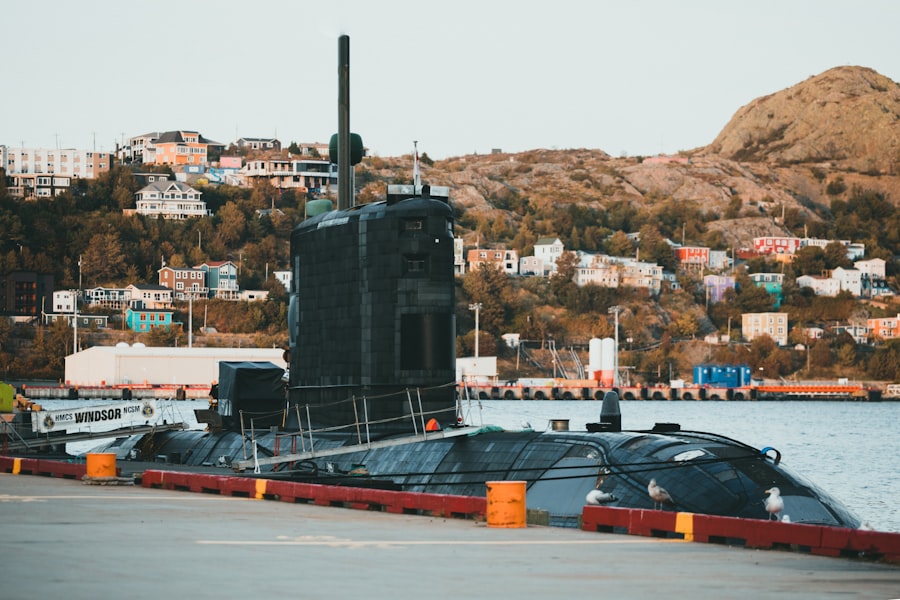
Moral courage is often described as the ability to act rightly in the face of popular opposition or personal loss. For the submarine captain, this concept became a guiding principle as he contemplated his next steps. He recognized that true bravery lies not in the absence of fear but in the willingness to confront it head-on.
As he gathered his crew, he felt a surge of determination coursing through him. He would not allow fear or pressure to dictate his actions; instead, he would choose to uphold his ethical beliefs. The captain’s moral courage shone brightly as he articulated his concerns to his crew.
He spoke passionately about the sanctity of life and the importance of making decisions that reflect their values as individuals and as a team. His words resonated deeply with those who had trained alongside him, fostering an atmosphere of trust and respect. In that moment, they were not just soldiers following orders; they were a united front standing for something greater than themselves.
The Pressure to Follow Orders
Despite the captain’s resolve, the pressure to follow orders loomed large. Military hierarchy is built on obedience and discipline, and any deviation from established protocols can lead to severe consequences. The captain was acutely aware that refusing to engage could result in disciplinary action or even court-martial.
Yet, as he weighed these potential repercussions against the moral implications of his decision, he found himself grappling with an internal conflict that threatened to consume him. The voices of authority echoed in his mind, reminding him of the expectations placed upon him as a leader. He had been trained to prioritize mission success above all else, but now he faced an ethical quandary that challenged everything he had learned.
The pressure intensified as time ticked away; each passing moment brought them closer to a decision that could change lives forever. Ultimately, the captain understood that true leadership sometimes requires defiance against unjust orders, even when it means standing alone.
The Consequences of the Captain’s Decision
| Metric | Description | Value | Unit |
|---|---|---|---|
| Incident Date | Date of the heroic refusal event | 1968-10-27 | YYYY-MM-DD |
| Submarine Name | Name of the submarine involved | K-219 | N/A |
| Captain Name | Name of the submarine captain | Igor Britanov | N/A |
| Refusal Type | Type of refusal (e.g., order refusal, mission refusal) | Order refusal to abandon ship prematurely | N/A |
| Mission | Mission objective during the refusal | Patrol and secure strategic area | N/A |
| Casualties | Number of casualties resulting from the incident | 4 | persons |
| Outcome | Result of the heroic refusal | Saved crew and prevented nuclear disaster | N/A |
| Recognition | Official recognition or awards received | Hero of the Soviet Union nomination | N/A |
When the captain made his fateful decision to refuse engagement, he knew there would be consequences. The immediate aftermath was fraught with tension as communication lines buzzed with disbelief and outrage from higher command. His superiors demanded explanations, questioning his loyalty and commitment to duty.
Yet, amidst the storm of criticism, the captain remained steadfast in his conviction that he had chosen the right path. The consequences extended beyond personal repercussions; they rippled through the entire crew and their families. Some praised him for his bravery, while others viewed him as a traitor who jeopardized their mission and safety.
The captain understood that leadership often comes with sacrifice, and he was prepared to face whatever fallout awaited him. In choosing morality over blind obedience, he had ignited a conversation about ethics within military ranks that could not be easily extinguished.
The Submarine Crew’s Reaction
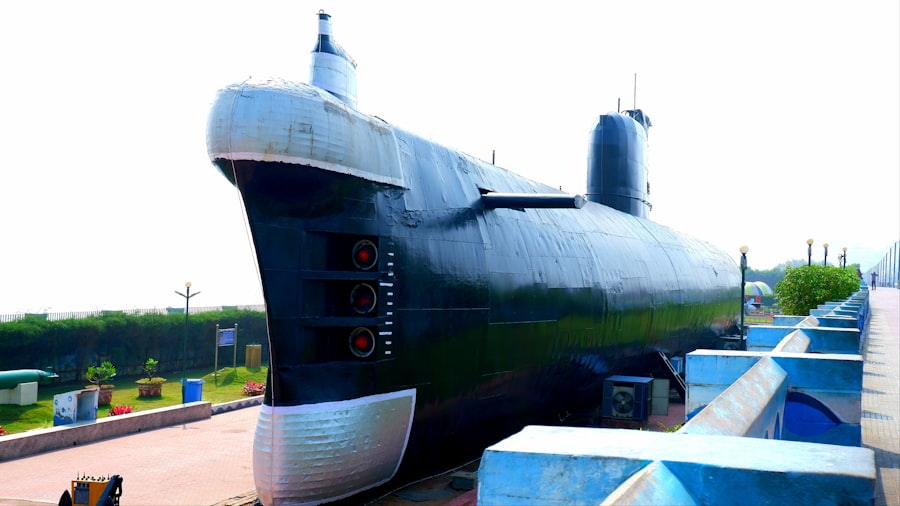
The crew’s reaction to their captain’s refusal was mixed, reflecting a spectrum of emotions ranging from admiration to resentment. Many members felt inspired by their captain’s moral stance; they recognized that they were part of something larger than themselves—a movement toward ethical leadership in military operations. These crew members rallied around their captain, emboldened by his courage and willing to support him in whatever challenges lay ahead.
Conversely, some crew members struggled with their captain’s decision. They had been trained to follow orders without question, and this sudden shift in protocol left them feeling uncertain and vulnerable. Doubts crept into their minds as they questioned whether their captain’s refusal would put them all at risk.
The Aftermath of the Refusal
In the days following the captain’s refusal to engage, life aboard the submarine took on a new dynamic. The atmosphere was charged with tension as discussions about ethics and duty became commonplace among the crew members. They debated not only their captain’s decision but also what it meant to serve in an institution that sometimes prioritized orders over morality.
This introspection led to deeper connections among crew members as they shared their own beliefs and values. Meanwhile, higher command continued to scrutinize the situation, launching an investigation into the captain’s actions. The scrutiny weighed heavily on him, but he remained resolute in his belief that he had acted in accordance with his conscience.
As news of his refusal spread beyond the submarine, it sparked conversations within military circles about ethical leadership and accountability—conversations that had long been overdue.
The Captain’s Leadership in Crisis
In times of crisis, true leaders emerge not just through their decisions but through their ability to inspire others amidst uncertainty. The submarine captain demonstrated remarkable leadership during this tumultuous period by fostering open dialogue among his crew and encouraging them to voice their concerns and opinions. He created an environment where questioning authority was not seen as insubordination but rather as an essential part of ethical decision-making.
His leadership style shifted from one of command-and-control to one rooted in collaboration and empathy. By actively listening to his crew’s perspectives and validating their feelings, he strengthened their bond and reinforced their commitment to one another. This transformation illustrated that effective leadership is not solely about making decisions; it is also about nurturing trust and fostering an inclusive atmosphere where everyone feels valued.
The Submarine Captain’s Legacy
As time passed, the submarine captain’s legacy began to take shape—not just within his crew but throughout military institutions worldwide. His courageous refusal became a case study in ethical leadership, prompting discussions at military academies about the importance of moral courage in decision-making processes. His actions inspired future generations of leaders who would face similar dilemmas in their careers.
The captain’s legacy extended beyond mere recognition; it became a catalyst for change within military culture itself. His story served as a reminder that leaders must prioritize ethics over blind obedience and that true strength lies in standing up for what is right—even when faced with overwhelming pressure to conform.
Lessons Learned from the Captain’s Heroic Refusal
The lessons learned from the submarine captain’s heroic refusal are manifold and resonate far beyond military contexts. First and foremost, they underscore the importance of moral courage in leadership roles across all sectors—whether in business, politics, or community service. Leaders are often faced with difficult choices that require them to weigh personal convictions against external pressures; how they navigate these situations can define their character and impact those around them.
Additionally, this story highlights the necessity for open dialogue within organizations about ethics and accountability. Encouraging individuals to voice concerns without fear of retribution fosters an environment where ethical considerations can thrive alongside operational effectiveness. Ultimately, leaders who prioritize integrity over compliance will inspire loyalty and commitment from those they lead.
The Impact on Military Ethics and Leadership
The impact of the submarine captain’s decision reverberated throughout military ethics and leadership discussions for years to come. His actions prompted military institutions worldwide to reevaluate their training programs and protocols regarding ethical decision-making in high-stakes situations. Emphasis shifted toward cultivating moral courage among service members—teaching them not only how to follow orders but also how to question them when necessary.
Moreover, this incident sparked broader conversations about accountability within military hierarchies. It became increasingly clear that leaders must be held responsible for their decisions—not just in terms of operational success but also regarding ethical implications. As military organizations adapted their frameworks for leadership development, they began prioritizing values-based training alongside traditional tactical instruction.
In conclusion, the submarine captain’s dilemma serves as a powerful reminder of the complexities inherent in leadership roles—especially within structured environments like the military where obedience is paramount. His courageous refusal not only changed lives aboard his vessel but also ignited critical conversations about ethics that continue to shape military culture today. Through this narrative, we learn that true leadership transcends mere compliance; it is defined by moral courage and an unwavering commitment to doing what is right—even when faced with daunting challenges.
In a remarkable display of courage and integrity, the submarine captain’s heroic refusal to follow orders has drawn attention to the moral dilemmas faced by military leaders. This incident echoes themes discussed in a related article on the complexities of leadership in high-stakes situations. For further insights, you can read more about these challenges in the article available at In the War Room.
FAQs
What is the story behind the submarine captain’s heroic refusal?
The story involves a submarine captain who made a courageous decision to refuse an order or directive that he believed was unethical, dangerous, or against his principles. This act of refusal is considered heroic because it demonstrated moral integrity and leadership under pressure.
Why is the submarine captain’s refusal considered heroic?
The refusal is deemed heroic because it involved significant personal risk, potential consequences, and a commitment to doing what was right rather than simply following orders. Such actions often protect lives, uphold ethical standards, or prevent catastrophic outcomes.
What are common reasons a submarine captain might refuse an order?
A submarine captain might refuse an order if it endangers the crew, violates international law, compromises safety protocols, or conflicts with ethical or moral principles. Refusal can also occur if the order is based on incorrect information or could lead to unnecessary conflict.
How does military protocol address refusal of orders by submarine captains?
Military protocol typically requires obedience to lawful orders, but also recognizes the responsibility of commanders to refuse unlawful or unethical orders. Submarine captains are trained to assess orders critically and prioritize the safety and legality of their actions.
What impact can a submarine captain’s refusal have on their career?
The impact varies depending on the circumstances. If the refusal is justified and recognized as ethical, it can enhance the captain’s reputation and career. However, refusal without proper justification may lead to disciplinary action or court-martial.
Are there historical examples of submarine captains refusing orders heroically?
Yes, there are documented cases in naval history where submarine captains have refused orders to prevent unnecessary loss of life or to avoid illegal actions. These instances are often studied in military ethics and leadership courses.
What lessons can be learned from a submarine captain’s heroic refusal?
Key lessons include the importance of moral courage, ethical decision-making, leadership responsibility, and the need to balance obedience with critical judgment in high-stakes situations. It also highlights the value of protecting human life and upholding legal standards.