The GIUK Gap, a strategic maritime corridor located between Greenland, Iceland, and the United Kingdom, serves as a critical juncture for naval and air operations in the North Atlantic. This area is not only pivotal for military logistics but also plays a significant role in the geopolitical landscape of the region. The gap has long been recognized as a vital passageway for naval forces, particularly during times of heightened tensions.
Its geographical positioning allows for the monitoring of naval movements and serves as a barrier against potential threats from adversarial forces, making it an essential focus for NATO’s defense strategy. In recent years, the GIUK Gap has gained renewed attention due to shifting global power dynamics and the resurgence of great power competition. As nations like Russia expand their military capabilities and assert their presence in the Arctic and North Atlantic regions, the importance of the GIUK Gap in NATO’s defense architecture has become increasingly pronounced.
The gap not only facilitates the movement of NATO forces but also acts as a deterrent against potential aggression, underscoring its significance in maintaining regional stability and security.
Key Takeaways
- The GIUK Gap is a critical maritime chokepoint with significant historical importance for NATO defense.
- Defending the GIUK Gap faces modern challenges requiring updated strategies and enhanced cooperation.
- Strengthening NATO’s defense in the GIUK Gap involves leveraging advanced technology and improving intelligence capabilities.
- Maritime and air power play essential roles in securing the GIUK Gap alongside collaboration with non-NATO partners.
- The future of NATO defense in the GIUK Gap depends on robust alliances, innovative strategies, and continuous surveillance enhancements.
Historical significance of the GIUK Gap in NATO defense
Historically, the GIUK Gap has been a focal point for NATO’s defense strategy since the Cold War era. During this period, the gap was recognized as a crucial line of defense against Soviet naval forces attempting to access the Atlantic Ocean. NATO’s ability to control this maritime corridor was essential for ensuring the security of Western Europe and North America.
The historical significance of the GIUK Gap is further underscored by its role in various military exercises and operations. NATO conducted numerous training exercises in this region to enhance interoperability among member states and to prepare for potential conflicts.
The lessons learned from these exercises have shaped NATO’s operational strategies and have reinforced the importance of maintaining a robust presence in the GIUK Gap. As tensions between NATO and Russia have escalated in recent years, the historical context of the GIUK Gap continues to inform contemporary defense planning.
Current challenges in defending the GIUK Gap
In today’s geopolitical climate, defending the GIUK Gap presents a myriad of challenges for NATO. One of the primary concerns is the increasing sophistication of Russian naval capabilities, including advanced submarines and surface vessels that can operate effectively in Arctic waters. These developments pose a significant threat to NATO’s ability to monitor and control the gap, necessitating a reevaluation of existing defense strategies.
The growing presence of Russian military assets in the region has prompted NATO to enhance its surveillance and reconnaissance efforts to ensure timely detection of potential threats. Another challenge lies in the vastness and harsh environmental conditions of the GIUK Gap itself. The region’s unpredictable weather patterns and rough seas can hinder naval operations and complicate surveillance efforts.
Additionally, the limited infrastructure available for resupply and maintenance further complicates NATO’s ability to sustain a continuous presence in the area. As such, addressing these logistical challenges is paramount for ensuring effective defense operations within the GIUK Gap.
Importance of strengthening NATO defense in the GIUK Gap
Strengthening NATO’s defense posture in the GIUK Gap is essential for several reasons. First and foremost, it serves as a deterrent against potential aggression from adversarial nations, particularly Russia. A robust NATO presence in this strategic corridor signals to potential aggressors that any attempt to challenge the alliance’s interests will be met with a coordinated response.
This deterrence is crucial for maintaining stability in the North Atlantic region and safeguarding the security of member states. Moreover, enhancing NATO’s defense capabilities in the GIUK Gap is vital for ensuring freedom of navigation and protecting vital sea lines of communication. The gap serves as a critical route for maritime trade and military logistics, making it imperative for NATO to maintain control over this area.
By strengthening its presence and capabilities, NATO can ensure that it can respond effectively to any threats that may arise, thereby safeguarding not only its own interests but also those of its allies.
Strategies for bridging the GIUK Gap
| Metric | Value | Notes |
|---|---|---|
| GIUK Gap Length | Approximately 300 nautical miles | Distance between Greenland, Iceland, and the UK |
| NATO Naval Patrols | 20+ vessels regularly deployed | Includes surface ships and submarines |
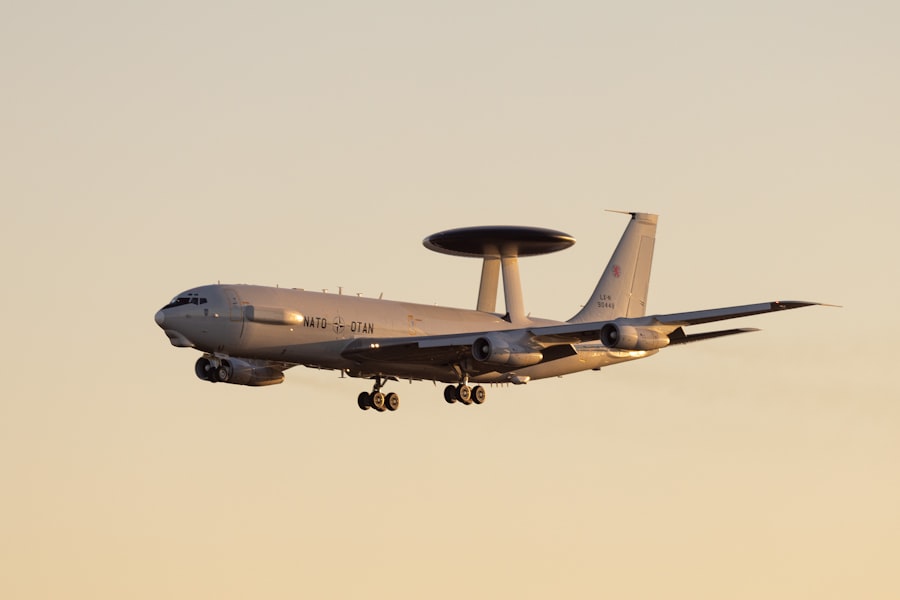
| Air Surveillance Coverage | 24/7 radar and AWACS monitoring | Joint NATO air defense operations |
| Submarine Detection Rate | Estimated 85% | Effectiveness of sonar and surveillance systems |
| Response Time to Incursions | Under 2 hours | Average NATO reaction time to detected threats |
| Annual Defense Exercises | 3-4 major drills | Focus on GIUK Gap defense and interoperability |
To effectively bridge the GIUK Gap, NATO must adopt a multifaceted approach that encompasses various strategies aimed at enhancing its operational capabilities. One key strategy involves increasing joint exercises and training among member states to improve interoperability and readiness. By conducting regular drills that simulate potential scenarios in the GIUK Gap, NATO forces can enhance their ability to respond swiftly and effectively to emerging threats.
Additionally, investing in infrastructure development within the region is crucial for bridging operational gaps. This includes upgrading existing bases and facilities to support increased naval and air operations. Enhanced logistics capabilities will enable NATO forces to sustain longer deployments and maintain a continuous presence in the GIUK Gap, thereby reinforcing deterrence efforts.
Furthermore, fostering collaboration among member states to share resources and intelligence will be instrumental in creating a cohesive defense strategy.
Role of technology in enhancing NATO defense in the GIUK Gap
Technology plays a pivotal role in enhancing NATO’s defense capabilities within the GIUK Gap. Advanced surveillance systems, including satellite imagery and unmanned aerial vehicles (UAVs), provide real-time intelligence on maritime activities in this strategic corridor. These technological advancements enable NATO forces to monitor potential threats more effectively and respond proactively to emerging challenges.
Moreover, innovations in anti-submarine warfare technology are essential for countering Russian naval capabilities in the region. Enhanced sonar systems, underwater drones, and advanced torpedoes are just a few examples of how technology can bolster NATO’s ability to detect and neutralize submarine threats operating within the GIUK Gap. By leveraging cutting-edge technology, NATO can significantly improve its operational effectiveness and maintain a competitive edge over potential adversaries.
Cooperation with non-NATO countries in securing the GIUK Gap
Cooperation with non-NATO countries is increasingly recognized as a vital component of securing the GIUK Gap. Countries such as Sweden and Finland possess valuable geographic advantages and military capabilities that can complement NATO’s efforts in this strategic region. By fostering partnerships with these nations, NATO can enhance its situational awareness and operational capabilities within the gap.
Joint exercises and information-sharing initiatives with non-NATO countries can facilitate greater collaboration on security issues related to the GIUK Gap. Such partnerships not only strengthen regional security but also promote stability in the broader Arctic region. By working together with non-NATO allies, NATO can create a more comprehensive defense strategy that addresses shared challenges while reinforcing collective security efforts.
The role of maritime and air power in defending the GIUK Gap
Maritime and air power are integral components of NATO’s defense strategy in the GIUK Gap. The ability to project naval power into this strategic corridor is essential for maintaining control over maritime routes and deterring potential aggressors. Surface vessels, submarines, and aircraft all play critical roles in ensuring that NATO can respond effectively to any threats that may arise.
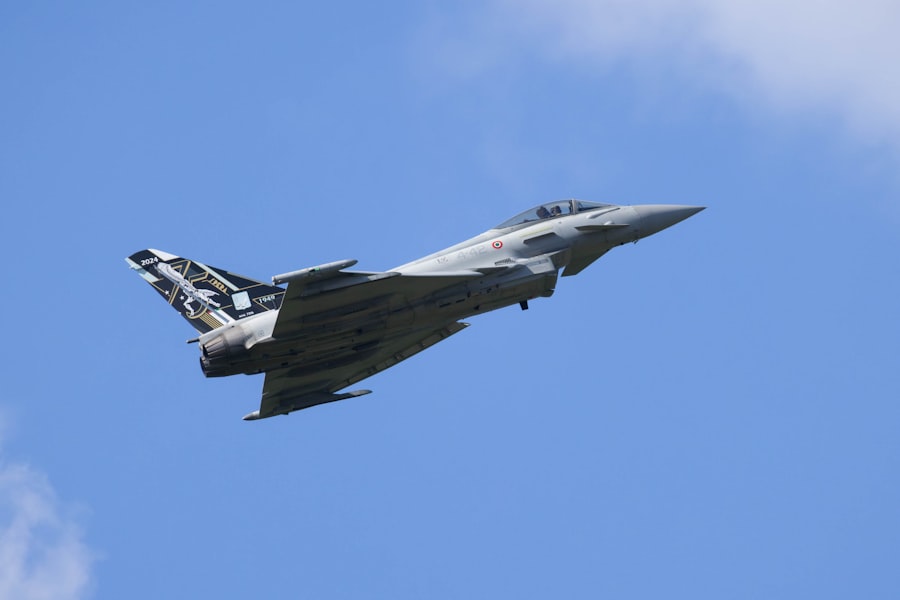
Air power is particularly important for providing situational awareness and rapid response capabilities within the GIUK Gap. Fighter jets and reconnaissance aircraft can conduct patrols over this vast area, gathering intelligence on maritime activities while also serving as a deterrent against hostile actions. The integration of air and maritime operations enhances NATO’s overall effectiveness in defending this strategic corridor.
Enhancing intelligence and surveillance in the GIUK Gap
Enhancing intelligence and surveillance capabilities is paramount for effective defense operations within the GIUK Gap. A comprehensive understanding of maritime activities is essential for timely decision-making and response planning. To achieve this, NATO must invest in advanced surveillance technologies that can provide real-time data on naval movements within the region.
Collaboration with intelligence agencies from member states can further bolster situational awareness in the GIUK Gap. By sharing information on potential threats and conducting joint assessments, NATO can create a more accurate picture of activities within this strategic corridor. This enhanced intelligence capability will enable NATO forces to respond more effectively to emerging challenges while ensuring that they remain one step ahead of potential adversaries.
Strengthening NATO alliances in the GIUK Gap region
Strengthening alliances among NATO member states is crucial for ensuring effective defense operations within the GIUK Gap. A unified approach that emphasizes collaboration and mutual support will enhance NATO’s overall deterrence posture in this strategic corridor. Regular consultations among member states can facilitate greater coordination on defense initiatives while fostering trust among allies.
Additionally, engaging with regional partners through joint exercises and training programs can further solidify alliances within the GIUK Gap region. By working together to address shared security challenges, NATO member states can create a more cohesive defense strategy that enhances collective security efforts while reinforcing their commitment to mutual defense obligations.
The future of NATO defense in the GIUK Gap
The future of NATO defense in the GIUK Gap hinges on adaptability and resilience in response to evolving geopolitical dynamics. As challenges continue to emerge from adversarial nations seeking to assert their influence in this strategic corridor, NATO must remain vigilant and proactive in its defense posture. Strengthening alliances, enhancing technological capabilities, and fostering cooperation with non-NATO countries will be essential components of an effective strategy moving forward.
Ultimately, maintaining control over the GIUK Gap is not only vital for safeguarding regional security but also for ensuring stability across Europe and North America. By prioritizing investments in defense capabilities and fostering collaboration among allies, NATO can effectively navigate the complexities of modern security challenges while reinforcing its commitment to collective defense principles. The future of NATO defense in this critical maritime corridor will depend on its ability to adapt to changing circumstances while remaining steadfast in its mission to protect its member states from emerging threats.
The GIUK Gap has become a focal point for NATO’s defense strategy, particularly in light of increasing tensions in the Arctic region. For a deeper understanding of the strategic implications and the challenges faced by NATO in this critical area, you can read more in the article available at this link. This article provides insights into the geopolitical dynamics and the importance of maintaining a robust defense posture in the GIUK Gap.
WATCH THIS! 🎬 America’s Nuclear City Was a Lie: The Russian Base That Made Iceworm Obsolete
FAQs
What is the GIUK Gap?
The GIUK Gap is a strategic naval choke point in the North Atlantic Ocean, located between Greenland, Iceland, and the United Kingdom. It serves as a critical passageway for naval and submarine forces moving between the Arctic and the Atlantic.
Why is the GIUK Gap important for NATO defense?
The GIUK Gap is vital for NATO because it acts as a gateway for monitoring and controlling maritime traffic between the North Atlantic and the Arctic. Controlling this area helps NATO detect and deter potential threats, particularly from submarines and naval forces of adversaries.
Which countries are involved in the defense of the GIUK Gap?
The defense of the GIUK Gap primarily involves NATO member countries, especially the United States, the United Kingdom, Iceland, Norway, and Denmark. These countries collaborate on surveillance, intelligence sharing, and naval operations to secure the area.
What types of military assets are used to monitor the GIUK Gap?
NATO uses a combination of maritime patrol aircraft, submarines, surface ships, and underwater sensor networks to monitor the GIUK Gap. These assets help detect and track submarines and surface vessels passing through the area.
How has the strategic significance of the GIUK Gap evolved recently?
The GIUK Gap has regained strategic importance due to increased Russian naval activity in the North Atlantic and Arctic regions. NATO has enhanced its surveillance and defense capabilities in the area to counter potential threats and maintain control over this critical maritime route.
What challenges does NATO face in defending the GIUK Gap?
Challenges include harsh weather conditions, the vastness of the area, advancements in submarine technology by potential adversaries, and the need for continuous surveillance and rapid response capabilities. Maintaining technological superiority and coordination among member states is essential.
Are there any ongoing NATO exercises related to the GIUK Gap?
Yes, NATO regularly conducts naval and air exercises in the North Atlantic region, including the GIUK Gap, to improve interoperability, readiness, and the ability to detect and respond to submarine and surface threats in the area.