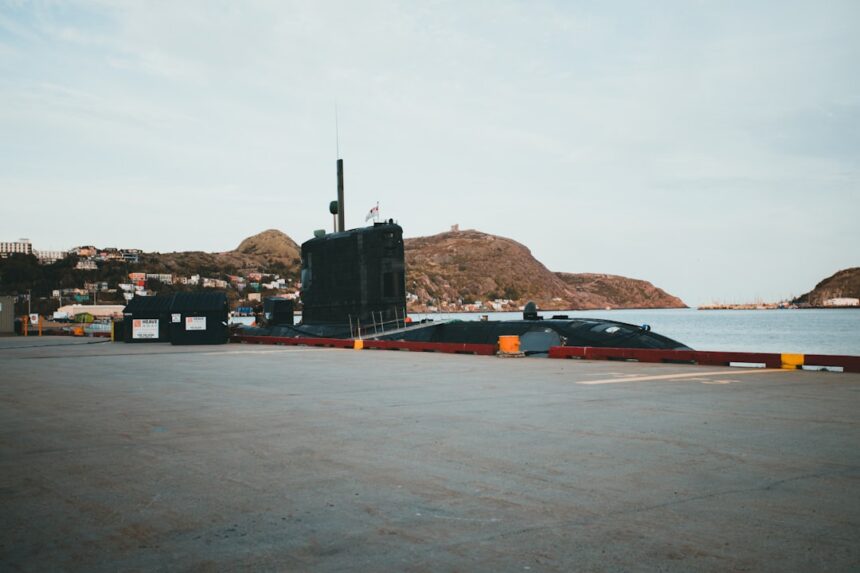
The submarine, a silent hunter of the deep, is a weapon system of unparalleled strategic importance. Its ability to operate unseen beneath the waves, to strike with devastating precision, and to gather intelligence without detection makes it a cornerstone of modern naval power. For the captain of such a vessel, the challenges are immense, demanding a unique blend of technical mastery, psychological fortitude, and a profound understanding of the strategic landscape. This article delves into the intricate world of strategic submarine captain tactics, exploring the methodologies that transform a highly engineered submersible into a potent instrument of national policy.
The strategic role of a submarine is not merely about conducting attacks. It extends far beyond the kinetic. A submarine captain is, in essence, the commander of a mobile, invisible fortress, tasked with projecting power, deterring adversaries, and safeguarding vital interests, all while remaining undetected. This requires a foundational understanding of the geopolitical environment in which the submarine operates, a constant assessment of threats, and the ability to align the vessel’s capabilities with overarching strategic objectives.
The Geopolitical Chessboard
Before a single torpedo tube is prepared, the submarine captain must be intimately familiar with the geopolitical chessboard. This involves understanding the alliances, the rivalries, the economic dependencies, and the historical grievances that shape the decision-making of potential adversaries. The captain must be able to anticipate likely scenarios, to predict where strategic pressure points might emerge, and to position the submarine accordingly. It is akin to a grandmaster understanding every piece on the board, not just their immediate moves, but their potential trajectories and the consequences of their displacement. Each patrol is not an isolated event, but a move within a larger, ongoing game of global strategy.
Threat Assessment and Intelligence Gathering
A submarine’s primary advantage is its stealth. This allows it to act as a persistent intelligence-gathering platform, a spectral eye that observes without being observed. The captain must cultivate a keen sense for anomalies, for deviations from the expected, as these often signal the presence of threats or opportunities. This involves the diligent analysis of sonar contacts, the interpretation of electronic emissions, and the integration of information from diverse sources. The submarine becomes a conduit for vital intelligence, a whisper in the ear of national leadership, informing decisions that can shape the course of international affairs. The captain, in this context, is not just a seaman but a vital node in the global intelligence network.
Mission Planning and Objective Setting
Every patrol is meticulously planned, with objectives that range from surveillance of designated areas to the interdiction of specific enemy assets, or the secure deployment of special forces. The captain’s role in this process is paramount. They must translate broad strategic directives into actionable operational plans, considering factors such as the expected enemy disposition, the environmental conditions, and the specific capabilities of their own vessel. This is a delicate balancing act, much like an architect designing a skyscraper – every element must be considered for its structural integrity and its contribution to the overall purpose. The mission plan is the blueprint for success, a detailed roadmap through the dangerous currents of the operational environment.
In the realm of naval warfare, the tactical decisions made by submarine captains are crucial for mission success and the safety of their crew. A related article that delves into the intricacies of these decisions can be found at In the War Room, where experts analyze various strategies and scenarios that submarine commanders face in modern combat situations. This resource provides valuable insights into the complexities of underwater operations and the critical thinking required to navigate them effectively.
Mastering the Silent Domain: Stealth and Deception Tactics
The lifeblood of a submarine is its ability to remain unseen. Stealth is not merely a passive attribute; it is an active, dynamic skillset that the captain must cultivate and continuously refine. Deception, often employed in conjunction with stealth, adds another layer of complexity to the submarine’s operational art.
Acoustic Signature Management
The submarine’s sound is its most vulnerable characteristic. Every pump, every bearing, every movement of ballast tanks contributes to an acoustic signature that can betray its presence. The captain must foster a culture of acoustic discipline among the crew. This means rigorous maintenance of machinery to minimize noise, precise control of trim and ballast to reduce hydrodynamic sounds, and careful maneuvering to avoid acoustically sensitive areas. It is a relentless pursuit of silence, an endeavor akin to a skilled musician playing a perfectly tuned instrument, where the slightest discord can shatter the harmony. The goal is to become one with the ambient noise of the ocean, to be a phantom within the soundscape.
Operational Concealment and
FAQs
What are the primary responsibilities of a submarine captain in tactical situations?
A submarine captain is responsible for making critical tactical decisions that ensure the safety of the vessel and crew, effectively engage or evade enemy forces, and accomplish mission objectives. This includes navigation, stealth management, weapons deployment, and communication with command.
How does a submarine captain gather information to make tactical decisions?
A submarine captain relies on sonar data, periscope observations, intelligence reports, and input from the crew to assess the tactical environment. This information helps in identifying threats, determining enemy positions, and planning maneuvers.
What factors influence a submarine captain’s tactical decisions during combat?
Key factors include the submarine’s current position, speed, and depth; enemy location and capabilities; mission goals; environmental conditions such as water temperature and salinity; and the status of onboard systems and weapons.
How do submarine captains maintain stealth while making tactical decisions?
Captains minimize noise by controlling speed and machinery operations, avoid detection by enemy sonar, use thermal layers in the ocean to mask the submarine’s presence, and carefully plan movements to reduce the risk of exposure.
What training do submarine captains undergo to prepare for tactical decision-making?
Submarine captains undergo extensive training that includes simulations, war games, tactical theory, leadership development, and real-world exercises. This training equips them with the skills to analyze complex situations and make rapid, effective decisions under pressure.