The Cold War was a period of geopolitical tension between the United States and the Soviet Union that lasted from 1945 to 1991. During this 46-year period, both superpowers engaged in strategic competition without direct military conflict, instead employing proxy wars, diplomatic pressure, intelligence operations, and military alliance building to advance their interests. The conflict originated from fundamental ideological differences between the capitalist democratic system of the United States and the communist system of the Soviet Union.
Both nations sought to expand their spheres of influence globally while preventing the other from gaining strategic advantages. This competition manifested through various means including economic aid programs, military assistance to allied nations, covert operations, and the establishment of competing alliance systems such as NATO and the Warsaw Pact. Nuclear weapons fundamentally shaped Cold War military strategy.
Both superpowers developed extensive nuclear arsenals, creating a doctrine of mutual assured destruction (MAD) that made direct confrontation extremely costly. This nuclear balance led to a strategy of deterrence, where the threat of nuclear retaliation served to prevent large-scale conventional warfare between the superpowers. Military planning during this period focused heavily on maintaining credible deterrent capabilities while avoiding actions that could escalate to nuclear conflict.
Key Takeaways
- Nuclear weapons were central to Cold War military strategy, shaping deterrence and power dynamics.
- Proxy wars allowed superpowers to engage indirectly, avoiding direct conflict while expanding influence.
- Intelligence and espionage played crucial roles in gathering information and countering adversaries.
- Technological advancements, including air and naval power, significantly influenced military tactics and capabilities.
- Military alliances and psychological warfare were key tools in maintaining the balance of power during the Cold War.
The Role of Nuclear Weapons in Cold War Military Strategy
Nuclear weapons emerged as a pivotal element in Cold War military strategy, fundamentally altering the nature of warfare and international relations. The development and stockpiling of these weapons created a precarious balance known as Mutually Assured Destruction (MAD), where both superpowers understood that any nuclear exchange would result in catastrophic consequences for both sides. This understanding led to a strategic stalemate, where direct conflict was avoided in favor of posturing and deterrence.
The presence of nuclear weapons also influenced military planning and operations on a global scale. Both the United States and the Soviet Union invested heavily in their nuclear arsenals, leading to an arms race that saw the proliferation of increasingly sophisticated delivery systems, including intercontinental ballistic missiles (ICBMs) and submarine-launched ballistic missiles (SLBMs). The doctrine of nuclear deterrence became central to military strategy, as leaders sought to ensure that their adversaries would think twice before initiating any form of aggression.
This reliance on nuclear capabilities not only shaped military strategies but also had profound implications for international diplomacy and security.
The Use of Proxy Wars in Cold War Military Strategy

Proxy wars became a hallmark of Cold War military strategy, allowing both superpowers to engage in conflict without direct confrontation. These conflicts often took place in third-party nations, where local factions received support from either the United States or the Soviet Union. This approach enabled both sides to extend their influence while minimizing the risk of escalation into a full-scale war.
Notable examples include the Korean War, the Vietnam War, and various conflicts in Africa and Latin America. The use of proxy wars served multiple purposes for both superpowers. For the United States, supporting anti-communist regimes and movements was seen as essential to containing Soviet expansionism.
Conversely, the Soviet Union aimed to promote communist ideologies and support revolutionary movements worldwide. These proxy conflicts often resulted in significant human suffering and destabilization in the affected regions, as local populations became pawns in a larger ideological struggle. The legacy of these wars continues to shape international relations today, as many nations grapple with the consequences of foreign intervention.
The Importance of Intelligence and Espionage in Cold War Military Maneuvers
Intelligence and espionage played crucial roles in shaping military maneuvers during the Cold War. Both superpowers recognized that information was power, leading to extensive efforts to gather intelligence on each other’s capabilities and intentions.
Espionage activities included everything from surveillance and reconnaissance missions to infiltration of enemy organizations.
The information obtained through these efforts informed military strategies and diplomatic negotiations, allowing leaders to make more informed decisions regarding their actions on the global stage.
The Cold War era saw an unprecedented emphasis on intelligence, with both sides investing heavily in technology and human resources to gain an edge over their adversaries.
The Development of Military Alliances in the Cold War
| Aspect | United States Strategy | Soviet Union Strategy | Key Metrics |
|---|---|---|---|
| Nuclear Arsenal | Developed large stockpile of ICBMs, SLBMs, and strategic bombers | Focused on ICBMs, SLBMs, and heavy bomber fleets | US: ~31,000 warheads (peak), USSR: ~40,000 warheads (peak) |
| Conventional Forces | Maintained strong NATO forces in Europe, rapid deployment capabilities | Large standing army in Eastern Europe and USSR territory | US Army in Europe: ~300,000 troops; Soviet Army: ~5 million troops |
| Proxy Wars | Supported anti-communist regimes and insurgencies worldwide | Supported communist movements and governments globally | Major conflicts: Korea, Vietnam, Afghanistan |
| Intelligence & Espionage | CIA operations, satellite reconnaissance (e.g., U-2, Corona) | KGB operations, extensive human intelligence networks | Number of covert operations: Hundreds per decade |
| Military Alliances | NATO (North Atlantic Treaty Organization) | Warsaw Pact | NATO members: 12 (initial), Warsaw Pact members: 8 |
| Strategic Doctrines | Mutually Assured Destruction (MAD), Flexible Response | Mutually Assured Destruction (MAD), Massive Retaliation | Number of nuclear tests: US ~1,030; USSR ~715 |
The formation of military alliances was a defining feature of Cold War strategy, as both superpowers sought to consolidate their influence through collective security arrangements. The North Atlantic Treaty Organization (NATO), established in 1949, represented a coalition of Western nations committed to mutual defense against potential Soviet aggression. In response, the Soviet Union formed the Warsaw Pact in 1955, uniting Eastern Bloc countries under a similar security framework.
These alliances not only provided military support but also served as platforms for political cooperation and ideological alignment. The presence of NATO and the Warsaw Pact created a clear division in Europe, reinforcing the Iron Curtain that separated East from West. The alliances also facilitated arms races and military buildups, as member states sought to enhance their collective security capabilities.
The dynamics within these alliances often influenced military strategies, as leaders navigated complex relationships with allies while managing tensions with adversaries.
The Impact of Technology on Cold War Military Strategy

Technological advancements during the Cold War had a profound impact on military strategy and operations. The race for technological superiority became a critical aspect of the competition between the United States and the Soviet Union. Innovations in missile technology, surveillance systems, and communication methods transformed how wars were fought and how intelligence was gathered.
The development of satellite technology revolutionized reconnaissance capabilities, allowing for real-time monitoring of enemy activities from space. This technological edge provided both superpowers with valuable information that informed their military strategies. Additionally, advancements in computer technology began to play a role in command and control systems, enhancing decision-making processes during crises.
As each side sought to outpace the other technologically, military strategies evolved to incorporate these new capabilities, leading to an ever-changing landscape of warfare.
The Role of Naval Power in Cold War Military Maneuvers
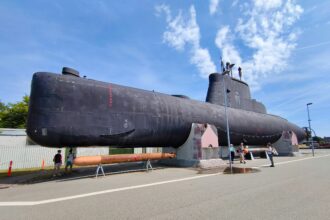
Naval power emerged as a critical component of Cold War military maneuvers, reflecting the importance of maritime dominance in global strategy. Both superpowers recognized that control over sea routes and access to international waters were essential for projecting power and securing trade interests. The naval arms race saw significant investments in aircraft carriers, submarines, and advanced naval weaponry.
The presence of naval forces allowed for rapid deployment of troops and resources during crises, enabling both sides to respond swiftly to emerging threats. Notable events such as the Cuban Missile Crisis underscored the significance of naval power in shaping geopolitical outcomes. The ability to position naval fleets strategically not only served as a deterrent but also provided leverage during negotiations.
As tensions escalated throughout the Cold War, naval maneuvers became increasingly prominent, reflecting the ongoing competition for supremacy on the high seas.
The Influence of Air Power in Cold War Military Strategy
Air power played an equally vital role in shaping military strategy during the Cold War. The development of advanced aircraft technology allowed for greater reach and flexibility in military operations. Strategic bombers capable of delivering nuclear payloads became central to deterrence strategies, while fighter jets provided air superiority during conflicts.
The concept of air power extended beyond traditional combat roles; it encompassed reconnaissance missions that gathered intelligence on enemy positions and capabilities. Air superiority was deemed essential for successful ground operations, leading to significant investments in air forces by both superpowers. Additionally, air power facilitated rapid response capabilities during crises, allowing for swift interventions when necessary.
As conflicts unfolded around the globe, air power emerged as a critical tool for both deterrence and engagement.
The Use of Psychological Warfare in Cold War Military Maneuvers
Psychological warfare became an integral aspect of Cold War military maneuvers as both superpowers sought to influence public perception and undermine each other’s credibility. Propaganda campaigns aimed at shaping narratives about ideologies, policies, and military capabilities were employed extensively by both sides. This form of warfare sought not only to demoralize adversaries but also to bolster domestic support for government actions.
The use of psychological tactics extended beyond traditional propaganda; it included disinformation campaigns designed to create confusion among enemy ranks or sway public opinion against opposing regimes. Events such as radio broadcasts into Eastern Europe aimed at promoting dissent against communist governments exemplified these efforts. By leveraging psychological warfare techniques, both superpowers sought to gain an upper hand without resorting to direct military confrontation.
The Effect of Military Maneuvers on the Balance of Power in the Cold War
Military maneuvers during the Cold War had profound implications for the balance of power on a global scale. The strategic decisions made by both superpowers influenced not only their own security but also that of allied nations around the world. As each side sought to assert its dominance through various means—be it through nuclear deterrence, proxy wars, or military alliances—the global landscape shifted dramatically.
The constant recalibration of power dynamics led to periods of heightened tension and uncertainty. Events such as the Cuban Missile Crisis brought the world perilously close to nuclear conflict, highlighting how military maneuvers could tip the scales toward catastrophe. Conversely, diplomatic efforts aimed at arms control agreements reflected attempts to stabilize this precarious balance.
Ultimately, these maneuvers shaped international relations for decades and laid the groundwork for future geopolitical developments.
The Legacy of Cold War Military Strategy
The legacy of Cold War military strategy continues to resonate in contemporary international relations. The strategic maneuvers employed during this era not only defined a generation but also established frameworks for understanding modern conflicts and geopolitical dynamics. The lessons learned from this period underscore the importance of diplomacy alongside military preparedness, as well as the need for vigilance against potential threats.
As nations navigate an increasingly complex global landscape marked by new challenges such as cyber warfare and terrorism, understanding the intricacies of Cold War military strategy remains essential. The interplay between ideology, technology, intelligence, and military power continues to shape how states interact on the world stage today. Ultimately, the Cold War serves as a reminder that while direct conflict may be avoided through strategic maneuvering, the consequences of those maneuvers can have lasting effects on global peace and security.
During the Cold War, military strategy was heavily influenced by the concept of deterrence, which aimed to prevent conflict through the threat of retaliation. A related article that delves deeper into these strategies and their implications can be found at