The inception of Strategic Air Command (SAC) in 1946 marked a pivotal moment in the history of the United States military. Established in the aftermath of World War II, SAC was created to consolidate the nation’s strategic bombing capabilities under a single command. This occurred during a period when the world was grappling with the implications of nuclear warfare, and the U.S.
recognized the need for a dedicated force that could project power globally. Military leaders experienced significant urgency as they sought to deter potential adversaries and ensure national security in an increasingly complex geopolitical landscape. The early formation of SAC demonstrates that its creation was not merely a response to wartime needs but represented strategic foresight into the future of warfare.
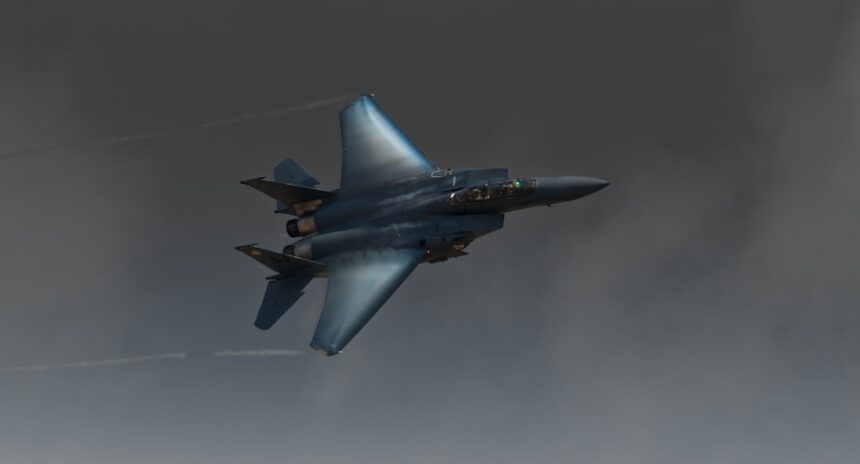
The command was tasked with developing and maintaining a fleet of long-range bombers capable of delivering nuclear payloads. This represented a revolutionary concept, as it shifted the focus from conventional warfare to a strategy that emphasized deterrence through overwhelming firepower. The establishment of SAC signified a commitment to air superiority and laid the groundwork for the United States’ approach to international relations during the Cold War.
Key Takeaways
- Strategic Air Command (SAC) was established to manage the United States’ strategic bomber and nuclear missile forces during the Cold War.
- SAC played a critical role in nuclear deterrence, maintaining readiness to respond to any nuclear threat.
- The command’s mission evolved over time to include advanced technology and global strike capabilities.
- SAC faced numerous challenges, including adapting to new threats and integrating cutting-edge technology.
- The legacy of SAC continues to influence U.S. national security and strategic military planning.
The Role of Strategic Air Command in the Cold War
During the Cold War, SAC emerged as a cornerstone of U.S. military strategy, embodying the principle of deterrence against the Soviet Union. You can appreciate how SAC’s role extended beyond mere military operations; it became a symbol of American resolve and technological prowess.
The command’s ability to deliver nuclear strikes at a moment’s notice was intended to dissuade adversaries from engaging in aggressive actions. This period saw an arms race that defined global politics, and SAC was at the forefront, ensuring that the U.S. maintained a credible threat against any potential aggressor.
As tensions escalated between superpowers, SAC’s strategic posture evolved. You might find it fascinating that the command not only focused on bombers but also integrated intercontinental ballistic missiles (ICBMs) into its arsenal. This diversification allowed for a more robust deterrent strategy, as it provided multiple avenues for retaliation.
The presence of SAC forces across various bases in the U.S. and abroad served as a constant reminder to adversaries that any act of aggression would be met with swift and devastating consequences.
The Evolution of Strategic Air Command’s Mission
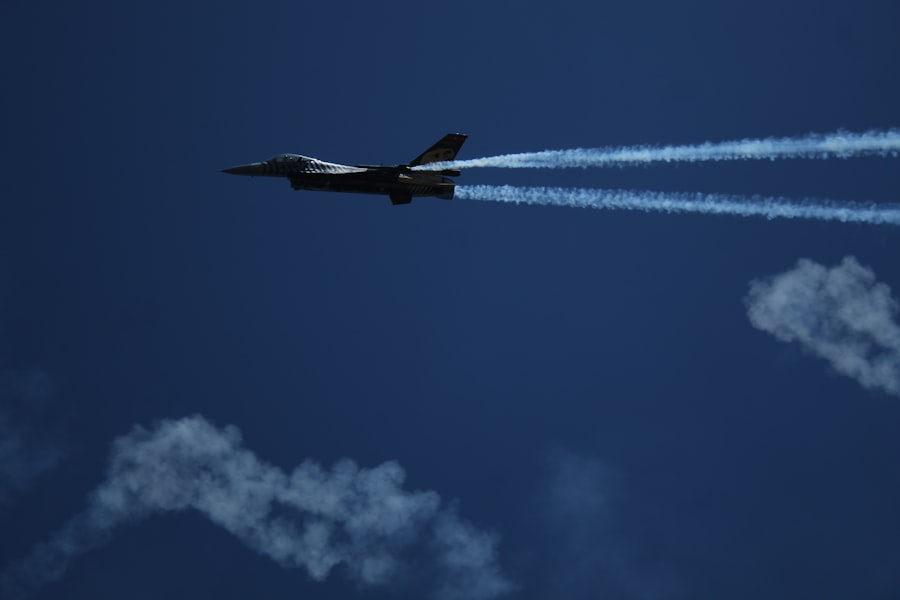
Over the decades, SAC’s mission underwent significant transformations, adapting to the changing dynamics of global conflict. Initially focused on strategic bombing, you can see how its objectives expanded to include intelligence gathering, reconnaissance, and even conventional warfare capabilities. As new threats emerged, including regional conflicts and non-state actors, SAC had to recalibrate its strategies to remain relevant in an evolving security environment.
You may find it intriguing that this evolution was not merely reactive; it was also proactive. SAC began to emphasize joint operations with other branches of the military, recognizing that modern warfare required a more integrated approach. This shift allowed for greater flexibility and responsiveness in addressing diverse threats, from nuclear proliferation to terrorism.
As you reflect on this evolution, it becomes evident that SAC’s adaptability was crucial in maintaining its status as a key player in U.S. defense strategy.
The Nuclear Deterrence Strategy of Strategic Air Command
At the heart of SAC’s mission was its nuclear deterrence strategy, which aimed to prevent conflict through the threat of overwhelming retaliation. You can appreciate how this strategy relied on the concept of mutually assured destruction (MAD), where both superpowers understood that any nuclear exchange would result in catastrophic consequences for all involved. This delicate balance of power shaped international relations during the Cold War and underscored the importance of SAC’s role in maintaining peace through strength.
The effectiveness of this deterrence strategy hinged on several factors, including the reliability of nuclear forces and the credibility of U.S. commitments to allies. You might find it compelling that SAC invested heavily in ensuring that its bombers and missile systems were always ready for action.
Regular training exercises and simulations were conducted to maintain operational readiness, reinforcing the message that any threat to U.S. interests would be met with decisive action. This unwavering commitment to deterrence played a crucial role in preventing direct conflict between superpowers during a tense era.
The Global Reach of Strategic Air Command
| Metric | Description | Value | Unit |
|---|---|---|---|
| Alert Status | Current readiness level of SAC forces | DEFCON 3 | Level |
| Number of Aircraft on Alert | Strategic bombers and tankers ready for immediate takeoff | 50 | Aircraft |
| Response Time | Time from alert to airborne status | 15 | Minutes |
| Alert Duration | Average length of continuous alert period | 72 | Hours |
| Number of Alert Bases | Airbases maintaining SAC alert forces | 12 | Bases |
| Personnel on Alert Duty | Number of SAC personnel assigned to alert shifts | 1,200 | Personnel |
| Missile Alert Status | Readiness of ICBM forces under SAC control | Fully Alert | Status |
SAC’s global reach was one of its defining characteristics, allowing it to project power across continents and oceans. You can visualize how this capability was essential during the Cold War, as it provided the U.S. with a strategic advantage over its adversaries.
With bases strategically located around the world, SAC could respond rapidly to emerging threats and demonstrate its commitment to allies. The command’s ability to conduct long-range missions also showcased American technological superiority. You might find it fascinating that SAC operated advanced bombers like the B-52 Stratofortress, which could carry out missions spanning thousands of miles without refueling.
This capability not only enhanced deterrence but also allowed for flexibility in responding to crises, whether they occurred in Europe, Asia, or elsewhere. As you consider this global reach, it becomes clear that SAC played a vital role in shaping U.S. foreign policy and military strategy during a critical period in history.
Strategic Air Command’s Role in National Security
SAC’s contributions to national security extended beyond its immediate military capabilities; it also influenced broader strategic thinking within the U.S. government. You can appreciate how SAC’s existence prompted discussions about defense budgets, military alliances, and diplomatic strategies aimed at containing Soviet influence.
The command’s emphasis on air power reshaped military doctrine and underscored the importance of maintaining a strong deterrent posture. Moreover, SAC’s role in national security was not limited to nuclear deterrence alone; it also involved intelligence gathering and surveillance operations that provided critical information for decision-makers. You might find it interesting that SAC collaborated with other intelligence agencies to monitor potential threats and assess global developments.
This comprehensive approach ensured that U.S. leaders had access to timely information, enabling them to make informed decisions regarding national security.
The Technological Advancements of Strategic Air Command
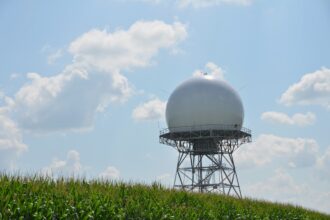
Technological innovation was a hallmark of SAC’s operations, driving advancements that would shape modern warfare. You can see how the command embraced cutting-edge technologies to enhance its capabilities, from radar systems to advanced aircraft design.
As you explore these advancements, you might be intrigued by how they influenced not only military operations but also civilian aviation and aerospace industries. Many technologies developed for SAC found their way into commercial applications, showcasing the interconnectedness of military and civilian sectors. This symbiotic relationship underscores how SAC not only contributed to national defense but also played a role in advancing technological progress across various fields.
The Challenges Faced by Strategic Air Command
Despite its successes, SAC faced numerous challenges throughout its history that tested its resilience and adaptability. You can appreciate how budget constraints often posed significant hurdles, forcing military leaders to make difficult decisions about resource allocation and modernization efforts.
Additionally, you might find it compelling that internal issues such as personnel management and training also impacted SAC’s effectiveness. Maintaining a highly skilled workforce capable of operating complex systems required ongoing investment in training programs and professional development opportunities. As you reflect on these challenges, it becomes evident that SAC’s ability to overcome obstacles was crucial in sustaining its role as a key component of U.S.
defense strategy.
Strategic Air Command’s Response to Changing Threats
As global dynamics evolved, so too did SAC’s approach to addressing emerging threats. You can see how the command recognized the need for flexibility in its operations, adapting its strategies to counter new forms of warfare such as cyber threats and asymmetric conflicts. This responsiveness demonstrated SAC’s commitment to remaining relevant in an ever-changing security landscape.
You might find it interesting that this adaptability extended beyond traditional military operations; it also involved collaboration with other branches of the armed forces and intelligence agencies. By fostering joint operations and information sharing, SAC enhanced its ability to respond effectively to diverse challenges while ensuring that U.S. interests remained protected on multiple fronts.
The Legacy of Strategic Air Command
The legacy of Strategic Air Command is profound and multifaceted, influencing not only military strategy but also shaping public perceptions of national security during the Cold War era. You can appreciate how SAC became synonymous with American strength and resolve, serving as a deterrent against potential adversaries while fostering alliances with partner nations. As you consider this legacy, you might find it compelling that many principles established by SAC continue to inform contemporary military strategies today.
The emphasis on deterrence, technological innovation, and joint operations remains relevant as nations navigate complex security challenges in an increasingly interconnected world.
The Future of Strategic Air Command
Looking ahead, you may wonder about the future trajectory of Strategic Air Command in an era marked by rapid technological advancements and shifting geopolitical landscapes. As new threats emerge—ranging from cyber warfare to space-based challenges—SAC will need to adapt once again to ensure its continued relevance in national defense. You can envision how future iterations of SAC may focus on integrating advanced technologies such as artificial intelligence and unmanned systems into their operations.
By embracing innovation while remaining committed to core principles of deterrence and readiness, SAC can continue to play a vital role in safeguarding U.S. interests for generations to come. In conclusion, Strategic Air Command has left an indelible mark on military history through its strategic foresight, adaptability, and commitment to national security.
As you reflect on its legacy and future prospects, it becomes clear that SAC will remain an essential component of U.S. defense strategy as long as global threats persist.
The Strategic Air Command (SAC) alert status played a crucial role during the Cold War, ensuring that the United States could respond swiftly to any potential nuclear threat. For a deeper understanding of the historical context and operational strategies of SAC, you can read more in this related article on the topic. Check it out here: In the War Room.
WATCH THIS 🎬 The 12-Hour Fuse: How One Man’s Vote Stopped Nuclear War
FAQs
What was the Strategic Air Command Alert?
The Strategic Air Command (SAC) Alert was a Cold War-era military readiness posture maintained by the United States Air Force. It involved keeping nuclear-armed bombers and intercontinental ballistic missiles on high alert, ready to launch at a moment’s notice in case of a Soviet attack.
When was the Strategic Air Command Alert established?
The SAC Alert system was established in the late 1940s and early 1950s, as tensions between the United States and the Soviet Union escalated during the early Cold War period.
What was the purpose of the SAC Alert?
The primary purpose of the SAC Alert was to ensure a credible deterrent against nuclear attack by maintaining a constant state of readiness. This readiness was intended to guarantee a swift retaliatory strike, thereby deterring adversaries from initiating a nuclear conflict.
Which aircraft were typically involved in the SAC Alert?
The SAC Alert primarily involved strategic bombers such as the B-47 Stratojet, B-52 Stratofortress, and later the B-1 Lancer. These aircraft were kept on alert status, often on or near their runways, ready to take off within minutes.
How did SAC Alert impact military personnel?
Military personnel assigned to SAC Alert duties often worked in shifts, maintaining constant vigilance. They were responsible for the maintenance, security, and rapid deployment of nuclear-capable aircraft and missiles, which required high levels of discipline and readiness.
Where were SAC Alert bases located?
SAC Alert bases were located primarily within the United States, including key Air Force bases such as Offutt AFB in Nebraska, Barksdale AFB in Louisiana, and Minot AFB in North Dakota, among others.
When did the Strategic Air Command Alert end?
The Strategic Air Command was disestablished in 1992 following the end of the Cold War. Its alert responsibilities were transferred to the newly formed Air Combat Command and later to the Air Force Global Strike Command.
What replaced the Strategic Air Command Alert system?
After SAC was disbanded, the alert responsibilities were assumed by other commands within the U.S. Air Force, with continued emphasis on nuclear deterrence through modernized forces and updated alert protocols.
Why was the SAC Alert important during the Cold War?
The SAC Alert was a critical component of the United States’ nuclear deterrence strategy. By maintaining a ready and credible threat of retaliation, it helped prevent nuclear war by discouraging adversaries from launching a first strike.
Did SAC Alert include missile forces as well as bombers?
Yes, SAC Alert also included intercontinental ballistic missile (ICBM) forces, which were maintained on high alert status alongside strategic bombers to ensure a robust and survivable nuclear deterrent.