Stinger missiles, officially known as the FIM-92 Stinger, represent a significant advancement in portable air defense systems. Developed by the United States in the late 20th century, these shoulder-fired, infrared homing surface-to-air missiles were designed to counter low-flying aircraft, particularly helicopters and fixed-wing planes. Their compact size and ease of use made them an attractive option for ground troops, allowing for a rapid response to aerial threats.
The introduction of Stinger missiles into combat scenarios marked a pivotal moment in modern warfare, particularly during the Cold War, when tensions between the United States and the Soviet Union were at their peak. The Stinger missile system was first deployed in the late 1970s and gained notoriety during the Soviet-Afghan War in the 1980s. Its effectiveness against Soviet aircraft not only altered the dynamics of air combat but also had profound implications for military strategy on both sides.
The Stinger’s ability to be operated by a single soldier made it a game-changer on the battlefield, providing ground forces with a means to engage enemy aircraft that had previously been considered invulnerable. As such, understanding the development, function, and impact of Stinger missiles is crucial for comprehending their role in military history and their lasting influence on aerial warfare.
Key Takeaways
- Stinger missiles are portable, shoulder-fired surface-to-air missiles designed to target aircraft, particularly helicopters.
- The development of Stinger missiles revolutionized air defense capabilities, providing a mobile and effective weapon against low-flying aircraft.
- Soviet helicopters were found to be vulnerable to Stinger missiles due to their low-altitude operations and lack of effective countermeasures.
- The impact of Stinger missiles on Soviet helicopter operations was significant, leading to increased caution and changes in tactics to avoid missile attacks.
- Case studies of Stinger missile attacks on Soviet helicopters demonstrated the effectiveness of the weapon in combat situations, prompting a response from the Soviet military.
Development and Function of Stinger Missiles
The development of Stinger missiles was driven by the need for an effective air defense system that could be easily transported and operated by infantry units. The U.S. Army initiated the program in the 1960s, responding to the increasing threat posed by enemy aircraft during the Vietnam War.
The design process focused on creating a lightweight missile that could be fired from a shoulder-mounted launcher, allowing soldiers to engage aerial targets without the need for extensive training or complex equipment. The result was a highly mobile and versatile weapon that could be deployed in various combat scenarios. Functionally, Stinger missiles utilize infrared homing technology to track and engage targets.
Upon launch, the missile locks onto the heat signature emitted by an aircraft’s engines, allowing it to home in on its target with remarkable accuracy. This capability is particularly effective against helicopters, which often operate at lower altitudes and slower speeds compared to fixed-wing aircraft. The missile’s guidance system enables it to maneuver in flight, making it difficult for enemy pilots to evade an incoming attack.
As a result, Stinger missiles became a formidable tool for ground forces seeking to neutralize aerial threats.
Vulnerability of Soviet Helicopters to Stinger Missiles
Soviet helicopters, particularly models like the Mi-24 Hind, were initially designed with robust armor and advanced avionics to withstand various battlefield threats. However, their vulnerability to Stinger missiles became apparent during engagements in Afghanistan. The combination of low-altitude operations and the reliance on speed and maneuverability left these helicopters exposed to shoulder-fired missile systems.
The Stinger’s infrared guidance system proved particularly effective against the heat signatures produced by helicopter engines, making them prime targets for ground-based operators. The operational tactics employed by Soviet forces further exacerbated this vulnerability. Helicopters were often used for close air support and troop transport missions, flying at altitudes that made them susceptible to ground fire.
The presence of Stinger missiles among Afghan resistance fighters shifted the balance of power in these engagements, forcing Soviet pilots to alter their tactics significantly. Instead of operating freely in contested airspace, they had to adopt more cautious approaches, often flying at higher altitudes or employing evasive maneuvers that limited their effectiveness in supporting ground troops.
Impact of Stinger Missiles on Soviet Helicopter Operations
| Year | Number of Stinger Missiles Deployed | Number of Soviet Helicopters Shot Down | Impact on Soviet Helicopter Operations |
|---|---|---|---|
| 1986 | 500 | 45 | Significant decrease in helicopter mobility and effectiveness |
| 1987 | 700 | 60 | Further reduction in helicopter operations |
| 1988 | 900 | 75 | Drastic decline in helicopter presence in conflict areas |
The introduction of Stinger missiles into the conflict in Afghanistan had a profound impact on Soviet helicopter operations. As these missiles became more prevalent among Afghan resistance fighters, Soviet commanders were compelled to reassess their aerial strategies. The once-dominant role of helicopters in providing close air support was diminished as pilots faced increased risks from ground-based missile systems.
This shift forced Soviet forces to rely more heavily on fixed-wing aircraft and artillery support, which were less vulnerable to Stinger attacks but also less effective in certain combat scenarios. Moreover, the psychological impact of Stinger missiles on Soviet pilots cannot be overstated. The knowledge that any low-flying helicopter could be targeted by a hidden operator armed with a Stinger created an atmosphere of fear and uncertainty among aircrews.
This psychological toll affected mission planning and execution, as pilots became more cautious and hesitant in their operations. The once-feared Mi-24 Hind, known for its firepower and versatility, was now viewed as a high-risk asset in an increasingly hostile environment.
Case Studies of Stinger Missile Attacks on Soviet Helicopters
Several notable case studies illustrate the effectiveness of Stinger missiles against Soviet helicopters during the Afghan conflict. One such incident occurred in 1986 when Afghan mujahideen successfully shot down a Mi-24 Hind using a Stinger missile near the city of Jalalabad. This event marked a turning point in the war, as it demonstrated not only the missile’s lethality but also its potential to shift the momentum of ground engagements.
The loss of such a significant asset sent shockwaves through Soviet command structures and highlighted the urgent need for countermeasures. Another case involved a coordinated attack on a group of Soviet helicopters conducting troop transport missions in 1987. As they approached a landing zone, multiple Stinger operators engaged simultaneously, resulting in several helicopters being downed within minutes.
This incident underscored the tactical advantage that Afghan forces gained through the use of Stinger missiles, as they could effectively coordinate their attacks and exploit vulnerabilities in Soviet operations. Such successful engagements contributed to a growing sense of urgency within Soviet military circles regarding the need to adapt to this new threat.
Soviet Response to Stinger Missile Threat
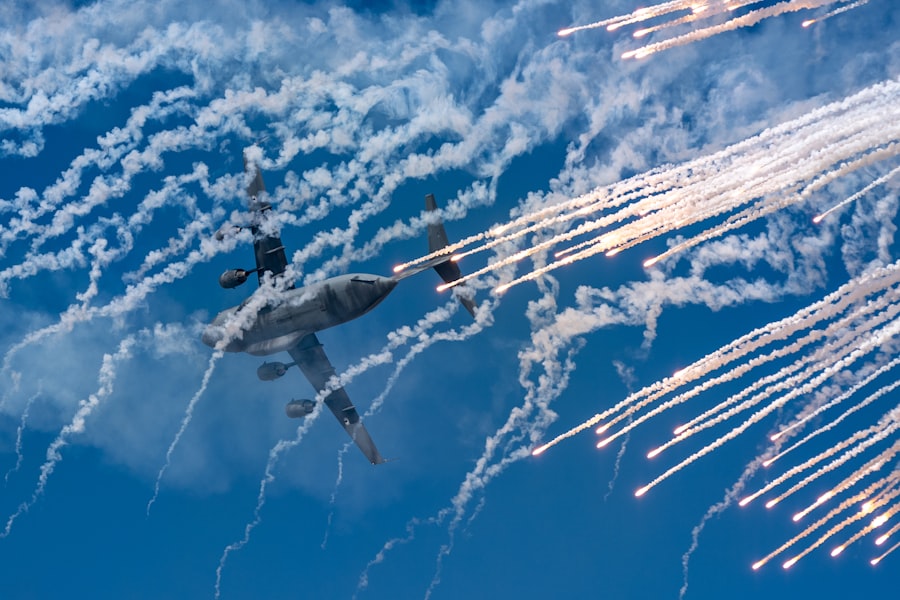
In response to the growing threat posed by Stinger missiles, Soviet military strategists undertook several measures aimed at mitigating their impact on helicopter operations. One significant response was the enhancement of electronic countermeasures designed to disrupt missile guidance systems. By deploying jamming technology and other countermeasures, Soviet forces sought to create an environment where Stinger operators would find it more challenging to lock onto their aircraft.
Additionally, the Soviets began to invest in improved training for helicopter pilots, emphasizing evasive maneuvers and tactics that would minimize exposure to ground fire. This included flying at higher altitudes when possible and employing formations that reduced vulnerability during troop transport missions. Despite these efforts, however, the effectiveness of Stinger missiles continued to pose a significant challenge, forcing Soviet commanders to adapt their strategies continually.
Evolution of Soviet Helicopter Design in Response to Stinger Missiles
The threat posed by Stinger missiles prompted significant changes in Soviet helicopter design philosophy throughout the late 1980s and beyond. Recognizing that existing models were increasingly vulnerable to shoulder-fired missiles, engineers began developing new designs that incorporated enhanced defensive features. These innovations included improved armor plating and advanced avionics systems designed to detect incoming threats more effectively.
One notable example was the development of the Mi-28 Havoc, which featured a more robust airframe and advanced countermeasure systems aimed at increasing survivability against modern missile threats. The Mi-28 was designed with an emphasis on low-altitude operations while incorporating features that allowed it to evade detection and minimize exposure to enemy fire. This evolution reflected a broader trend within Soviet military aviation toward creating platforms capable of operating effectively in environments where shoulder-fired missiles were prevalent.
Effectiveness of Stinger Missiles in Combat Situations
The effectiveness of Stinger missiles in combat situations has been well-documented throughout various conflicts since their introduction. In Afghanistan, these missiles played a crucial role in leveling the playing field between Afghan resistance fighters and Soviet forces. The ability to engage low-flying aircraft with relative ease transformed ground engagements and forced adversaries to reconsider their operational tactics.
Moreover, the success of Stinger missiles extended beyond Afghanistan; they have been employed in various conflicts worldwide with similar results. Their portability and ease of use have made them a preferred choice for insurgent groups seeking to counter more advanced aerial capabilities possessed by state militaries. This adaptability has ensured that Stinger missiles remain relevant even decades after their initial deployment.
Influence of Stinger Missiles on Soviet Military Strategy
The introduction of Stinger missiles into combat significantly influenced Soviet military strategy during the late Cold War period. As these weapons demonstrated their effectiveness against Soviet aircraft, military planners were compelled to rethink their approach to air operations. The reliance on helicopters for close air support became increasingly problematic as commanders recognized that these assets could no longer operate freely without incurring substantial losses.
Consequently, Soviet military doctrine began emphasizing combined arms operations that integrated ground forces with fixed-wing aircraft while minimizing reliance on vulnerable helicopter platforms. This shift reflected a broader recognition of the changing nature of warfare and the need for adaptability in response to emerging threats like shoulder-fired missile systems.
International Ramifications of Stinger Missile Use against Soviet Helicopters
The use of Stinger missiles against Soviet helicopters had far-reaching international ramifications beyond the immediate conflict in Afghanistan. The success of these weapons not only bolstered Afghan resistance efforts but also inspired other insurgent groups around the world facing similar challenges from state militaries equipped with advanced aerial capabilities. This phenomenon contributed to a proliferation of portable air defense systems among non-state actors seeking to counter more powerful adversaries.
Furthermore, the effectiveness of Stinger missiles against Soviet forces raised questions about military technology’s role in shaping geopolitical dynamics during the Cold War era. The United States’ decision to supply these weapons to Afghan fighters was emblematic of its broader strategy to undermine Soviet influence globally while supporting anti-communist movements. This approach had lasting implications for U.S.
Conclusion and Future Implications of Stinger Missiles on Soviet Helicopters
In conclusion, Stinger missiles have had a profound impact on both Soviet helicopter operations and broader military strategies throughout history. Their introduction into combat scenarios highlighted vulnerabilities within even the most advanced military platforms and forced adversaries to adapt rapidly to emerging threats. The legacy of Stinger missiles continues to resonate today as military forces worldwide grapple with similar challenges posed by portable air defense systems.
Understanding this historical context is essential for military planners as they navigate an increasingly complex landscape characterized by asymmetric warfare and evolving technological capabilities. The lessons learned from past conflicts will undoubtedly shape future strategies as nations seek to maintain air superiority while addressing emerging threats on the battlefield.
The impact of the Stinger missile on Soviet helicopters during the Afghan War was profound, significantly altering the dynamics of aerial combat. For a deeper understanding of this topic, you can explore the article on the effects of advanced weaponry in modern warfare, which provides valuable insights into how the Stinger missile changed the battlefield landscape. For more information, visit this article.
WATCH THIS! The War That Secretly Bankrupted An Empire: How Afghanistan Destroyed the USSR
FAQs
What is a Stinger missile?
A Stinger missile is a portable air-defense system (MANPADS) that is designed to be fired from the shoulder of a single operator. It is used to target and destroy low-flying aircraft, such as helicopters and fixed-wing aircraft.
How does a Stinger missile work?
The Stinger missile is equipped with an infrared seeker that allows it to lock onto the heat emitted by an aircraft’s engines. Once locked on, the missile is fired and uses its built-in propulsion system to intercept and destroy the target.
What is the effect of a Stinger missile on Soviet helicopters?
During the Soviet-Afghan War, the introduction of Stinger missiles by the Afghan mujahideen had a significant impact on Soviet helicopter operations. The missiles were highly effective at targeting and destroying Soviet helicopters, leading to a decrease in the Soviet air superiority in the region.
How did the Stinger missile impact the Soviet military strategy?
The introduction of Stinger missiles forced the Soviet military to change its tactics and operations in Afghanistan. The threat of Stinger missiles led to a decrease in helicopter flights and forced the Soviet forces to rely more on ground transportation and alternative methods of air support.
What was the long-term impact of the Stinger missile on Soviet military capabilities?
The introduction of Stinger missiles had a lasting impact on Soviet military capabilities, as it demonstrated the vulnerability of their aircraft to portable air-defense systems. This led to increased investment in countermeasures and the development of more advanced aircraft with improved defensive systems.