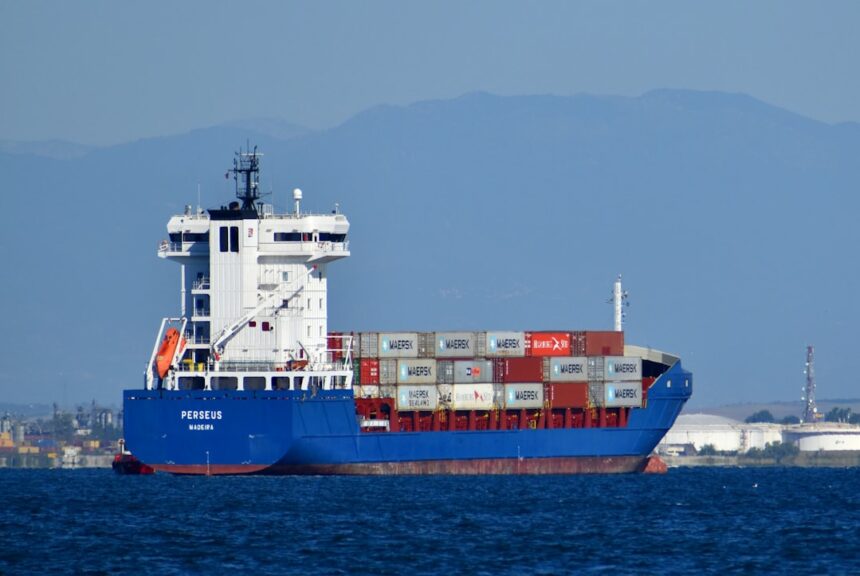
In recent years, the maritime industry has experienced a significant increase in dark ship-to-ship (STS) transfers. These unauthorized operations occur when vessels exchange cargo without proper documentation or regulatory oversight. The motivations for such activities include evading international sanctions and circumventing environmental regulations.
As global trade expands, these unregulated practices have become more common, generating concern among governmental bodies, environmental organizations, and legitimate maritime stakeholders. Multiple factors contribute to the proliferation of dark STS transfers. The increasingly complex landscape of international shipping regulations has created opportunities for exploitation.
Simultaneously, heightened demand for certain commodities has incentivized some operators to seek alternative transfer methods. When nations impose sanctions on specific countries or entities, some vessel operators resort to dark STS transfers to evade these restrictions. Advancements in digital technology have also enabled operators to more effectively conceal their activities, hampering monitoring and enforcement efforts.
This combination of circumstances has created conditions favorable for illicit maritime operations, leading to increased calls for enhanced surveillance and regulatory enforcement in the shipping industry.
Key Takeaways
- Dark ship-to-ship (STS) transfers have increased, enabling covert cargo exchanges at sea.
- Stealthy STS operations exploit legal loopholes and regulatory gaps, complicating enforcement.
- Advanced technologies, such as AIS manipulation and satellite evasion, facilitate undetected transfers.
- These transfers pose significant environmental risks and security threats, including smuggling and sanctions evasion.
- Effective monitoring and prevention require international cooperation, improved tracking tech, and stricter regulations.
Understanding the Concept of Stealthy STS
Stealthy ship-to-ship transfers are characterized by their covert nature, often taking place in remote locations or during times when monitoring is minimal. These operations typically involve two vessels transferring cargo without the knowledge or consent of regulatory authorities. The process can be executed quickly and efficiently, allowing operators to move goods without attracting attention.
This stealthy approach not only facilitates illegal activities but also poses significant risks to maritime safety and environmental protection.
These smaller ships may rendezvous with larger tankers or cargo vessels in less trafficked waters, where they can transfer goods under the guise of legitimate operations.
The lack of transparency in these transactions makes it challenging for authorities to track the movement of goods and enforce compliance with international regulations. As a result, the concept of stealthy STS has become synonymous with illicit trade practices that undermine the integrity of global shipping.
The Legal and Regulatory Challenges of Dark Ship-to-Ship Transfers
The legal landscape surrounding dark ship-to-ship transfers is fraught with challenges. International maritime law provides a framework for regulating shipping activities; however, enforcement remains a significant hurdle. Many countries lack the resources or political will to monitor their waters effectively, allowing illicit activities to flourish.
When a dark STS transfer occurs in international waters, determining which nation has jurisdiction can be a contentious issue. Regulatory bodies are increasingly aware of the risks posed by dark STS transfers and are working to develop more robust frameworks for oversight.
However, the pace of regulatory change often lags behind the evolving tactics employed by those engaged in illicit activities. As a result, there is a pressing need for international cooperation and information sharing among nations to combat this growing threat effectively. Without a unified approach, the legal and regulatory challenges associated with dark STS transfers are likely to persist.
The Role of Technology in Facilitating Stealthy STS
Technology plays a dual role in the realm of dark ship-to-ship transfers. On one hand, advancements in communication and navigation technologies have enabled operators to conduct stealthy STS operations with greater efficiency and precision. For instance, satellite communications allow vessels to coordinate their movements discreetly, while sophisticated navigation systems help them avoid detection by traditional monitoring methods.
This technological edge has made it increasingly difficult for authorities to track illicit activities on the high seas. On the other hand, technology also presents opportunities for enhancing monitoring and enforcement efforts. The development of advanced tracking systems and data analytics tools can aid regulatory bodies in identifying suspicious patterns and behaviors associated with dark STS transfers.
By leveraging big data and machine learning algorithms, authorities can analyze vast amounts of maritime traffic data to pinpoint anomalies that may indicate illicit activities. As technology continues to evolve, it holds the potential to transform how stakeholders approach the challenge of monitoring and regulating ship-to-ship transfers.
Environmental and Security Concerns Surrounding Dark Ship-to-Ship Transfers
| Metric | Description | Typical Values / Examples |
|---|---|---|
| Number of Dark STS Events | Count of ship-to-ship transfers conducted without AIS signals or in unmonitored areas | 50-200 events per month (varies by region) |
| Regions with Highest Activity | Geographical areas where dark STS transfers are most frequently observed | South China Sea, Gulf of Guinea, Eastern Mediterranean |
| Types of Cargo | Common goods transferred during dark STS operations | Oil, refined petroleum products, illicit goods |
| Average Duration of Transfer | Typical time taken to complete a dark STS transfer | 2-6 hours |
| Vessel Types Involved | Types of ships commonly engaged in dark STS transfers | Oil tankers, bunkering vessels, cargo ships |
| Detection Methods | Techniques used to identify dark STS transfers | AIS anomaly detection, satellite imagery, radar tracking |
| Risk Level | Security and regulatory risk associated with dark STS transfers | High (due to potential sanctions evasion and illicit trade) |
The environmental implications of dark ship-to-ship transfers are profound and far-reaching. These clandestine operations often involve the transfer of hazardous materials or pollutants without proper oversight, posing significant risks to marine ecosystems. Spills or leaks during these transfers can have devastating consequences for local wildlife and habitats, leading to long-term ecological damage.
Moreover, the lack of regulation surrounding these activities means that operators may not adhere to best practices for environmental protection. In addition to environmental concerns, dark STS transfers also raise significant security issues. The anonymity afforded by these operations can facilitate the movement of illicit goods, including weapons or contraband, which can exacerbate regional conflicts or contribute to organized crime.
The potential for terrorism-related activities is another alarming aspect; without proper oversight, vessels engaged in dark STS transfers could be exploited by malicious actors seeking to evade detection. As such, addressing the security implications of these operations is critical for safeguarding both maritime trade and national security interests.
The Economics of Dark Ship-to-Ship Transfers
The economic motivations behind dark ship-to-ship transfers are complex and multifaceted. For some operators, engaging in these clandestine activities can yield substantial financial rewards by circumventing tariffs or sanctions imposed on certain goods. The ability to move cargo without incurring additional costs associated with compliance can create a competitive advantage in an increasingly crowded marketplace.
This economic incentive drives some players in the shipping industry to take risks that may ultimately undermine the integrity of global trade. However, the economic implications extend beyond individual operators; dark STS transfers can distort market dynamics and create an uneven playing field for legitimate businesses. When some companies engage in illicit practices while others adhere to regulations, it creates an environment where compliance becomes a disadvantage rather than an advantage.
This erosion of trust within the industry can lead to increased costs for compliant operators as they struggle to compete against those willing to engage in unethical practices. Ultimately, addressing the economic drivers behind dark STS transfers is essential for fostering a fair and transparent maritime trading environment.
Case Studies: Notable Instances of Stealthy STS
Several high-profile cases have brought attention to the issue of dark ship-to-ship transfers in recent years. One notable instance involved a series of oil tankers suspected of engaging in illicit STS operations off the coast of a sanctioned nation. Investigations revealed that these vessels were transferring crude oil under the cover of darkness, often using smaller ships to evade detection by authorities.
The case highlighted not only the challenges associated with monitoring such activities but also the broader implications for global oil markets. Another significant case involved a network of vessels linked to organized crime syndicates that utilized dark STS transfers to smuggle goods across international borders. Authorities uncovered evidence that these operations were not only financially lucrative but also facilitated other criminal activities, including human trafficking and drug smuggling.
The interconnectedness of these illicit networks underscored the need for comprehensive strategies to combat dark STS transfers and their associated criminal enterprises.
The Impact of Dark Ship-to-Ship Transfers on Global Trade
The ramifications of dark ship-to-ship transfers extend far beyond individual cases; they have profound implications for global trade as a whole. The prevalence of these clandestine operations undermines trust in maritime supply chains and raises questions about the integrity of goods entering markets worldwide. When consumers are unable to ascertain the origins or legitimacy of products, it erodes confidence in both domestic and international trade systems.
Moreover, dark STS transfers can disrupt established trade patterns and create volatility in commodity markets. As operators engage in illicit practices to gain competitive advantages, legitimate businesses may find themselves at a disadvantage, leading to market distortions that can ripple through entire industries. The long-term consequences could include increased regulatory scrutiny and higher compliance costs for all players in the shipping sector as authorities seek to restore order and accountability.
Strategies for Monitoring and Preventing Illicit Dark Ship-to-Ship Transfers
To combat the growing threat posed by dark ship-to-ship transfers, stakeholders must adopt comprehensive strategies that encompass monitoring, enforcement, and collaboration among nations. Enhanced surveillance capabilities are essential for detecting suspicious activities on the high seas; this may involve deploying advanced tracking technologies or utilizing satellite imagery to monitor vessel movements more effectively. Collaboration among nations is equally critical in addressing this issue.
Information sharing between countries can help identify patterns associated with dark STS transfers and facilitate coordinated enforcement efforts against violators. Additionally, engaging with industry stakeholders—such as shipping companies and port authorities—can foster a culture of compliance and accountability within the maritime sector.
The Future of Stealthy STS: Emerging Trends and Developments
As global trade continues to evolve, so too will the tactics employed by those engaged in dark ship-to-ship transfers. Emerging trends suggest that operators may increasingly leverage advanced technologies such as blockchain for anonymity or artificial intelligence for optimizing routes that minimize detection risks. These developments could further complicate efforts to monitor and regulate maritime activities effectively.
However, there is also potential for positive change on the horizon. As awareness grows regarding the risks associated with dark STS transfers, regulatory bodies may implement more stringent measures aimed at enhancing oversight and accountability within the industry. The future landscape will likely be shaped by ongoing technological advancements alongside evolving regulatory frameworks designed to address emerging challenges.
The Ethical and Moral Implications of Dark Ship-to-Ship Transfers
The ethical considerations surrounding dark ship-to-ship transfers are profound and multifaceted. Engaging in clandestine operations raises questions about corporate responsibility and accountability within the shipping industry. Companies that choose to participate in these practices not only jeopardize their reputations but also contribute to broader societal issues such as environmental degradation and human rights violations.
Moreover, there is an ethical imperative for stakeholders across the maritime sector to prioritize transparency and integrity in their operations. By fostering a culture that values ethical conduct over short-term gains, industry players can work collectively toward creating a more sustainable and responsible shipping environment. Ultimately, addressing the moral implications associated with dark ship-to-ship transfers is essential for ensuring that global trade operates within a framework that respects both people and the planet.
In recent discussions surrounding maritime security, the topic of dark ship-to-ship (STS) transfers has gained significant attention due to its implications for illegal activities and environmental concerns. For a deeper understanding of the complexities involved in such operations, you can refer to a related article on this subject at In The War Room. This resource provides valuable insights into the challenges and strategies associated with monitoring and regulating these clandestine transfers on the high seas.
WATCH THIS! 🌊 The Invisible Army That Controls Global Shipping
FAQs
What are dark ship-to-ship transfers (STS)?
Dark ship-to-ship transfers refer to the clandestine or unreported transfer of cargo, typically oil or other commodities, between two vessels at sea. These transfers are conducted without proper documentation or notification to authorities, often to evade sanctions, taxes, or regulations.
Why are dark STS transfers conducted?
Dark STS transfers are usually carried out to conceal the origin, destination, or ownership of the cargo. This can be for reasons such as avoiding international sanctions, bypassing trade restrictions, or engaging in illicit trade activities.
How are dark STS transfers detected?
Detection methods include satellite tracking, Automatic Identification System (AIS) data analysis, and monitoring of vessel movements. Authorities and organizations use these tools to identify suspicious rendezvous between ships, especially when AIS signals are turned off or manipulated.
What risks are associated with dark STS transfers?
Risks include environmental hazards due to unregulated transfers, increased potential for smuggling or illegal trade, and challenges to maritime security. Additionally, these activities can undermine international sanctions and contribute to geopolitical tensions.
Are dark STS transfers legal?
Generally, dark STS transfers are illegal or violate international maritime regulations, especially when used to circumvent sanctions or engage in illicit trade. However, some legitimate STS operations occur under strict regulatory oversight and proper reporting.
Which industries are most affected by dark STS transfers?
The oil and gas industry is most commonly affected, as dark STS transfers often involve crude oil or refined petroleum products. Other commodities may also be involved, but oil is the primary focus due to its high value and strategic importance.
What measures are being taken to prevent dark STS transfers?
Measures include enhanced satellite surveillance, stricter enforcement of maritime laws, international cooperation to monitor vessel activities, and the use of advanced technologies to track and verify ship movements and cargo transfers.
How do dark STS transfers impact global trade?
They can distort market prices, undermine legal trade channels, and complicate efforts to enforce sanctions and regulations. This can lead to economic losses for compliant businesses and challenges for policymakers aiming to maintain fair trade practices.