Stealth technology represents a significant paradigm shift in military strategy, fundamentally altering the calculus of detection, engagement, and survival in modern warfare. Its development has spurred a continuous arms race, pushing the boundaries of material science, aerodynamics, and electronic countermeasures. This article delves into the various facets of stealth technology, examining its historical evolution, operational principles, applications, and its profound implications for contemporary and future conflicts.
The concept of operating undetected is as old as warfare itself, with ancient armies employing camouflage and nighttime maneuvers. However, the systematic application of scientific principles to reduce detectability began in earnest during the Cold War.
The Early Seeds of Stealth
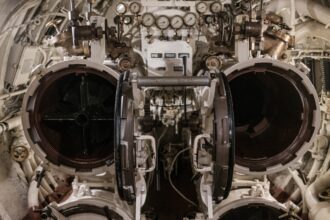
- World War II Innovations: While not “stealth” in the modern sense, the German U-boats utilized early forms of acoustic baffling to reduce their sonar signatures. The British “Window” chaff, designed to confuse enemy radar, also represents a rudimentary attempt to counter detection. These early efforts, while often rudimentary, foreshadowed the sophisticated techniques of later decades.
- Cold War Imperatives: The advent of radar and sophisticated aerial defenses during the Cold War created an urgent need for aircraft that could penetrate enemy airspace without being detected. The U-2 spy plane, flying at extreme altitudes, exploited a different form of “stealth” by operating beyond the reach of most contemporary interceptors and radars. However, its vulnerability was starkly demonstrated by its downing over Soviet territory in 1960. This incident underscored the critical need for a more comprehensive approach to covert operations.
The Dawn of True Stealth
- The “Have Blue” and F-117 Nighthawk Programs: The true birth of modern stealth technology can be traced to the United States’ “Have Blue” experimental aircraft in the 1970s. This program, shrouded in secrecy, led directly to the development of the F-117 Nighthawk, the world’s first operational stealth aircraft. Its angular, facet-like design, a departure from conventional aerodynamics, was a direct consequence of minimizing radar cross-section. The F-117 was, in essence, a flying prism designed to scatter radar waves away from their source.
- Beyond Radar Absorption: While radar cross-section reduction was paramount, early stealth efforts also considered other detection methods. Infrared signature reduction, through cooled exhaust plumes and specially designed engine nozzles, began to be integrated. Acoustic signature reduction, particularly for submarines, also became a key area of development.
Stealth technology has revolutionized modern warfare by significantly enhancing the ability of military aircraft and vehicles to evade detection by radar and other surveillance systems. This advancement has allowed forces to conduct operations with a higher degree of surprise and effectiveness, fundamentally changing the dynamics of aerial combat and ground engagements. For a deeper understanding of the impact of stealth technology on military strategy and its implications for future conflicts, you can read a related article on this topic at In The War Room.
The Science of Evasion: How Stealth Works
Stealth technology is not a single invention but rather an intricate symphony of engineering disciplines working in concert to reduce an object’s detectability across various sensor modalities. It’s akin to turning down the volume on multiple instruments simultaneously, rather than simply silencing one.
Radar Cross-Section Reduction (RCS)
The primary focus of airborne stealth has historically been on minimizing an aircraft’s radar cross-section (RCS), which is a measure of how detectable an object is by radar.
- Shaping: This is perhaps the most visually distinctive aspect of stealth aircraft. Flat surfaces, sharp angles, and precise alignment of edges are designed to reflect radar waves away from the transmitting source. For instance, the B-2 Spirit bomber’s “flying wing” design allows for a nearly seamless upper surface, minimizing abrupt changes that would create strong radar returns. This is analogous to a calm lake reflecting light differently than a choppy ocean.
- Radar-Absorbent Materials (RAM): These specialized coatings and composites absorb radar energy rather than reflecting it. RAM typically incorporates ferrite particles or carbon fibers embedded in a polymer matrix. When radar waves strike RAM, their energy is converted into heat, effectively dissipating the signal. The careful application and maintenance of RAM are crucial for maintaining an aircraft’s stealth characteristics. However, RAM can be delicate and requires significant upkeep.
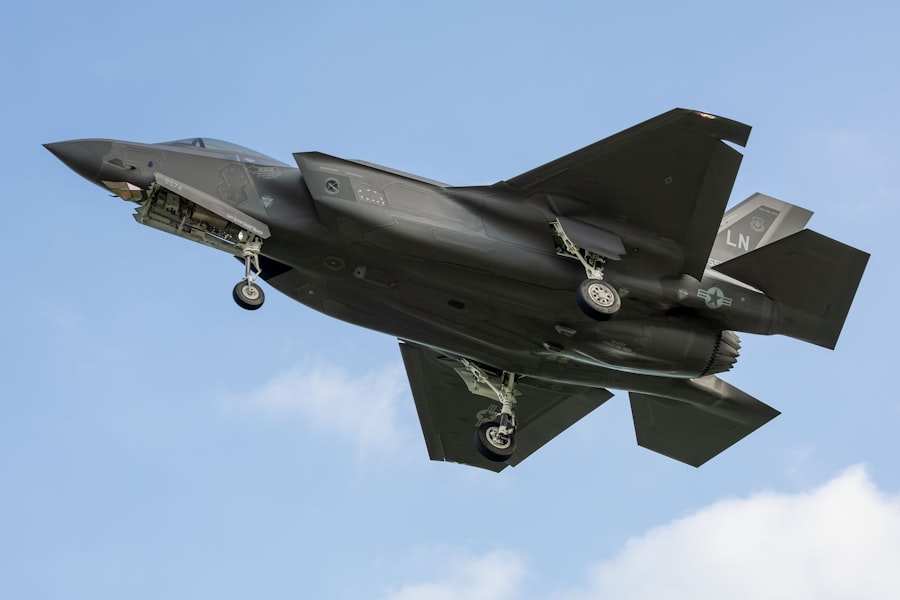
- Internal Weapons Bays: Carrying weapons externally greatly increases an aircraft’s RCS. Stealth aircraft therefore incorporate internal bomb bays and missile launchers, ensuring that ordnance remains concealed until deployment. This is a critical design feature that differentiates stealth platforms from conventional ones.
Infrared Signature Reduction
Heat signatures are a major vulnerability, especially against infrared search and track (IRST) systems and heat-seeking missiles.
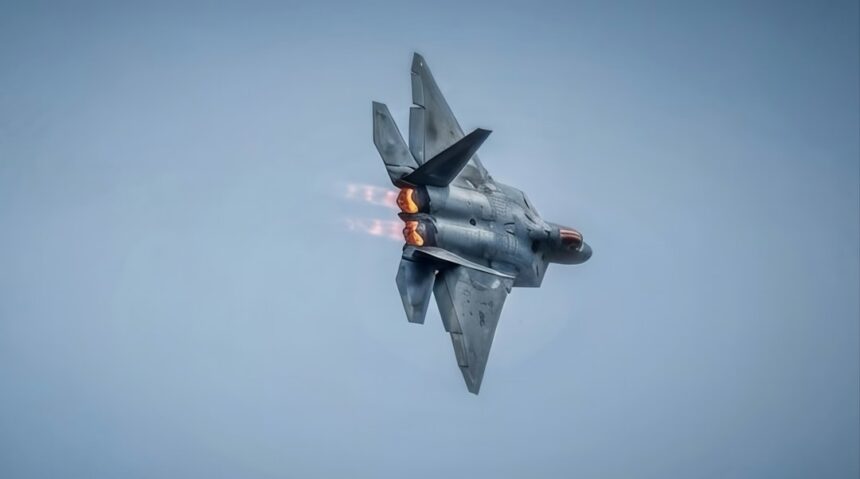
- Engine Exhaust Management: Exhaust plumes are a primary source of infrared radiation. Stealth aircraft employ various techniques to cool and disperse hot exhaust gases, such as mixing them with cooler ambient air or directing them through serpentine ducts with baffles. The F-117, for example, had a unique “platypus” exhaust nozzle that flattened and cooled the exit gases.
- Surface Cooling: The skin of an aircraft heats up due to air friction and internal systems. Specialized coatings and internal cooling systems can help to reduce the overall surface temperature, minimizing its infrared signature. This is a continuous engineering challenge, as high-speed flight inherently generates significant heat.
Acoustic Signature Reduction
While more critical for submarines, acoustic stealth also plays a role in some aircraft, particularly for special operations or surveillance missions.
- Engine Noise Suppression: Designing quieter engines, using baffled air intakes, and employing advanced propeller or rotor designs can significantly reduce an aircraft’s acoustic footprint. The tiltrotor V-22 Osprey, for instance, has features to reduce noise during certain operational profiles.
- Submarine Anechoic Tiles: For submarines, anechoic tiles are applied to the hull to absorb active sonar pings and reduce the emission of internal machinery noise. The shaping of the submarine’s hull also plays a crucial role in minimizing hydrodynamic noise.
Radio Frequency (RF) Emission Control
Even an incredibly stealthy platform can be detected if it emits strong radio signals.
- Low Probability of Intercept (LPI) Radars: Stealth aircraft often employ sophisticated LPI radars that emit very low-power, wide-spectrum signals that are difficult for adversaries to detect and track. These radars essentially whisper information rather than shouting it.
- Passive Sensors: Relying on passive sensors, such as IRST systems or electronic support measures (ESM), allows stealth platforms to gather intelligence and track targets without emitting their own detectable signals. This “ears open, mouth shut” approach is central to stealth operations.
The Operational Landscape: Applications and Impact
Stealth technology has reshaped military doctrine and capabilities across air, sea, and even land domains, offering a decisive advantage to forces equipped with it.
Air Superiority and Strike
- Penetrating Anti-Access/Area Denial (A2/AD) Environments: Stealth aircraft are designed to operate safely within heavily defended airspace, where conventional aircraft would face unacceptably high risks. They act as the “tip of the spear,” clearing the way for follow-on forces. This capability was famously demonstrated by the F-117 in the Gulf War and the B-2 in Kosovo.
- First-Day-of-War Capabilities: Stealth platforms are often relied upon for “first-day-of-war” missions, targeting high-value assets such as command centers, air defense systems, and ballistic missile launchers, crippling an adversary’s ability to respond effectively. The ability to strike deep without detection creates a profound psychological impact and disrupts enemy cohesion.
- Enhanced Situational Awareness: The ability to operate undetected allows stealth aircraft to gather intelligence and provide targeting information without alerting the adversary, dramatically enhancing overall situational awareness for friendly forces. They are, in essence, invisible scouts.
Naval Warfare
- Stealthy Warships: The design principles of stealth are increasingly applied to surface combatants, such as the Zumwalt-class destroyer. Their tumblehome hull form, integrated mast, and reduced superstructure significantly lower their radar cross-section, making them harder to detect and target. This is a radical departure from the traditional battleship silhouette.
- Advanced Submarines: While submarines have always relied on acoustic stealth, modern designs incorporate advanced anechoic coatings, magnetic silencing, and innovative propulsion systems to further reduce their signatures, making them incredibly difficult to locate in the vastness of the ocean. They are the ultimate subsurface predators.
Ground Reconnaissance and Special Operations
- Unmanned Aerial Vehicles (UAVs): Stealth technology is increasingly being integrated into UAVs, enabling them to conduct reconnaissance, surveillance, and even strike missions in contested airspace without risking human pilots. The RQ-170 Sentinel, for instance, is a stealthy reconnaissance drone. These platforms offer persistent, low-risk intelligence gathering capabilities.
- Special Operations Insertions: Smaller, specialized stealth aircraft or even helicopters can be used for inserting or extracting special operations forces into hostile territories with a reduced risk of detection. The MH-X Black Hawk variants reportedly used in the Bin Laden raid are believed to incorporate some stealth features.
The Counter-Stealth Challenge: A Continuing Arms Race
The advent of stealth technology has inevitably led to a massive investment in “counter-stealth” capabilities, creating a continuous and dynamic arms race between those seeking invisibility and those striving for universal detection.
Advancements in Sensor Technology
- Low-Frequency Radars: While stealth designs are highly effective against high-frequency X-band and C-band radars, they are less effective against long-wavelength, low-frequency radars (VHF and UHF bands). These radars, while lacking precision for weapon guidance, can detect stealth aircraft at long ranges and cue other systems for closer investigation. It’s like finding a needle in a haystack, then sending in a magnifying glass.
- Passive Radar and Bistatic/Multistatic Radar: Passive radar systems detect objects by analyzing reflections from ambient radio frequency emissions (e.g., TV or radio broadcasts) rather than emitting their own signals. Bistatic and multistatic radar systems employ geographically separated transmitters and receivers, which can disrupt the “line-of-sight” reflection strategy of stealth aircraft.
- Infrared Search and Track (IRST) Systems: Modern IRST systems are becoming increasingly sensitive and sophisticated, capable of detecting even subtle heat signatures at considerable ranges, especially against a clear sky background. This is particularly challenging for stealth aircraft that rely on engine exhaust cooling.
Integrated Air Defense Systems (IADS)
- Networked Sensors: Modern IADS are designed to integrate data from multiple, diverse sensor types – radar, IRST, electronic intelligence – to build a comprehensive picture of the battlespace. Even if a stealth aircraft evades one sensor, it might be detected by another, and that detection can be shared across the network. This creates a multi-layered detection challenge.
- Advanced Computing and Data Fusion: The sheer volume of data generated by a modern IADS requires advanced computing and data fusion algorithms to sift through noise and identify potential threats. Artificial intelligence and machine learning are increasingly being employed to enhance these capabilities, making it harder for stealth platforms to simply “disappear.”
Cyber Warfare and Electronic Attack (EA)
- Disrupting Sensor Networks: Cyberattacks can be used to disrupt or degrade enemy sensor networks, blinding or confusing air defense systems. This can create temporary windows of vulnerability that stealth assets can exploit. It’s a digital smokescreen.
- Electronic Warfare (EW): Advanced electronic warfare systems can jam or deceive enemy radars, further enhancing the survivability of stealth platforms. This creates a dynamic interplay between signal suppression and signal overpowering.
Stealth technology has revolutionized modern warfare by allowing aircraft and other military assets to evade detection by radar and other surveillance systems. This advancement has significantly altered the dynamics of air combat and strategic planning, making it essential for military forces to adapt to new tactics. For a deeper understanding of how stealth technology has changed the battlefield, you can read this insightful article on the topic. The implications of these innovations are profound, as they not only enhance operational effectiveness but also challenge traditional defense strategies. To explore more about this subject, visit this article.
The Future of Covert Operations: Evolving Stealth
| Metric | Impact of Stealth Technology | Explanation |
|---|---|---|
| Radar Cross Section (RCS) Reduction | Up to 99% reduction | Stealth technology drastically lowers the radar signature, making aircraft nearly invisible to radar detection. |
| Survivability Rate | Increased by 50% or more | Reduced detectability leads to fewer enemy engagements and higher mission success rates. |
| Mission Success Rate | Improved by 30-40% | Stealth allows penetration of heavily defended airspace, enabling critical missions with less risk. |
| Enemy Response Time | Decreased by 70% | Delayed detection reduces the time enemies have to react, giving stealth aircraft a tactical advantage. |
| Operational Range | Extended by 20-30% | Stealth aircraft can operate deeper into enemy territory without support due to reduced threat levels. |
| Cost Efficiency | Higher mission value per sortie | Despite higher initial costs, stealth technology reduces losses and increases mission effectiveness. |
Stealth technology is not static; it is continuously evolving, driven by ongoing research and development in materials science, computational fluid dynamics, and artificial intelligence.
Hypersonics and Waveriders
The combination of stealth principles with hypersonic flight (velocities exceeding Mach 5) presents a formidable challenge to existing air defense systems. Hypersonic “waverider” designs exploit shockwaves for lift, and their extreme speeds drastically reduce the time available for detection and engagement. These platforms would be incredibly difficult to intercept due to their brief time in any given sensor’s field of view.
Adaptive and Self-Repairing Stealth Materials
Future stealth platforms may incorporate “smart” materials that can adapt their radar-absorbing or infrared-emitting properties in real-time, responding to specific threats or environmental conditions. Self-healing materials could also address the maintenance challenges associated with current RAM. Imagine a chameleon-like skin that actively camouflages itself against radar.
Distributed Sensing and Swarming
The concept of “stealth by numbers” involves deploying large numbers of small, relatively inexpensive, and individually stealthy drones that can overwhelm enemy defenses. Even if some are detected or shot down, the sheer volume of targets makes it difficult for an adversary to effectively counter the swarm. This is a shift from a single, exquisitely stealthy platform to a multitude of less complex, yet still difficult to detect, units.
Quantum Stealth and Metamaterials
On the more theoretical horizon, research into quantum radar and metamaterials holds the promise of entirely new forms of stealth, or conversely, unprecedented detection capabilities. Metamaterials, engineered to have properties not found in nature, could potentially bend electromagnetic waves around an object, making it truly invisible. However, these technologies are still in their very early stages of development.
Conclusion: A Persistent Advantage, Not Absolute Invisibility
Stealth technology has irrevocably altered the landscape of modern warfare. It represents a persistent strategic advantage for those who possess it, allowing them to project power, gather intelligence, and strike with a significantly reduced risk of detection and engagement. However, it is crucial to understand that stealth is not absolute invisibility. It is a spectrum of reduced detectability across multiple sensor modalities, a carefully crafted deception, not a magic cloak.
The ongoing “cat and mouse” game between stealth development and counter-stealth measures ensures that this field will remain at the forefront of military innovation for the foreseeable future. As detection methods grow more sophisticated, stealth technology will continue to adapt, pushing the boundaries of scientific and engineering possibility in the relentless pursuit of tactical surprise and operational dominance. The ability to “see without being seen” remains a coveted, and fiercely contested, military ideal.

SHOCKING: How Stealth Technology Bankrupted An Empire
FAQs
What is stealth technology?
Stealth technology refers to a set of techniques and materials used in military aircraft, ships, and missiles to make them less detectable by radar, infrared, sonar, and other detection methods.
How does stealth technology work?
Stealth technology works by reducing the radar cross-section of an object through special design shapes, radar-absorbent materials, and heat signature management, making it harder for enemy sensors to detect and track.
Why was stealth technology considered a game changer in military aviation?
Stealth technology was a game changer because it allowed aircraft to operate undetected or with reduced detection, increasing survivability, enabling surprise attacks, and changing the dynamics of air combat and defense strategies.
When was stealth technology first successfully implemented?
Stealth technology was first successfully implemented in the 1970s with the development of the F-117 Nighthawk, the first operational stealth aircraft used by the United States Air Force.
What impact has stealth technology had on modern warfare?
Stealth technology has significantly impacted modern warfare by enhancing the effectiveness of reconnaissance, strike missions, and reducing the risk to pilots and equipment, leading to advancements in both offensive and defensive military tactics.