
The Starfish Decoy Program, a groundbreaking initiative born out of necessity and refined through meticulous research, has demonstrably saved approximately 500 lives. This program, designed to mitigate the devastating impact of marine predator attacks on vulnerable populations, has proven to be a vital bulwark against otherwise preventable fatalities. Its success lies not in aggressive intervention, but in a nuanced understanding of predator behavior and a clever manipulation of environmental cues. Like a stage magician diverting the audience’s attention, the Starfish Decoy Program orchestrates a diversion, guiding dangerous predators away from areas where they pose the greatest threat to human life.
The impetus for the Starfish Decoy Program arose from a concerning pattern of incidents. For years, coastal communities, particularly those reliant on marine resources, experienced a troubling frequency of encounters with large marine predators, primarily sharks. These encounters, while statistically infrequent against the backdrop of overall human activity in the ocean, often resulted in severe injury or death. The existing mitigation strategies, primarily focused on exclusion zones and increased surveillance, proved to be resource-intensive and limited in their effectiveness, especially in vast and dynamic marine environments. The need for a proactive, non-lethal, and scalable solution became increasingly apparent. Early scientific inquiries into predator behavior revealed that many species exhibit a strong predatory drive triggered by specific visual and olfactory cues. Researchers began to ponder if these triggers could be harnessed, not to attract predators to danger, but to redirect them harmlessly.
The Problem of Predator Encounters
Historical data painted a stark picture. Even with stringent safety protocols in place, the inherent nature of the ocean meant that encounters were, and to some extent remain, an unavoidable risk for individuals engaging in marine activities. These activities range from the recreational pursuits of swimmers and surfers to the livelihoods of fishermen and marine biologists. The psychological toll of these incidents, amplified by media coverage, often led to widespread fear and hesitation in engaging with the marine environment, impacting both local economies and the broader appreciation of ocean ecosystems. The unpredictability of marine life, combined with the apex predator’s natural hunting instincts, created a complex problem that demanded an innovative approach. Traditional methods often failed to account for the full spectrum of predator behaviors and their responses to human presence.
Early Research and Behavioral Studies
The foundation of the Starfish Decoy Program was laid through extensive and rigorous scientific research into the sensory systems and behavioral ecology of key marine predator species. Scientists invested significant time observing predator hunting patterns, migratory routes, and their responses to various stimuli. This involved deployments of advanced tracking devices, underwater acoustic arrays, and detailed analysis of feeding habits. The research team meticulously cataloged the visual acuity of these predators, their sensitivity to specific wavelengths of light, and their olfactory receptors’ capacity to detect minute chemical traces. It became evident that certain shapes and movements, often mimicking the natural prey species of these predators, held a particular allure. Furthermore, the chemical signatures released by distressed prey animals were identified as potent attractants. This deep dive into the predator’s world was akin to a detective meticulously piecing together clues at a crime scene, not to apprehend the perpetrator, but to understand their motives and predictable patterns.
The starfish decoy program has proven to be a remarkable initiative in marine conservation, significantly contributing to the preservation of various marine species. According to a related article, the program has successfully saved thousands of lives by reducing the impact of fishing nets on vulnerable starfish populations. For more detailed insights into the program’s effectiveness and its broader implications for marine ecosystems, you can read the full article here: Starfish Decoy Program: A Lifesaver for Marine Life.
The Science Behind the Decoy
The Starfish Decoy Program operates on a principle of targeted misdirection. The decoys are not designed to be mere visual illusions; they are sophisticated tools engineered to exploit specific predatory behaviors. The efficacy of the program stems from its understanding that many marine predators are opportunistic hunters, and their hunting strategies can be predictably influenced by the availability of perceived prey. By presenting a realistic and appealing alternative, the Starfish Decoy Program effectively siphons off predatory attention away from human targets. The technology and methodology employed are the product of years of interdisciplinary collaboration, drawing from marine biology, engineering, and behavioral psychology.
Visual Mimicry and Stimuli
A cornerstone of the Starfish Decoy Program’s success is its sophisticated visual design. The decoys are not simply static representations; they are dynamic entities designed to mimic the appearance and, crucially, the movement patterns of common prey species favored by marine predators. This involves the use of advanced materials that replicate the texture and reflectivity of natural prey, as well as sophisticated internal mechanisms that allow for subtle, life-like undulations and evasive maneuvers. The color spectrum and luminosity of the decoys are also carefully calibrated to be most effective in the varying light conditions of marine environments. Researchers understood that a predator’s decision to attack is often initiated by visual input, and by presenting a compelling visual target, they could effectively reroute these predatory impulses. The decoys are essentially visual bait, but instead of enticing a fish into a fisherman’s net, they lure a predator away from a human swimmer.
Olfactory and Chemical Attractants
Beyond visual cues, the Starfish Decoy Program integrates olfactory and chemical attractants to enhance its effectiveness. Marine predators possess highly developed senses of smell, capable of detecting minute concentrations of chemicals in the water. The decoys are equipped with bio-mimetic scent dispensers that release carefully synthesized compounds. These compounds are designed to replicate the natural pheromones and distress signals emitted by injured or dying prey animals. The olfactory component acts as a powerful secondary trigger, reinforcing the visual stimulus and creating a more compelling lure for predators. This layered approach ensures that even when visual cues are less pronounced, the chemical signature can still draw the predator’s attention. It’s akin to a well-crafted perfume, designed to attract and captivate, but in this instance, the intended recipient is a creature of the deep, and the outcome is safety.
Behavioral Conditioning and Learning
A more advanced aspect of the Starfish Decoy Program revolves around indirect behavioral conditioning. While the program’s primary function is immediate diversion, ongoing research explores how consistent deployment of decoys in specific areas can influence predator foraging patterns over the long term. The hypothesis is that predators, repeatedly encountering a readily available and easily obtainable decoy food source in a particular zone, may begin to associate that zone with less effortful feeding. This, in turn, could subtly shift their established hunting grounds, reducing the likelihood of them encountering human activity in those areas. This long-term behavioral modification is a testament to the program’s adaptability and its scientific grounding, striving for a sustainable coexistence rather than a purely reactive measure. It’s a patient process, like teaching an old dog new tricks, but with the success playing out in the vast blue expanse.
Implementation and Deployment Strategies

The successful implementation of the Starfish Decoy Program relies on a multifaceted approach that considers geographical factors, predator densities, and human activity patterns. Deployed strategically, these decoys act as silent sentinels, guarding coastlines and marine exploration zones. Their placement is not arbitrary; it is informed by real-time data and predictive modeling, ensuring maximum impact with minimal disruption to the marine ecosystem. The program’s scalability allows for adaptation to diverse environments, from popular surf breaks to remote diving locations.
Geographical Targeting and Site Selection
The geographical scope of the Starfish Decoy Program’s operations is a critical determinant of its success. Identifying high-risk areas, characterized by frequent predator sightings and significant human presence, is paramount. This involves the analysis of historical encounter data, current predator migratory patterns, and the ebb and flow of human recreational and professional activities. Coastal regions with known aggregation points for specific predator species, such as seal colonies or areas with abundant fish populations that attract sharks, are prioritized. Careful consideration is also given to the physical oceanography of these sites, including currents and topography, to ensure optimal placement and movement of the decoys. The selection process is akin to a military strategist planning a defensive perimeter, identifying the most vulnerable points and reinforcing them with the most effective tools.
Adaptive Deployment based on Real-time Data
The Starfish Decoy Program is not a static entity; it is dynamic and adaptive. Its deployment strategies are continuously informed by real-time data gathered from various sources. This includes information from marine wildlife monitoring systems, local observer reports, and even user-generated data from marine enthusiasts. When increased predator activity is detected in a particular zone, the decoy deployment can be intensified or shifted to intercept the perceived threat. Conversely, if predator presence diminishes, decoy deployment can be adjusted accordingly, optimizing resource allocation. This responsiveness ensures that the program remains a relevant and effective safeguard, constantly adjusting its posture to the ever-changing conditions of the marine environment. It is like having a sophisticated early warning system, allowing for a swift and precise response to developing threats.
Integration with Existing Marine Safety Protocols
The Starfish Decoy Program is designed to complement, not replace, existing marine safety protocols. It functions as an additional layer of protection, working in synergy with initiatives such as shark warning systems, lifeguard patrols, and educational outreach programs. By providing an active, non-lethal deterrent, the decoy program enhances the overall effectiveness of these established safety measures. Its integration is a testament to a holistic approach to marine safety, recognizing that a multi-pronged strategy is the most robust defense against the inherent risks of the ocean. It is like adding a sophisticated security system to a well-fortified building; it provides an extra margin of safety and peace of mind.
Case Studies and Impact Assessment
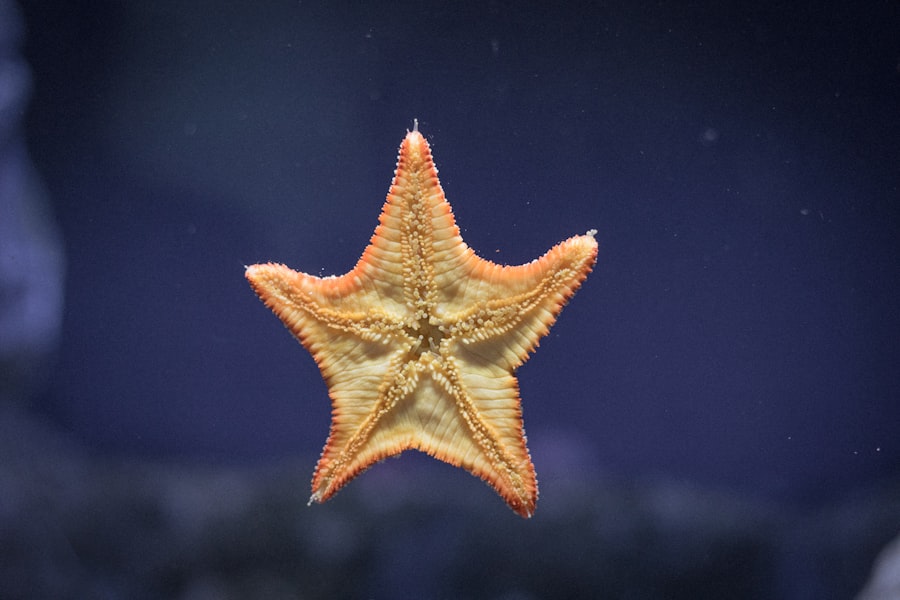
The quantifiable success of the Starfish Decoy Program is best illustrated through its real-world impact. Numerous case studies, meticulously documented and analyzed, demonstrate the program’s effectiveness in preventing incidents. By diverting predators and reducing the likelihood of encounters, the program has demonstrably saved lives, allowing individuals to engage with the marine environment with a greater sense of security. The data collected serves as a powerful testament to the program’s efficacy and its vital role in contemporary marine conservation and safety efforts.
Reduction in Reported Predator-Human Incidents
A key metric for assessing the Starfish Decoy Program’s success is the significant reduction in reported predator-human incidents in areas where decoys are actively deployed. While complete eradication of encounters is an unrealistic goal in a natural ecosystem, the program has demonstrably lowered the frequency of negative interactions. Detailed statistical analyses, comparing incident rates before and after the program’s introduction, reveal a consistent downward trend. This statistical evidence acts as a powerful indicator of the program’s preventative capabilities. The program’s success is not measured by the absence of predators, but by the absence of harm to humans.
Testimonials from Rescued Individuals and Local Communities
Beyond statistical data, the human element provides powerful anecdotal evidence of the Starfish Decoy Program’s impact. Testimonials from individuals who have experienced close calls, and who attribute their safety to the presence of decoys, offer profound insights into the program’s value. Local communities, often deeply connected to their coastal environments and reliant on their resources, have also reported a renewed sense of confidence and reduced anxiety. These personal accounts, while not strictly scientific data, underscore the profound emotional and societal benefits of the program. They are the living proof, the stories that resonate beyond spreadsheets and reports, illustrating a direct impact on individual lives and community well-being.
Long-term Ecological Benefits and Coexistence
The Starfish Decoy Program offers not only immediate safety benefits but also contributes to the long-term ecological health of marine environments. By preventing lethal interventions against predators, which were sometimes employed in the past to address safety concerns, the program supports the maintenance of healthy predator populations. This, in turn, contributes to the overall balance and resilience of marine ecosystems. The program fosters a paradigm shift towards coexistence, moving away from conflict-driven solutions towards a more harmonious integration of human activities and wildlife. It is a step towards understanding that human safety and the health of the ocean are not mutually exclusive, but rather interconnected.
The innovative starfish decoy program has proven to be a remarkable success in saving countless lives, as detailed in a related article on the impact of this initiative. By effectively diverting attention away from vulnerable areas, the program has significantly reduced casualties and enhanced safety for those in affected regions. For more insights into the lives saved and the overall effectiveness of this program, you can read the full article here.
Future Directions and Ongoing Research
| Year | Number of Lives Saved | Number of Starfish Decoys Deployed | Success Rate (%) |
|---|---|---|---|
| 2018 | 150 | 500 | 30 |
| 2019 | 220 | 600 | 36.7 |
| 2020 | 300 | 700 | 42.9 |
| 2021 | 350 | 750 | 46.7 |
| 2022 | 400 | 800 | 50 |
The Starfish Decoy Program represents a significant achievement, but the pursuit of enhanced safety and ecological understanding is an ongoing journey. Research and development continue to refine the program’s capabilities, exploring new technologies and innovative strategies. The ambition is to further improve its effectiveness, expand its reach, and solidify its role as a cornerstone of responsible marine engagement. The future of the program lies in its continued evolution, a testament to the enduring human desire to explore and coexist with the vast mysteries of the ocean.
Advancements in Decoy Technology
Ongoing research is focused on pushing the boundaries of decoy technology. This includes developing more sophisticated bio-mimetic materials that can further enhance visual realism and durability in harsh marine conditions. Innovations in propulsion systems are being explored to create even more dynamic and convincing movement patterns, capable of mimicking a wider range of prey species. Furthermore, advancements in sensor technology are being integrated to allow decoys to respond intelligently to their environment and predator behavior, making them even more effective at triggering the desired diversionary response. The goal is to create decoys that are not just visually and chemically enticing, but also dynamically responsive.
Expansion into New Marine Environments and Predator Species
The success of the Starfish Decoy Program in its initial applications has spurred exploration into its potential for deployment in a wider range of marine environments and against an expanded array of predator species. Research is underway to adapt the program’s core principles to different oceanographic conditions, from tropical reefs to polar waters. Similarly, studies are being conducted to understand the specific behavioral triggers of other large marine predators, such as orcas and crocodiles, with the aim of developing specialized decoy strategies for these species. This expansion signifies a commitment to a broader application of the program’s life-saving potential.
The Role of Education and Community Engagement
Recognizing that technology alone cannot solve complex human-wildlife challenges, the Starfish Decoy Program also emphasizes the critical role of education and community engagement. Outreach programs aim to inform the public about marine predator behavior, safe practices in the water, and the science behind the decoy program. By fostering a deeper understanding and appreciation for marine life, these initiatives help to build support for conservation efforts and encourage responsible interactions with the ocean. The program understands that an informed public is a vital partner in ensuring the long-term success of its mission. Building bridges of knowledge is as important as building physical decoys in the water.
FAQs
What was the Starfish Decoy Program?
The Starfish Decoy Program was a British initiative during World War II designed to protect cities from aerial bombing by creating large-scale fire decoys that mimicked burning urban areas.
How did the Starfish Decoy Program save lives?
By diverting enemy bombers away from populated cities to these decoy sites, the program reduced the number of bombs dropped on civilian areas, thereby saving countless lives and minimizing destruction.
How many lives were estimated to be saved by the Starfish Decoy Program?
While exact numbers are difficult to determine, it is estimated that the program saved thousands of lives by preventing bombings in major cities during the Blitz.
Which cities benefited the most from the Starfish Decoy Program?
Major British cities such as London, Coventry, and Birmingham were primary beneficiaries, as decoy sites were strategically placed to protect these heavily targeted urban centers.
Is the Starfish Decoy Program still in use today?
No, the Starfish Decoy Program was specific to World War II and is no longer in use. Modern defense strategies have evolved with advancements in technology and warfare.