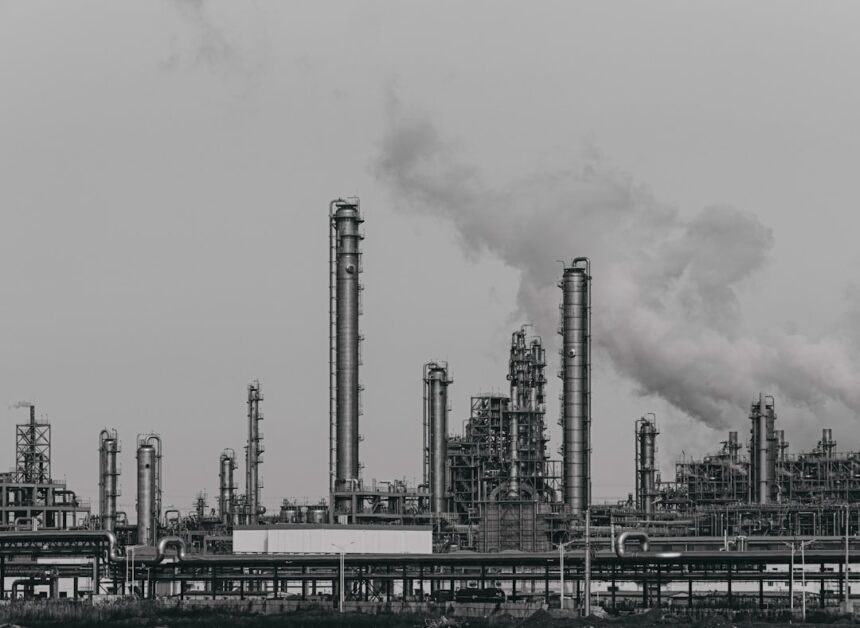
The intricate global network that facilitates the movement of specialty chemicals from their point of origin to their final application is a marvel of modern logistics. These chemicals, often characterized by their high value, complex manufacturing processes, and specialized functionalities, are the unseen architects of countless industries, from pharmaceuticals and advanced electronics to agriculture and construction. Their supply chains, however, are not immune to the growing threat of deliberate disruption. Sabotage, targeting the very arteries of production and distribution, presents a clear and present danger, with ramifications that can ripple far beyond the immediate impact. Understanding the nature of these threats and their cascading effects is paramount for safeguarding the integrity of these vital systems.
Before delving into the vulnerabilities, it is crucial to appreciate the intricate nature of specialty chemical supply chains. These are not monolithic entities but rather a series of interconnected nodes, each with its own unique set of risks and dependencies.
Raw Material Sourcing
The journey often begins with the meticulous sourcing of raw materials. These can be derived from natural resources, requiring extensive extraction and refinement processes, or produced through complex synthesis from more basic chemical building blocks.
Geographic Concentration of Resources
The reliance on specific geographic regions for certain key raw materials can create single points of failure. Geopolitical instability, environmental disasters, or deliberate interference in these regions can have immediate and severe consequences.
Quality Control and Purity Standards
Specialty chemicals demand exceptionally high purity. Any compromise in raw material quality can render entire batches unusable, leading to significant financial losses and production delays.
Manufacturing and Synthesis
The transformation of raw materials into specialty chemicals is a highly technical and often energy-intensive process. It involves sophisticated chemical reactions, precise temperature and pressure controls, and specialized equipment.
Proprietary Knowledge and Intellectual Property
The know-how behind the synthesis of many specialty chemicals is often guarded as a closely held trade secret. This intellectual property is a valuable asset and a potential target for espionage or outright destruction.
Production Facility Security
Manufacturing plants, especially those handling hazardous materials, are often targets for physical intrusion or cyberattacks aimed at disrupting operations. The potential for accidental release of dangerous substances adds another layer of risk.
Transportation and Logistics
Moving specialty chemicals across borders and continents requires a specialized and often highly regulated transportation network. This includes bulk carriers, tankers, specialized containers, and freight forwarders with expertise in handling hazardous goods.
Mode-Specific Vulnerabilities
Each mode of transportation faces unique challenges. Maritime shipping, for instance, is susceptible to piracy, port congestion, and container tampering. Air freight, while faster, is subject to stringent security checks and limited capacity. Rail and road transport can be impacted by infrastructure failures or direct blockades.
Cold Chain and Temperature Sensitivity
Many specialty chemicals require strict temperature control throughout their journey. A breach in the cold chain can lead to spoilage, degradation, or loss of efficacy, rendering the product worthless.
Warehousing and Storage
Secure and appropriate storage is vital for maintaining the integrity of specialty chemicals. These facilities must adhere to strict safety regulations regarding ventilation, fire suppression, and segregation of incompatible materials.
Inventory Management Systems
Sophisticated inventory management systems are crucial for tracking stock levels, expiration dates, and lot numbers. These digital systems are increasingly vulnerable to cyberattacks.
Environmental Controls
Maintaining specific environmental conditions, such as humidity or inert atmospheres, is often critical for preserving the quality of sensitive chemicals.
End-User Application and Integration
The final stage involves the delivery of the specialty chemical to its intended use, where it may be integrated into a larger manufacturing process or form part of a finished product.
Just-in-Time Delivery Models
The increasing reliance on just-in-time (JIT) delivery models, while efficient, leaves little room for error or disruption in the supply chain. Any delay at any point can halt production lines.
Downstream Product Impact
The failure of a single specialty chemical to arrive on time or in the correct specification can have catastrophic consequences for downstream industries, leading to product recalls, market share loss, and brand damage.
In recent discussions surrounding the vulnerabilities of the specialty chemical supply chain, an insightful article titled “Understanding the Risks of Supply Chain Sabotage” highlights the critical need for enhanced security measures. This piece delves into various strategies that companies can implement to safeguard their operations against potential threats, including cyberattacks and physical sabotage. For more information on this pressing issue, you can read the full article here: Understanding the Risks of Supply Chain Sabotage.
The Spectrum of Sabotage Threats
Sabotage is not a monolithic act. It can manifest in various forms, from subtle manipulation to overt destruction, each with its own unique modus operandi and intended outcome.
Physical Disruption
This involves direct action aimed at damaging or disabling physical infrastructure and assets within the supply chain.
Infrastructure Damage
Attacks on critical infrastructure, such as pipelines, rail lines, or port facilities, can create widespread and prolonged disruptions. Imagine a vital artery in the body becoming blocked; the entire organism suffers.
Facility Vandalism and Destruction
Targeting manufacturing plants, warehouses, or transportation hubs through acts of vandalism, arson, or explosive devices can halt operations and necessitate costly repairs or rebuilding.
Equipment Tampering and Malfunction
Subtly damaging or misconfiguring critical manufacturing or transportation equipment can lead to production errors, product contamination, or accidents, all while appearing as accidental failures.
Cyber Sabotage
In the digital age, the supply chain’s interconnectedness makes it a prime target for cyberattacks, aiming to disrupt or corrupt data and operational control systems.
Ransomware Attacks
Extortion through ransomware can cripple operations by encrypting critical data and demanding payment for its release. This can halt production, disrupt logistics, and compromise sensitive information.
Data Breach and Manipulation
Gaining unauthorized access to sensitive data, such as production schedules, customer lists, or proprietary formulations, can be used for economic espionage, market manipulation, or to facilitate further sabotage. Intentionally corrupting this data can lead to incorrect production runs, mislabeled shipments, or flawed research.
Disruption of Control Systems (SCADA/ICS)
Industrial control systems (ICS) and supervisory control and data acquisition (SCADA) systems manage the operation of manufacturing plants and logistics networks. Compromising these systems allows attackers to remotely alter processes, shut down machinery, or cause dangerous malfunctions.
Product Contamination and Tampering
This insidious form of sabotage involves introducing foreign substances or altering the composition of the chemical itself, posing direct risks to end-users and damaging reputational capital.
Intentional Adulteration
Introducing harmful or non-conforming substances into the chemical can lead to product failure, health hazards, or environmental damage. This is particularly concerning for chemicals used in pharmaceuticals, food additives, and medical devices.
Unauthorized Modification of Formulations
Altering the precise chemical composition can render the product ineffective or even dangerous for its intended application. This can lead to the failure of complex industrial processes or compromise the efficacy of medicines.
Tampering with Packaging and Labeling
Misleading or inaccurate labeling can lead to incorrect usage, potentially causing accidents or product spoilage. Tampered packaging can also facilitate further contamination or disguise illicit substitutions.
Supply Chain Interdiction
This involves preventing the flow of chemicals at various points in the chain, often through legal or quasi-legal means, or through brute force.
Import/Export Restrictions and Smuggling
Exploiting regulatory loopholes or engaging in illicit smuggling can disrupt legitimate supply chains and introduce unverified or potentially dangerous products.
False Alerts and Regulatory Interference
Fabricating false reports of safety violations or environmental hazards can trigger investigations and temporary shutdowns, creating artificial delays and market uncertainty.
Blockades and Diversions
Physical blockades of transportation routes or the diversion of shipments can effectively halt the movement of critical chemicals.
Motivations Behind Specialty Chemical Supply Chain Sabotage
The reasons for such targeted disruptions are diverse and often rooted in complex geopolitical, economic, or ideological agendas.
Economic Espionage and Competitive Advantage
Corporate Rivalry
Competitors may seek to gain an advantage by disrupting a rival’s supply chain, leading to lost sales, production delays, and reputational damage. This is a common tactic in industries where market share is fiercely contested.
Market Manipulation
Creating artificial shortages or oversupply through deliberate disruption can allow saboteurs to profit from price fluctuations, either by hoarding critical materials or by selling substandard alternatives.
Intellectual Property Theft
Sabotage can be a prelude to or a byproduct of efforts to steal proprietary manufacturing processes or chemical formulations, allowing rivals to replicate successful products without the investment in R&D.
Geopolitical and State-Sponsored Actors
Destabilization and Political Leverage
Nations may target the supply chains of rival countries to exert political pressure, disrupt critical industries, or sow discord and instability. Consider how cutting off a nation’s access to essential medical supplies could be a powerful weapon.
Economic Warfare
Disrupting a rival’s manufacturing or export capabilities can cripple their economy and undermine their global influence.
Terrorism and Ideological Extremism
Inflicting Mass Harm
Terrorist groups may target supply chains to acquire or deploy dangerous chemicals for use in attacks, or to cause widespread disruption and fear.
Anti-Industrial or Environmental Agendas
Extremist groups with anti-industrial or radical environmentalist ideologies may target chemical supply chains to protest against perceived environmental damage or unsustainable industrial practices.
Individual and Insider Threats
Disgruntled Employees
Individuals with insider knowledge, driven by revenge or dissatisfaction, can exploit their access to cause significant damage from within. Their proximity to the inner workings of the supply chain makes them particularly dangerous.
Criminal Elements
Organized crime syndicates may engage in sabotage to facilitate illicit activities, such as drug trafficking, or to eliminate competition in the black market for certain chemicals.
The Cascading Impacts of Sabotage
The consequences of specialty chemical supply chain sabotage extend far beyond the immediate disruption, creating a domino effect that can impact multiple sectors and society at large.
Economic Repercussions
Production Downtime and Lost Revenue
The most direct impact is the cessation of production for industries reliant on the sabotaged chemicals, leading to significant financial losses, idle workforces, and missed market opportunities.
Increased Costs and Inflation
Replacing disrupted supply lines, repairing damaged infrastructure, or investing in alternative sourcing can lead to substantial cost increases, which are often passed on to consumers in the form of higher prices. The ripple effect of inflation can be profound.
Supply Chain Resilience Costs
Companies will be compelled to invest heavily in enhancing their supply chain resilience, including diversification of suppliers, increased inventory levels, and advanced security measures, adding to operational overheads.
Market Volatility and Investor Confidence
The uncertainty and disruption caused by sabotage can lead to significant market volatility, impacting stock prices and eroding investor confidence in affected industries.
Societal Consequences
Public Health and Safety Risks
The most alarming impact involves chemicals used in healthcare, agriculture, and consumer goods. Sabotage can lead to shortages of essential medicines, compromised food safety, or the release of hazardous substances that endanger public health. Imagine a critical component for life-saving drugs vanishing from the market; the human cost can be immeasurable.
Environmental Damage
The accidental release of hazardous chemicals due to sabotage can cause widespread environmental contamination, impacting ecosystems, human health, and long-term ecological recovery.
Disruption of Essential Services
Many specialty chemicals are critical for maintaining essential services, such as clean water, energy production, and telecommunications. Disrupting these supply chains can have broad societal implications.
Erosion of Trust and Reputation
The integrity of a company or an entire industry can be severely damaged by sabotage, leading to a loss of consumer trust and a negative perception of the products and services they provide.
National Security Implications
Disruption of Defense Industries
Specialty chemicals are vital for the production of advanced weaponry, protective equipment, and other defense materials. Sabotage can compromise a nation’s defense capabilities.
Critical Infrastructure Vulnerability
The reliance of critical infrastructure on specific chemical inputs makes these sectors vulnerable to deliberate disruption, potentially leading to widespread power outages, communication failures, or transportation paralysis.
Economic Warfare and Geopolitical Instability
As mentioned earlier, targeted sabotage can be a tool of economic warfare, aimed at weakening a rival nation’s economy and potentially contributing to broader geopolitical instability.
In recent discussions about the vulnerabilities in the specialty chemical supply chain, a related article highlights the increasing risks of sabotage and its implications for global industries. The piece delves into how geopolitical tensions can lead to targeted disruptions, emphasizing the need for robust security measures. For more insights on this critical issue, you can read the full article here. This exploration of supply chain integrity is essential for understanding the broader impacts on manufacturing and safety standards.
Mitigating the Threats: Strategies for Resilience
| Metric | Description | Impact on Supply Chain | Mitigation Strategies |
|---|---|---|---|
| Frequency of Sabotage Incidents | Number of reported sabotage events per year in specialty chemical supply chains | Disrupts production schedules and delivery timelines | Enhanced surveillance, employee screening, and secure logistics |
| Average Downtime (days) | Average number of days production is halted due to sabotage | Leads to delayed shipments and loss of customer trust | Rapid incident response teams and contingency planning |
| Percentage of Compromised Shipments | Share of shipments affected by sabotage or tampering | Increases risk of product recalls and safety hazards | Tamper-evident packaging and supply chain audits |
| Financial Loss Due to Sabotage | Estimated annual losses from sabotage-related disruptions | Impacts profitability and investment in R&D | Insurance coverage and investment in cybersecurity |
| Detection Time (hours) | Average time taken to detect sabotage after occurrence | Longer detection increases damage and recovery costs | Real-time monitoring systems and AI-based anomaly detection |
The complex and multifaceted nature of specialty chemical supply chain sabotage necessitates a proactive and multi-layered approach to mitigation.
Enhanced Physical Security Measures
Site Hardening and Access Control
Implementing robust physical security measures at manufacturing facilities, warehouses, and transportation hubs, including advanced surveillance systems, intruder detection, and strict access control protocols.
Secure Transportation Protocols
Utilizing tamper-evident seals, GPS tracking, and dedicated security escorts for high-risk shipments, along with selecting transportation partners with proven security track records.
Cybersecurity Fortification
Robust Network Security
Implementing firewalls, intrusion detection and prevention systems, and regular vulnerability assessments to protect against cyber threats.
Employee Training and Awareness
Educating employees about cybersecurity best practices, phishing attempts, and the importance of reporting suspicious activities. Human error remains a significant vulnerability.
Supply Chain Visibility and Transparency
Real-time Monitoring and Data Analytics
Leveraging technology to gain end-to-end visibility into the supply chain, enabling real-time monitoring of shipments, inventory levels, and potential disruptions, and utilizing data analytics to identify anomalies and potential threats.
Collaborative Information Sharing
Fostering collaboration and information sharing among supply chain partners, including suppliers, manufacturers, logistics providers, and end-users, to create a collective defense against threats.
Diversification and Redundancy
Multi-Sourcing Strategies
Reducing reliance on single suppliers or geographic regions by diversifying sourcing strategies for raw materials and finished products.
Inventory Buffers and Strategic Stockpiling
Maintaining strategically located inventory buffers for critical chemicals to mitigate the impact of short-term disruptions, though this must be balanced against storage costs and shelf-life considerations.
Crisis Management and Business Continuity Planning
Comprehensive Emergency Response Plans
Developing detailed crisis management and business continuity plans that outline clear procedures for responding to various sabotage scenarios, including communication protocols, damage assessment, and recovery strategies.
Regular Drills and Simulations
Conducting regular drills and simulations to test the effectiveness of these plans and train personnel to respond efficiently and effectively under pressure.
Intelligence Gathering and Threat Assessment
Proactive Threat Intelligence
Investing in intelligence gathering capabilities to monitor emerging threats, identify potential saboteurs, and assess the evolving risk landscape.
Collaboration with Law Enforcement and Security Agencies
Building strong relationships with law enforcement and national security agencies to share information, coordinate responses, and leverage their expertise in combating sophisticated threats.
The integrity of specialty chemical supply chains is not merely an operational concern; it is a matter of national security, economic stability, and public well-being. The insidious nature of sabotage, with its potential for devastating consequences, demands unwavering vigilance and a commitment to building robust, resilient, and secure networks. By understanding the threats, their motivations, and their impacts, and by implementing comprehensive mitigation strategies, industries can strive to safeguard these vital arteries of modern commerce and ensure the continued availability of the essential chemicals that underpin our world.
FAQs
What is specialty chemical supply chain sabotage?
Specialty chemical supply chain sabotage refers to deliberate actions aimed at disrupting the production, distribution, or delivery of specialty chemicals. This can include tampering with raw materials, interfering with manufacturing processes, or targeting transportation and storage facilities to cause delays, contamination, or damage.
Why is the specialty chemical supply chain vulnerable to sabotage?
The specialty chemical supply chain is vulnerable due to its complexity, reliance on multiple suppliers, and the critical nature of the chemicals involved. Factors such as global sourcing, just-in-time inventory practices, and the use of hazardous materials increase the risk of intentional disruptions.
What are the potential consequences of sabotage in the specialty chemical supply chain?
Sabotage can lead to production downtime, financial losses, compromised product quality, safety hazards, and damage to a company’s reputation. It may also impact downstream industries that depend on specialty chemicals, causing broader economic and operational disruptions.
How can companies protect their specialty chemical supply chains from sabotage?
Companies can implement security measures such as rigorous supplier vetting, enhanced surveillance, employee training, cybersecurity protocols, and contingency planning. Regular risk assessments and collaboration with law enforcement and industry partners also help mitigate sabotage risks.
What role does technology play in preventing supply chain sabotage in the specialty chemical industry?
Technology plays a crucial role by enabling real-time monitoring, data analytics, and automated alerts to detect anomalies. Advanced tracking systems, blockchain for supply chain transparency, and cybersecurity tools help identify and prevent sabotage attempts before they cause significant harm.