
The discovery of “Ivy Bells,” the Soviet Union’s covert wiretapping operation on American undersea communication cables, sent shockwaves through the intelligence communities of both superpowers. The revelation, a testament to Soviet ingenuity and persistence in the Cold War’s shadows, forced a swift and complex response from Moscow. Understanding this response requires delving into the operational, technical, and strategic considerations that shaped the Soviet Union’s actions following this intelligence coup.
Upon learning of the successful penetration of American undersea communication lines, the initial reaction within the Soviet Union was a mixture of triumph and caution. For years, the KGB and its technical branches had poured resources and expertise into Project IVY BELL, a daring endeavor to tap into the very arteries of Western communication. The success was a vindication of their efforts, a significant blow struck against an adversary perceived as technologically superior in many areas.
Confirmation and Verification: Ensuring the Intel Was Real
Before any grand pronouncements or strategic shifts, a rigorous process of confirmation and verification was essential. Intelligence agencies are like alchemists, constantly seeking to transmute raw data into actionable intelligence. The existence, functionality, and extent of the “Ivy Bells” operation had to be definitively established.
Technical Confirmation of Cable Intercepts
The technical departments within the Soviet military and intelligence apparatus meticulously analyzed all incoming data from the underwater listening posts. This involved not only confirming the interception of signals but also assessing the clarity, volume, and type of information being gathered. Were the signals encrypted? Were the intercepts proving genuinely useful, or merely a cacophony of noise? This phase was akin to a surgeon confirming the diagnosis before proceeding with a delicate operation.
Political Assessment of American Awareness
Equally critical was gauging the extent of American awareness. Had the United States discovered the operation? And if so, how much did they know? The fear was that a premature exposure could lead to the sealing of the vulnerabilities, rendering years of effort obsolete. This assessment involved analyzing American media, diplomatic communiques, and, most importantly, the reports of Soviet moles and assets within Allied intelligence agencies.
Strategic Significance: The Prize Gleaned from the Depths
The strategic implications of “Ivy Bells” were immense. For the Soviet Union, it was like finding a secret key to the Western world’s inner sanctum. The ability to eavesdrop on confidential communications offered an unprecedented insight into the thinking, planning, and vulnerabilities of their primary geopolitical rival.
Unveiling American Decision-Making Processes
The intercepted communications provided a direct window into the intricacies of American national security decision-making. Discussions on military strategy, economic policy, diplomatic negotiations, and internal political maneuvering were laid bare. This allowed the Soviets to anticipate American actions and tailor their own responses with a degree of prescience previously unattainable. It was like being privy to a chess grandmaster’s private thoughts as they planned their next move.
Exploiting Diplomatic Levers and Negotiations
In the realm of diplomacy, “Ivy Bells” offered a significant advantage. Knowing the American negotiating position and their red lines in advance allowed the Soviets to approach international forums with a more informed and potentially advantageous stance. The information gleaned could be used to craft counter-proposals, exploit perceived weaknesses, or even selectively leak information to influence outcomes.
The Soviet Union’s reaction to the discovery of the Ivy Bells program was marked by a mix of intrigue and concern, as it highlighted the vulnerabilities in their submarine communications. This covert operation, which involved tapping into underwater cables, raised alarms within Soviet intelligence circles about the effectiveness of their security measures. For a more in-depth analysis of the implications of Ivy Bells and its impact on Cold War dynamics, you can read the related article at this link.
Operational Continuity: Safeguarding the Golden Goose
The discovery of “Ivy Bells” was not a moment for radical change, but rather for meticulous safeguarding. The operation was a goldmine of intelligence, and its continued secrecy and functionality were paramount. The Soviet response, therefore, focused on bolstering its defenses and ensuring its longevity.
Enhancing Security and Counter-Espionage Measures
The primary objective was to prevent any further exposure or compromise of the operation. This necessitated a tightening of security protocols and an intensification of counter-espionage efforts.
Secrecy Protocols and Information Control
Strict information control was implemented. Only a select group of individuals with the highest security clearances would have access to the details of “Ivy Bells.” This created an information fortress, ensuring that the operation’s existence remained a phantom to the vast majority of the Soviet apparatus, just as it was to the Americans. Any leak of this information would be akin to a breach in the dam, leading to an uncontrollable flood of unwanted knowledge.
Active Counter-Intelligence Against U.S. Probes
The KGB actively worked to identify and neutralize any American intelligence efforts aimed at uncovering the operation. This involved a relentless hunt for double agents, technical reconnaissance of potential American surveillance locations, and the dissemination of disinformation to mislead any investigative probes. It was a constant shadow boxing match, where each move was designed to obscure one’s own position while attempting to divine the opponent’s.
Technical Augmentation and Improvement
While the existing technology was proven, the Soviets understood that technological superiority was a moving target. Continuous improvement was essential to maintain their advantage and adapt to potential advancements by the Americans.
Upgrading Interception and Analysis Capabilities
Investment was channeled into improving the existing interception technology, aiming for clearer signal acquisition and faster data processing. Sophisticated analytical tools were developed to sift through the vast amounts of intercepted material more efficiently, identifying patterns and extracting crucial intelligence. This was like upgrading a telescope to see even further into the cosmic depths.
Developing Counter-Measures to U.S. Defenses
The Soviets anticipated that the United States, upon realizing its vulnerability, would likely attempt to harden its cables and develop countermeasures. Therefore, research and development were initiated to counter these potential defenses, ensuring that “Ivy Bells” would remain effective even in the face of American technological evolution.
Strategic Maneuvering: Leveraging the Intelligence Advantage

The intelligence gained from “Ivy Bells” was not merely to be collected; it was to be strategically wielded. The Soviet Union aimed to exploit this advantage to achieve its broader foreign policy and military objectives.
Influencing Global Geopolitics
The insights provided by intercepted communications allowed for a more nuanced and effective approach to international relations.
Shaping Perceptions and Public Opinion
By understanding American discourse and anxieties, the Soviets could craft their own messaging to influence global perceptions. This could involve subtly shaping narratives in allied nations or even within the United States itself, creating doubt or fostering division. It was a chess game played not just on the board, but also in the minds of the onlookers.
Diplomatic and Political Pressure Points
The knowledge of American sensitivities and internal debates provided leverage in diplomatic negotiations. The Soviets could apply pressure at precisely the right moments, knowing the American response or concessions that might be acceptable or even unavoidable. This allowed them to steer dialogues in directions favorable to Soviet interests.
Military Preparedness and Posture
The intelligence from “Ivy Bells” significantly contributed to the Soviet Union’s military planning and operational readiness.
Gaining Insights into U.S. Military Intentions
Understanding American military deployments, strategic exercises, and weapons development allowed the Soviets to adjust their own military posture and strategic planning accordingly. This was crucial for maintaining parity and deterring potential aggression. It was like having an x-ray vision into the adversary’s military barracks.
Anticipating Developments in Arms Control Negotiations
In the realm of arms control, knowing the United States’ true intentions and negotiating red lines provided a significant advantage. The Soviets could enter these complex negotiations with a clearer understanding of what was achievable and what was not, potentially forcing more favorable outcomes. This intelligence was a powerful tool in the intricate dance of nuclear deterrence.
The Long Shadow: The Lasting Impact and Legacy
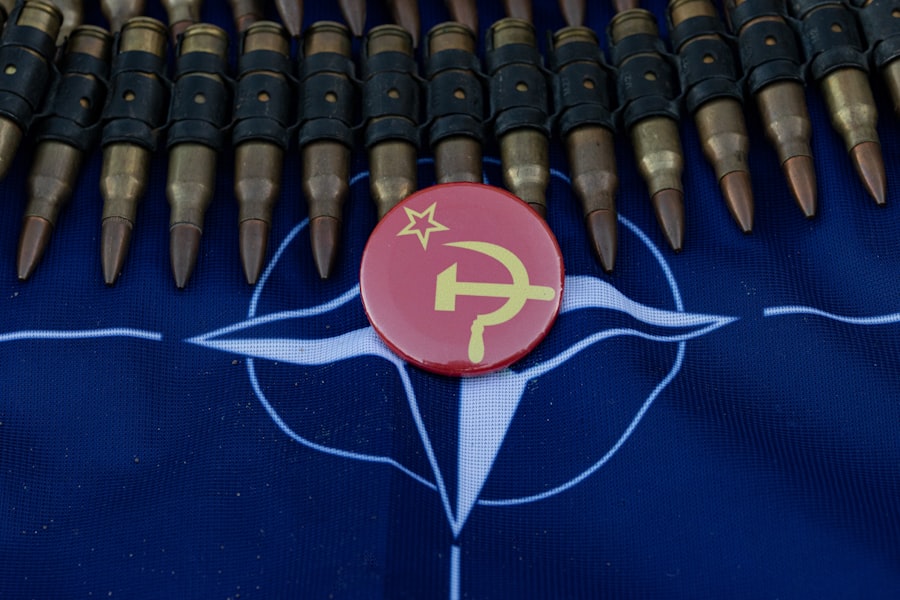
The “Ivy Bells” operation, while ultimately revealed and compromised, cast a long shadow over the Cold War. Its discovery and the Soviet response highlight the sophisticated and often clandestine nature of superpower rivalry.
The Arms Race of Information
“Ivy Bells” was a striking example of the “arms race of information” that characterized the Cold War. Both sides continually sought to gain an advantage through intelligence gathering, and the discovery of such operations fueled further innovation and counter-innovation on both sides. The development of new cryptographic methods and anti-eavesdropping technologies was accelerated by such revelations.
The Ethical and Legal Quandaries
Such covert operations raise significant ethical and legal questions about state sovereignty and the boundaries of espionage. The act of unilaterally tapping into another nation’s communication infrastructure is a profound violation of privacy and trust, even within the context of intense geopolitical rivalry. The Soviet response, focused on continuing and protecting the operation, further underscored the pragmatic and often amoral calculus of superpower politics during this era.
The Unseen Battlefield
The “Ivy Bells” story underscores the existence of an unseen battlefield, one fought not with missiles and tanks, but with code, algorithms, and the relentless pursuit of knowledge. The Soviet Union’s response to the discovery of this operation was a testament to their strategic acumen, their technical prowess, and their unwavering commitment to gaining an intelligence edge in the protracted struggle for global influence. The echoes of “Ivy Bells” served as a stark reminder that the Cold War was a multifaceted conflict, with victories and defeats often occurring in the silent, invisible currents of information.
WARNING: The $35,000 Betrayal That Blinded America
FAQs
What was the Ivy Bells project?
The Ivy Bells project was a secret U.S. Navy operation during the Cold War that involved tapping underwater Soviet communication cables in the Sea of Okhotsk to gather intelligence.
How did the Soviet Union discover the Ivy Bells tapping?
The Soviet Union discovered the Ivy Bells tapping in the mid-1970s after one of their naval vessels detected unusual underwater activity near their communication cables, leading to an investigation that uncovered the U.S. tapping device.
What was the Soviet Union’s reaction to the discovery of Ivy Bells?
The Soviet Union reacted with outrage and increased security measures, including enhancing the protection of their underwater communication lines and intensifying counterintelligence efforts against U.S. espionage activities.
Did the discovery of Ivy Bells affect U.S.-Soviet relations?
Yes, the discovery heightened tensions between the U.S. and the Soviet Union during the Cold War, contributing to mutual distrust and impacting diplomatic and intelligence interactions.
What measures did the U.S. take after the Soviets found out about Ivy Bells?
After the discovery, the U.S. ceased the Ivy Bells operation, reassessed its intelligence-gathering methods, and increased efforts to protect its own communications from similar Soviet espionage activities.