The intricate and often clandestine world of Soviet Union Naval Intelligence, a vital arm of the broader Soviet intelligence apparatus, operated as a shadow player on the global stage. Its mission, shrouded in secrecy and executed with ruthless efficiency, was to provide the Kremlin with accurate, timely, and actionable intelligence concerning naval threats, capabilities, and intentions of potential adversaries, primarily NATO. This article delves into the operational methodologies, technological advancements, and strategic significance of Soviet Naval Intelligence, offering “real-time updates” as if one were observing its activities during the Cold War.
The origins of Soviet Naval Intelligence can be traced back to the early days of the Red Navy, evolving from rudimentary information gathering to a sophisticated, multi-faceted organization. Its development was intrinsically linked to the Soviet Union’s post-World War II ambition to become a global naval power, challenging Western dominance on the high seas.
Early Development and Ideological Underpinnings
Initially, the focus was on internal security and political reliability within the nascent Soviet fleet. However, as the Cold War intensified, the scope broadened significantly. The ideological imperative of safeguarding the socialist state and countering capitalist encirclement fueled an insatiable demand for intelligence. Every piece of information, no matter how seemingly insignificant, was meticulously collected and analyzed within this ideological framework. This period saw the establishment of dedicated intelligence departments within naval commands and the nascent recruitment of specialized personnel.
The Great Patriotic War and Its Legacy
The Second World War, or the Great Patriotic War as it is known in Russia, profoundly impacted the development of Soviet intelligence. While less prominent than ground forces intelligence, naval intelligence played a crucial role in assessing enemy naval movements, supporting convoy operations, and planning coastal defenses. The lessons learned in coordinating intelligence efforts, maintaining secure communications, and conducting covert operations were invaluable. After the war, these experiences informed the restructuring and expansion of naval intelligence, setting the stage for its Cold War prominence.
The importance of real-time naval intelligence during the Soviet Union era cannot be overstated, as it played a crucial role in shaping maritime strategies and operations. For a deeper understanding of this topic, you can explore the article titled “Soviet Naval Intelligence: Strategies and Implications” which discusses the methodologies and technologies employed by the Soviet Navy to gather and analyze intelligence. To read more about this fascinating subject, visit this link.
Operational Modalities: Eyes and Ears of the Fleet
Soviet Naval Intelligence employed a diverse array of methods to gather information, ranging from overt observation to clandestine infiltration. These modalities were constantly refined and adapted to counter evolving Western countermeasures.
Human Intelligence (HUMINT) Operations
HUMINT constituted the backbone of Soviet intelligence, and naval intelligence was no exception. Agents, often under diplomatic cover or embedded within foreign maritime industries, sought to acquire sensitive information.
Recruitment and Training of Agents
The recruitment process was rigorous, targeting individuals with access to valuable intelligence, often through ideological conviction, financial coercion, or blackmail. Training encompassed espionage tradecraft, advanced communication techniques, and the psychological fortitude required for deep-cover operations. These agents were the living conduits through which whispers became intelligence reports.
Case Studies: Notable Operations (Hypothetical Exemplars)
Imagine a scenario: “Operation Seawolf,” where a seemingly unassuming dockworker in a NATO naval base provides blueprints of a new submarine, or “Operation Deep Veil,” involving a diplomat’s attaché discreetly acquiring encrypted communication frequencies. While specific named operations remain largely classified, the historical record is replete with instances of Soviet agents successfully penetrating Western institutions. These operations were intricate tapestries woven with patience, deception, and calculated risk.
Signals Intelligence (SIGINT) and Electronic Warfare (EW)
The advent of the electronic age revolutionized intelligence gathering. SIGINT, the interception and analysis of electronic signals, became a cornerstone of Soviet Naval Intelligence.
Coastal and Shipborne Interception Capabilities
Along the vast Soviet coastline, numerous listening posts tirelessly scanned the electromagnetic spectrum. Similarly, dedicated ‘AGI’ (Auxiliary General Intelligence) vessels, disguised as fishing trawlers or research ships, bristled with antennas, their crews meticulously recording and analyzing emissions from Western naval vessels and shore installations. These ships were the silent fishermen of the airwaves, constantly casting their nets for valuable signals.
The Role of ELINT and COMINT
Electronic Intelligence (ELINT) focused on non-communicative electromagnetic emissions, such as radar signals and weapon guidance systems. This provided crucial insights into sensor capabilities, operational parameters, and tactical doctrines. Communication Intelligence (COMINT), on the other hand, targeted enemy communications, striving to decrypt and understand the content of messages. These two disciplines were the analytical engine that transformed raw data into actionable intelligence, revealing the very pulse of adversary operations.
Reconnaissance and Surveillance
Direct observation, both overt and covert, played a vital role in understanding adversary capabilities and deployments.
Satellite and Aerial Reconnaissance
Soviet spy satellites, equipped with advanced光学设备 and synthetic aperture radars, provided a panoramic view of naval bases, shipbuilding yards, and fleet movements. High-altitude reconnaissance flights by aircraft like the Tu-95RT Bear D also contributed to this overhead perspective, often shadowing NATO naval exercises. These were the distant, unblinking eyes gazing down from the heavens.
Submarine Reconnaissance Missions
Perhaps the most iconic form of naval reconnaissance involved submarines. These silent hunters stealthily approached foreign naval bases, conducting periscope observations, collecting acoustic signatures, and deploying specialized sensors to map seabed topography and detect underwater sensor arrays. These missions were perilous, often venturing into hostile waters, but the intelligence yield was invaluable. A submarine on a reconnaissance mission was a ghost in the depths, gathering secrets without a whisper.
Technological Advancements and Countermeasures

The Cold War was an arms race of both weapons and intelligence technology. Soviet Naval Intelligence continually sought to leverage technological advancements while simultaneously developing countermeasures to Western intelligence efforts.
Cryptography and Secure Communications
The struggle for secure communication was central to intelligence operations. Soviet cryptographers worked tirelessly to develop unbreakable codes for their own communications while simultaneously attempting to crack Western ciphers.
Evolution of Soviet Cryptographic Systems
From simple substitution ciphers to complex polyalphabetic and one-time pad systems, Soviet cryptography evolved in response to mathematical advancements and the increasing sophistication of Western code-breaking efforts. Maintaining secure internal channels was paramount to protecting agent networks and operational plans. This was a continuous intellectual battle fought in the abstract realm of mathematics and algorithms.
Efforts to Decrypt Western Communications
Simultaneously, massive resources were poured into decrypting Western communications. Supercomputers and specialist linguists worked in concert to break diplomatic, military, and naval codes. Even partial decrypts could provide significant strategic advantages, revealing impending movements or intentions. Every intercepted, encrypted message was a puzzle, its solution a potential stroke of strategic genius.
Anti-Submarine Warfare (ASW) Intelligence
Understanding and countering NATO’s formidable submarine fleets was a perennial focus for Soviet Naval Intelligence.
Acoustic Signatures and Oceanography
The silent world beneath the waves was a battlefield of sound. Soviet intelligence meticulously collected and analyzed the acoustic signatures of Western submarines, classifying their unique “fingerprints.” This data was fed into sophisticated hydroacoustic arrays and sonar systems. Furthermore, a deep understanding of oceanographic conditions – temperature layers, salinity, and seabed topography – was crucial for both detecting and evading submarines. The ocean itself was a complex medium, its secrets needing to be unlocked.
Countermeasures Against Western ASW Efforts
Soviet naval intelligence also provided vital insights into NATO’s ASW tactics, technologies, and deployment patterns. This intelligence informed the development of quieter Soviet submarines, advanced decoy systems, and operational doctrines designed to evade detection. It was a constant game of cat and mouse, where information was the ultimate weapon.
Strategic Impact and Legacy
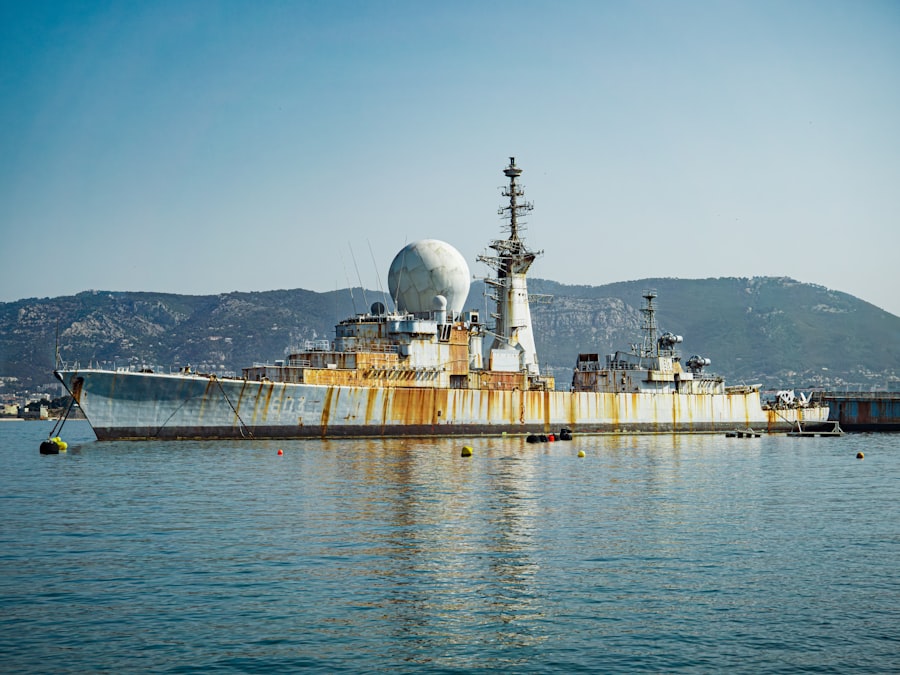
The influence of Soviet Naval Intelligence permeated all levels of Soviet military planning and foreign policy, shaping strategic decisions and projecting Soviet power.
Informing Naval Doctrine and Force Structure
The intelligence gathered directly impacted the design of Soviet warships, the development of weapon systems, and the strategic deployment of the fleet. For instance, detailed knowledge of NATO carrier battle group vulnerabilities informed the development of long-range anti-ship missile systems. Intelligence was the architect of the future fleet.
Contributing to Global Power Projection
By providing real-time assessments of global naval balances and potential flashpoints, Soviet Naval Intelligence facilitated the projection of Soviet naval power into distant waters. This allowed the Soviet Union to challenge Western influence and support client states, transforming the Soviet Navy into a true blue-water force. Naval intelligence, therefore, was not merely an observer but an enabler of geopolitical ambition.
The Post-Cold War Transition and Continuing Relevance
With the collapse of the Soviet Union, its vast intelligence apparatus, including naval intelligence, underwent significant restructuring. While the Cold War era of “real-time updates” as described is firmly in the past, the methodologies and lessons learned continue to inform modern Russian naval intelligence practices. The legacy of its operational successes and failures serves as a historical blueprint, reminding us of the enduring importance of intelligence in an ever-complex geopolitical landscape. The shadow player has retreated, but its techniques and the strategic importance of its mission remain a testament to its profound historical impact.

SHOCKING: How the KGB Read Our Nuclear Codes for 18 Years
FAQs
What was the primary purpose of Soviet Union real-time naval intelligence?
Soviet Union real-time naval intelligence aimed to monitor and analyze naval activities of potential adversaries, providing timely information to support strategic and tactical decision-making during the Cold War.
How did the Soviet Union collect real-time naval intelligence?
The Soviet Union used a combination of satellite reconnaissance, signals intelligence (SIGINT), electronic surveillance, and naval patrols to gather real-time data on foreign naval movements and communications.
Which Soviet agencies were responsible for naval intelligence operations?
The main agencies involved were the Main Directorate of the General Staff (GRU), responsible for military intelligence, and the KGB, which handled counterintelligence and some naval intelligence functions.
What technologies did the Soviet Union employ for real-time naval intelligence?
Technologies included ocean surveillance ships equipped with electronic sensors, reconnaissance satellites, underwater listening devices, and advanced radio interception equipment to track naval vessels and communications.
How did Soviet real-time naval intelligence impact Cold War naval strategy?
It allowed the Soviet Navy to track NATO naval deployments, anticipate potential threats, and coordinate its own fleet movements, thereby enhancing its strategic posture and readiness during the Cold War.