The Cold War was a period of geopolitical tension between the Soviet Union and the United States that lasted from 1947 to 1991. This conflict was defined by ideological opposition between Western capitalism, led by the United States, and Eastern communism, dominated by the Soviet Union. The rivalry between these superpowers took multiple forms, including military expansion, intelligence operations, and conflicts fought through allied nations rather than direct confrontation.
The nuclear arms race became a central feature of this period, with both nations developing extensive arsenals of atomic weapons. This military competition created heightened security concerns and drove substantial investment in intelligence agencies and surveillance technologies on both sides. Maritime domains emerged as strategically important areas during the Cold War.
Ocean territories provided opportunities for naval operations, intelligence collection, and power projection far from national borders. The Soviet Union prioritized submarine fleet expansion as part of its military modernization efforts, viewing underwater capabilities as essential for countering NATO naval forces and extending Soviet influence internationally. These submarine programs became integral components of Cold War military strategy and significantly influenced naval doctrine and international maritime security policies throughout the conflict period.
Key Takeaways
- Soviet submarine surveillance in the Atlantic was a critical aspect of Cold War naval strategy.
- NATO developed advanced detection and counter-submarine tactics in response to Soviet operations.
- Technological advancements in submarine design and surveillance shaped underwater warfare dynamics.
- These surveillance activities significantly influenced Cold War international relations and military policies.
- Declassified documents reveal the extent and impact of Soviet submarine intelligence efforts and inform modern naval strategy.
Soviet Submarine Fleet
The Soviet submarine fleet emerged as one of the most formidable components of the Soviet military during the Cold War. By the 1960s, the fleet had evolved from a modest collection of diesel-electric submarines to a sophisticated array of nuclear-powered vessels capable of long-range missions. This transformation was driven by advancements in technology and a strategic imperative to counterbalance NATO’s naval forces.
The Soviet Union invested heavily in developing submarines that could carry ballistic missiles, thereby enhancing its second-strike capability in the event of a nuclear conflict. The diversity within the Soviet submarine fleet was notable. It included attack submarines designed for anti-ship and anti-submarine warfare, as well as ballistic missile submarines intended for strategic deterrence.
The introduction of nuclear-powered submarines marked a significant leap in operational capabilities, allowing these vessels to remain submerged for extended periods without surfacing. This technological edge enabled the Soviet Union to conduct covert operations in international waters, gathering intelligence on NATO movements while remaining undetected. The expansion and modernization of the submarine fleet were emblematic of the broader military strategy employed by the Soviet Union during this tumultuous period.
Atlantic Surveillance Operations
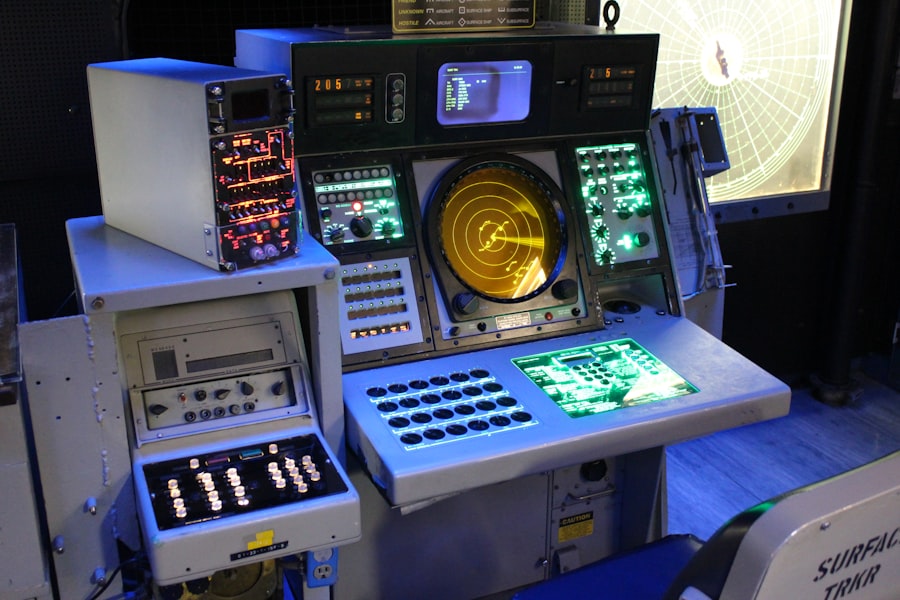
As tensions escalated during the Cold War, Atlantic surveillance operations became increasingly vital for both NATO and the Soviet Union. The North Atlantic Ocean served as a critical corridor for military logistics and troop movements, making it a focal point for intelligence-gathering efforts. The Soviet Union deployed its submarines to monitor NATO naval activities, track shipping routes, and gather information on military exercises.
These operations were often conducted under the cover of darkness, utilizing advanced sonar technology to detect enemy vessels while minimizing their own acoustic signature. NATO responded to these surveillance operations with its own countermeasures. The alliance established a network of anti-submarine warfare (ASW) capabilities, including surface ships, aircraft, and underwater sensors designed to detect and neutralize potential threats from Soviet submarines.
The competition for dominance in the Atlantic became a high-stakes game of cat and mouse, with both sides employing increasingly sophisticated tactics to outmaneuver one another. This ongoing struggle not only shaped naval strategy but also influenced broader military planning and resource allocation within both NATO and the Soviet Union.
NATO Response
In response to the growing threat posed by the Soviet submarine fleet, NATO implemented a multi-faceted strategy aimed at bolstering its own maritime defenses. Recognizing that submarines could potentially disrupt supply lines and threaten coastal installations, NATO invested in advanced anti-submarine warfare technologies and training programs. This included the development of specialized aircraft equipped with sonar systems capable of detecting submarines from the air, as well as surface vessels designed specifically for ASW operations.
Moreover, NATO’s response involved enhancing cooperation among member states to create a unified front against potential Soviet incursions. Joint exercises were conducted regularly to improve interoperability among allied forces and test new tactics in submarine detection and engagement. The establishment of dedicated ASW task forces allowed NATO to maintain a constant presence in key maritime areas, ensuring that any Soviet submarine activity would be met with a swift and coordinated response.
This collective effort underscored the importance of unity within NATO during a time when the threat of conflict loomed large.
Submarine Technology
| Metric | Details |
|---|---|
| Time Period | Cold War Era (1947-1991) |
| Primary Objective | Surveillance and tracking of NATO naval forces in the Atlantic Ocean |
| Number of Submarines Deployed | Approximately 50-70 active submarines at peak |
| Types of Submarines | Diesel-electric (Foxtrot, Tango classes), Nuclear-powered (November, Victor, Alfa classes) |
| Monitoring Techniques | Passive sonar, active sonar, electronic intelligence (ELINT), signal interception |
| Key Monitoring Areas | North Atlantic shipping lanes, GIUK gap (Greenland-Iceland-UK), US East Coast approaches |
| Notable Incidents | 1981: Soviet submarine K-219 incident near Bermuda; frequent NATO submarine shadowing |
| Impact on NATO | Increased anti-submarine warfare (ASW) efforts and technological advancements |
| End of Monitoring | Declined after 1991 with the dissolution of the Soviet Union |
The technological advancements in submarine design and capabilities during the Cold War were nothing short of revolutionary. The introduction of nuclear propulsion systems allowed submarines to operate at greater depths and for longer durations than ever before. This shift not only enhanced their stealth capabilities but also expanded their operational range, enabling them to conduct missions far from their home ports without the need for refueling.
Additionally, advancements in sonar technology improved detection capabilities, allowing submarines to identify enemy vessels with greater accuracy. The development of missile systems further transformed submarine warfare. The integration of ballistic missile systems into submarines provided nations with a powerful deterrent against potential adversaries.
These submarines could launch missiles from underwater positions, making them difficult to target and increasing their survivability in a nuclear conflict scenario. As both NATO and the Soviet Union raced to develop more advanced submarine technologies, the stakes grew higher, leading to an arms race that would have lasting implications for global security.
Strategic Importance
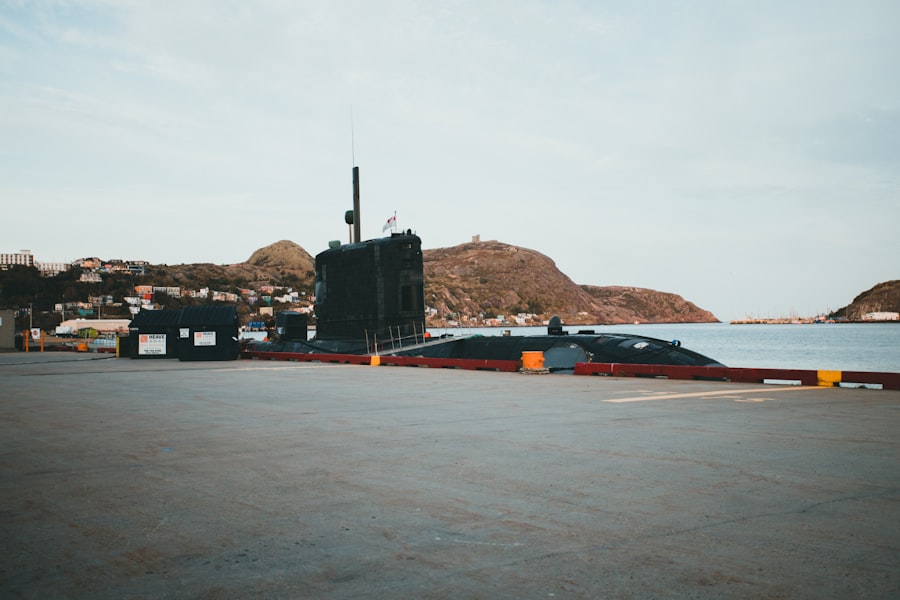
The strategic importance of submarines during the Cold War cannot be overstated. They served as a critical component of national defense strategies for both superpowers, providing a means of deterrence against potential attacks. The ability to launch nuclear missiles from submerged platforms added an element of unpredictability to military planning, complicating calculations for both sides.
Submarines became symbols of national power, representing technological prowess and military capability on the global stage. Furthermore, submarines played a vital role in intelligence-gathering operations that shaped diplomatic relations between nations. Their ability to operate covertly allowed them to collect valuable information on enemy movements and intentions without revealing their own strategies.
This intelligence was crucial for informing military decisions and shaping foreign policy during a time when misunderstandings could easily escalate into conflict. As such, submarines were not merely tools of war; they were integral to the broader geopolitical landscape of the Cold War.
Surveillance Tactics
The tactics employed by both NATO and the Soviet Union in their surveillance operations evolved significantly throughout the Cold War. Initially focused on traditional methods such as visual reconnaissance and surface patrols, both sides quickly adapted to incorporate advanced technologies into their strategies. Sonar systems became increasingly sophisticated, allowing submarines to detect enemy vessels at greater distances while minimizing their own noise levels.
In addition to technological advancements, psychological tactics played a role in surveillance operations. Both sides engaged in disinformation campaigns aimed at misleading their adversaries about their true capabilities and intentions. This included feigned naval exercises designed to draw attention away from actual operational movements or to create confusion regarding troop deployments.
Such tactics underscored the high-stakes nature of Cold War espionage and highlighted the lengths to which both superpowers would go to gain an advantage over one another.
Impact on International Relations
The intense focus on submarine surveillance during the Cold War had profound implications for international relations. The constant threat posed by nuclear-armed submarines created an atmosphere of mistrust between nations, complicating diplomatic efforts aimed at reducing tensions. Each side viewed the other’s military capabilities with suspicion, leading to an escalation in arms development and an ongoing cycle of confrontation.
Moreover, submarine surveillance operations often extended beyond direct military engagements, influencing broader geopolitical dynamics.
The legacy of these operations continues to shape international relations today, as nations grapple with issues related to maritime security and nuclear deterrence in an increasingly multipolar world.
Legacy of Soviet Submarine Surveillance
The legacy of Soviet submarine surveillance during the Cold War is multifaceted and enduring. On one hand, it exemplified the technological advancements achieved during this period, showcasing how innovation can reshape military strategy and international relations. The lessons learned from these operations continue to inform contemporary naval tactics and strategies employed by modern militaries around the world.
On the other hand, the legacy is also marked by cautionary tales about the dangers of unchecked military expansion and espionage. The intense focus on submarine warfare contributed to an arms race that strained resources and heightened global tensions. As nations reflect on this history, there is an opportunity to draw lessons about the importance of transparency and cooperation in addressing contemporary security challenges.
Declassified Documents
In recent years, declassified documents have shed light on the intricacies of Soviet submarine surveillance operations during the Cold War. These documents provide valuable insights into decision-making processes within both NATO and the Soviet Union, revealing how intelligence assessments influenced military strategies and diplomatic negotiations. Historians have utilized these materials to reconstruct events that shaped international relations during this tumultuous period.
The release of these documents has also sparked renewed interest in understanding the complexities of Cold War dynamics. Scholars have examined how submarine surveillance impacted not only military strategies but also broader societal perceptions of security threats. By analyzing these declassified materials, researchers can better appreciate how historical narratives are constructed and how they continue to influence contemporary discussions about national security.
Lessons Learned
The Cold War era offers numerous lessons regarding submarine surveillance that remain relevant today. One key takeaway is the importance of maintaining open lines of communication between nations to prevent misunderstandings that could lead to conflict. The high-stakes nature of submarine operations underscores the need for transparency in military activities to build trust among nations.
Additionally, advancements in technology have transformed warfare in ways that require ongoing adaptation by military strategists. As new technologies emerge, nations must remain vigilant about their implications for global security dynamics.
In recent years, the monitoring of Soviet submarines in the Atlantic Ocean has become a topic of renewed interest among military analysts and historians. The strategic implications of these underwater operations during the Cold War continue to resonate today. For a deeper understanding of this subject, you can read a related article on the topic at In The War Room, which explores the historical context and the technological advancements in submarine warfare.
FAQs
What was the purpose of Soviet submarine monitoring in the Atlantic Ocean?
Soviet submarine monitoring in the Atlantic Ocean was primarily conducted to track NATO naval movements, gather intelligence, and maintain strategic deterrence during the Cold War. It allowed the Soviet Navy to monitor potential threats and ensure the security of its maritime borders.
When did the Soviet Union begin monitoring the Atlantic Ocean with submarines?
The Soviet Union began extensive submarine operations in the Atlantic Ocean during the early Cold War period, particularly from the 1950s onward, as part of its broader naval strategy to counter NATO forces and project power globally.
What types of submarines did the Soviet Union use for monitoring the Atlantic Ocean?
The Soviet Navy deployed various classes of submarines for Atlantic monitoring, including diesel-electric submarines like the Foxtrot class and nuclear-powered submarines such as the November, Victor, and Alfa classes. These vessels were equipped for reconnaissance, intelligence gathering, and anti-submarine warfare.
How did Soviet submarines monitor NATO activities in the Atlantic?
Soviet submarines used sonar systems, electronic surveillance equipment, and communication intercepts to track NATO naval vessels and submarines. They conducted patrols along key maritime routes and near NATO naval bases to gather intelligence and maintain situational awareness.
What was the strategic significance of the Atlantic Ocean for the Soviet Navy?
The Atlantic Ocean was strategically important as it was a major theater for NATO naval operations and a critical route for transatlantic supply and communication lines. Soviet monitoring aimed to challenge NATO’s naval dominance, protect Soviet interests, and ensure the ability to launch or counter nuclear missile strikes if necessary.
Did Soviet submarine monitoring in the Atlantic Ocean continue after the Cold War?
After the dissolution of the Soviet Union in 1991, Russian naval operations in the Atlantic decreased significantly due to budget constraints and changing strategic priorities. However, Russia has maintained some submarine presence and monitoring activities in the Atlantic, though at a reduced scale compared to the Soviet era.
What impact did Soviet submarine monitoring have on Cold War naval strategy?
Soviet submarine monitoring influenced NATO naval strategy by prompting increased anti-submarine warfare efforts, technological advancements, and intelligence operations. It contributed to the naval arms race and shaped the deployment and tactics of both Soviet and NATO forces during the Cold War.