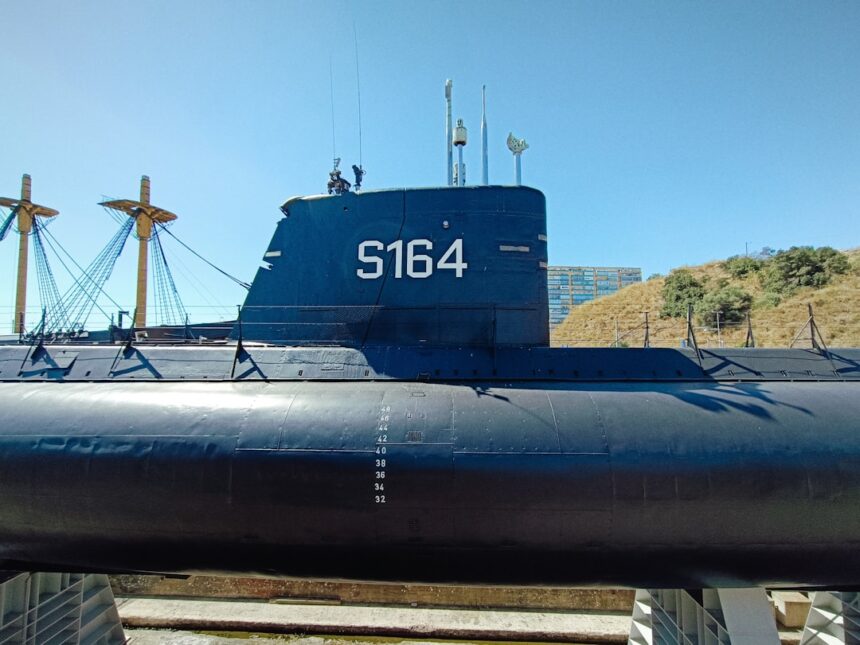
The development of Soviet submarine acoustic stealth technology occurred primarily during the Cold War period as part of the broader naval arms race. Early Soviet submarines, constructed in the 1940s and 1950s, generated significant acoustic signatures that made them detectable by Western sonar systems. This technological gap prompted Soviet naval leadership to prioritize noise reduction as a critical operational requirement for both attack and strategic missile submarines.
Beginning in the 1960s, the Soviet Navy established dedicated research programs focused on submarine acoustic signature reduction. Soviet engineers identified multiple noise sources including propulsion machinery, auxiliary equipment, hull-mounted systems, and hydrodynamic flow patterns around the submarine’s hull and appendages. Research institutes such as the Central Design Bureau for Marine Engineering “Rubin” and the Malakhit Design Bureau developed systematic approaches to address these acoustic challenges.
The Soviet Union implemented several key technologies during this period, including anechoic hull coatings to absorb sonar pulses, vibration isolation systems for machinery, improved propeller designs to reduce cavitation noise, and rafted equipment mounting systems. These developments culminated in submarines such as the Project 671RTM Victor III class and later the Project 945 Sierra class, which demonstrated significantly reduced acoustic signatures compared to earlier Soviet designs. These technological advances influenced submarine design principles globally and established new benchmarks for underwater stealth capabilities.
Key Takeaways
- Soviet submarines evolved significantly in quiet technology to enhance stealth and survivability.
- Reducing acoustic signatures was central to Soviet submarine design, improving their ability to evade detection.
- Innovations in propulsion and sound dampening materials played key roles in minimizing noise.
- Silent Soviet submarines provided a strategic advantage during the Cold War by complicating enemy tracking efforts.
- The legacy of Soviet quiet technology continues to influence modern submarine design and future naval security considerations.
The Importance of Silence in Submarine Warfare
Silence in submarine warfare is not merely a tactical advantage; it is a fundamental principle that can determine the outcome of naval engagements. The ability to remain undetected allows submarines to gather intelligence, launch surprise attacks, and evade enemy countermeasures. In an era where sonar technology was rapidly advancing, the importance of stealth became increasingly pronounced.
For the Soviet Union, maintaining silence was essential for ensuring the survivability of its submarine fleet and achieving strategic objectives. The significance of silence extends beyond mere evasion; it also plays a critical role in psychological warfare. A silent submarine can instill fear and uncertainty in adversaries, creating a sense of vulnerability that can influence decision-making at the highest levels.
The Soviets understood that a reputation for stealth could deter potential aggressors and provide a strategic edge in negotiations. As such, the pursuit of quiet technology was not just about enhancing operational capabilities; it was also about shaping perceptions and maintaining a formidable presence on the global stage.
The Role of Acoustic Signature Reduction in Soviet Submarine Design
Acoustic signature reduction became a cornerstone of Soviet submarine design, influencing everything from hull shape to onboard systems. The Soviets recognized that every component of a submarine contributed to its overall noise profile, and they sought to minimize these signatures through innovative engineering solutions. This included redesigning propellers for optimal hydrodynamic efficiency and employing advanced sound-dampening technologies throughout the vessel.
One notable approach was the use of anechoic coatings—specialized materials applied to the submarine’s hull that absorbed sound waves rather than reflecting them. These coatings significantly reduced the likelihood of detection by enemy sonar systems. Additionally, the Soviets invested in isolating machinery and equipment within the submarine to prevent vibrations from propagating through the hull.
This multifaceted approach to acoustic signature reduction not only enhanced stealth but also improved overall operational effectiveness, allowing Soviet submarines to operate in contested waters with greater confidence.
Advancements in Propulsion Systems for Quiet Submarines
The advancement of propulsion systems played a pivotal role in enhancing the quietness of Soviet submarines. Traditional diesel-electric systems were often noisy, but innovations in nuclear propulsion technology offered a promising alternative. Nuclear-powered submarines could operate at greater depths and speeds without the need for frequent surfacing, thereby reducing their exposure to detection.
The introduction of quieter reactor designs further contributed to this goal, allowing submarines to maintain stealth while on patrol. Moreover, advancements in electric propulsion systems provided another layer of quietness. By utilizing advanced electric motors and batteries, Soviet engineers were able to create propulsion systems that generated significantly less noise than their predecessors.
As a result, Soviet submarines became formidable adversaries on the high seas, capable of executing complex maneuvers while remaining largely undetected.
The Use of Sound Dampening Materials in Soviet Submarine Construction
| Metric | Description | Estimated Value / Detail | Impact on Quieting |
|---|---|---|---|
| Hull Design | Hydrodynamic shaping to reduce flow noise | Teardrop-shaped hull introduced in late 1950s | Significantly reduced hydrodynamic noise |
| Propeller Technology | Use of skewed and seven-bladed propellers | Reduced cavitation noise by 20-30% | Lowered acoustic signature |
| Machinery Isolation | Mounting engines and pumps on vibration-damping platforms | Implemented from 1960s onwards | Reduced internal noise transmission to hull |
| Sound-Absorbing Tiles | Rubber anechoic tiles applied to hull exterior | First used in Project 671 (Victor-class) submarines | Absorbed active sonar pulses and reduced noise emission |
| Quieting of Pumps and Valves | Redesign of fluid systems to minimize noise | Implemented in 1970s and 1980s classes | Lowered mechanical noise inside submarine |
| Speed Reduction | Operating at lower speeds to minimize noise | Optimal quiet speed around 5-7 knots | Reduced flow and machinery noise |
| Acoustic Signature Reduction | Overall noise level compared to Western counterparts | Estimated 10-15 dB quieter in late Cold War era | Improved stealth and survivability |
The incorporation of sound dampening materials into Soviet submarine construction was a game-changer in the quest for stealth. These materials were specifically designed to absorb sound waves and reduce vibrations, effectively masking the submarine’s acoustic signature. The Soviets experimented with various composites and foams that could be applied to both internal and external surfaces, ensuring that noise generated by machinery or water flow would be minimized.
In addition to traditional soundproofing techniques, the Soviets also explored innovative designs that integrated sound-dampening materials into the very structure of the submarine itself. This holistic approach allowed for greater flexibility in design while maintaining operational effectiveness. By prioritizing sound dampening during construction, Soviet engineers were able to produce submarines that not only excelled in stealth but also boasted improved durability and resilience against external threats.
The Impact of Quiet Technology on Soviet Submarine Operations
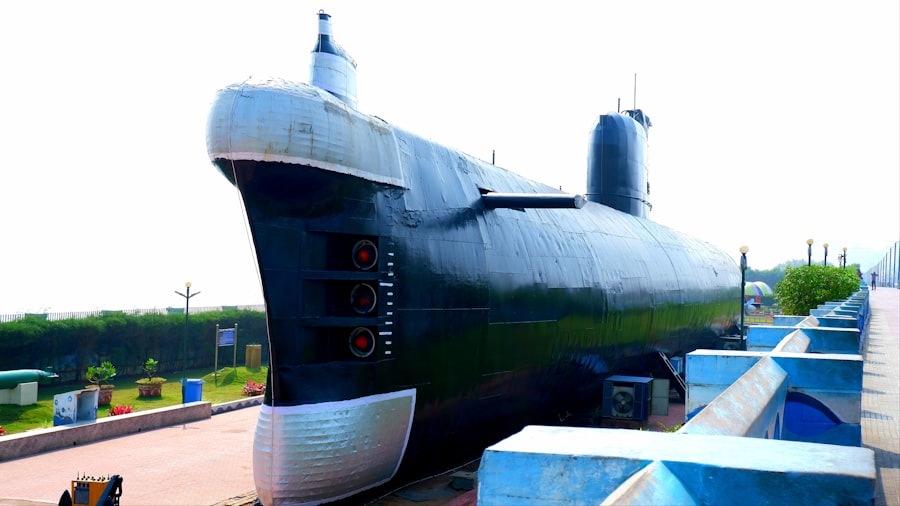
The impact of quiet technology on Soviet submarine operations was profound and far-reaching. With enhanced stealth capabilities, Soviet submarines could operate more freely in contested waters, conducting surveillance missions and gathering intelligence without fear of detection. This newfound operational freedom allowed them to engage in strategic posturing during critical moments of the Cold War, reinforcing the Soviet Union’s status as a global superpower.
Moreover, quiet technology enabled Soviet submarines to execute surprise attacks with greater efficacy. The ability to approach enemy vessels undetected provided a tactical advantage that could shift the balance of power in naval engagements. As a result, Soviet commanders were able to develop more aggressive strategies, leveraging their submarines as key assets in both offensive and defensive operations.
The integration of quiet technology fundamentally transformed how the Soviet Navy approached maritime warfare, emphasizing stealth as a critical component of naval strategy.
The Competitive Advantage of Silent Soviet Submarines
Silent Soviet submarines offered a competitive advantage that was difficult for adversaries to counteract effectively. The combination of advanced acoustic signature reduction techniques and innovative propulsion systems created vessels that could operate with remarkable discretion. This advantage was particularly significant during periods of heightened tension when naval forces were on high alert and engaged in cat-and-mouse games beneath the waves.
The psychological impact of silent submarines cannot be overstated; their mere presence could alter enemy tactics and strategies. Adversaries had to invest heavily in countermeasures such as advanced sonar systems and anti-submarine warfare technologies to detect these elusive vessels. This arms race further strained resources and shifted focus away from other military priorities, allowing the Soviets to maintain an edge in underwater warfare capabilities.
Challenges in Detecting and Tracking Silent Soviet Submarines
Despite advancements in detection technologies, tracking silent Soviet submarines remained an arduous challenge for adversaries. The combination of sophisticated acoustic signature reduction techniques and innovative design made these vessels exceptionally difficult to locate. Traditional sonar systems struggled to differentiate between background noise and the faint sounds emitted by these stealthy submarines.
Moreover, as detection technologies evolved, so too did Soviet countermeasures. The Soviets employed tactics such as operating at varying depths and utilizing natural underwater features to mask their presence further. This cat-and-mouse dynamic created an environment where both sides were constantly adapting their strategies, leading to an ongoing technological arms race that defined naval warfare during the Cold War.
The Influence of Soviet Submarine Quiet Technology on Cold War Strategy
Soviet submarine quiet technology had a profound influence on Cold War strategy, shaping both military doctrine and geopolitical dynamics. The ability to deploy silent submarines allowed the Soviets to project power across vast distances while maintaining plausible deniability regarding their actions.
Furthermore, quiet technology played a crucial role in deterrence strategies during this tense period. The presence of silent submarines patrolling key maritime chokepoints served as a constant reminder of Soviet capabilities, influencing decision-making among Western powers. As a result, naval strategy evolved to prioritize anti-submarine warfare capabilities, leading to increased investments in detection technologies and countermeasures aimed at neutralizing this silent threat.
The Legacy of Soviet Submarine Quiet Technology in Modern Naval Warfare
The legacy of Soviet submarine quiet technology continues to resonate in modern naval warfare. Many contemporary navies have adopted similar principles in their submarine designs, recognizing the critical importance of stealth in underwater operations. Advances in materials science and engineering have further refined these concepts, leading to even quieter vessels capable of operating undetected in contested environments.
Moreover, the lessons learned from Soviet innovations have influenced global naval strategies beyond just submarine design. Nations around the world now prioritize stealth as a key component of their maritime capabilities, leading to an ongoing evolution in naval warfare tactics and technologies. The emphasis on quiet operations has become a defining characteristic of modern naval engagements, underscoring the enduring relevance of Soviet advancements in this field.
The Future of Silent Submarine Technology and its Implications for Global Security
As technology continues to advance at an unprecedented pace, the future of silent submarine technology holds significant implications for global security dynamics. Emerging technologies such as artificial intelligence and advanced materials are poised to further enhance stealth capabilities, creating submarines that are even more difficult to detect and track. This evolution raises important questions about naval strategy and deterrence in an increasingly complex geopolitical landscape.
The proliferation of silent submarine technology among various nations could lead to heightened tensions as states seek to assert their maritime interests while navigating an environment characterized by uncertainty and competition. As nations invest in developing their own quiet capabilities, the potential for miscalculations or misunderstandings increases, underscoring the need for robust communication channels and diplomatic efforts aimed at mitigating conflict. In conclusion, the evolution of Soviet submarine quiet technology has left an indelible mark on naval warfare strategies worldwide.
From its origins during the Cold War to its lasting legacy today, this pursuit of silence has transformed how nations approach underwater operations and shaped global security dynamics for decades to come. As future advancements continue to unfold, understanding this legacy will be crucial for navigating the complexities of modern maritime conflicts.
Soviet submarine quieting technology has been a critical area of research and development, particularly during the Cold War, as it significantly enhanced the stealth capabilities of submarines. For a deeper understanding of the advancements in this field, you can explore the article on submarine technology at In The War Room, which discusses various innovations and their implications for naval warfare.
FAQs
What is Soviet submarine quieting technology?
Soviet submarine quieting technology refers to the various methods and engineering advancements developed by the Soviet Union to reduce the noise produced by their submarines. This technology aimed to make submarines less detectable by enemy sonar systems.
Why was quieting technology important for Soviet submarines?
Quieting technology was crucial for Soviet submarines to enhance their stealth capabilities, allowing them to operate undetected in hostile waters. Reducing noise helped avoid detection by NATO forces and improved the effectiveness of their strategic and tactical missions.
What techniques were used in Soviet submarine quieting?
The Soviets employed several techniques, including the use of anechoic tiles (rubber coatings that absorb sonar waves), improved hull designs to minimize noise, isolation of machinery to reduce vibrations, and advanced propeller designs to decrease cavitation noise.
How did Soviet quieting technology compare to that of other countries?
While initially lagging behind Western counterparts, Soviet quieting technology improved significantly during the Cold War. By the 1980s, Soviet submarines incorporated many advanced noise-reduction features, though Western submarines generally maintained a slight edge in overall stealth.
Did Soviet submarine quieting technology influence modern submarine design?
Yes, many principles and innovations from Soviet quieting technology have influenced modern submarine design globally. Techniques such as anechoic coatings and machinery isolation remain standard practices in contemporary submarine construction.
Were there any limitations to Soviet submarine quieting technology?
Despite advancements, Soviet submarines often faced challenges such as noisier machinery and less efficient propeller designs compared to Western submarines. These limitations sometimes made them more detectable in certain operational scenarios.
Is Soviet submarine quieting technology still relevant today?
While the Soviet Union no longer exists, the quieting technologies developed during that era laid the groundwork for current Russian submarine designs. Many of these technologies continue to be refined and used in modern submarines.