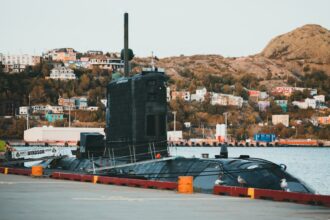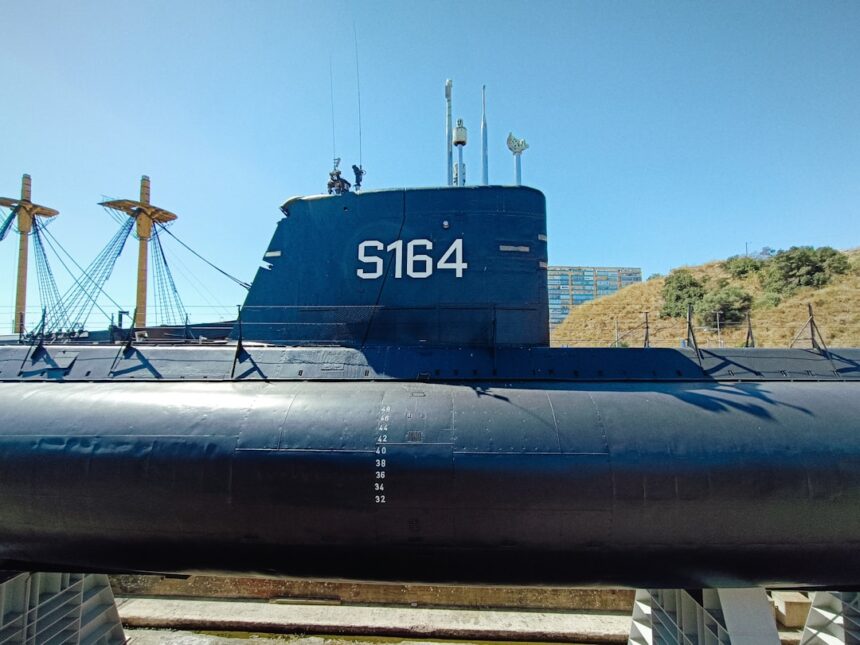
During the Cold War, the geopolitical landscape was characterized by a tense standoff between the United States and the Soviet Union, with both superpowers vying for military supremacy. Within this context, Soviet submarine depth charges emerged as a critical component of naval warfare strategy. These explosive devices were designed to target enemy submarines, reflecting the Soviet Union’s commitment to maintaining a formidable underwater presence.
The depth charges not only served as a deterrent against Western naval forces but also played a significant role in shaping the tactics employed by both sides during this tumultuous period. The strategic importance of these depth charges cannot be overstated. As the Soviet Navy expanded its capabilities, the development and deployment of advanced submarine technology became paramount.
Depth charges were integral to anti-submarine warfare (ASW) operations, allowing Soviet submarines to engage in offensive maneuvers while simultaneously protecting their own fleet from potential threats. This duality of purpose underscored the depth charges’ role in the broader context of Cold War naval strategy, where the balance of power hinged on the ability to dominate the underwater domain.
Key Takeaways
- Soviet submarine depth charges played a critical role in Cold War naval confrontations, posing significant threats to Western submarines.
- Advanced technology and strategic deployment made Soviet depth charges a formidable anti-submarine weapon.
- Western navies developed specialized tactics and countermeasures to evade and neutralize these depth charges.
- The psychological pressure on Western submariners was intense, influencing operational decisions and morale.
- The legacy of Soviet depth charges continues to influence modern naval warfare and anti-submarine strategies.
Development and Deployment of Soviet Submarine Depth Charges
The development of Soviet submarine depth charges was a response to the evolving nature of naval warfare during the mid-20th century. As submarines became more sophisticated, so too did the weapons designed to counter them. The Soviet Union invested heavily in research and development, resulting in a range of depth charge designs that varied in size, explosive yield, and deployment methods.
These innovations were driven by the need to counter Western submarine capabilities, particularly those of the United States and its NATO allies. Deployment strategies for these depth charges were equally diverse. Soviet submarines were equipped with various types of depth charges that could be launched from different platforms, including surface ships and aircraft.
This versatility allowed for a multi-faceted approach to anti-submarine warfare, enabling Soviet forces to adapt to different operational scenarios.
The Threat of Soviet Submarine Depth Charges to Western Navies
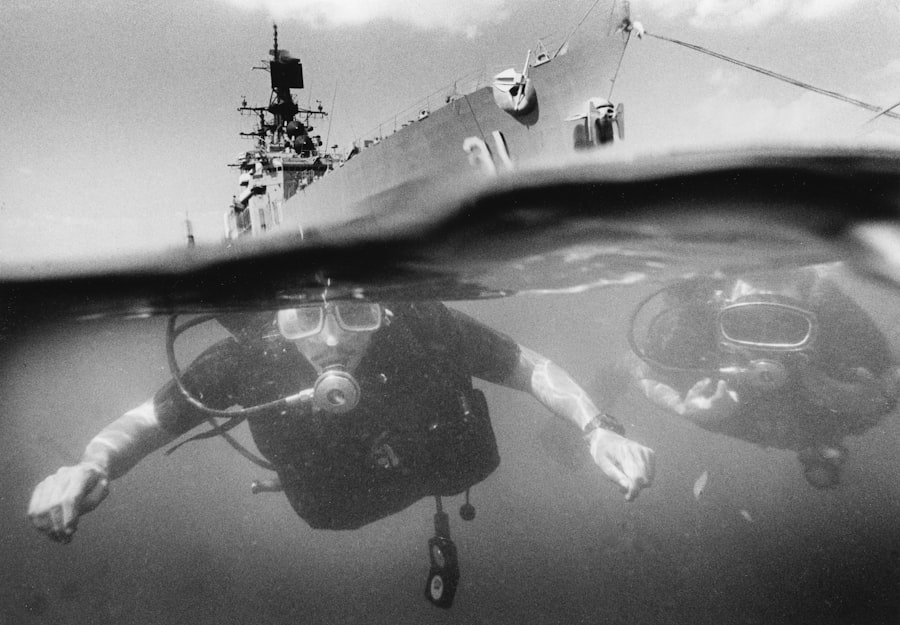
The introduction of Soviet submarine depth charges posed a significant threat to Western navies, particularly during the height of the Cold War. As Soviet submarines patrolled the oceans, their ability to deploy these explosive devices created an atmosphere of uncertainty and fear among Western naval commanders. The prospect of encountering a Soviet submarine equipped with depth charges forced Western navies to reconsider their operational strategies and invest in countermeasures.
The psychological impact of this threat was profound. Western submariners had to navigate not only the physical dangers posed by depth charges but also the mental strain of operating in an environment where they could be targeted at any moment. This constant state of alertness influenced training protocols and operational planning within Western navies, as they sought to mitigate the risks associated with potential encounters with Soviet forces.
The looming presence of Soviet submarine depth charges thus shaped the tactical landscape of naval warfare during this era.
Tactics and Strategies for Evading Soviet Submarine Depth Charges
In response to the threat posed by Soviet submarine depth charges, Western navies developed a range of tactics and strategies aimed at evading detection and minimizing the risk of being targeted.
By reducing noise signatures and employing innovative materials, Western submarines sought to remain undetected while operating in contested waters.
Additionally, evasive maneuvers became a critical component of operational protocols. Submariners were trained to execute rapid changes in depth and course to avoid incoming depth charge attacks. These tactics required a high level of coordination and skill, as submariners had to balance the need for stealth with the imperative to evade potential threats.
The development of sophisticated sonar systems also played a role in enhancing situational awareness, allowing Western submarines to detect incoming threats and respond accordingly.
The Impact of Soviet Submarine Depth Charges on Cold War Naval Operations
| Metric | Value | Unit | Description |
|---|---|---|---|
| Maximum Depth | 300 | meters | Maximum effective depth for Soviet depth charges |
| Explosive Charge | 100 | kg TNT equivalent | Typical explosive payload of a Soviet depth charge |
| Detonation Pressure | 50 | atm | Pressure at which the depth charge is set to detonate |
| Weight | 200 | kg | Approximate weight of a standard Soviet depth charge |
| Deployment Range | 500 | meters | Maximum horizontal range from deployment ship |
| Fuse Type | Hydrostatic | – | Type of fuse used to trigger detonation at set depth |
The presence of Soviet submarine depth charges significantly influenced Cold War naval operations on both sides of the conflict. For the Soviets, these weapons were essential for asserting dominance in underwater warfare and deterring Western naval forces from encroaching on their maritime interests. The ability to deploy depth charges effectively allowed Soviet submarines to engage in aggressive patrolling missions, projecting power across key maritime regions.
Conversely, Western navies were compelled to adapt their operational strategies in light of this threat. The need for enhanced anti-submarine warfare capabilities led to increased investment in technology and training programs aimed at countering Soviet depth charge deployments. This arms race in underwater warfare not only shaped naval tactics but also contributed to broader military spending and technological advancements during the Cold War era.
The Technology Behind Soviet Submarine Depth Charges
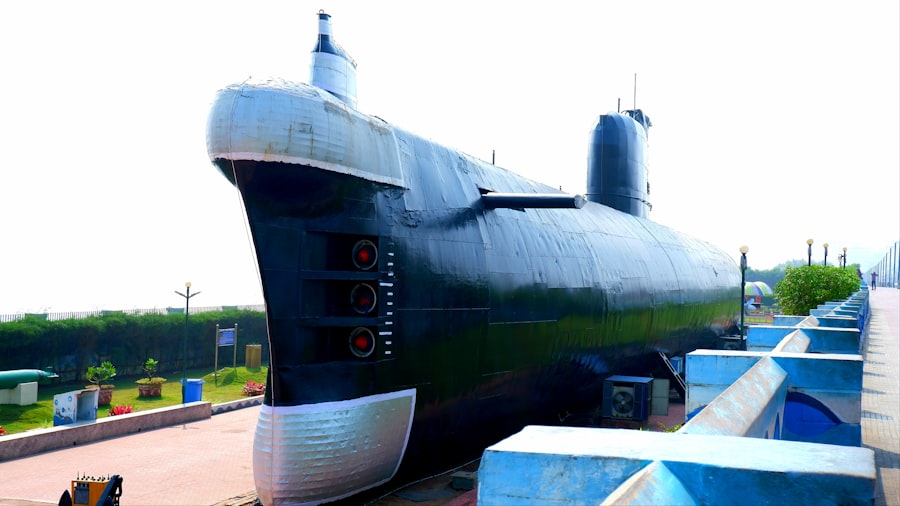
The technology underpinning Soviet submarine depth charges was a product of extensive research and development efforts during the Cold War. These devices were engineered to detonate at specific depths, maximizing their effectiveness against submerged targets. The design process involved meticulous calculations regarding explosive yield, detonation mechanisms, and deployment methods, ensuring that these weapons could be used effectively in various operational scenarios.
Moreover, advancements in materials science played a crucial role in enhancing the performance of Soviet depth charges. The use of more durable materials allowed for greater reliability and effectiveness in harsh underwater environments. Additionally, innovations in guidance systems enabled more precise targeting capabilities, further increasing the lethality of these weapons against enemy submarines.
As a result, Soviet submarine depth charges became a formidable tool in the arsenal of Cold War naval warfare.
The Psychological Impact of Soviet Submarine Depth Charges on Western Submariners
The psychological toll of operating in an environment where Soviet submarine depth charges were a constant threat cannot be underestimated. For Western submariners, the knowledge that they could be targeted at any moment created an atmosphere of anxiety and tension. This psychological burden influenced decision-making processes and operational readiness, as crews had to remain vigilant while executing their missions.
Training programs within Western navies increasingly focused on preparing submariners for the mental challenges associated with potential encounters with Soviet forces. Simulated exercises aimed at replicating the stressors of real-world scenarios became commonplace, helping crews develop coping mechanisms and resilience in high-pressure situations. Ultimately, the psychological impact of Soviet submarine depth charges extended beyond individual submariners; it shaped broader naval strategies and operational planning throughout the Cold War.
The Race for Countermeasures Against Soviet Submarine Depth Charges
As the threat posed by Soviet submarine depth charges became increasingly apparent, Western navies embarked on a race for countermeasures designed to mitigate this risk. This arms race spurred innovation across various domains, leading to advancements in sonar technology, anti-submarine warfare tactics, and submarine design. The urgency to develop effective countermeasures reflected the high stakes involved in maintaining naval superiority during the Cold War.
One notable area of focus was the enhancement of sonar systems capable of detecting incoming threats from Soviet submarines equipped with depth charges. These advancements allowed Western navies to gain greater situational awareness and respond more effectively to potential attacks. Additionally, research into advanced materials and stealth technologies contributed to the development of submarines that could operate with reduced noise signatures, further complicating efforts by Soviet forces to target them effectively.
Incidents and Close Calls Involving Soviet Submarine Depth Charges
Throughout the Cold War, there were numerous incidents and close calls involving Soviet submarine depth charges that underscored the high-stakes nature of underwater warfare during this period. These encounters often occurred in contested waters where both sides sought to assert their dominance while avoiding direct confrontation. Such incidents served as stark reminders of the potential for escalation and conflict inherent in Cold War naval operations.
One notable incident involved a series of close encounters between Western submarines and Soviet forces during routine patrols. In some cases, Western submariners reported hearing depth charge explosions nearby, prompting immediate evasive actions. These close calls highlighted not only the dangers posed by Soviet submarine depth charges but also the thin line separating routine military operations from potential conflict escalation.
The Legacy of Soviet Submarine Depth Charges in Modern Naval Warfare
The legacy of Soviet submarine depth charges continues to resonate within modern naval warfare strategies. As contemporary navies grapple with evolving threats in an increasingly complex maritime environment, lessons learned from Cold War experiences remain relevant today. The emphasis on anti-submarine warfare capabilities and countermeasures against underwater threats reflects an enduring recognition of the importance of maintaining dominance in this critical domain.
Moreover, advancements in technology have transformed how navies approach underwater warfare. Modern submarines are equipped with sophisticated sensors and weapons systems that build upon lessons learned from past encounters with Soviet submarine depth charges. As nations continue to invest in naval capabilities, understanding historical precedents will be essential for navigating future challenges in maritime security.
The End of the Cold War and the Decline of Soviet Submarine Depth Charges
The conclusion of the Cold War marked a significant turning point for global military dynamics, including the role of Soviet submarine depth charges. As tensions between East and West began to ease, there was a corresponding decline in the emphasis placed on anti-submarine warfare capabilities within both NATO and former Warsaw Pact nations. This shift reflected broader changes in military priorities as nations sought to adapt to new geopolitical realities.
With reduced funding for military programs and a focus on cooperative security measures, many former adversaries began reevaluating their naval strategies. The decline of Soviet submarine depth charges symbolized not only a shift away from confrontational military postures but also an acknowledgment that new forms of conflict would require different approaches altogether. As nations transitioned into a post-Cold War era, lessons learned from past experiences would continue to inform future naval operations while fostering greater collaboration among former rivals.
Soviet submarines were equipped with various advanced technologies, including depth charges, which played a crucial role in underwater warfare during the Cold War. For a deeper understanding of the strategic implications and historical context of these underwater munitions, you can read more in this related article on the topic. Check it out here: Soviet Submarine Depth Charges.
WATCH THIS! 🎬 THE HIDDEN SUBMARINE WAR: How One Man Stopped Mutiny and Nuclear Armageddon
FAQs
What were Soviet submarine depth charges?
Soviet submarine depth charges were explosive anti-submarine weapons designed to detonate at specific depths underwater to damage or destroy enemy submarines. They were used extensively during the Cold War to counter Western submarine threats.
How did Soviet depth charges work?
Soviet depth charges were typically dropped or launched near suspected submarine locations. They contained hydrostatic fuses that triggered the explosion at preset depths, creating powerful shockwaves intended to compromise the hull integrity of enemy submarines.
What types of depth charges did the Soviet Navy use?
The Soviet Navy employed various types of depth charges, including traditional barrel-shaped charges and more advanced rocket-propelled depth charges. These ranged from manually deployed charges to those launched from ships, aircraft, and submarines.
Were Soviet depth charges effective against submarines?
Soviet depth charges were considered effective during their time, especially when used in coordinated anti-submarine warfare tactics. However, advancements in submarine stealth and countermeasures eventually reduced their effectiveness compared to newer technologies like homing torpedoes.
Did the Soviet Union develop alternatives to depth charges?
Yes, the Soviet Union developed several alternatives, including homing torpedoes, anti-submarine rockets (RBU series), and sonar-guided weapons, which provided more precise and longer-range anti-submarine capabilities than traditional depth charges.
How did Soviet depth charges compare to those used by NATO forces?
Soviet depth charges were generally comparable in design and function to those used by NATO, but the Soviets also emphasized rocket-propelled depth charges and integrated them into their broader anti-submarine warfare systems. NATO forces increasingly shifted toward guided torpedoes and missile systems over time.
Are Soviet submarine depth charges still in use today?
Most traditional Soviet depth charges have been phased out or replaced by more modern anti-submarine weapons in the Russian Navy and other successor states. However, some older systems may still be in reserve or used for training purposes.