The deep, often inscrutable, expanse of the ocean has long served as a silent witness to history’s most covert acts. For decades, whispers of clandestine operations involving the United States and the Soviet Union circulated, tales of espionage and counter-espionage conducted beneath the waves. Among these hushed accounts, one particular operation, shrouded in the secrecy of its time, involved the alleged burial at sea of Soviet sailors, a narrative intricately woven with the threads of the Central Intelligence Agency (CIA). Understanding this story requires peeling back layers of declassified documents, historical analysis, and the inherent human drama of espionage.
The context of this operation is crucial to its comprehension. The Cold War, a period of intense geopolitical tension between the United States and the Soviet Union, cast a long shadow over global affairs. Both superpowers engaged in a relentless arms race, a relentless technological struggle, and a constant, often unseen, battle for influence. Naval power was a linchpin of military strategy, and the seas became a vast, unforgiving chessboard upon which these titanic forces maneuvered. Submarines, the silent predators of the deep, played a particularly significant role, representing both offensive and defensive capabilities. The loss of a submarine, especially a Soviet one, was a significant blow to national pride and strategic positioning. The CIA, tasked with gathering intelligence and conducting clandestine activities, would naturally have an interest in any event that could provide an advantage, or conversely, mitigate a threat, related to Soviet naval strength.
The Genesis of an Unseen Conflict
The Cold War was not solely fought on conventional battlefields; it was a war of shadows, of whispers, and of calculated risks. The technological advancements of the mid-20th century amplified this clandestine struggle, with submarines emerging as one of the most potent and feared instruments of naval warfare. The United States, eager to possess an edge over its Soviet adversaries, embarked on a quest to understand the capabilities and limitations of Soviet submarine technology.
The Submarine Arms Race
The Soviet Union, under the leadership of figures like Nikita Khrushchev, initiated an ambitious program to expand and modernize its submarine fleet. These vessels were not mere transport ships; they were instruments of potential global devastation, capable of projecting Soviet power and posing a significant threat to international stability. The development of nuclear-powered submarines, ballistic missile submarines, and sophisticated attack submarines fueled American anxieties. The perceived technological parity, or even superiority, of the Soviet navy was a constant concern within American defense circles. Information on Soviet submarine designs, operational tactics, and crew morale was highly prized.
Intelligence Gathering: The Silent Imperative
The CIA’s primary mission was to collect intelligence that would inform American foreign policy and national security decisions. In the context of the Cold War, this translated into an intense focus on the Soviet Union’s military capabilities. Submarines, given their strategic importance, were a prime target. The agency employed a diverse array of methods, both overt and covert, to glean information. These included signals intelligence (SIGINT), human intelligence (HUMINT), and, as this operation suggests, potentially more unorthodox approaches. The pursuit of intelligence was a relentless tide, pushing the boundaries of what was ethically and operationally possible.
The Whispers of a Lost Fleet
The narrative of Soviet sailors buried at sea, allegedly as part of a CIA operation, often emerges in discussions surrounding particular submarine incidents or alleged salvage efforts. These stories, born from the murky depths of classified information and speculative analysis, paint a picture of extraordinary circumstances and daring clandestine actions. It is through the declassification of certain documents and the testimonies of former intelligence operatives that these whispers begin to coalesce into a more discernible, albeit still enigmatic, story.
The Shadow of Submarine Disasters
The Soviet Union, like any major naval power, experienced its share of submarine accidents throughout the Cold War. These tragedies, often shrouded in secrecy by the Soviet regime, led to the loss of vessels and, tragically, countless lives. The details of these losses were rarely publicized, leaving a void that fueled speculation and, for intelligence agencies like the CIA, a potential opportunity. Each lost submarine represented not just a loss for the Soviets but also a potential source of intelligence for the United States, if it could be accessed or its fate understood.
Declassified Documents: Cracks in the Wall of Secrecy
The gradual declassification of documents by the U.S. government, often decades after the events they pertain to, has been instrumental in shedding light on previously secret operations. While direct confessions of burying Soviet sailors are unlikely to be found in official records, these documents can provide contextual clues. They might allude to U.S. interest in specific Soviet naval incidents, covert salvage operations, or intelligence-gathering missions in proximity to suspected Soviet submarine losses. Each released file is a tiny beacon, illuminating a corner of the once-impenetrable darkness.
The Operation Unveiled: A Hypothetical Scenario
While no definitive, publicly acknowledged CIA operation explicitly states the “burial at sea of Soviet sailors,” the concept often arises in discussions of clandestine salvage or retrieval missions. The prevailing hypothesis suggests that if such an operation were undertaken, it would be in response to a specific strategic imperative, involving a recovered Soviet submarine or crucial elements thereof. The “burial” aspect, in this context, would likely refer to a method of disposal or concealment rather than a formal funeral rite.
The Strategic Prize: Recovering Soviet Technology
The primary motive for any clandestine operation involving a Soviet submarine would undoubtedly stem from the immense strategic value of its technology. The ability to examine Soviet sonar systems, weapon guidance, communication equipment, and hull integrity firsthand would provide invaluable insights into their military capabilities, strengths, and weaknesses. This intelligence could then be used to develop countermeasures, improve American naval technology, and refine strategic planning. The prize was not just material; it was knowledge, the ultimate weapon in the informational warfare of the Cold War.
The Dilemma of Disposal: Options for the Unintended
In the event of a successful covert retrieval of a Soviet submarine or significant components, the question of disposal would become paramount. Leaving evidence of American involvement would be disastrous. If the retrieved material was too dangerous to transport conventionally, or if the vessel itself was beyond salvaging in a way that wouldn’t raise alarms, a method of disposal at sea might be considered. This could involve scuttling the vessel in a remote location, or ensuring its complete destruction through controlled demolition. The “burial” could be interpreted as a final, irreversible act of concealment.
The Ethical Labyrinth of Covert Action
The very nature of covert operations places them in a complex ethical space. The actions undertaken are often shrouded in secrecy, not just from adversaries but also from the public. This lack of transparency, while arguably necessary for operational success, raises profound questions about accountability, moral responsibility, and the long-term consequences of such clandestine endeavors.
The Justification of Necessity: A Cold War Calculus
In the high-stakes environment of the Cold War, actions that might be considered unethical in peacetime were often justified by proponents as necessary for national survival. The perceived existential threat posed by the Soviet Union was a powerful motivator for aggressive intelligence gathering and covert action. The argument was that any means were justified to maintain a strategic advantage and prevent a catastrophic conflict. The calculus of risk and reward in this era was often stark and unforgiving.
The Unseen Victims: The Human Cost of Espionage
While the focus of these operations is often on strategic gains and technological intelligence, it is crucial to remember the human element. The Soviet sailors whose vessels might have been the subject of such operations, even if lost in accidents, represented individuals with lives, families, and futures. The possibility of their remains being disturbed or their final resting place desecrated, however indirectly, adds a somber dimension to the narrative. The pursuit of intelligence, however noble the perceived objective, can have unintended and profound human consequences.
Legacy and Lingering Questions
The operations, whether confirmed or speculative, leave a lasting imprint on the historical record. The legacy of the Cold War continues to be debated, with new information constantly emerging that reframes our understanding of events. The allure of the unknown, particularly when it pertains to the clandestine world of espionage, ensures that these stories will continue to captivate and intrigue.
The Enduring Enigma of the Deep
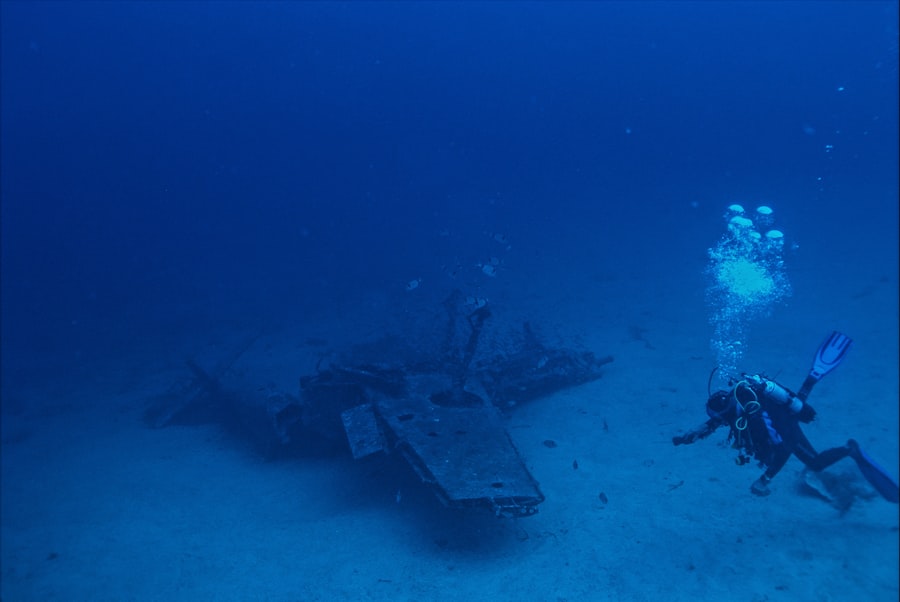
The vastness of the ocean continues to hold its secrets. For every submarine wreck that is discovered and documented, countless others likely remain undiscovered, lost to the crushing pressures and silent embrace of the abyss. These lost vessels are more than just sunken metal; they are time capsules, containing fragments of history, untold stories, and the echoes of lives lived and lost. The story of potential CIA involvement in the fate of Soviet sailors, while speculative, is a testament to the enduring enigmas that lie beneath the waves.
The Ongoing Quest for Truth
As declassification efforts continue and new historical research emerges, it is possible that further clarity may be brought to such clandestine operations. The pursuit of a complete and accurate historical understanding is a continuous endeavor. While definitive answers may remain elusive, the ongoing dialogue and analysis of available evidence are crucial in piecing together the complex tapestry of international relations and the hidden currents of espionage that shaped the latter half of the 20th century. The ocean, in its silent immensity, will likely forever hold some of its deepest secrets.
WATCH NOW ▶️ The CIA’s Impossible Mission To Steal A Nuclear Submarine
FAQs

1. Who were the Soviet sailors buried at sea by the CIA?
The Soviet sailors buried at sea by the CIA were crew members of Soviet vessels involved in Cold War-era incidents, often related to espionage or naval confrontations.
2. Why did the CIA bury Soviet sailors at sea?
The CIA buried Soviet sailors at sea to maintain secrecy, prevent the recovery of sensitive information, and avoid diplomatic incidents during covert operations or naval encounters.
3. When did these burials take place?
These burials primarily occurred during the Cold War period, particularly in the 1950s through the 1970s, when tensions between the United States and the Soviet Union were high.
4. Were these burials officially acknowledged by the U.S. government?
Most of these burials were not officially acknowledged at the time due to their sensitive nature, but some information has since been declassified or revealed through historical research.
5. What impact did these actions have on U.S.-Soviet relations?
While the burials themselves were secret, incidents involving Soviet sailors contributed to the overall tension and mistrust between the U.S. and the Soviet Union during the Cold War, influencing diplomatic and military strategies.