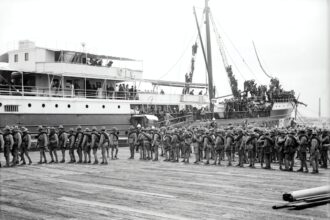
The Soviet planned economy, a hallmark of the USSR’s economic structure, was characterized by state control over production and distribution. This system emerged in the early 20th century, particularly after the Bolshevik Revolution of 1917, which sought to dismantle the capitalist framework that had previously dominated Russia.
These plans outlined ambitious goals for industrial output, agricultural production, and infrastructure development, reflecting the ideological commitment to socialism and the belief in the state’s ability to direct economic growth. Under this system, the state played a pivotal role in determining what goods were produced, how they were distributed, and at what prices they were sold. The planned economy was designed to prioritize collective welfare over individual profit, with the intention of achieving equality and eliminating class distinctions.
However, this approach also led to inefficiencies and shortages, as central planners often struggled to accurately gauge consumer needs and preferences. Despite these challenges, the Soviet planned economy was instrumental in mobilizing resources during critical periods, particularly during World War II, when the nation faced existential threats.
Key Takeaways
- The Soviet planned economy was characterized by centralized economic planning and state ownership of the means of production.
- World War II had a significant impact on the Soviet economy, leading to the mobilization of resources for the war effort and challenges in supplying the military.
- The Soviet government implemented rationing and distribution of goods to ensure that the military and civilian population had access to essential resources during the war.
- The war economy led to a significant mobilization of the labor force, with women playing a crucial role in supporting the war effort.
- Technological advancements in Soviet industry, such as the development of new weapons and machinery, played a key role in the war effort and post-war reconstruction.
Impact of World War II on the Soviet Economy
World War II had a profound impact on the Soviet economy, reshaping its structure and priorities in ways that would have lasting implications. The war effort necessitated a dramatic shift in production capabilities, as factories that once produced consumer goods were repurposed to manufacture military equipment and supplies. This transition was not merely a matter of changing output; it required a complete reorganization of labor and resources.
The urgency of the conflict forced the Soviet leadership to adopt more flexible planning methods, allowing for rapid adjustments in response to the demands of warfare. Moreover, the war exposed significant vulnerabilities within the Soviet economy. The initial stages of the conflict revealed weaknesses in industrial capacity and logistical coordination, leading to severe shortages of essential materials and equipment.
As German forces advanced into Soviet territory, capturing key industrial centers, the USSR faced an existential crisis that threatened its very survival. In response, the government implemented emergency measures to relocate factories eastward, away from the front lines, while simultaneously ramping up production in existing facilities. This period marked a turning point in Soviet economic history, as the state demonstrated its ability to mobilize resources on an unprecedented scale.
Mobilizing Resources for the War Effort
Mobilizing resources for the war effort was a monumental task that required meticulous planning and execution. The Soviet government recognized early on that victory depended on its ability to harness every available resource—human, industrial, and agricultural. To achieve this, they instituted a series of measures aimed at maximizing output across all sectors.
Factories were converted to produce munitions, vehicles, and other military necessities, while agricultural production was intensified to ensure food security for both soldiers and civilians. The state also implemented strict controls over labor allocation, directing workers to industries deemed essential for the war effort. This included not only traditional manufacturing sectors but also emerging industries that could contribute to military needs.
The government established a system of incentives and penalties to encourage productivity among workers, emphasizing the importance of collective effort in achieving national goals. As a result, the Soviet economy underwent a transformation that prioritized wartime needs above all else, reflecting a level of mobilization that was both impressive and daunting.
Challenges in Supplying the Military
| Challenges | Description |
|---|---|
| Logistics | Transporting supplies to remote military bases |
| Security | Protecting supply chains from theft and sabotage |
| Regulations | Complying with complex government procurement rules |
| Technology | Adopting advanced systems for inventory management |
Despite the impressive mobilization efforts, supplying the military during World War II presented numerous challenges that tested the limits of the Soviet planned economy. One of the primary difficulties was ensuring that troops received adequate supplies of weapons, ammunition, food, and medical care. The vastness of the Soviet Union posed logistical hurdles; transporting goods across long distances often resulted in delays and inefficiencies.
Additionally, as front lines shifted rapidly during battles, maintaining supply lines became increasingly complex. The challenges were compounded by the initial lack of preparedness for such a large-scale conflict. The Soviet military had underestimated the speed and ferocity of the German invasion, leading to significant losses in personnel and equipment early in the war.
As a result, there was an urgent need to ramp up production while simultaneously addressing supply chain issues. The government had to innovate quickly, employing strategies such as decentralizing production facilities and utilizing local resources to meet immediate needs. These efforts highlighted both the strengths and weaknesses of the planned economy in times of crisis.
Rationing and Distribution of Goods
Rationing became an essential component of life in the Soviet Union during World War II as resources became increasingly scarce. The government implemented rationing systems to ensure that essential goods were distributed fairly among the population while prioritizing military needs. This system was designed to prevent hoarding and ensure that everyone received a minimum amount of food and other necessities.
However, it also led to widespread dissatisfaction as citizens faced shortages and long lines for basic items. The distribution of goods was heavily regulated by state authorities, who sought to maintain order amidst growing tensions caused by scarcity. Ration cards were issued to families based on their size and needs, but these often fell short of providing adequate sustenance.
The black market flourished as people sought alternative means to obtain food and goods that were otherwise unavailable through official channels. This situation underscored the limitations of central planning in addressing consumer needs during wartime and highlighted the resilience of individuals who navigated these challenges in their daily lives.
Labor Force and the War Economy
The labor force played a crucial role in sustaining the Soviet economy during World War
With millions of men conscripted into military service, women stepped into roles traditionally held by men, taking on jobs in factories, farms, and other essential sectors. This shift not only filled critical labor shortages but also marked a significant change in gender roles within Soviet society. Women became integral to the war economy, contributing to production efforts while also managing households under increasingly difficult circumstances.
The government recognized the importance of mobilizing this untapped labor force and implemented policies aimed at encouraging women’s participation in various industries. Training programs were established to equip women with skills necessary for wartime production, while propaganda campaigns celebrated their contributions as vital to national survival. Despite facing numerous challenges—including long hours, dangerous working conditions, and societal expectations—women proved their resilience and capability in supporting both the war effort and their families.
Role of Women in the Soviet War Economy
The role of women in the Soviet war economy extended far beyond traditional labor; they became symbols of strength and determination during one of history’s most challenging periods. As men left for battle, women took on diverse roles ranging from factory workers to engineers and even soldiers on the front lines. Their involvement was not merely a response to labor shortages; it represented a broader societal shift that challenged pre-existing norms about gender roles within Soviet society.
Women’s contributions were recognized at various levels; many received awards for their bravery and dedication. The government actively promoted female participation in all aspects of wartime production through propaganda that emphasized their importance in achieving victory. This newfound visibility helped pave the way for future advancements in women’s rights within the USSR post-war era.
However, despite their significant contributions during wartime, many women faced challenges reintegrating into traditional roles once peace was restored.
Technological Advancements in Soviet Industry
World War II spurred significant technological advancements within Soviet industry as the need for efficient production methods became paramount. Faced with overwhelming challenges on multiple fronts, Soviet engineers and scientists were compelled to innovate rapidly.
The urgency of wartime demands led to increased collaboration between different sectors of industry and academia. Research institutions worked closely with factories to develop new technologies that could enhance production efficiency or improve military effectiveness. For instance, advancements in tank design and aircraft manufacturing emerged from this collaborative spirit, resulting in equipment that played crucial roles on battlefields across Europe.
These innovations not only contributed to immediate wartime success but also laid foundations for future industrial growth in the post-war era.
Economic Planning and Coordination
Economic planning during World War II required unprecedented levels of coordination among various sectors within the Soviet Union’s planned economy. The government had to balance military needs with civilian requirements while ensuring that production targets were met across different industries. This necessitated a more dynamic approach to planning than had been previously employed; flexibility became essential as conditions on the ground changed rapidly.
Central planners adapted their strategies by implementing short-term plans that could be adjusted based on immediate needs rather than relying solely on long-term five-year plans. This shift allowed for quicker responses to emerging challenges such as supply shortages or shifts in military strategy. However, it also highlighted inherent weaknesses within centralized planning systems—namely bureaucratic inefficiencies that could hinder rapid decision-making processes when urgency was paramount.
Post-War Reconstruction and Recovery
The end of World War II marked both a triumph for the Soviet Union and a daunting challenge for its economy as it faced extensive reconstruction needs. The war had devastated vast areas of territory; cities lay in ruins while infrastructure was severely damaged or destroyed entirely. Rebuilding efforts required immense resources and careful planning as leaders sought not only to restore what had been lost but also to modernize industries for future growth.
The government initiated ambitious reconstruction programs aimed at revitalizing war-torn regions while simultaneously addressing food shortages and housing crises exacerbated by wartime destruction. These efforts were guided by lessons learned during wartime mobilization; planners sought to apply successful strategies from military production to civilian reconstruction projects. However, challenges remained as resources were limited and bureaucratic hurdles persisted—highlighting ongoing tensions within the planned economy framework.
Legacy of the Soviet Planned Economy in War Efforts
The legacy of the Soviet planned economy during World War II is multifaceted; it reflects both remarkable achievements and significant shortcomings that shaped subsequent developments within the USSR. On one hand, the ability to mobilize resources effectively under extreme pressure demonstrated the potential strengths of centralized planning when aligned with national priorities. The rapid industrialization achieved during this period laid groundwork for post-war recovery efforts while showcasing innovation driven by necessity.
Conversely, persistent inefficiencies inherent in centralized systems became evident as planners struggled with logistics and supply chain management throughout wartime operations. The reliance on rigid planning structures often hindered adaptability—an issue that would continue to plague Soviet economic policy long after hostilities ceased. Ultimately, understanding this complex legacy provides valuable insights into how wartime experiences influenced broader economic strategies within one of history’s most significant socialist states.
The Soviet planned economy played a crucial role during wartime, as it allowed for the rapid mobilization of resources and labor to meet the demands of conflict. This centralized approach enabled the Soviet Union to effectively allocate materials and manpower, which was essential during World War II. For a deeper understanding of the implications of such economic strategies in wartime, you can read more in the article available at In the War Room.
WATCH THIS! The War That Secretly Bankrupted An Empire: How Afghanistan Destroyed the USSR
FAQs
What was the Soviet planned economy?
The Soviet planned economy was a system in which the government made all decisions about production, distribution, and pricing of goods and services. It was based on central planning and state ownership of the means of production.
How did the Soviet planned economy function during wartime?
During wartime, the Soviet planned economy shifted its focus to prioritize the production of military equipment, weapons, and supplies. The government directed resources and labor towards the war effort, often at the expense of consumer goods and other non-essential industries.
What were the advantages of the Soviet planned economy during wartime?
The advantages of the Soviet planned economy during wartime included the ability to quickly mobilize resources and manpower for the war effort, as well as the centralized control over production and distribution, which allowed for efficient allocation of resources.
What were the disadvantages of the Soviet planned economy during wartime?
Disadvantages of the Soviet planned economy during wartime included inefficiencies in resource allocation, lack of incentives for innovation and productivity, and shortages of consumer goods due to the focus on military production.
How did the Soviet planned economy compare to other economic systems during wartime?
During wartime, the Soviet planned economy differed from market-based economies in its centralized control and prioritization of the war effort over consumer goods. It also differed from command economies in its state ownership of the means of production and central planning.