The Cold War was a period of intense geopolitical tension, a chessboard where nations maneuvered not with armies on open battlefields, but with whispers in the dark and unseen hands reaching across borders. For the United States and the Soviet Union, this struggle extended to every facet of military and intelligence operations, and perhaps nowhere was this more keenly felt than in the vast, silent expanse of the Pacific Ocean. The Soviet Pacific Fleet, a potent instrument of Soviet maritime power, became a prime target for American intelligence. Unlocking its secrets, particularly its communications, was akin to finding a hidden key to a formidable fortress. This article delves into the intricate world of Soviet Pacific Fleet communication taps during the Cold War, exploring the methods, the significance, and the ongoing shadow these operations cast.
The Soviet Pacific Fleet: A Strategic Imperative
The Soviet Pacific Fleet, headquartered in Vladivostok, was a formidable force. It comprised a significant portion of the Soviet Navy’s submarine and surface vessel strength, posing a direct threat to American naval dominance and projecting Soviet influence across Asia and into the Pacific theater. Its operational radius encompassed crucial shipping lanes, distant naval bases, and potential flashpoints of conflict. For the United States, understanding the fleet’s movements, its operational plans, and the morale of its commanders was not merely an informational advantage; it was a matter of national security. The fleet was the Soviet Union’s maritime sword, and any successful defense required knowing where that sword was pointed and how sharp it was.
The Importance of Communication in Naval Warfare
In any military operation, especially naval ones conducted across vast distances, communication is the lifeblood. Orders must be transmitted, intelligence needs to be relayed, and coordination between units is paramount. For submarines operating deep beneath the waves, or surface vessels navigating complex maritime environments, reliable and secure communication is essential. However, this necessity also presents a vulnerability. A message sent is a message that can, theoretically, be intercepted. During the Cold War, the United States invested heavily in developing the technologies and methodologies to exploit these vulnerabilities, turning the very act of communication into a potential conduit for intelligence.
The Cold War Landscape: A Realm of Shadows
The broader context of the Cold War shaped these intelligence efforts. It was a period characterized by a deep-seated mistrust and a relentless arms race. Both sides sought to gain any advantage, however small, and applied immense resources to espionage and counter-espionage. The Pacific, with its immense distances and strategic importance, became a natural arena for this silent war. The vastness of the ocean itself served as both a shield and a conduit, concealing submarines and allowing for the covert placement of listening devices. The Soviet Pacific Fleet, with its multiple bases and extensive operational area, was a particularly rich vein of intelligence waiting to be tapped.
The Soviet Pacific Fleet’s communication tap has been a subject of extensive analysis, shedding light on the strategic maneuvers during the Cold War. For those interested in exploring this topic further, a related article that delves into the intricacies of naval intelligence and its implications on maritime strategy can be found at In The War Room. This resource provides valuable insights into the historical context and operational tactics employed by the Soviet Navy, enhancing our understanding of naval warfare during that era.
The Art of the Listen: Tapping Soviet Communications
Signal Intelligence (SIGINT) as a Primary Weapon
Signal Intelligence, or SIGINT, was the cornerstone of efforts to penetrate Soviet military communications. This broad field encompasses two main disciplines: Electronic Intelligence (ELINT), which deals with non-communication signals like radar and weapons systems, and Communications Intelligence (COMINT), which focuses on intercepted communications. For the Soviet Pacific Fleet, COMINT was the primary tool. The objective was to intercept, decrypt, and analyze the messages being exchanged between ships, submarines, aircraft, and command centers. This was akin to deciphering a secret language spoken across the waves, revealing the intentions and capabilities of a formidable adversary.
The Evolution of Interception Technologies
The Cold War witnessed a rapid technological arms race, and SIGINT was a prime beneficiary. The tools for intercepting radio transmissions evolved dramatically. Early efforts might have relied on basic radio receivers, but as the decades progressed, the United States developed sophisticated direction-finding equipment, advanced antenna systems, and increasingly sensitive receivers capable of picking up faint signals from great distances. The development of specialized aircraft and naval vessels equipped with these interception capabilities allowed for closer approaches to Soviet operational areas, increasing the chances of acquiring valuable intelligence. These were not just radios; they were sophisticated ears, straining to catch the faintest sigh in the electromagnetic spectrum.
Cryptanalysis: The Key to Unlocking Secrets
Intercepting a signal is only the first step. If the message is encrypted, it remains gibberish without the key to unlock its meaning. This is where cryptanalysis, the art and science of breaking codes and ciphers, comes into play. Throughout the Cold War, American cryptanalysts worked tirelessly to decipher Soviet communication protocols and encryption methods. This was a constant game of cat and mouse, as the Soviets would update their encryption systems, and the Americans would need to adapt and find new ways to break them. Success in cryptanalysis meant transforming a jumble of seemingly random characters into actionable intelligence, revealing the strategic intentions of the Soviet Union. Imagine discovering the blueprints of an enemy’s strategy, not by stealing them, but by transcribing and understanding their secret whispers.
Underwater Intrusions: The Submarine Network
Acoustic Intelligence: Listening to the Silent Underdogs
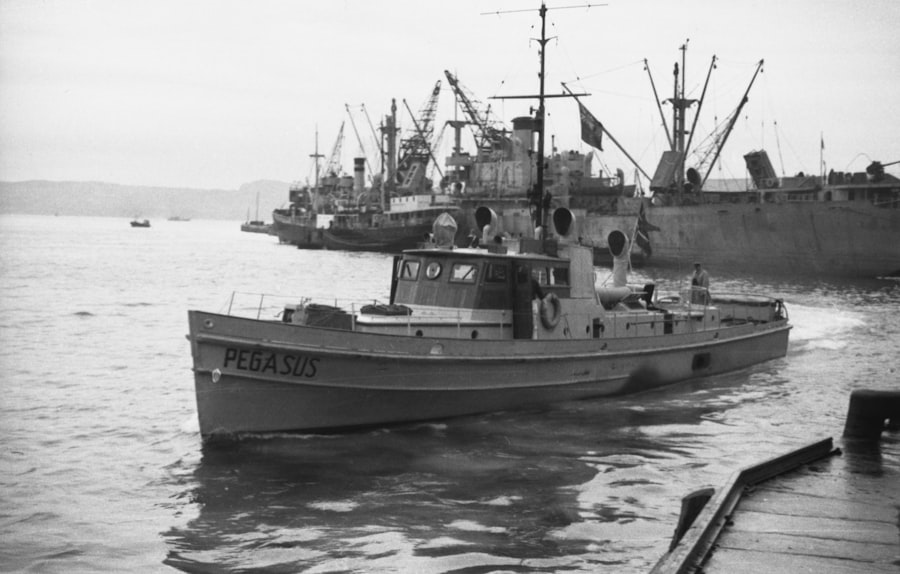
While radio communications were vital for surface vessels and aircraft, submarines posed a unique challenge. Their very nature demanded stealth, often meaning their communications were limited to brief, low-frequency transmissions or, more significantly, relying on sonar for tactical awareness. Acoustic Intelligence (ACOUSTINT) became crucial. This involved deploying passive hydrophone arrays, both on submarines and in fixed seabed locations, to listen to the sounds of Soviet submarines. By analyzing the acoustic signatures of Soviet vessels, intelligence agencies could identify types of submarines, track their movements, and even infer their operational status. This was like listening to the heartbeat of the ocean, trying to distinguish the subtle rhythms of Soviet submarines from the natural sounds of the sea.
The ‘Lamps’ Effort: Seabed Interception
Perhaps one of the most ambitious and audacious undertakings in SIGINT history was Project LION’S PAWS, often referred to as the “Lamps” effort. This top-secret operation involved the covert placement of sophisticated listening devices on the seabed near Soviet naval operating areas, specifically targeting underwater communication cables. These cables carried a significant volume of Soviet naval communications, and by tapping into them directly, the United States gained access to a wealth of intelligence that would have been otherwise inaccessible. The sheer audacity of lying on the ocean floor, in Soviet waters, and attaching a wire to their communications lifeline is a testament to the lengths intelligence agencies would go.
The Silent Dancers: Submarine-to-Submarine Communication
Submarines often operated in hunter-killer groups, requiring communication between themselves. These communications, though often brief and encrypted, could be intercepted by other submarines or by specialized listening posts. The ability to eavesdrop on these exchanges provided invaluable insights into Soviet naval tactics, patrol patterns, and the operational readiness of their submarine force. It was as if the United States had gained the ability to eavesdrop on secret conversations between silent, powerful predators lurking in the deep.
Surface Encounters: Intercepting Fleet Communications
Radio Frequency Interception: The Conventional Approach
The backbone of surface fleet communication was, and remains, radio waves. Soviet warships, destroyers, cruisers, and aircraft carriers all relied on radio for command and control, air traffic management, and tactical coordination. American SIGINT platforms, ranging from dedicated electronic intelligence ships to reconnaissance aircraft, were tasked with intercepting these radio transmissions. This involved tuning into specific frequencies, identifying transmission patterns, and then collecting the intercepted data for analysis. The success of this effort depended on both the technical capabilities of the interception equipment and the skill of the intelligence analysts tasked with identifying meaningful transmissions. It was a constant tuning of the dial, searching for the right station amidst a sea of noise.
Direction Finding and Geolocation: Pinpointing the Source
Intercepting a signal is one thing, but knowing where it came from is another. Direction Finding (DF) techniques were employed to pinpoint the location of Soviet transmitters. By using multiple receiving stations or highly directional antennas, intelligence agencies could triangulate the position of a transmitting vessel. This information was critical for tracking the movement of Soviet naval assets and for understanding the operational disposition of the fleet. Imagine being able to tell not just what the enemy was saying, but where they were saying it from, painting a moving map of their deployments.
Elint and the Detection of Radar Systems
Beyond direct communications, Electronic Intelligence (ELINT) played a crucial role in understanding Soviet naval capabilities. By intercepting signals from Soviet radar systems, intelligence agencies could identify the type of radar, its range, its capabilities, and its operational status. This information was vital for developing countermeasures and for understanding how Soviet ships and aircraft would detect and track enemy forces. It was like understanding the enemy’s eyes, knowing what they could see and how they would use their vision.
The complexities of naval communication during the Cold War era are highlighted in a fascinating article that discusses the Soviet Pacific Fleet’s communication tap. This piece delves into the intricacies of how intelligence was gathered and the implications it had on maritime strategy. For those interested in exploring this topic further, you can read more about it in this insightful article here. Understanding these historical contexts can provide valuable lessons for contemporary naval operations and intelligence practices.
The Spoils of War: Intelligence and its Impact
| Metric | Details |
|---|---|
| Operation Name | Project SORM |
| Target | Soviet Pacific Fleet Communication Lines |
| Time Period | 1970s – 1980s |
| Type of Communication Tapped | Radio, Telephone, and Telegraph |
| Primary Objective | Intercept and monitor Soviet naval communications |
| Technology Used | Signal interception equipment, wiretaps, radio receivers |
| Agencies Involved | KGB, GRU, NSA (counterpart) |
| Estimated Volume of Intercepted Communications | Thousands of messages per month |
| Impact | Provided strategic intelligence on Soviet naval movements and plans |
Decrypting Soviet Intentions and Capabilities
The ultimate goal of these communication taps was to gain actionable intelligence. Decrypting Soviet messages revealed their operational plans, their deployment schedules, their maintenance status, and even the morale of their crews. This information was invaluable to American military planners, allowing them to anticipate Soviet actions, adjust their own defenses, and make informed decisions about resource allocation. It was the difference between reacting blindly and acting with foresight, a critical advantage in a high-stakes game.
Supporting Strategic Decision-Making
The intelligence gathered from the Soviet Pacific Fleet was not just of tactical interest; it had significant strategic implications. Understanding the true strength and intentions of the Soviet Navy allowed U.S. leaders to make informed decisions regarding naval deployments, arms negotiations, and diplomatic strategies. It provided a clearer picture of the global balance of power, informing the decisions that shaped the trajectory of the Cold War. This was not just about ships and signals; it was about the very fabric of international relations.
The Ongoing Legacy of SIGINT
The Cold War may have ended, but the legacy of SIGINT operations, including those targeting the Soviet Pacific Fleet, continues to inform modern intelligence practices. The technologies and methodologies developed during this period laid the groundwork for contemporary SIGINT capabilities. Furthermore, the historical archives of intercepted and decrypted communications provide a rich source of information for historians and analysts seeking to understand the intricacies of the Cold War and the enduring challenges of global security. The echoes of those intercepted whispers still resonate in the halls of intelligence agencies today, a testament to the enduring power of information.
WATCH NOW ▶️ SHOCKING: Why the Seafloor Went Silent
FAQs
What was the Soviet Pacific Fleet communication tap?
The Soviet Pacific Fleet communication tap was a covert operation or incident involving the interception or monitoring of communications within or related to the Soviet Pacific Fleet, which was a major naval force of the Soviet Union stationed in the Pacific Ocean.
When did the Soviet Pacific Fleet communication tap occur?
The specific timing of the Soviet Pacific Fleet communication tap varies depending on the context, but such activities were most prominent during the Cold War era, particularly from the 1950s through the 1980s, when intelligence and counterintelligence operations were widespread.
What was the purpose of tapping the Soviet Pacific Fleet communications?
The primary purpose was to gather intelligence on Soviet naval operations, movements, and strategic plans in the Pacific region. This information was valuable for military and political decision-making by opposing forces, especially the United States and its allies.
Who conducted the communication tap on the Soviet Pacific Fleet?
The communication tap was likely conducted by Western intelligence agencies, such as the United States’ National Security Agency (NSA) or other allied intelligence services, as part of their efforts to monitor Soviet military activities during the Cold War.
What impact did the communication tap have on Cold War naval operations?
The intelligence gained from tapping the Soviet Pacific Fleet’s communications provided critical insights that influenced naval strategies, helped prevent surprises, and contributed to the balance of power in the Pacific region during the Cold War. It also heightened the importance of secure communications and counterintelligence measures on both sides.