The Cuban Missile Crisis of October 1962 represents one of the most dangerous confrontations of the Cold War, when the United States and Soviet Union came perilously close to nuclear conflict. The Soviet Navy played a crucial role during this crisis, supporting the deployment of Soviet military assets to Cuba and maintaining their presence in the Caribbean. This wasn’t simply a land-based standoff but a complex geopolitical conflict involving significant naval elements, diplomatic negotiations, and strategic calculations.
Soviet naval forces served as a vital component in projecting Moscow’s power into the Western Hemisphere, directly challenging American dominance in waters traditionally under U.S.
This naval presence represented a deliberate attempt to alter the strategic balance between the superpowers.
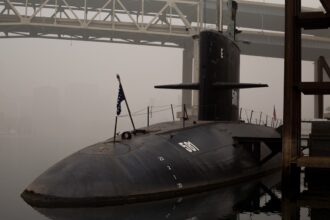
As the crisis intensified, the Soviet Navy became instrumental in the USSR’s deterrence strategy. The deployment included submarines equipped with nuclear torpedoes, surface vessels, and support ships necessary for sustained operations far from Soviet home waters. These naval movements were carefully calculated to counter American naval superiority while establishing a credible military presence near American shores.
This naval dimension of the crisis significantly influenced both the immediate confrontation and subsequent developments in Cold War naval strategy and operations.
Key Takeaways
- The Soviet Navy played a crucial strategic role in deploying missiles and maintaining a naval presence in the Caribbean during the Cuban Missile Crisis.
- Soviet naval forces, including submarines, were central to the tense confrontations with the US Navy, highlighting the risk of escalation.
- The presence of the Soviet Navy influenced diplomatic negotiations by demonstrating Soviet resolve and complicating US blockade efforts.
- Lessons from the crisis emphasized the importance of naval power in Cold War brinkmanship and shaped future global naval strategies.
- The Soviet Navy’s involvement significantly impacted the outcome of the crisis and left a lasting legacy on Cold War history and naval doctrine.
The strategic importance of the Soviet Navy in the Caribbean during the crisis
The Caribbean region held immense strategic significance during the Cold War, serving as a critical theater for both superpowers. For the Soviet Union, establishing a naval presence in this area was essential for projecting power and countering U.S. influence. The proximity of Cuba to the United States made it an ideal location for Soviet military installations, including missile sites that could threaten American cities. The Soviet Navy’s role in this context was not merely about military might; it was also about sending a clear message to Washington that Moscow would not back down in its pursuit of global influence. The Caribbean also served as a vital maritime route for both trade and military logistics. Control over these waters allowed for greater maneuverability and access to key shipping lanes. The Soviet Navy’s ability to operate in this region meant that it could effectively support its ground forces in Cuba while simultaneously challenging U.S. naval operations. This strategic positioning was crucial during the crisis, as it provided the Soviets with options for both offensive and defensive operations, thereby complicating U.S. military planning and response.
The deployment of Soviet naval forces to Cuba and their role in the crisis
In response to escalating tensions, the Soviet Union undertook a significant deployment of naval forces to Cuba, marking a bold move that would have far-reaching implications. This operation involved not only surface ships but also submarines and logistical support vessels, all aimed at reinforcing Soviet military capabilities on the island. The deployment was shrouded in secrecy, with many Western analysts initially underestimating the scale and intent of Soviet operations.
However, as intelligence reports began to surface, it became clear that Moscow was prepared to escalate its military presence dramatically. The role of these naval forces extended beyond mere presence; they were integral to the operational readiness of Soviet missile systems deployed in Cuba. The ships provided essential logistical support, including resupply missions and maintenance operations for missile installations.
Furthermore, they served as a deterrent against potential U.S. military action, signaling that any aggressive moves by Washington would be met with a robust response from Soviet naval forces. This strategic deployment underscored the importance of naval power in modern warfare and highlighted how maritime capabilities could influence land-based conflicts.
The confrontation between the US Navy and the Soviet Navy during the crisis
As tensions reached their peak during the Cuban Missile Crisis, a direct confrontation between U.
and Soviet naval forces became inevitable. The United States had established a naval blockade around Cuba, aimed at preventing further shipments of military supplies to the island.
This blockade, termed a “quarantine,” was a calculated risk that sought to pressure the Soviets into withdrawing their missiles without resorting to military action. However, this move also set the stage for potential conflict on the high seas. The standoff between U.S.
and Soviet naval vessels was fraught with tension and uncertainty. Both sides were acutely aware that any miscalculation could lead to catastrophic consequences. U.S.
Navy ships patrolled the waters around Cuba, while Soviet vessels attempted to breach the blockade, leading to tense encounters that could have escalated into open conflict. The presence of nuclear-armed submarines on both sides added an additional layer of complexity to this already volatile situation. Each side had to navigate not only their military objectives but also the broader implications of their actions on global stability.
The role of Soviet submarines in the Cuban Missile Crisis
| Metric | Data | Notes |
|---|---|---|
| Number of Soviet Submarines Deployed | 4 | Four Foxtrot-class submarines sent to Cuban waters |
| Number of Soviet Surface Ships | 30+ | Including destroyers, cruisers, and support vessels |
| Number of Soviet Nuclear Missiles in Cuba | 36 | Medium-range ballistic missiles (R-12 and R-14) |
| Duration of Crisis | 13 days | October 16 to October 28, 1962 |
| Number of Soviet Troops in Cuba | Approximately 40,000 | Including missile crews and support personnel |
| Number of Soviet Nuclear Warheads in Cuba | Approximately 162 | Warheads for missiles and tactical weapons |
| Number of Soviet Ships Intercepted by US Navy | Several | During the naval quarantine/blockade |
| Outcome | Missiles dismantled and withdrawn | Following US-Soviet agreement to avoid nuclear war |
Soviet submarines played a particularly critical role during the Cuban Missile Crisis, serving as both a deterrent and a potential offensive threat. These submarines were equipped with nuclear missiles capable of striking targets within the United States, thereby providing Moscow with a powerful bargaining chip in negotiations with Washington. Their stealthy nature allowed them to operate undetected, creating an atmosphere of uncertainty for U.S.
military planners who were unsure of their exact locations or capabilities. The presence of these submarines also complicated U.S. naval operations during the crisis.
American forces were tasked with locating and monitoring these vessels while simultaneously enforcing the blockade around Cuba. This dual responsibility stretched U.S. resources thin and heightened tensions between both navies.
The potential for an accidental engagement or miscommunication loomed large, as both sides navigated a precarious balance between assertiveness and restraint.
The impact of the Soviet Navy’s presence on diplomatic negotiations during the crisis
The presence of the Soviet Navy in the Caribbean had profound implications for diplomatic negotiations during the Cuban Missile Crisis. As U.S. officials grappled with how to respond to Soviet actions, they recognized that any military engagement could escalate into a full-blown conflict with catastrophic consequences.
The existence of Soviet naval forces acted as a significant deterrent against aggressive U.S. actions, forcing American leaders to consider diplomatic avenues more seriously. Moreover, the naval presence provided leverage for Soviet negotiators during discussions with their American counterparts.
The ability to project military power through naval assets allowed Moscow to assert its position more forcefully in negotiations, ultimately leading to a resolution that involved mutual concessions from both sides. The crisis underscored how naval power could influence diplomatic outcomes, shaping not only immediate responses but also long-term strategies for both superpowers.
The lessons learned from the Soviet Navy’s involvement in the Cuban Missile Crisis
The Cuban Missile Crisis offered several critical lessons regarding naval strategy and international relations that would resonate long after its conclusion. One key takeaway was the importance of maintaining robust naval capabilities as a means of deterrence. The Soviet Navy’s ability to project power into the Caribbean demonstrated how maritime forces could serve as a counterbalance to land-based military assets, reshaping perceptions of strength among adversaries.
Additionally, the crisis highlighted the necessity for clear communication channels between military forces and political leaders. Misunderstandings or miscalculations during naval confrontations could lead to unintended escalations, emphasizing the need for effective dialogue and crisis management strategies. Both superpowers emerged from this experience with a renewed understanding of how naval operations could impact broader geopolitical dynamics.
The legacy of the Soviet Navy’s role in the Cuban Missile Crisis on global naval strategy
The legacy of the Soviet Navy’s involvement in the Cuban Missile Crisis has had lasting implications for global naval strategy and military doctrine. In particular, it underscored the significance of maritime power in modern warfare and international relations. Nations around the world began to recognize that control over sea lanes and maritime access could be just as crucial as land-based military capabilities.
Furthermore, this crisis prompted many countries to reevaluate their own naval strategies in light of potential confrontations with rival powers. The lessons learned from this period influenced subsequent naval developments, including advancements in submarine technology and anti-submarine warfare tactics. As nations sought to enhance their maritime capabilities, they drew inspiration from both sides’ experiences during this pivotal moment in history.
The Soviet Navy’s influence on the outcome of the Cuban Missile Crisis
The influence of the Soviet Navy on the outcome of the Cuban Missile Crisis cannot be overstated. Its presence served as both a deterrent against U.S. aggression and a means for Moscow to assert its position on the global stage.
By deploying naval forces to Cuba, the Soviets demonstrated their commitment to supporting their allies while simultaneously challenging U.S. dominance in Latin America. Ultimately, it was this combination of military readiness and diplomatic maneuvering that led to a resolution of the crisis without resorting to armed conflict.
The negotiations that followed were shaped by the realities on the ground—namely, the presence of Soviet naval assets—and resulted in mutual concessions that would define U.S.-Soviet relations for years to come.
The significance of the Soviet Navy’s involvement in shaping Cold War history
The involvement of the Soviet Navy during the Cuban Missile Crisis played a significant role in shaping Cold War history by illustrating how maritime power could influence geopolitical dynamics. This episode marked a turning point in U.S.-Soviet relations, highlighting both nations’ willingness to engage in brinkmanship while also recognizing the need for diplomacy to avoid catastrophic outcomes. Moreover, this crisis set a precedent for future confrontations between superpowers, demonstrating that naval forces could serve as both instruments of war and tools for negotiation.
As nations continued to navigate complex international landscapes throughout the Cold War, they would often look back at this moment as a critical reference point for understanding how maritime strategy could impact broader political objectives.
The lasting impact of the Soviet Navy’s role in the Cuban Missile Crisis
In conclusion, the role of the Soviet Navy during the Cuban Missile Crisis was instrumental not only in shaping immediate events but also in influencing long-term strategies within global naval operations and international relations. Its deployment underscored the importance of maritime power as a tool for deterrence and negotiation while highlighting how naval confrontations could escalate tensions between superpowers. The lessons learned from this crisis continue to resonate today as nations grapple with complex geopolitical challenges and seek to navigate an increasingly interconnected world.
The legacy of the Soviet Navy’s involvement serves as a reminder that control over maritime domains remains vital for national security and international stability—a lesson that will undoubtedly inform future generations as they confront their own crises on the global stage.
The Cuban Missile Crisis was a pivotal moment in Cold War history, showcasing the intense naval standoff between the United States and the Soviet Union. For a deeper understanding of the Soviet Navy’s role during this critical period, you can explore the article on the topic at In The War Room. This resource provides valuable insights into the strategic maneuvers and decisions made by the Soviet Navy, highlighting the complexities of maritime operations during the crisis.
FAQs
What role did the Soviet Navy play during the Cuban Missile Crisis?
The Soviet Navy was instrumental in transporting nuclear missiles and military equipment to Cuba. During the crisis, Soviet naval vessels were involved in a tense standoff with the U.S. Navy as they attempted to deliver these weapons despite the U.S. naval blockade.
How did the Soviet Navy attempt to bypass the U.S. naval blockade?
The Soviet Navy tried to run the U.S. naval quarantine line around Cuba by sending ships carrying missiles and supplies. Some Soviet ships slowed down or stopped to avoid confrontation, while others turned back to avoid escalation.
Were there any naval confrontations between the Soviet and U.S. navies during the crisis?
There were several tense encounters and close maneuvers between Soviet and U.S. naval vessels, but no direct combat occurred. Both sides exercised caution to avoid triggering a military conflict.
What types of Soviet naval vessels were involved in the Cuban Missile Crisis?
The Soviet Navy deployed a variety of ships, including diesel and nuclear-powered submarines, missile carriers, and cargo ships transporting missile components and military personnel to Cuba.
Did the Soviet Navy have nuclear submarines near Cuba during the crisis?
Yes, the Soviet Navy had nuclear-powered submarines operating near Cuba. Some of these submarines were armed with nuclear torpedoes, which added to the tension during the crisis.
How did the Cuban Missile Crisis impact Soviet naval strategy?
The crisis highlighted the importance of naval power projection and the risks of naval confrontations. It led to increased Soviet investment in submarine capabilities and naval modernization to better support strategic objectives.
What was the outcome for the Soviet Navy after the Cuban Missile Crisis?
Following the crisis, the Soviet Navy withdrew its missile shipments from Cuba as part of the agreement with the United States. The event underscored the need for improved communication and crisis management between the superpowers to prevent future naval escalations.