The expansion of the Soviet Navy’s surveillance capabilities during the Cold War marked a significant shift in maritime strategy and international relations. As tensions escalated between the Soviet Union and Western powers, particularly the United States, the need for enhanced surveillance became paramount. The Soviet Navy sought to establish a formidable presence on the world’s oceans, not only to protect its own interests but also to monitor and counteract the activities of rival naval forces.
This expansion was characterized by a multifaceted approach that integrated technological advancements, strategic planning, and a comprehensive understanding of maritime dynamics. The implications of this surveillance expansion were profound, affecting not only military operations but also geopolitical landscapes. The Soviet Navy’s ability to gather intelligence and monitor naval movements allowed it to project power more effectively and respond to perceived threats.
This article delves into the historical context, strategic importance, technological advancements, and broader implications of the Soviet Navy’s surveillance expansion, providing a comprehensive overview of its impact on maritime security and international relations.
Key Takeaways
- The Soviet Navy significantly expanded its surveillance capabilities to enhance maritime security and strategic military advantage.
- Technological advancements played a crucial role in improving the effectiveness of Soviet naval surveillance operations.
- Increased Soviet surveillance had notable impacts on international relations, prompting responses from other naval powers.
- Despite advancements, the Soviet Navy faced operational challenges and limitations in its surveillance efforts.
- Surveillance was integral to the Soviet Navy’s military strategy, with implications extending to civilian and commercial maritime activities.
Historical Context of Soviet Navy’s Role in Surveillance
To understand the Soviet Navy’s expansion in surveillance capabilities, one must consider the historical backdrop of the Cold War. Following World War II, the Soviet Union emerged as a superpower, competing with the United States for global influence. The onset of the Cold War saw both nations engaging in an arms race that extended to naval capabilities.
The Soviet Navy, initially focused on coastal defense, began to evolve into a blue-water navy capable of operating far from its shores. During this period, the Soviet leadership recognized the importance of maritime surveillance as a means to safeguard national interests and assert dominance in key regions. The establishment of naval bases in strategic locations, such as the Mediterranean and the Arctic, facilitated enhanced surveillance operations.
The Soviet Navy’s role in gathering intelligence on Western naval movements became increasingly vital, as it sought to counterbalance the U.S. Navy’s global reach. This historical context laid the groundwork for a comprehensive surveillance strategy that would shape naval operations for decades to come.
Strategic Importance of Surveillance for Soviet Navy

The strategic importance of surveillance for the Soviet Navy cannot be overstated. In an era defined by ideological rivalry and military posturing, the ability to monitor enemy movements and intentions was crucial for maintaining a competitive edge. Surveillance allowed the Soviet Navy to gather critical intelligence on U.S.
naval deployments, assess potential threats, and develop counter-strategies. This intelligence-gathering capability was not merely a defensive measure; it was integral to offensive planning and operational readiness. Moreover, surveillance played a key role in shaping the Soviet Navy’s doctrine and operational strategies.
By understanding the capabilities and limitations of adversary forces, the Soviet Navy could tailor its own strategies to exploit weaknesses.
In this context, the expansion of surveillance capabilities was not just about monitoring; it was about ensuring that the Soviet Navy could operate effectively in a complex and often hostile maritime environment.
Technological Advancements in Soviet Navy’s Surveillance Capabilities
The technological advancements that underpinned the Soviet Navy’s surveillance expansion were significant and multifaceted. The development of sophisticated radar systems, sonar technology, and satellite reconnaissance capabilities transformed how the Soviet Navy conducted operations. These innovations enabled more accurate tracking of naval vessels and enhanced situational awareness in contested waters.
One notable advancement was the integration of electronic warfare capabilities into surveillance operations. The Soviet Navy developed systems designed to intercept communications and gather intelligence on enemy activities. This electronic dimension added a layer of complexity to naval operations, allowing for more nuanced assessments of adversary intentions.
Additionally, advancements in underwater surveillance technology, such as submarines equipped with advanced sonar systems, further enhanced the Navy’s ability to monitor maritime activities discreetly.
Impact of Increased Surveillance on Maritime Security
| Metric | Details | Timeframe | Significance |
|---|---|---|---|
| Number of Soviet Naval Vessels Deployed | Approximately 150 surface combatants and submarines | Early 1980s | Indicates increased Soviet naval presence in key strategic areas |
| Frequency of Soviet Naval Patrols | Patrols increased by 30% in North Atlantic and Pacific regions | 1980-1985 | Heightened monitoring of NATO and US naval activities |
| Number of Soviet Naval Bases Monitored | 5 major bases under continuous surveillance | 1980s | Focus on key strategic points such as Murmansk and Vladivostok |
| Intelligence Reports on Soviet Naval Exercises | Over 20 large-scale exercises recorded annually | 1980-1985 | Demonstrates Soviet naval readiness and strategic signaling |
| US and NATO Naval Monitoring Assets Deployed | Deployment of 10 additional surveillance ships and aircraft | Early 1980s | Response to increased Soviet naval activity |
The increase in surveillance capabilities had profound implications for maritime security during the Cold War era. As the Soviet Navy expanded its reach and monitoring capabilities, it contributed to an environment of heightened tension on the high seas. The ability to track enemy vessels and monitor naval exercises created a sense of unease among Western powers, leading to an escalation in naval deployments and counter-surveillance efforts.
This dynamic resulted in a complex interplay between deterrence and provocation. While enhanced surveillance aimed to deter potential aggression by showcasing military readiness, it also risked miscalculations that could lead to confrontations at sea. Incidents involving close encounters between Soviet and U.S.
naval vessels became more frequent, underscoring the delicate balance between maintaining security and avoiding escalation.
Potential Implications for International Relations
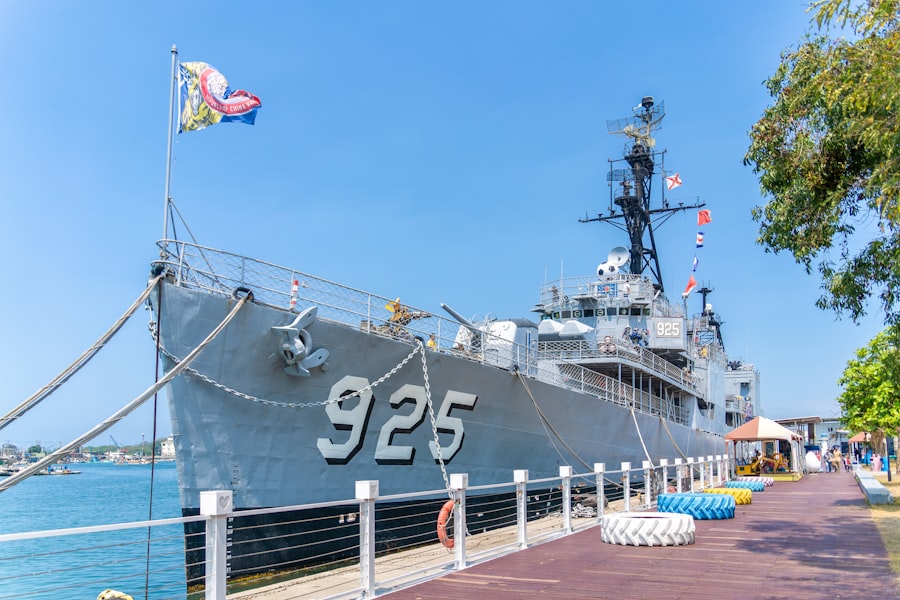
The expansion of the Soviet Navy’s surveillance capabilities had far-reaching implications for international relations during the Cold War. As both superpowers engaged in a contest for influence, the ability to monitor each other’s activities became a critical factor in shaping diplomatic interactions. The Soviet Union’s assertive stance in maritime surveillance often led to tensions with Western nations, particularly as incidents at sea highlighted the risks associated with close encounters.
Moreover, the emphasis on surveillance contributed to an atmosphere of mistrust between rival powers. Each side viewed the other’s naval activities through a lens of suspicion, leading to an escalation in military posturing and strategic competition. This environment complicated efforts at diplomacy and arms control, as both sides sought to gain an advantage through intelligence gathering and countermeasures.
Response from Other Naval Powers to Soviet Navy’s Surveillance Expansion
In response to the Soviet Navy’s expansion in surveillance capabilities, other naval powers took measures to enhance their own monitoring and intelligence-gathering efforts. The United States, in particular, recognized the need to counterbalance Soviet advancements by investing in advanced technologies and expanding its own naval presence globally. This included deploying more sophisticated reconnaissance aircraft, enhancing satellite capabilities, and increasing naval patrols in contested waters.
Allied nations also sought to bolster their maritime security by sharing intelligence and coordinating responses to perceived threats from the Soviet Navy. Joint exercises and collaborative efforts among NATO allies aimed to improve situational awareness and readiness in response to potential Soviet aggression. This collective response underscored the interconnectedness of global naval dynamics during this period, as nations recognized that effective surveillance was essential for maintaining security in an increasingly complex geopolitical landscape.
Challenges and Limitations of Soviet Navy’s Surveillance Operations
Despite its advancements, the Soviet Navy faced numerous challenges and limitations in its surveillance operations. Geographic constraints posed significant hurdles; vast oceanic expanses made it difficult to maintain constant monitoring over all areas of interest. Additionally, technological limitations sometimes hindered the effectiveness of surveillance systems, leading to gaps in intelligence coverage.
Operational challenges also arose from the need for coordination among various branches of the military and intelligence agencies. Ensuring seamless communication between surface ships, submarines, and aerial reconnaissance platforms was essential for effective surveillance but often proved difficult in practice. Furthermore, adversaries’ countermeasures—such as electronic jamming or deceptive tactics—complicated efforts to gather accurate intelligence.
Role of Surveillance in Soviet Navy’s Military Strategy
Surveillance played a central role in shaping the overall military strategy of the Soviet Navy. It was not merely an adjunct to operational planning; rather, it was integral to understanding the broader strategic landscape. By gathering intelligence on enemy movements and capabilities, the Soviet Navy could inform its own operational decisions and allocate resources more effectively.
The emphasis on surveillance also reflected a broader military doctrine that prioritized information dominance as a means of achieving strategic objectives. The ability to anticipate enemy actions based on accurate intelligence allowed for more effective decision-making during crises or conflicts. In this context, surveillance became a force multiplier that enhanced the overall effectiveness of naval operations.
Civilian and Commercial Implications of Increased Soviet Navy Surveillance
The expansion of the Soviet Navy’s surveillance capabilities had implications beyond military considerations; it also affected civilian and commercial activities at sea. Increased monitoring raised concerns among commercial shipping companies operating in contested waters, as they faced potential disruptions or heightened scrutiny from naval forces. Moreover, fishing industries and maritime trade routes were impacted by heightened surveillance activities.
The presence of military vessels conducting monitoring operations could create an atmosphere of uncertainty for commercial operators, leading to changes in shipping routes or increased insurance costs due to perceived risks. This intersection between military operations and civilian maritime activities underscored the broader implications of naval surveillance on global trade dynamics.
Future Outlook for Soviet Navy’s Surveillance Operations
Looking ahead, the future outlook for the Soviet Navy’s surveillance operations remains complex and multifaceted. As geopolitical dynamics continue to evolve, so too will the strategies employed by naval forces around the world. The lessons learned from past experiences will likely inform future developments in surveillance technology and operational practices.
In an era characterized by rapid technological advancements—such as artificial intelligence and unmanned systems—the potential for enhanced surveillance capabilities is significant. However, challenges related to cybersecurity threats and counter-surveillance measures will persist as nations navigate an increasingly interconnected maritime environment. Ultimately, the legacy of the Soviet Navy’s surveillance expansion will continue to shape discussions around maritime security and international relations for years to come.
The recent developments in Soviet naval posture have prompted increased monitoring by various defense analysts, highlighting the strategic implications for global maritime security. For a deeper understanding of these dynamics, you can read the related article on this topic at this link. This article provides insights into the historical context and current trends influencing naval operations in the region.
FAQs
What does “Soviet naval posture” refer to?
The term “Soviet naval posture” refers to the strategic positioning, deployment, and overall readiness of the Soviet Union’s naval forces during a specific period. It encompasses the types of ships, their locations, operational doctrines, and the intended role of the navy in national defense and power projection.
Why was there heightened monitoring of the Soviet naval posture?
Heightened monitoring of the Soviet naval posture was typically conducted by other nations, especially during the Cold War, to assess potential threats, track naval movements, and gather intelligence. This was crucial for maintaining strategic balance, ensuring early warning of possible military actions, and informing defense planning.
Which countries were primarily involved in monitoring the Soviet naval posture?
The United States and its NATO allies were the primary countries involved in monitoring the Soviet naval posture. They used various intelligence methods, including satellite reconnaissance, signals intelligence, and naval patrols, to keep track of Soviet naval activities.
What methods were used to monitor the Soviet naval forces?
Monitoring methods included satellite imagery, electronic surveillance, submarine and surface ship patrols, reconnaissance aircraft, and interception of communications. These tools helped gather information on ship movements, fleet composition, and readiness.
How did the Soviet naval posture impact global security during the Cold War?
The Soviet naval posture was a significant factor in Cold War military strategy. Its expansion and modernization prompted NATO to enhance its own naval capabilities, contributing to an arms race at sea. The presence of Soviet naval forces in key regions influenced global maritime security and power dynamics.
Did the Soviet naval posture change over time?
Yes, the Soviet naval posture evolved throughout the Cold War, shifting from a primarily coastal defense force to a blue-water navy capable of projecting power globally. This included the development of nuclear-powered submarines, aircraft carriers, and advanced missile systems.
What was the significance of monitoring Soviet naval posture for intelligence agencies?
For intelligence agencies, monitoring the Soviet naval posture was vital for understanding Soviet military intentions, capabilities, and technological advancements. It helped in strategic decision-making, threat assessment, and maintaining a balance of power.
Is the term “Soviet naval posture” still relevant today?
While the Soviet Union dissolved in 1991, the term “Soviet naval posture” remains relevant in historical and military studies. Current naval strategies of Russia, the Soviet Union’s successor state, are often analyzed in the context of their Soviet legacy.