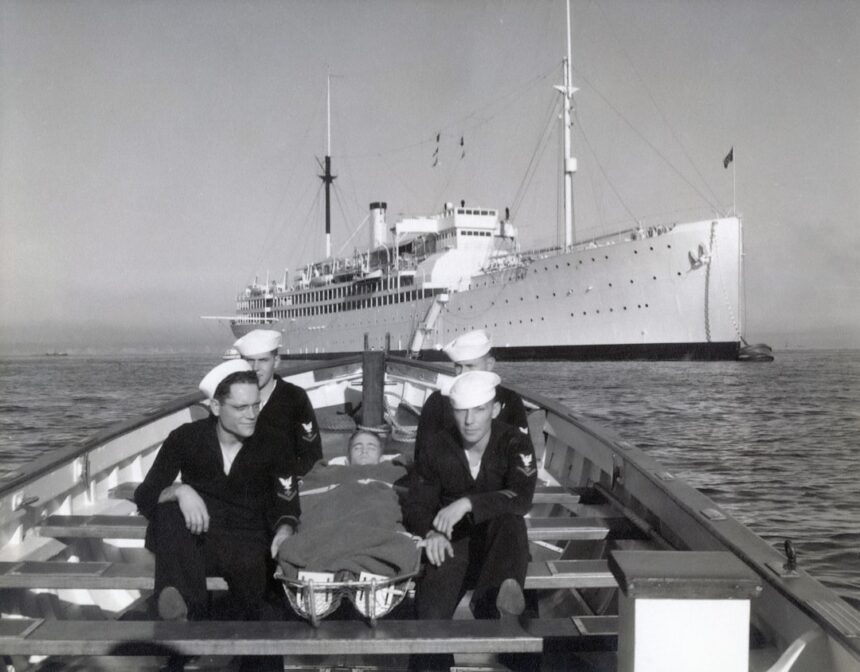
Soviet naval operations, particularly during the Cold War, represented a complex interplay of strategic imperatives, technological advancements, and a persistent display of confidence, often bordering on audacious. From the immediate post-World War II rebuilding efforts to the twilight years of the Soviet Union, the Red Banner Fleet sought to project power, deter adversaries, and, when necessary, challenge the established maritime order. This article examines key aspects of these operations, analyzing their objectives, methodologies, and the implications for global geopolitics.
The devastation of World War II left the Soviet Union in a precarious position, yet the leadership swiftly recognized the necessity of a formidable navy. The ideological framework underpinning this reconstruction was rooted in Marxist-Leninist principles, asserting the need for a powerful military to defend the socialist state against capitalist encirclement. You can learn more about the history of the company by watching this video about John Walker.
Rebuilding the Surface Fleet
Initially, the Soviet Navy focused on reconstructing its surface fleet, replacing losses and incorporating captured German technology. The emphasis was on coastal defense and short-range projection, reflecting a more pragmatic approach in the immediate post-war period.
- Destroyer Programs: The Skory and Kotlin classes of destroyers, while technologically conventional, represented a significant step in rebuilding surface combatant numbers. Their primary role was anti-surface warfare and anti-submarine screening for larger formations.
- Cruiser Development: The Sverdlov class cruisers, though somewhat dated in concept for the emerging missile age, were built in substantial numbers. Their impressive armament of 152mm guns symbolized a desire for conventional firepower and provided a degree of naval influence in contested waters.
The Rise of Submarine Warfare
Concurrently with surface fleet reconstruction, the Soviet Union embarked on an ambitious submarine construction program. This strategic shift recognized the submarine’s potential as an asymmetric weapon against superior Western naval forces.
- Diesel-Electric Proliferation: The Whiskey-class (Project 613) and Zulu-class (Project 611) diesel-electric submarines were produced in vast numbers, exceeding any other nation’s submarine construction efforts. These vessels formed the backbone of the early Soviet submarine arm, posing a significant — albeit localized — threat.
- Early Nuclear Submarines: The development of the November-class (Project 627 Kit) nuclear-powered attack submarine marked a pivotal moment. This technological leap allowed for extended underwater endurance and higher speeds, fundamentally altering the calculus of naval warfare.
The Soviet Union’s confidence in naval operations during the Cold War era was significantly influenced by their strategic developments and military doctrines. An insightful article that delves into this topic is available at this link: Soviet Naval Strategies and Their Impact on Global Maritime Power. This piece explores how the Soviet Navy evolved and adapted to the challenges of maritime warfare, reflecting the broader geopolitical tensions of the time.
Global Projections and “Blue Water” Aspirations
As the Cold War intensified, Soviet naval strategy evolved from a predominantly defensive, coastal orientation to one with increasingly global aspirations. This “blue water” ambition sought to extend Soviet influence beyond its immediate maritime borders, challenging Western naval hegemony.
The Cuban Missile Crisis: A Baptism by Fire
The Cuban Missile Crisis of 1962 served as a stark demonstration of the Soviet Navy’s limitations but also highlighted its emergent capabilities and willingness to confront. The presence of Soviet submarines and surface vessels in the Caribbean created a tense standoff, pushing the boundaries of naval brinkmanship.
- Submarine Deployments: The deployment of Foxtrot-class (Project 641) submarines to Cuba, armed with conventional and potentially nuclear torpedoes, introduced a new layer of complexity to the crisis. These vessels, while ultimately detected and forced to surface, demonstrated the potential for covert missile delivery.
- Surface Fleet Vulnerabilities: The relative lack of air cover and the overwhelming superiority of the US Navy in the transatlantic transit proved a sobering lesson. This experience directly fueled future investment in aircraft carriers and long-range naval aviation.
The Age of Missiles and Nuclear Power
The post-crisis era saw an accelerated development of missile technology and nuclear propulsion, transforming the Soviet Navy into a truly formidable force. This period witnessed the introduction of some of the most iconic Soviet warships.
- Submarine-Launched Ballistic Missiles (SLBMs): The Yankee-class (Project 667A Navaga) ballistic missile submarines (SSBNs) became a critical component of the Soviet strategic nuclear triad. These underwater platforms provided a second-strike capability, ensuring mutual assured destruction (MAD).
- Guided Missile Cruisers: The Kynda-class (Project 58) and Kresta-class (Project 1134 Berkut) guided-missile cruisers, with their formidable array of anti-ship and anti-air missile systems, represented a significant leap in offensive capabilities. They were designed to engage and destroy Western aircraft carrier battle groups, a primary strategic adversary.
The Era of Forward Deployments and Naval Exercises
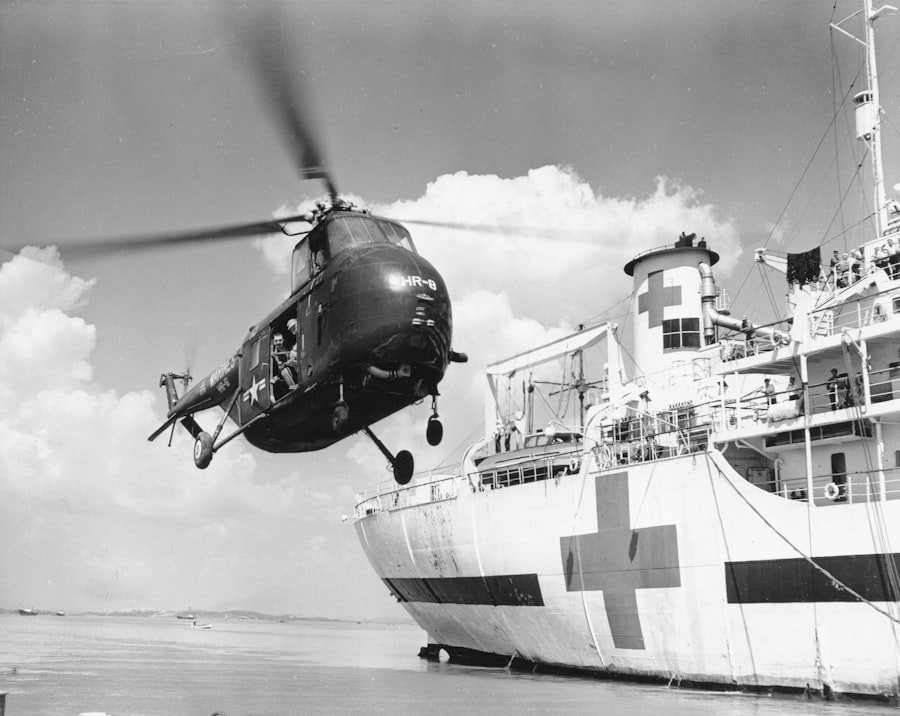
Soviet naval operations increasingly involved persistent forward deployments and large-scale exercises designed to test capabilities, project power, and gather intelligence on potential adversaries. These operations often served as a subtle, yet unmistakable, challenge to the established maritime order.
Mediterranean Squadron (5th Operational Squadron)
The deployment of the 5th Operational Squadron to the Mediterranean Sea from the mid-1960s onwards marked a significant shift in Soviet naval strategy. This permanent presence aimed to counter the US Sixth Fleet and support Soviet interests in the region.
- Strategic Objectives: The Mediterranean Squadron provided a sustained naval presence, allowing for surveillance of NATO activities, potential intervention in regional conflicts, and a visible demonstration of Soviet influence in a strategically vital waterway.
- Logistical Challenges: Maintaining a continuous and effective presence in the distant Mediterranean presented significant logistical challenges, necessitating the development of naval support infrastructure and innovative resupply strategies.
Global Naval Exercises: OKEAN and Its Successors
The Okean series of global naval exercises, particularly Okean-70 and Okean-75, were unprecedented in scale and scope. These exercises involved hundreds of ships, submarines, and aircraft, simulating large-scale conflict scenarios across multiple oceans.
- Display of Capability: The Okean exercises were a powerful demonstration of the Soviet Navy’s growing logistical reach and warfighting capabilities. They were clearly intended to send a strong message to NATO regarding the global reach of Soviet naval power.
- Doctrine Development: These exercises were crucial for refining Soviet naval doctrine, particularly in areas like coordinated multi-fleet operations, anti-carrier warfare, and submarine-surface interface.
Technological Innovation and Defensive Strategies
Despite its offensive aspirations, the Soviet Navy also invested heavily in defensive strategies and technological innovation, often driven by the perceived threat from superior Western naval air power and advanced anti-submarine warfare (ASW) capabilities.
Anti-Submarine Warfare (ASW) Development
Recognizing the potency of Western submarine forces, primarily US attack submarines, the Soviet Union dedicated substantial resources to ASW research and development.
- Surface ASW Vessels: The Krivak-class (Project 1135 Burevestnik) frigates and Udaloy-class (Project 1155 Fregat) destroyers were specifically designed for ASW operations, equipped with advanced sonars, anti-submarine rockets, and torpedoes.
- Naval Air ASW: The development of dedicated naval ASW aircraft, such as the Il-38 May and Tu-142 Bear F, provided long-range surveillance and tracking capabilities, crucial for detecting and prosecuting enemy submarines.
Naval Aviation and Carrier Development
The pursuit of aircraft carriers was a long and arduous journey for the Soviet Navy, reflecting internal debates and technological hurdles. While never achieving parity with US carrier groups, Soviet efforts did culminate in some impressive, albeit limited, platforms.
- Helicopter Carriers: The Moskva-class helicopter carriers (Project 1123 Kondor) were early attempts at sea-based air power, primarily for ASW operations. Their unique configuration, with a large flight deck aft and conventional guided-missile cruiser armament forward, highlighted the transitional nature of Soviet carrier development.
- Aircraft-Carrying Cruisers: The Kiev-class (Project 1143 Krechyet) aircraft-carrying cruisers represented a more ambitious step, capable of operating VTOL (vertical take-off and landing) aircraft like the Yak-38 Forger. While technologically impressive, the intrinsic limitations of VTOL aircraft meant these vessels never achieved the multi-role capability of conventional Western carriers.
The Soviet Union’s confidence in its naval operations during the Cold War was significantly influenced by various strategic developments and military doctrines. An insightful article that delves into this topic can be found at In the War Room, where it explores how the Soviet Navy adapted to emerging threats and technological advancements. This adaptation not only bolstered their naval capabilities but also shaped their overall military strategy in the face of Western naval power.
Decline and Legacy
| Year | Confidence Level (%) | Key Metric | Notes |
|---|---|---|---|
| 1960 | 45 | Fleet Readiness | Early Cold War period, limited blue-water capability |
| 1970 | 60 | Submarine Operational Success | Improved submarine technology and deployment |
| 1980 | 75 | Surface Fleet Engagements | Expansion of surface fleet and missile technology |
| 1990 | 50 | Post-Cold War Readiness | Reduced funding and fleet size after Cold War |
The latter half of the 1980s saw a gradual decline in Soviet naval activity, mirroring the broader economic and political challenges facing the Soviet Union. The collapse of the Soviet Union in 1991 marked the effective end of the Soviet Navy as a global power projection force.
Economic Constraints and Maintenance Issues
Declining oil prices and the immense financial strain of the Cold War arms race severely impacted the Soviet Navy. Maintenance backlogs grew, operational readiness suffered, and shipbuilding programs were curtailed.
- Reduced Operational Tempo: As economic difficulties mounted, the frequency and duration of naval exercises and forward deployments decreased significantly, signaling a retreat from ambitious global aspirations.
- Aging Infrastructure: The vast naval infrastructure, including shipyards, repair facilities, and training centers, began to deteriorate due to lack of investment and skilled personnel.
The End of an Era
Despite its eventual decline, the Soviet Navy left an indelible mark on naval history. Its unwavering confidence, technological ambition, and persistent challenge to Western maritime dominance shaped the global geopolitical landscape for nearly half a century. From its humble post-war beginnings to its “blue water” aspirations, the Red Banner Fleet consistently pushed the boundaries of naval power, often with limited resources and against formidable adversaries. Its legacy serves as a testament to the ideological drive and strategic determination that characterized the Soviet era, a stark reminder of a time when the world’s oceans were a stage for a perpetual and high-stakes drama. The confidence with which its vessels sailed, from the Arctic to the Indian Ocean, was a reflection of a nation’s belief in its own strength and its place in a contested world.
WATCH THIS 🔴 NUCLEAR NAVY ESPIONAGE: How One Traitor Exposed America’s Submarine Secrets
FAQs
What was the basis of Soviet confidence in their naval operations?
Soviet confidence in naval operations was primarily based on their substantial investment in submarine technology, missile systems, and a strategic focus on countering NATO naval forces. They emphasized the development of nuclear-powered submarines and anti-ship missile capabilities to assert their maritime strength.
How did the Soviet Navy’s strategy differ from that of Western navies?
The Soviet Navy focused heavily on submarine warfare and missile technology, aiming to challenge Western naval dominance through asymmetric tactics. Unlike Western navies, which prioritized aircraft carriers and surface fleets, the Soviets concentrated on disrupting enemy supply lines and protecting their own strategic assets.
What role did technology play in Soviet naval confidence?
Technology was central to Soviet naval confidence, with advancements in nuclear propulsion, sonar systems, and missile technology enhancing their operational capabilities. These technological developments allowed the Soviet Navy to project power and maintain a credible deterrent against NATO forces.
How did geopolitical factors influence Soviet naval operations?
Geopolitical tensions during the Cold War, particularly the rivalry with the United States and NATO, heavily influenced Soviet naval operations. The need to protect Soviet interests and counter Western naval presence in key regions drove the expansion and modernization of their naval forces.
What were some limitations or challenges faced by the Soviet Navy despite their confidence?
Despite their confidence, the Soviet Navy faced challenges such as logistical constraints, limited blue-water operational experience compared to Western navies, and technological gaps in certain areas like carrier aviation. Additionally, economic pressures sometimes hindered sustained naval development and deployment.