The silent hunters of the deep, Soviet ballistic missile submarines, were the ultimate embodiment of strategic deterrence during the Cold War. Their patrols, cloaked in secrecy and fueled by a potent, existential threat, represent a pivotal chapter in the history of nuclear brinkmanship. To truly grasp their significance, one must delve into the operational realities, the technological advancements, and the profound implications of these submerged titans.
The development of the Soviet ballistic missile submarine program was not an isolated technological pursuit, but a direct response to the evolving strategic landscape of the Cold War. As the United States gained a lead in bomber technology and then intercontinental ballistic missiles (ICBMs), the Soviet Union sought a retaliatory force that could survive a first strike and deliver a devastating counterblow.
The Shadow of Deterrence
The Strategic Imperative
Following the Cuban Missile Crisis of 1962, both superpowers recognized the terrifying potential for nuclear annihilation. The concept of Mutually Assured Destruction (MAD) began to solidify. For the Soviet Union, this meant the necessity of possessing a credible second-strike capability – the ability to absorb a nuclear attack and still retaliate with sufficient force to inflict unacceptable damage on the aggressor. Land-based ICBMs were vulnerable to pre-emptive strikes, making them a less reliable component of a guaranteed second strike.
The Submarine Advantage
mobility and survivability
Submarine-launched ballistic missiles (SLBMs) offered a crucial advantage: mobility. Unlike fixed land-based silos, submarines could patrol vast oceanic expanses, making them incredibly difficult to locate and target. This inherent stealth provided a significant measure of survivability, a critical factor in ensuring the second-strike capability. The sheer volume of the oceans served as a cloak, turning the submarine into a ghost on the seabed, waiting for the whisper of war.
Early Designs and the Dawn of Nuclear Submarines
The initial Soviet submarine force, inherited from World War II, was largely diesel-electric and ill-suited for the sustained, clandestine operations required for nuclear deterrence. The true genesis of the silent fleet began with the adoption of nuclear propulsion.
The Whiskey-Class and its Limitations
While not ballistic missile submarines, the early diesel-electric Whiskey-class submarines of the Soviet Navy provided invaluable experience in submerged operations. However, their limited endurance and dependence on surfacing for recharges made them inadequate for strategic deterrence. They were like swift dolphins, capable of quick bursts but unable to maintain sustained deep dives.
The Dawn of Nuclear Power: Project 627 “November” Class
The introduction of the Project 627 “November” class in the late 1950s marked a revolutionary leap. These were the Soviet Union’s first nuclear-powered attack submarines. Their nuclear reactors allowed for virtually unlimited underwater endurance, a prerequisite for strategic patrol missions. Though they did not carry SLBMs, they laid the technological and operational groundwork for the ballistic missile submarines that would follow.
The strategic importance of Soviet ballistic missile submarines during the Cold War era cannot be overstated, as they played a crucial role in maintaining a balance of power between superpowers. For a deeper understanding of their operations and the implications of their patrols, you can explore a related article that delves into the intricacies of submarine warfare and its impact on global security dynamics. To read more, visit this article.
The Strategic Arsenal: Ballistic Missiles Beneath the Waves
The true power of the Soviet ballistic missile submarine force lay in the missiles they carried. These were not mere weapons; they were the carriers of existential threat, capable of reaching targets thousands of miles away. The evolution of these SLBMs mirrored advancements in Soviet missile technology, constantly pushing the boundaries of range and payload.
From R-13 to R-39: A Legacy of Deterrence
The Soviet SLBM program was a relentless march of innovation, each generation of missile more potent and capable than the last. The development of these weapons systems was a defining characteristic of the Cold War arms race.
The R-13 (SS-N-4 Sark): The First Step
The R-13, deployed on the Project 629 “Galt Class” (NATO reporting name Golf), was the Soviet Union’s first operational SLBM. While its range was limited (around 360 nautical miles), it represented the initial commitment to a sea-based nuclear deterrent. This was akin to firing a warning shot, a declaration of intent.
The R-29 (SS-N-18 Stingray): A Leap in Capabilities
The R-29 series, deployed on the Project 667A “Navaga” (Yankee I) and subsequent classes, significantly increased range and accuracy. Later variants, such as the R-29R, incorporated Multiple Independently targetable Re-entry Vehicles (MIRVs), allowing a single missile to strike multiple targets. This added a layer of complexity and lethality to the Soviet deterrent.
The R-39 (SS-N-20 Sturgeon): The Pinnacle of Power
The R-39, deployed on the massive Project 941 “Akula” (Typhoon) class submarines, was the largest SLBM in the world at the time. With a range exceeding 8,000 kilometers and a significant MIRV capability, it represented the zenith of Soviet SLBM technology and a formidable deterrent. The Typhoon was a behemoth, a floating fortress carrying the weight of unprecedented destructive power.
The Submarine Classes: Platforms of Silent Power
The submarines themselves were as technologically significant as the missiles they carried. Each class was designed with specific operational requirements and strategic goals in mind, representing a diverse array of underwater capabilities.
Project 667A “Navaga” (Yankee I): The Workhorse
These submarines, developed in the 1960s and 70s, formed the backbone of the Soviet SLBM fleet. They were versatile, capable of long patrols, and equipped with the R-29 SLBMs. The Yankee class was the reliable steed of the deep, consistently carrying the strategic burden.
Project 667B “Murena” (Delta-I to Delta-IV): Evolving Deterrence
The Delta classes, a series of improvements on the Yankee design, saw increasing missile capabilities and improved sonar systems. The Delta-IV, for instance, carried the more advanced R-29RM SLBM. These were evolutionary leaps, refining the existing formula for greater effectiveness.
Project 941 “Akula” (Typhoon): The Colossus
The Typhoon class submarines were a testament to Soviet engineering ambition, the largest submarines ever built. Designed to carry the R-39 SLBMs, their sheer size and offensive potential were designed to be a stark message to any potential adversary. They were the leviathans of the Cold War seas, their presence a constant, unspoken threat.
Patrols: The Long and Silent Vigil
The operational tempo of Soviet ballistic missile submarines was characterized by long, arduous, and highly secret patrols. These submarines spent months at a time submerged, maintaining a constant state of readiness, a silent ballet of power played out in the ocean’s depths.
Operational Zones and Strategic Deployment
The deployment of Soviet ballistic missile submarines was strategically calculated, aiming to maintain coverage of potential targets while maximizing their survivability. Their patrols were not random wanderings but precisely planned missions.
The Northern Fleet’s Domain: The Atlantic and Arctic Oceans
The Northern Fleet, based in Murmansk, was the primary operator of ballistic missile submarines. Their patrols focused on the Atlantic Ocean, the Greenland-Sea, the Norwegian Sea, and the Barents Sea, positioning them to threaten targets in North America and Western Europe. This was the cold front of their operations, where icy waters concealed their movements.
The Pacific Fleet: The Eastern Frontier
The Pacific Fleet, based in Kamchatka, operated submarines in the Pacific Ocean, targeting potential adversaries in East Asia and the western United States. This was their eastern flank, a vast expanse where they could patrol and threaten from afar.
The Challenges of Extended Patrols
Life aboard a ballistic missile submarine was a world apart from the surface, a claustrophobic yet vital existence defined by extreme isolation and constant vigilance. The psychological and physical demands on the crews were immense.
Sustaining Life at Depth: Logistics and Crew Morale
Months without seeing the sun or feeling fresh air took a significant toll. Maintaining crew morale in such an environment was a critical factor in operational success. Small comforts and rigorous training helped to mitigate the effects of prolonged confinement.
The Technological Arms Race Beneath the Waves: Sonar and Countermeasures
The constant cat-and-mouse game between submarines of opposing navies was at the heart of their operational environment. The development of quieter propulsion systems, advanced sonar, and sophisticated countermeasures was a relentless technological arms race, fought in the silent realm of the ocean.
The Cold War Shadow: Secrecy and Deterrence
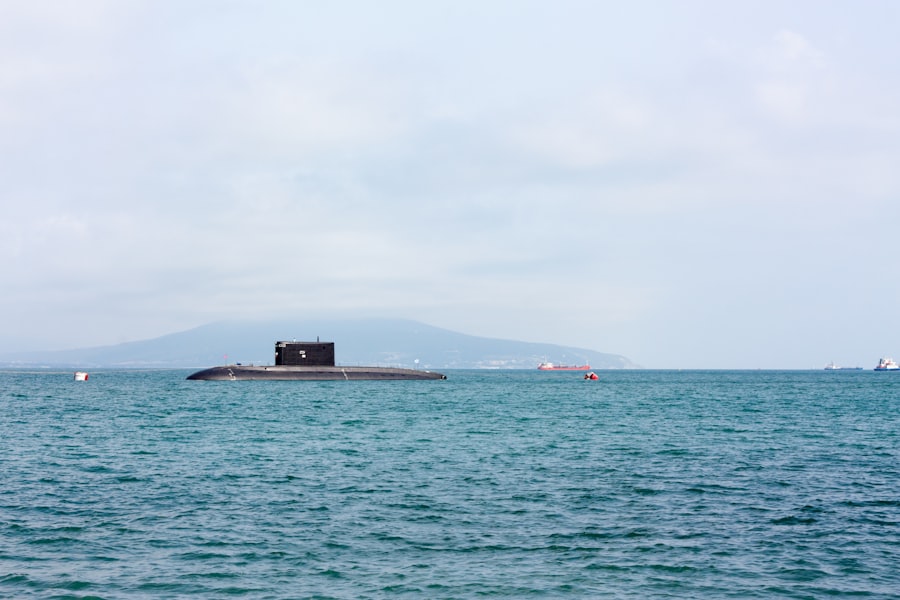
The primary purpose of the Soviet ballistic missile submarine patrols was deterrence. Their very existence, lurking in the depths, served as a constant reminder of the devastating consequences of a nuclear attack. The secrecy surrounding their operations was paramount to their effectiveness.
The Illusion of Invincibility
The Strategic Shadow
The strategic value of these submarines lay not only in their offensive capabilities but in their ability to remain undetected. The knowledge that a submerged, nuclear-armed submarine could be lurking anywhere in the vast oceans created a potent psychological deterrent. This was the ultimate trump card, a threat that could not be easily dismissed.
The Intelligence Game: Tracking the Silent Hunters
Both sides invested heavily in intelligence gathering to locate and track these elusive submarines. Sonar technology, aerial reconnaissance, and human intelligence all played a role in this ongoing contest of wits and technology. This was the ultimate game of hide-and-seek, played with the highest stakes imaginable.
Sonar’s Evolving Role
Sonar technology, both passive (listening for sounds) and active (emitting sound pulses and listening for echoes), was the primary tool for submarine detection. Continuous advancements in sonar allowed for the detection of ever-quieter submarines, while submarine designers worked tirelessly to reduce their acoustic signatures.
The Silent Service: The Soviet Submariners
The crews of these submarines played a vital role in maintaining the strategic balance. Their discipline, training, and dedication were essential to the success of their missions. They were the unseen guardians, their actions shaping the course of history from the silent depths.
The strategic importance of Soviet ballistic missile submarines during the Cold War cannot be overstated, as they played a crucial role in maintaining a balance of power between superpowers. For a deeper understanding of their patrol operations and the implications for global security, you can read a related article that explores these dynamics in detail. The insights provided in this piece shed light on the technological advancements and tactical strategies employed by these submarines. To learn more, visit this article for an in-depth analysis.
The Legacy of the Silent Fleet
| Metric | Details |
|---|---|
| Patrol Duration | Typically 2 to 3 months per patrol |
| Number of Submarines | Approximately 60 active ballistic missile submarines during peak Cold War |
| Patrol Areas | North Atlantic, Barents Sea, Pacific Ocean near Kamchatka |
| Missile Types | R-29, R-29R, R-29RM, RSM-54 (SS-N-23) |
| Patrol Frequency | Multiple patrols per year per submarine |
| Stealth Features | Double hull design, anechoic tiles, quiet propulsion systems |
| Primary Mission | Strategic nuclear deterrence through second-strike capability |
| Typical Crew Size | Approximately 120 to 140 personnel |
The era of Soviet ballistic missile submarine patrols, while a product of a bygone geopolitical era, left an indelible mark on global security. The lessons learned from this period continue to inform naval strategy and arms control efforts.
The Post-Cold War Reality
Shifting Strategic Landscapes
With the dissolution of the Soviet Union, the strategic calculus shifted. The immediate threat of nuclear war receded, but the existence of nuclear-armed submarines remained a significant factor in global security. The vast Russian submarine force, though diminished, still posed a considerable challenge.
Arms Control and Disarmament Efforts
The existence of vast nuclear arsenals, including sea-based missiles, spurred significant arms control initiatives. Treaties such as START (Strategic Arms Reduction Treaty) aimed to limit the number of deployed strategic warheads and delivery systems.
The Enduring Significance
The Soviet ballistic missile submarine patrols were more than just military operations; they were a manifestation of the anxieties, ambitions, and technological prowess of the Cold War. They represent a period when the world teetered on the brink of annihilation, and the silent hunters of the deep played a crucial role in maintaining a fragile peace, a peace held in the balance by the unseen power submerged beneath the waves. Their story is a stark reminder of the profound responsibility that comes with possessing such destructive capabilities.
WATCH NOW ▶️ The CIA’s Impossible Mission To Steal A Nuclear Submarine
FAQs
What was the primary purpose of Soviet ballistic missile submarine patrols?
Soviet ballistic missile submarine patrols were primarily conducted to maintain a strategic nuclear deterrent by ensuring a second-strike capability. These submarines carried nuclear missiles and remained hidden underwater to avoid detection, providing a secure and survivable platform for launching nuclear weapons if necessary.
When did the Soviet Union begin deploying ballistic missile submarines on patrol?
The Soviet Union began deploying ballistic missile submarines on patrol in the early 1960s, with the introduction of the Project 667A “Yankee” class submarines. These patrols became a key component of the Soviet nuclear triad during the Cold War.
What types of missiles were typically carried by Soviet ballistic missile submarines?
Soviet ballistic missile submarines were equipped with various types of submarine-launched ballistic missiles (SLBMs), including the R-27 (SS-N-6), R-29 (SS-N-8), and later models like the R-29RM (SS-N-23). These missiles had varying ranges and payload capacities, designed to target strategic locations.
How did Soviet ballistic missile submarine patrols contribute to Cold War deterrence?
By maintaining continuous at-sea patrols, Soviet ballistic missile submarines ensured that a portion of their nuclear arsenal was always ready and hidden from enemy detection. This capability deterred potential nuclear attacks by guaranteeing a retaliatory strike, thus contributing to strategic stability during the Cold War.
Where did Soviet ballistic missile submarines typically conduct their patrols?
Soviet ballistic missile submarines typically conducted patrols in the Arctic Ocean, the Barents Sea, and the North Atlantic Ocean. These areas provided strategic access to potential targets and allowed submarines to remain concealed under ice or in deep waters.