
Acoustic warfare refers to the strategic use of sound waves for military purposes, particularly in the context of naval operations. This form of warfare exploits the unique properties of underwater acoustics, where sound travels much farther and faster than in air. By utilizing sonar technology, military forces can detect, track, and engage enemy vessels or submarines.
The significance of acoustic warfare lies not only in its ability to gather intelligence but also in its potential to disrupt enemy operations and maintain a strategic advantage in maritime environments. The principles of acoustic warfare are rooted in the physics of sound propagation in water. Factors such as temperature, salinity, and depth can influence how sound travels, creating a complex environment for naval operations.
Understanding these dynamics is crucial for military strategists who aim to leverage acoustic technology effectively. As nations invest in advanced sonar systems and underwater drones, the importance of mastering acoustic warfare continues to grow, shaping the future of naval engagements and intelligence-gathering missions.
Key Takeaways
- Acoustic warfare leverages sound-based technology for military advantage, especially in underwater environments.
- Submarines play a critical role in espionage by using acoustic methods to gather intelligence covertly.
- Advances in acoustic technology have significantly enhanced the effectiveness of submarine espionage.
- Acoustic warfare poses serious national security challenges and raises complex legal and ethical questions.
- Ongoing developments and countermeasures are shaping the future landscape of acoustic warfare and submarine intelligence operations.
The Role of Submarines in Espionage
Submarines have long been regarded as the silent sentinels of the sea, capable of conducting covert operations without detection. Their ability to operate beneath the surface makes them ideal platforms for espionage activities, allowing them to gather intelligence on enemy movements and capabilities. Equipped with advanced sonar systems, submarines can listen to communications and monitor naval traffic, providing invaluable information to military command structures.
The stealthy nature of submarines enhances their effectiveness in espionage. Unlike surface vessels, which are more easily detected by radar and other surveillance technologies, submarines can remain hidden for extended periods. This allows them to infiltrate enemy waters undetected, collecting data that can inform strategic decisions.
The combination of advanced technology and stealth capabilities positions submarines as critical assets in modern military operations, particularly in an era where information dominance is paramount.
The History of Acoustic Warfare
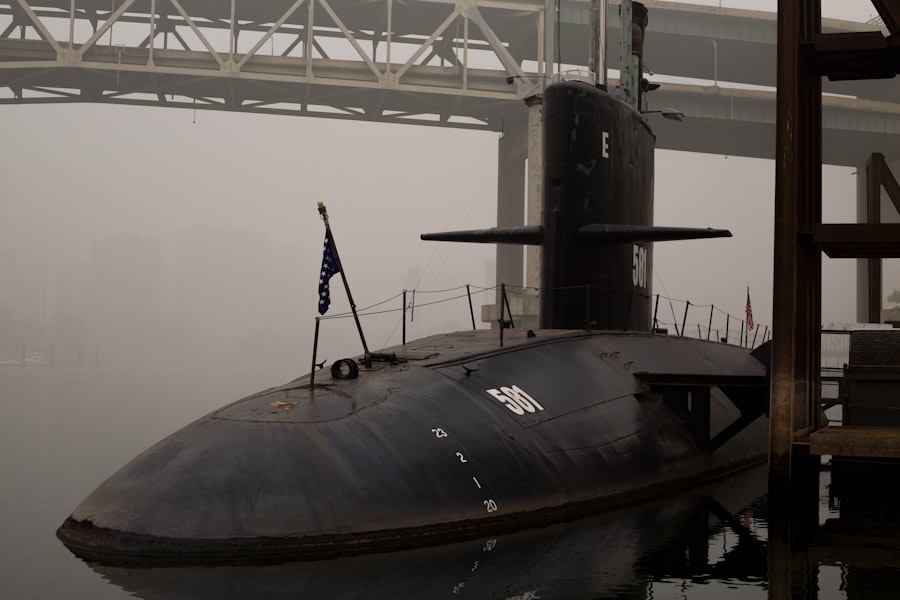
The roots of acoustic warfare can be traced back to World War I when navies began experimenting with underwater sound detection systems. The advent of sonar technology marked a significant turning point in naval warfare, enabling forces to detect enemy submarines and ships more effectively. As the technology evolved through the interwar years and into World War II, nations recognized the strategic advantages that acoustic warfare could provide.
During the Cold War, acoustic warfare took on new dimensions as both the United States and the Soviet Union invested heavily in submarine technology and sonar systems. The race for underwater supremacy led to significant advancements in acoustic detection methods, including passive and active sonar systems. These developments not only enhanced naval capabilities but also shaped the geopolitical landscape, as nations sought to gain an edge over their adversaries through superior underwater surveillance.
The Technology Behind Acoustic Warfare
| Technology | Description | Key Metrics | Applications |
|---|---|---|---|
| Sonar Systems | Use of sound propagation to navigate, communicate, or detect objects underwater. | Frequency Range: 1 kHz – 1 MHz Detection Range: Up to 100 km Resolution: 1 meter |
Submarine detection, mine detection, underwater navigation |
| Acoustic Hailing Devices (AHD) | Devices that project voice or sound over long distances for communication or deterrence. | Output Power: 100-200 W Range: Up to 5 km Frequency Range: 300 Hz – 3 kHz |
Crowd control, military communication, warning systems |
| Acoustic Torpedoes | Torpedoes guided by sound waves to home in on targets. | Guidance Frequency: 20 kHz – 50 kHz Speed: 30-50 knots Range: 10-50 km |
Anti-submarine warfare, naval combat |
| Underwater Acoustic Sensors | Sensors that detect and analyze underwater sound waves for surveillance. | Sensitivity: -160 dB re 1 μPa Frequency Range: 10 Hz – 100 kHz Array Size: Up to 100 elements |
Surveillance, environmental monitoring, target tracking |
| Acoustic Jamming Devices | Emit disruptive sound waves to interfere with enemy sonar or communication. | Output Power: 50-150 W Frequency Range: 1 kHz – 100 kHz Effective Range: 1-3 km |
Counter-surveillance, electronic warfare |
At the heart of acoustic warfare lies sophisticated technology designed to detect and analyze sound waves in underwater environments. Sonar systems, which can be classified into active and passive types, play a pivotal role in this domain. Active sonar emits sound pulses and listens for echoes, allowing operators to determine the location and characteristics of objects in the water.
In contrast, passive sonar relies on listening for sounds produced by other vessels, making it a stealthier option for intelligence gathering. Recent advancements in signal processing and machine learning have further enhanced the capabilities of sonar systems. These technologies enable more accurate detection and classification of underwater objects, reducing false positives and improving situational awareness.
Additionally, innovations such as underwater drones equipped with advanced sensors are expanding the reach of acoustic warfare, allowing for real-time data collection and analysis in previously inaccessible areas.
How Submarines Use Acoustic Warfare for Espionage
Submarines employ acoustic warfare techniques to conduct a variety of espionage activities, from monitoring enemy communications to tracking naval exercises. By utilizing passive sonar systems, submarines can listen to the sounds generated by other vessels without revealing their own presence. This capability allows them to gather intelligence on enemy fleet movements, operational patterns, and even technological advancements.
In addition to passive listening, submarines can also deploy specialized equipment designed for specific espionage missions. For instance, they may use underwater drones or remotely operated vehicles (ROVs) equipped with advanced sensors to collect data from sensitive areas. These tools enhance the submarine’s ability to conduct covert operations while minimizing the risk of detection.
The combination of stealthy maneuvering and advanced technology positions submarines as formidable players in the realm of maritime espionage.
The Impact of Acoustic Warfare on National Security
The implications of acoustic warfare extend far beyond individual military operations; they have profound effects on national security strategies worldwide. Nations that excel in acoustic warfare capabilities gain a significant advantage over their adversaries, allowing them to monitor maritime activities and respond swiftly to potential threats. This competitive edge can deter aggression from rival states and contribute to regional stability.
However, the reliance on acoustic warfare also raises concerns about escalation and miscalculation. As nations invest heavily in submarine technology and sonar systems, there is a risk of an arms race in underwater capabilities. This dynamic can lead to increased tensions between states as they seek to outmaneuver one another in the underwater domain.
Consequently, understanding the impact of acoustic warfare on national security is essential for policymakers tasked with navigating these complex geopolitical waters.
The Legal and Ethical Implications of Acoustic Warfare
The use of acoustic warfare raises important legal and ethical questions that must be addressed by military leaders and policymakers alike. International law governs many aspects of naval operations, including the rights of nations to conduct surveillance in international waters. However, the clandestine nature of acoustic warfare often blurs these legal boundaries, leading to potential violations of sovereignty and international norms.
Ethically, the implications of using advanced surveillance technologies for espionage must be carefully considered. While nations have a legitimate interest in protecting their security interests, the potential for abuse exists when powerful technologies are employed without oversight or accountability. Striking a balance between national security needs and ethical considerations is crucial as countries navigate the complexities of acoustic warfare.
Countermeasures Against Acoustic Warfare
As nations continue to develop advanced acoustic warfare capabilities, countermeasures are also evolving to mitigate these threats. Various strategies are employed to detect and neutralize enemy sonar systems, including noise reduction technologies and decoys designed to confuse detection efforts. These countermeasures aim to protect naval assets from being compromised by enemy surveillance.
Additionally, advancements in stealth technology play a critical role in countering acoustic warfare. Modern submarines are designed with features that minimize their acoustic signature, making them harder to detect by enemy sonar systems. By reducing noise generated by machinery and optimizing hull designs, submarines can operate more effectively in contested waters while evading detection.
Recent Developments in Acoustic Warfare and Submarine Espionage
In recent years, advancements in technology have significantly transformed the landscape of acoustic warfare and submarine espionage. The integration of artificial intelligence (AI) into sonar systems has enhanced their ability to analyze vast amounts of data quickly and accurately. This capability allows for real-time decision-making during critical missions, improving operational effectiveness.
Moreover, geopolitical tensions have spurred nations to accelerate their investments in submarine technology and acoustic warfare capabilities. Countries such as China and Russia have made substantial strides in developing advanced submarines equipped with cutting-edge sonar systems. These developments not only reshape regional power dynamics but also raise concerns about potential conflicts arising from increased underwater surveillance activities.
The Future of Acoustic Warfare
Looking ahead, the future of acoustic warfare is likely to be shaped by continued technological advancements and evolving geopolitical landscapes. As nations invest in next-generation submarines and sonar systems, the competition for underwater dominance will intensify. Emerging technologies such as quantum sensing may revolutionize acoustic detection capabilities, providing unprecedented advantages in maritime operations.
Furthermore, as climate change alters oceanic conditions, understanding how these changes affect sound propagation will become increasingly important for military strategists. The interplay between environmental factors and acoustic warfare will necessitate ongoing research and adaptation as nations seek to maintain their strategic edge in an ever-changing maritime environment.
The Ongoing Threat of Acoustic Warfare and Submarine Espionage
In conclusion, acoustic warfare remains a critical component of modern military strategy, particularly within the realm of submarine espionage.
The balance between leveraging these capabilities for defense while adhering to legal and ethical standards will be a defining challenge for military leaders moving forward.
The ongoing evolution of acoustic warfare underscores its significance as both a tool for intelligence gathering and a potential catalyst for conflict among nations vying for dominance beneath the waves. As countries navigate this complex landscape, understanding the intricacies of acoustic warfare will be essential for ensuring stability and security in an increasingly interconnected world.
Acoustic warfare, particularly in the context of submarine espionage, has become a critical area of focus for modern naval strategies. The intricate technologies involved in detecting and countering submarine movements are essential for maintaining national security. For a deeper understanding of the implications and developments in this field, you can read more in the article available at In The War Room. This resource provides valuable insights into the evolving tactics and technologies that shape underwater warfare.
WATCH THIS! The Billion-Dollar Whisper: How One KGB Mole Made Every Soviet Submarine Visible
FAQs
What is acoustic warfare in the context of submarines?
Acoustic warfare refers to the use of sound-based technologies and tactics in naval operations, particularly involving submarines. It includes the detection, tracking, and evasion of submarines using sonar and other acoustic sensors, as well as the deployment of countermeasures to disrupt enemy sonar systems.
How do submarines use acoustic technology for espionage?
Submarines use passive and active sonar systems to gather intelligence by detecting and monitoring the acoustic signatures of other vessels. They can covertly track enemy ships and submarines, intercept communications, and collect data on naval movements without being detected.
What are the main types of sonar used in submarine espionage?
The main types of sonar used are passive sonar, which listens for sounds emitted by other vessels, and active sonar, which emits sound pulses and listens for echoes. Passive sonar is preferred for stealthy espionage operations because it does not reveal the submarine’s position.
What countermeasures do submarines employ against acoustic detection?
Submarines use various countermeasures such as noise reduction technologies, anechoic coatings, decoys, and electronic jamming to reduce their acoustic signature and confuse enemy sonar systems, thereby enhancing their stealth capabilities.
Why is acoustic warfare important in modern naval strategy?
Acoustic warfare is crucial because sound travels efficiently underwater, making sonar the primary method for detecting and tracking submarines. Control of the underwater acoustic environment can provide significant tactical advantages in surveillance, defense, and offensive operations.
Can acoustic warfare be used for offensive submarine operations?
Yes, acoustic warfare can support offensive operations by enabling submarines to locate and target enemy vessels accurately. It also allows submarines to deploy acoustic weapons or disrupt enemy communications and sensor systems.
What challenges do submarines face in acoustic warfare espionage?
Challenges include the complexity of underwater sound propagation, environmental noise, counter-detection risks, and the need for advanced signal processing to distinguish between different acoustic sources and avoid false detections.
How has technology advanced acoustic warfare in submarines?
Advancements include improved sonar sensitivity, digital signal processing, artificial intelligence for pattern recognition, quieter submarine designs, and enhanced countermeasure systems, all of which increase the effectiveness and stealth of acoustic espionage operations.