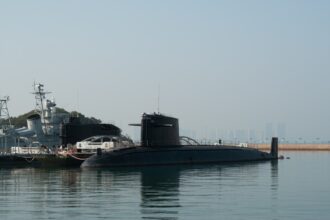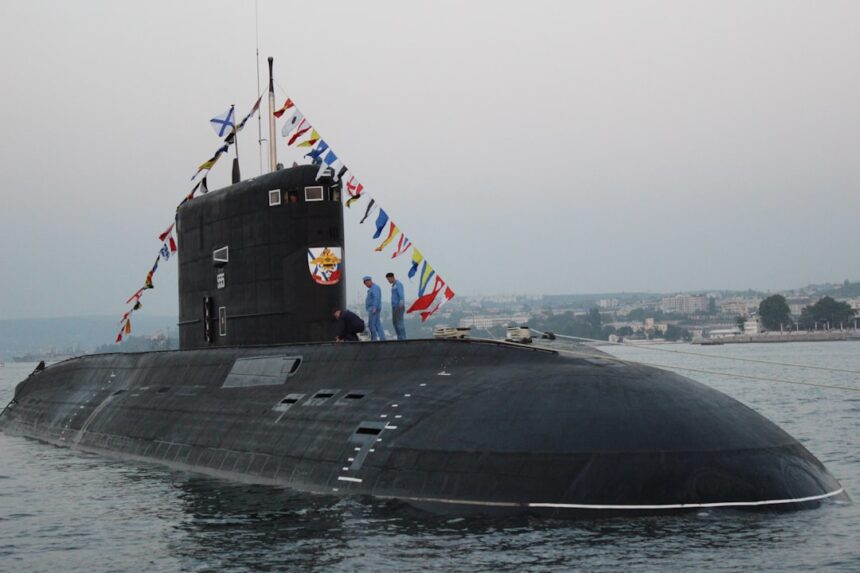
The Cold War submarine warfare originated in the period following World War II, characterized by escalating geopolitical tensions between the United States and the Soviet Union. Both nations recognized submarines as critical instruments of naval strategy and national power projection. Technological innovations developed during World War II, particularly nuclear propulsion systems, enabled a new generation of submarines with extended operational ranges and improved stealth characteristics.
During the early Cold War period, both superpowers expanded their submarine capabilities substantially. The United States prioritized the development of nuclear-powered submarines, which provided extended underwater endurance and reduced detection risks. The Soviet Union simultaneously invested in submarine technology to counter American naval advantages.
This competitive buildup created an underwater arms race that shaped Cold War military strategy. Naval operations in oceanic regions became increasingly important as both nations pursued technological advancement and strategic positioning to establish dominance in submarine warfare capabilities.
Key Takeaways
- Cold War submarine warfare was central to nuclear deterrence and global military strategy.
- Technological advancements, including nuclear propulsion and sonar, revolutionized submarine capabilities.
- The US developed sophisticated anti-submarine tactics to track and counter Soviet submarines.
- Submarine operations during crises like the Cuban Missile Crisis highlighted their strategic importance.
- The legacy includes ongoing challenges in submarine espionage, crew mental health, and environmental impacts.
The Role of Submarines in Cold War Strategy
Submarines played a pivotal role in the military strategies of both the United States and the Soviet Union during the Cold War. For the U.S., submarines were integral to its nuclear deterrence strategy. The introduction of ballistic missile submarines (SSBNs) allowed for a second-strike capability, ensuring that even in the event of a nuclear attack, the U.S.
could retaliate with devastating force. This capability was crucial in maintaining a balance of power and preventing direct conflict between the superpowers. The stealth and mobility of submarines made them ideal platforms for delivering nuclear weapons, thus solidifying their place in American military doctrine.
Conversely, the Soviet Union viewed submarines as essential tools for projecting power and countering U.S. naval dominance. The Soviet strategy emphasized not only the development of attack submarines (SSNs) to hunt down American vessels but also the deployment of SSBNs to ensure their own nuclear deterrent.
The USSR’s approach was characterized by a focus on quantity over quality, leading to a vast fleet of submarines designed to overwhelm U.S. forces through sheer numbers. This strategic divergence highlighted the differing philosophies of both superpowers, with each nation seeking to exploit its strengths while addressing perceived vulnerabilities. The documentary reveals the shocking story of a KGB mole who infiltrated the highest levels of government.
The Development of Submarine Technology During the Cold War
The Cold War spurred remarkable advancements in submarine technology, driven by the intense competition between the United States and the Soviet Union. One of the most significant developments was the transition from diesel-electric submarines to nuclear-powered vessels. Nuclear propulsion allowed submarines to operate submerged for extended periods without surfacing, enhancing their stealth capabilities and operational range.
This technological leap fundamentally changed naval warfare, as submarines could now remain undetected for months, lurking beneath the waves while gathering intelligence or preparing for potential strikes. In addition to nuclear propulsion, advancements in sonar technology revolutionized submarine warfare. Both superpowers invested heavily in developing sophisticated sonar systems capable of detecting enemy vessels at great distances.
The introduction of cruise missiles further expanded the offensive capabilities of submarines, allowing them to strike land targets from significant distances while remaining hidden beneath the ocean’s surface. These innovations not only enhanced military effectiveness but also underscored the importance of technological superiority in Cold War strategy.
The Hunt for Soviet Submarines: US Anti-Submarine Warfare Tactics
As Soviet submarine capabilities grew, so too did U.S. efforts to detect and neutralize these underwater threats. The United States developed a comprehensive anti-submarine warfare (ASW) strategy that combined advanced technology with tactical ingenuity.
This strategy included deploying specialized aircraft equipped with sonar and radar systems designed to locate submarines from above. Additionally, surface ships were outfitted with sonar arrays and depth charges to engage enemy subs directly when detected. The U.S.
also relied on intelligence-gathering operations to track Soviet submarine movements. This included monitoring communications and employing satellite reconnaissance to gain insights into Soviet naval activities. The establishment of dedicated ASW task forces allowed for coordinated efforts in hunting down enemy submarines, utilizing a combination of aircraft, surface ships, and submarines themselves to create a layered defense against potential threats.
These tactics reflected a growing understanding that effective anti-submarine warfare required not only technological superiority but also strategic coordination among various branches of the military.
The Soviet Response: How the USSR Fought the Submarine War
| Metric | United States Navy | Soviet Navy | Notes |
|---|---|---|---|
| Number of Attack Submarines (1960s) | ~60 | ~50 | US had a slight numerical advantage early in the Cold War |
| Number of Ballistic Missile Submarines (1980s) | 41 (Ohio-class) | 30 (Delta and Typhoon classes) | Both navies focused on second-strike nuclear deterrence |
| Maximum Submarine Speed (knots) | Up to 33 knots (Los Angeles-class) | Up to 35 knots (Akula-class) | Soviet subs were often faster but noisier |
| Typical Submarine Operating Depth (meters) | ~300-400 meters | ~400-500 meters | Soviet subs generally had deeper test depths |
| Acoustic Stealth Technology | Advanced anechoic tiles, pump-jet propulsors | Early noisy reactors, later improved anechoic coatings | US invested heavily in quieting technology |
| Primary Anti-Submarine Warfare (ASW) Tools | Sonar arrays, ASW aircraft, SOSUS network | Sonar, maritime patrol aircraft, underwater listening posts | Both sides developed extensive ASW capabilities |
| Notable Submarine Incident | USS Thresher (1963) – lost due to mechanical failure | K-19 (1961) – reactor accident | Both navies faced significant operational risks |
| Estimated Number of Submarine Patrols (1970s-80s) | Hundreds annually | Hundreds annually | Both navies maintained constant underwater presence |
In response to U.S. anti-submarine tactics, the Soviet Union developed its own countermeasures aimed at evading detection and enhancing its submarine warfare capabilities. The USSR focused on creating quieter submarines equipped with advanced sound-dampening technologies that made them harder to detect by U.S.
sonar systems. This emphasis on stealth was complemented by an aggressive strategy that involved deploying submarines close to U.S. shores, thereby increasing their chances of evading detection while positioning themselves for potential strikes.
Moreover, the Soviets invested in developing sophisticated decoy systems designed to confuse enemy sonar and mislead ASW efforts. These decoys could mimic the acoustic signatures of submarines, creating false targets that complicated U.S. detection efforts.
The USSR also engaged in extensive training exercises that simulated real-world scenarios, allowing their crews to hone their skills in evading detection and executing offensive operations against enemy vessels. This multifaceted approach underscored the high stakes involved in submarine warfare during the Cold War and highlighted how both superpowers adapted their strategies in response to one another’s capabilities.
The Cuban Missile Crisis and Submarine Warfare
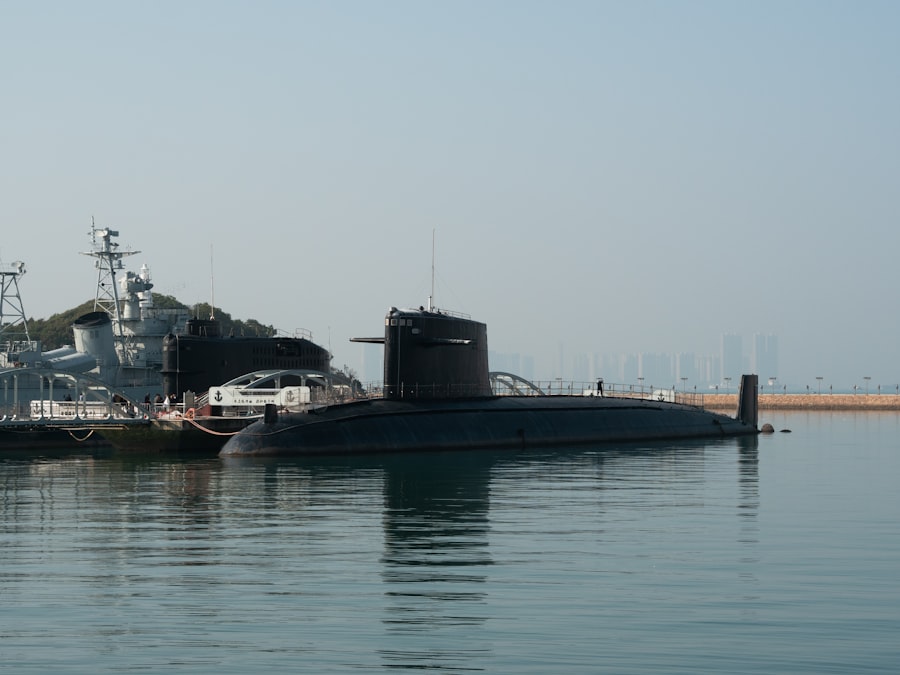
The Cuban Missile Crisis of 1962 marked a critical juncture in Cold War history, with submarine warfare playing a significant role in this tense standoff between the United States and the Soviet Union. As tensions escalated over Soviet missile installations in Cuba, both nations prepared their military forces for potential conflict. Submarines became key assets during this crisis, as they were positioned strategically to respond to any escalation.
During this period, U.S. submarines were deployed near Cuba to monitor Soviet activities and provide intelligence on potential threats. The presence of these submarines added an additional layer of pressure on Soviet forces, as they operated under the constant threat of detection and engagement by American ASW units.
Conversely, Soviet submarines were also deployed in the Caribbean region, tasked with supporting their missile installations while remaining hidden from U.S. forces. This delicate balance underscored how submarine warfare had evolved into a critical component of Cold War diplomacy, where underwater assets could influence geopolitical outcomes without direct confrontation.
The Legacy of Cold War Submarine Warfare
The legacy of Cold War submarine warfare is profound and far-reaching, shaping naval strategies and international relations long after the conflict ended. The technological advancements achieved during this period laid the foundation for modern submarine capabilities, influencing how navies around the world approach underwater warfare today. The emphasis on stealth, advanced sonar systems, and nuclear propulsion continues to inform contemporary naval design and operational strategies.
Moreover, Cold War submarine warfare highlighted the importance of intelligence gathering and surveillance in modern military operations. The lessons learned from this era have been instrumental in shaping contemporary approaches to anti-submarine warfare and maritime security. As nations continue to navigate complex geopolitical landscapes, understanding the dynamics established during the Cold War remains crucial for addressing current challenges in naval warfare.
The Psychological Toll on Submarine Crews
While much attention is often given to technological advancements and strategic maneuvers during the Cold War, it is essential not to overlook the psychological toll experienced by submarine crews operating under such high-stakes conditions. Life aboard a submarine is characterized by isolation, confinement, and intense pressure, factors that can significantly impact mental health and crew dynamics. Submarine crews often spent extended periods submerged without contact with the outside world, leading to feelings of isolation and anxiety.
The constant threat of detection or engagement added an additional layer of stress that could exacerbate existing mental health issues among crew members. Furthermore, the close quarters necessitated by submarine life meant that interpersonal conflicts could escalate quickly, creating a challenging environment for maintaining morale and cohesion among crew members.
The Environmental Impact of Cold War Submarine Warfare
The environmental impact of Cold War submarine warfare is another critical aspect that warrants consideration when examining this era’s legacy. The extensive use of nuclear-powered submarines raised concerns about potential accidents and radioactive contamination in marine environments. Incidents involving sunken submarines carrying nuclear materials posed significant risks to ocean ecosystems and raised questions about long-term environmental consequences.
Additionally, routine operations involving anti-submarine warfare exercises often resulted in disturbances to marine life due to noise pollution generated by sonar systems and other naval activities. These environmental impacts have prompted ongoing discussions about balancing military readiness with ecological responsibility—a conversation that continues to resonate today as nations grapple with environmental challenges associated with military operations.
Cold War Submarine Espionage: Spying in the Deep
Espionage played a crucial role in Cold War submarine operations, as both superpowers sought to gather intelligence on each other’s naval capabilities and strategies. Submarines were often employed as platforms for covert surveillance missions designed to monitor enemy activities without detection. These missions involved gathering information on naval movements, testing new technologies, and assessing potential vulnerabilities within opposing fleets.
The use of submarines for espionage extended beyond mere reconnaissance; they also served as platforms for electronic eavesdropping operations aimed at intercepting communications between enemy vessels or shore installations. This clandestine aspect of submarine warfare underscored how critical intelligence gathering was during this period—often determining strategic decisions made by military leaders on both sides.
Cold War Submarine Warfare Today: Lessons Learned and Modern Challenges
The lessons learned from Cold War submarine warfare continue to shape contemporary naval strategies as nations navigate an increasingly complex geopolitical landscape marked by emerging threats and technological advancements. Modern navies must adapt their approaches to underwater warfare while addressing challenges posed by new technologies such as cyber warfare and unmanned systems. Today’s submarine fleets are equipped with advanced sensors capable of detecting threats at greater distances while employing stealth technologies that enhance survivability against sophisticated adversaries.
However, as nations invest heavily in developing new capabilities, they must also grapple with ethical considerations surrounding military operations—balancing national security interests with environmental responsibilities and humanitarian concerns. In conclusion, Cold War submarine warfare represents a multifaceted chapter in military history characterized by technological innovation, strategic maneuvering, psychological challenges for crews, environmental impacts, espionage efforts, and lasting legacies that continue to influence modern naval operations today.
For those interested in exploring the intricacies of Cold War submarine warfare, a fascinating article can be found at this link. It delves into the strategic significance of submarines during the Cold War, highlighting key events and technological advancements that shaped underwater combat. This resource provides a comprehensive overview for anyone looking to understand the complexities and challenges faced by naval forces during this tense period in history.
WATCH THIS 🛑 SHOCKING: The KGB Mole Who Made Every Soviet Submarine Visible
FAQs
What was the role of submarines during the Cold War?
Submarines played a crucial role in Cold War military strategy, primarily for nuclear deterrence, intelligence gathering, and covert operations. Both the United States and the Soviet Union developed advanced submarine fleets capable of launching ballistic missiles and conducting stealth surveillance.
What types of submarines were used in Cold War submarine warfare?
The Cold War saw the use of several types of submarines, including ballistic missile submarines (SSBNs) designed for nuclear deterrence, attack submarines (SSNs) for hunting enemy vessels, and diesel-electric submarines for coastal defense and reconnaissance missions.
How did submarine technology evolve during the Cold War?
Submarine technology advanced significantly during the Cold War, with improvements in nuclear propulsion, sonar systems, stealth capabilities, and missile technology. These advancements allowed submarines to operate more quietly, stay submerged longer, and deliver more accurate and powerful weapons.
What was the significance of nuclear-powered submarines in the Cold War?
Nuclear-powered submarines revolutionized naval warfare by enabling submarines to remain submerged for extended periods without surfacing. This capability enhanced their stealth and endurance, making them formidable platforms for nuclear deterrence and covert operations.
How did submarine warfare impact Cold War naval strategy?
Submarine warfare influenced Cold War naval strategy by emphasizing the importance of undersea dominance. Both superpowers invested heavily in submarine fleets to ensure second-strike nuclear capabilities and to monitor each other’s naval activities, leading to a strategic balance known as Mutually Assured Destruction (MAD).
Were there any notable submarine incidents during the Cold War?
Yes, several notable incidents occurred, including the sinking of the Soviet submarine K-219 in 1986, the capture of the USS Pueblo by North Korea in 1968, and the collision between the Soviet submarine K-19 and the American submarine USS Gato. These incidents highlighted the risks and tensions inherent in Cold War submarine operations.
How did sonar technology affect submarine warfare in the Cold War?
Sonar technology was critical for detecting and tracking submarines. Advances in passive and active sonar systems improved the ability of navies to locate enemy submarines, leading to a continuous technological race to develop quieter submarines and more sensitive detection equipment.
What was the role of submarine-launched ballistic missiles (SLBMs) during the Cold War?
SLBMs provided a secure and survivable second-strike nuclear capability, ensuring that a country could retaliate even if its land-based nuclear forces were destroyed. This capability was central to the deterrence strategies of both the United States and the Soviet Union.
How did Cold War submarine warfare influence post-Cold War naval developments?
The innovations and strategies developed during the Cold War laid the foundation for modern submarine design and tactics. Post-Cold War navies continue to build on these advancements, focusing on stealth, advanced weaponry, and multi-mission capabilities in their submarine fleets.