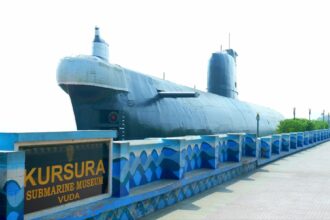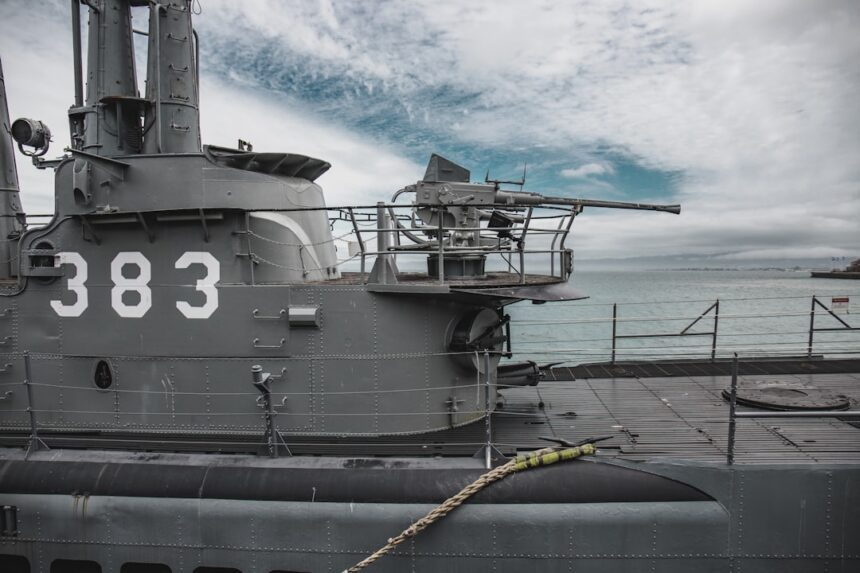
The history of submarines in naval warfare is a fascinating journey that reflects the broader evolution of military technology. Initially, the concept of underwater vessels was met with skepticism, as early designs were rudimentary and often impractical. The first successful military submarine, the American vessel H.L.
Hunley, made its debut during the American Civil War in 1864. This hand-powered craft demonstrated the potential of underwater warfare, albeit with limited success and significant risks to its crew. The Hunley’s sinking of the USS Housatonic marked a pivotal moment, showcasing that submarines could indeed engage enemy ships effectively, albeit at a high cost.
As the 20th century approached, advancements in technology began to transform submarines from simple, hand-powered vessels into sophisticated machines capable of extended underwater operations. The introduction of diesel-electric engines during World War I allowed submarines to travel greater distances and remain submerged for longer periods. This technological leap enabled nations to deploy submarines as strategic assets, capable of disrupting enemy supply lines and engaging in stealthy reconnaissance missions.
By World War II, submarines had evolved into formidable weapons of war, with nations like Germany and the United States employing them extensively to devastating effect. The U-boat campaigns in the Atlantic exemplified how submarines could alter the course of naval warfare, leading to significant losses for Allied shipping.
Key Takeaways
- Submarines have significantly transformed naval warfare by introducing stealth and surprise tactics.
- They play a crucial role in intelligence gathering and special operations, enhancing strategic capabilities.
- Submarines serve as key assets in nuclear deterrence, contributing to global security dynamics.
- Detecting and countering submarines remains a major challenge due to their advanced stealth technologies.
- Ethical and legal issues surrounding submarine warfare continue to shape international maritime laws and conduct.
The Impact of Submarines on Naval Strategy
The emergence of submarines fundamentally altered naval strategy, compelling military leaders to rethink traditional approaches to maritime conflict. Prior to the widespread use of submarines, naval engagements were characterized by surface battles between fleets of battleships and cruisers. However, the stealth and surprise capabilities of submarines introduced a new dimension to naval warfare.
Commanders had to consider the threat posed by submerged vessels when planning operations, leading to the development of anti-submarine warfare tactics and technologies. Submarines also shifted the focus from large-scale fleet engagements to asymmetric warfare strategies. Smaller nations or those with limited naval resources could leverage submarines to challenge larger fleets effectively.
This shift was particularly evident during World War II when countries like Japan utilized their submarine forces to disrupt Allied supply lines across the Pacific. The strategic implications were profound; nations began investing heavily in submarine technology and training, recognizing that control of the seas could no longer be achieved solely through surface dominance. The result was a more complex and multifaceted approach to naval warfare that integrated various platforms and tactics.
The Advantages and Disadvantages of Submarines in Warfare
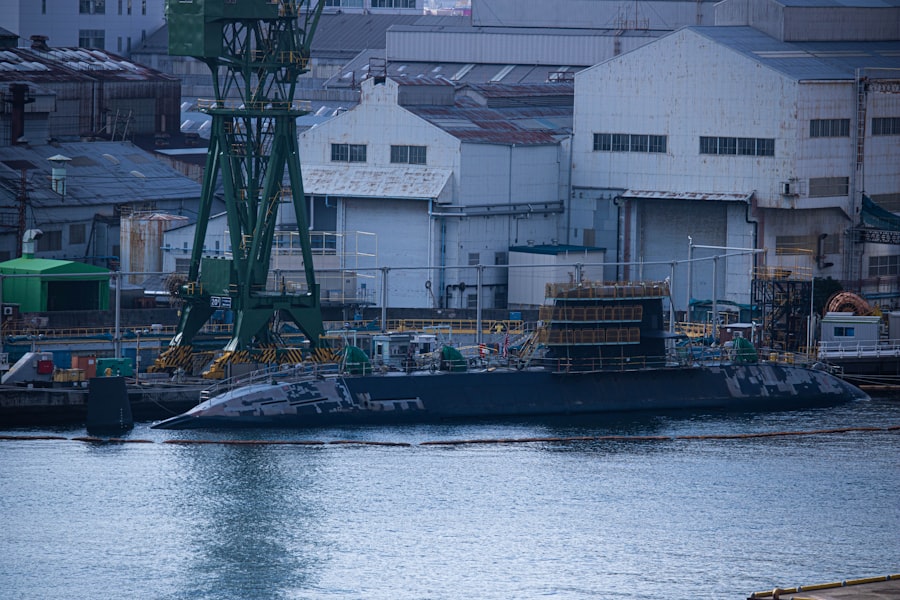
Submarines offer a unique set of advantages in warfare that make them invaluable assets for modern navies. Their ability to operate stealthily beneath the surface allows them to evade detection and launch surprise attacks on enemy vessels or installations. This stealth capability is further enhanced by advancements in sonar technology and quiet propulsion systems, enabling submarines to remain undetected for extended periods.
Additionally, submarines can carry a diverse array of weaponry, including torpedoes and cruise missiles, making them versatile platforms for both offensive and defensive operations. However, despite their many advantages, submarines also face significant disadvantages. One of the primary challenges is their vulnerability during surfacing or when recharging batteries, which can expose them to enemy detection and attack.
Furthermore, operating a submarine requires highly trained personnel and sophisticated technology, which can be costly and resource-intensive. The psychological toll on crews, who may spend long periods submerged in confined spaces, can also impact operational effectiveness. Additionally, the reliance on advanced technology means that any failure or malfunction can have dire consequences during critical missions.
The Role of Submarines in Intelligence Gathering
Submarines play a crucial role in intelligence gathering, serving as platforms for surveillance and reconnaissance missions that are often undetectable by adversaries. Their ability to operate covertly allows them to gather vital information about enemy movements, capabilities, and intentions without alerting potential targets. This intelligence can be instrumental in shaping military strategies and informing decision-making at the highest levels.
Modern submarines are equipped with advanced sensors and communication systems that enhance their intelligence-gathering capabilities. They can intercept communications, monitor electronic signals, and conduct underwater surveillance using sophisticated sonar systems. This information is invaluable for military planners who need to assess threats and opportunities in real-time.
Moreover, submarines can operate in contested environments where surface vessels may be at risk, providing a unique advantage in gathering intelligence without drawing attention.
The Influence of Submarine Technology on Modern Naval Warfare
| Metric | Description | Typical Values | Units |
|---|---|---|---|
| Submarine Length | Overall length of the submarine | 50 – 170 | meters |
| Displacement | Weight of water displaced by the submarine (surface/submerged) | 1,500 – 24,000 | tons |
| Maximum Speed (Submerged) | Top speed when submerged | 20 – 35 | knots |
| Maximum Speed (Surface) | Top speed when surfaced | 10 – 25 | knots |
| Operating Depth | Maximum safe operational depth | 200 – 600 | meters |
| Endurance | Maximum time submarine can operate without resupply | 30 – 90 | days |
| Armament | Typical weapons carried | Torpeodes, Cruise Missiles, Ballistic Missiles | N/A |
| Propulsion Type | Type of propulsion system | Nuclear, Diesel-Electric, Air-Independent Propulsion (AIP) | N/A |
| Crew Size | Number of personnel onboard | 30 – 150 | persons |
| Sonar Range | Effective detection range of sonar systems | 10 – 50 | kilometers |
The technological advancements in submarine design and capabilities have had a profound influence on modern naval warfare. Innovations such as air-independent propulsion systems have extended the operational range of submarines while reducing their acoustic signatures, making them even harder to detect. Additionally, advancements in missile technology have transformed submarines into potent strike platforms capable of launching precision strikes against land-based targets from significant distances.
These technological developments have also led to a shift in naval doctrine, with many navies prioritizing submarine capabilities as essential components of their maritime strategy. The integration of unmanned underwater vehicles (UUVs) into submarine operations further enhances their effectiveness by allowing for extended reconnaissance missions without risking crewed vessels. As nations continue to invest in submarine technology, the landscape of naval warfare will likely evolve further, emphasizing stealth, precision, and adaptability.
The Use of Submarines in Nuclear Deterrence
Submarines have become central to nuclear deterrence strategies for several nations around the world. The concept of mutually assured destruction relies heavily on the ability to deliver nuclear weapons from platforms that are difficult to detect and target. Ballistic missile submarines (SSBNs) serve as a critical component of this deterrent posture, providing a second-strike capability that ensures a nation can respond effectively even after a surprise attack.
The stealthy nature of SSBNs allows them to patrol vast ocean areas undetected, making it challenging for adversaries to locate and target these vessels. This uncertainty enhances their deterrent effect, as potential aggressors must consider the possibility of a devastating retaliatory strike if they were to initiate conflict. As geopolitical tensions continue to rise globally, the role of submarines in nuclear deterrence remains paramount, shaping defense policies and military strategies across various nations.
The Challenges of Detecting and Countering Submarines
Detecting and countering submarines presents significant challenges for naval forces worldwide. The very nature of submarine operations—stealthy and submerged—makes them difficult to locate using traditional surface-based sensors. While advancements in sonar technology have improved detection capabilities, submarines continue to employ countermeasures such as noise reduction techniques and advanced maneuvering tactics to evade detection.
Naval forces must invest heavily in anti-submarine warfare (ASW) capabilities to counter this threat effectively. This includes deploying specialized aircraft equipped with advanced sonar systems, surface ships with ASW capabilities, and even underwater drones designed for detection purposes. However, these efforts can be resource-intensive and require extensive training for personnel involved in ASW operations.
As submarine technology continues to advance, navies must adapt their strategies and invest in innovative solutions to maintain an edge in this ongoing cat-and-mouse game.
The Role of Submarines in Maritime Interdiction and Blockade
Submarines play a vital role in maritime interdiction operations and blockades, serving as effective tools for enforcing economic sanctions or disrupting enemy supply lines during conflicts. Their ability to operate covertly allows them to target merchant vessels or military transports without revealing their presence until it is too late for the adversary to respond effectively. During conflicts such as World War II, submarines were instrumental in blockading enemy ports and disrupting supply routes, significantly impacting the adversary’s ability to sustain military operations.
In modern contexts, submarines can enforce maritime law by intercepting illegal fishing vessels or smuggling operations while remaining undetected until they choose to engage. This versatility makes submarines valuable assets for navies seeking to project power and influence over maritime domains.
The Future of Submarines in Naval Warfare
As technology continues to evolve at an unprecedented pace, the future of submarines in naval warfare appears promising yet complex. Emerging technologies such as artificial intelligence (AI) and machine learning are likely to enhance submarine capabilities further by improving decision-making processes during missions and optimizing operational efficiency. Additionally, advancements in materials science may lead to lighter yet stronger hull designs that enhance performance while reducing costs.
Moreover, the integration of unmanned systems into submarine operations is expected to revolutionize how navies conduct underwater warfare. Unmanned underwater vehicles (UUVs) could be deployed alongside crewed submarines for reconnaissance or mine detection missions, expanding operational reach while minimizing risk to personnel.
The Role of Submarines in Special Operations
Submarines have long been utilized as platforms for special operations forces (SOF), providing covert insertion and extraction capabilities for elite military units. Their stealthy nature allows them to approach hostile shores undetected, enabling SOF teams to conduct reconnaissance missions or sabotage operations with minimal risk of exposure. The versatility of submarines makes them ideal for supporting a wide range of special operations missions—from counter-terrorism efforts to intelligence gathering behind enemy lines.
Modern submarines are equipped with advanced launch systems that allow for rapid deployment of small craft or divers directly into operational theaters without compromising their stealth advantage. This capability enhances the effectiveness of special operations forces while expanding the strategic options available to military planners.
The Ethical and Legal Considerations of Submarine Warfare
The use of submarines in warfare raises important ethical and legal considerations that must be addressed by military leaders and policymakers alike. The principle of distinction—ensuring that combatants distinguish between military targets and civilians—becomes particularly challenging when operating beneath the waves where visibility is limited. Additionally, the potential for collateral damage from submarine-launched attacks poses ethical dilemmas regarding proportionality and necessity in armed conflict.
As international law continues to evolve alongside technological advancements in warfare, it is crucial for nations to establish clear guidelines governing submarine operations while ensuring compliance with existing treaties such as the United Nations Convention on the Law of the Sea (UNCLOS). Balancing military objectives with humanitarian considerations remains an ongoing challenge that requires careful deliberation among military strategists and legal experts alike. In conclusion, submarines have evolved from rudimentary vessels into sophisticated instruments of modern naval warfare that significantly impact strategy, intelligence gathering, deterrence efforts, and special operations capabilities.
As technology continues to advance rapidly within this domain, understanding both their advantages and limitations will be essential for future military planning while navigating complex ethical landscapes inherent in underwater combat scenarios.
Naval warfare has evolved significantly over the years, particularly with the advent of submarine technology, which has transformed the dynamics of maritime conflict. For a deeper understanding of the strategic implications of submarines in modern naval operations, you can read a related article on this topic at inthewarroom.
com/sample-page/’>this link. This article explores the role of submarines in contemporary warfare and their impact on naval strategy.
FAQs
What is naval warfare involving submarines?
Naval warfare involving submarines refers to military operations conducted at sea using submarines. These underwater vessels are designed for stealth, allowing them to engage enemy ships, gather intelligence, and launch attacks without being easily detected.
How do submarines contribute to naval warfare?
Submarines contribute to naval warfare by providing strategic advantages such as stealth reconnaissance, surprise attacks with torpedoes or missiles, and the ability to disrupt enemy supply lines. They can operate undetected for extended periods, making them valuable assets in both offensive and defensive naval operations.
What types of submarines are used in naval warfare?
There are several types of submarines used in naval warfare, including attack submarines (SSNs), ballistic missile submarines (SSBNs), and guided missile submarines (SSGNs). Attack submarines focus on hunting enemy vessels, ballistic missile submarines serve as nuclear deterrents, and guided missile submarines carry conventional missiles for land or sea targets.
What weapons do submarines typically use in naval warfare?
Submarines typically use torpedoes, cruise missiles, and sometimes ballistic missiles as their primary weapons. Torpedoes are used to target ships and other submarines, while cruise and ballistic missiles can strike land targets or provide strategic deterrence.
How do submarines avoid detection in naval warfare?
Submarines avoid detection by operating silently, using advanced sonar-absorbing materials, and navigating in deep or complex underwater environments. They also employ tactics such as minimizing noise from onboard machinery and using thermal layers in the ocean to evade sonar detection.
What role do submarines play in modern naval strategy?
In modern naval strategy, submarines play critical roles in intelligence gathering, sea control, power projection, and nuclear deterrence. Their ability to operate covertly makes them essential for surveillance, special operations, and maintaining a strategic advantage over adversaries.
How has submarine technology evolved in naval warfare?
Submarine technology has evolved significantly, with advancements in propulsion systems (such as nuclear power), stealth capabilities, sonar technology, and weapon systems. Modern submarines are faster, quieter, and more capable of long-duration missions compared to earlier models.
Can submarines engage in anti-submarine warfare?
Yes, submarines can engage in anti-submarine warfare (ASW) by detecting and attacking enemy submarines using specialized sonar systems and torpedoes. Attack submarines are often tasked with hunting and neutralizing hostile submarines to protect friendly naval forces.
What are the limitations of submarines in naval warfare?
Limitations of submarines include vulnerability when surfaced or at periscope depth, limited onboard space and crew comfort, and dependence on support vessels for extended missions. Additionally, advanced anti-submarine warfare technologies can pose threats to submarine stealth.
How do submarines impact global naval power balance?
Submarines impact the global naval power balance by providing countries with strategic deterrence capabilities and the ability to project power covertly. Nations with advanced submarine fleets can influence regional security dynamics and maintain a credible second-strike nuclear capability.