You are about to delve into the silent, shadowed world of submarine warfare, a realm where invisibility is paramount and destruction arrives without warning. Forget the thunderous roar of surface battles; here, the battlefield is a three-dimensional ocean, a fluid canvas where hunter and hunted engage in a deadly ballet of deception and precision. This is the art of the silent killer, the submarine, a vessel that has evolved from a crude marvel of innovation into a sophisticated instrument of strategic dominance.
The very concept of a submersible craft emerged from a desire to circumvent the established naval powers, to strike where the enemy felt safest. Early innovators envisioned vessels that could slip beneath the waves, untouched by the conventional might of dreadnoughts and cruisers. These were not the sleek, nuclear-powered leviathans of today, but often rudimentary contraptions, prone to leakage and mechanical failure. However, their potential was undeniable.
Early Experiments and the Dawn of Submergence
The pursuit of underwater navigation began long before the modern submarine took shape. Leonardo da Vinci, for instance, sketched designs for a submersible boat, though the practicalities of propulsion and buoyancy remained formidable challenges. By the 17th and 18th centuries, tinkerers and inventors on both sides of the Atlantic were experimenting with human-powered submersibles. These early attempts, like Cornelius Drebbel’s “underwater carriage” in the early 1600s, were more akin to diving bells with limited mobility than true submarines. Benjamin Franklin’s description of a submersible boat in 1775 further illustrated the burgeoning interest. These were nascent steps, the first hesitant whispers of a new form of warfare.
The American Civil War and the First Torpedo Attacks
The crucible of the American Civil War provided the first significant combat applications for submarines. The Confederate H.L. Hunley, though ultimately lost with all hands, achieved the distinction of sinking a Union warship, the USS Housatonic, in 1864. This was a pivotal moment, demonstrating that a submerged attacker could indeed pose a lethal threat to even the most formidable surface vessels. The Hunley was a triumph of desperate ingenuity, a cramped and perilous craft, yet it etched its name in the annals of naval history. Its success, however tragic, was a potent advertisement for the future of submersible warfare.
The Dawn of Torpedo Technology
The development of the self-propelled torpedo in the latter half of the 19th century was a game-changer. Previously, underwater attacks relied on towed mines or manually operated “fish” that were essentially human-guided torpedoes. The advent of reliable torpedoes, such as those developed by Robert Whitehead, meant that a submerged vessel could launch a lethal projectile from a safe distance, significantly increasing its effectiveness and survivability. This marriage of submersible craft and guided ordnance laid the groundwork for the modern submarine.
Submarine warfare has evolved significantly over the years, with advancements in technology and tactics shaping its role in modern naval conflicts. For a deeper understanding of the strategic implications and historical context of submarine operations, you can read a related article that explores these themes in detail. Check it out here: Submarine Warfare Insights.
The Submarine as a Strategic Weapon: A Symphony of Stealth
The true power of the submarine lies not in its brute force, but in its ability to negate the advantages of surface fleets. A battleship, a titan of steel and fire, is blind and vulnerable when its adversary can move unseen beneath the waves. The submarine becomes a phantom, a ghost in the ocean, capable of dictating the terms of engagement.
The ‘Silent Service’ Evolves: World Wars and the U-Boat Menace
The First and Second World Wars saw the submarine emerge as a critical, and often terrifying, weapon of war. The German U-boats, the “undersea boats,” became a constant and existential threat to Allied shipping. Their strategy of “wolf packs,” coordinated attacks by multiple submarines, aimed to strangle supply lines and starve nations into submission. You may have heard tales of the U-boat campaigns, of convoys scattered and ships sent to the bottom by unseen torpedoes. This was submarine warfare in its rawest, most impactful form, a relentless battle fought in the unforgiving depths.
The Torpedo: The Submarine’s Sting
The torpedo is the submarine’s primary offensive weapon, a guided missile of the sea. Its development from simple explosive charges to sophisticated homing devices has been a continuous evolution. Modern torpedoes can track targets using active sonar, passive sonar, or even pre-programmed courses. Their warheads are designed to inflict catastrophic damage, ensuring that once launched, they represent a near-certain death sentence for their intended victim. You are dealing with a weapon that is as intelligent as it is destructive.
Submarine Tactics: From Wolf Packs to Hunter-Killers
Early submarine tactics often focused on the coordinated attacks of “wolf packs.” Several submarines would stalk a convoy, with scouting submarines identifying targets and relaying their positions to the attacking group. This mass assault overwhelmed the defenses of the convoy, often leaving sailors with little time to react. As technology progressed, so did tactics. The development of specialized hunter-killer submarines, designed to track and destroy enemy submarines, shifted the battlefield. These modern submarines are masters of stealth and electronic warfare, turning the ocean into a deadly game of cat and mouse.
The Cold War Arms Race and the Nuclear Submarine
The advent of nuclear propulsion revolutionized submarine warfare. No longer tethered to the need to surface for air to run diesel engines, nuclear submarines could remain submerged for months at a time. This extended endurance, coupled with immense speed and range, transformed the submarine into a strategic deterrent of unprecedented power. The Cold War saw a furious arms race in submarine technology, with both the United States and the Soviet Union developing increasingly sophisticated and deadly vessels.
Nuclear Propulsion: The Ultimate Endurance
Nuclear reactors provide submarines with virtually limitless endurance, removing the constraints of fuel capacity and the need for periodic surfacing. This allows for sustained patrols in remote ocean areas, providing continuous intelligence gathering and the ability to launch retaliatory strikes on short notice. Imagine a predator that can hunt for an extended period without ever needing to return to its lair; that is the strategic advantage conferred by nuclear propulsion.
Ballistic Missile Submarines (SSBNs): The Deterrent of Last Resort
The most strategic of all submarines are the ballistic missile submarines, or SSBNs. These vessels carry a payload of nuclear-tipped ballistic missiles, capable of striking targets thousands of miles away. Their survivability, due to their stealth and mobility, makes them the ultimate second-strike weapon, ensuring that even after a devastating first strike, a nation can retaliate and inflict unacceptable damage on its aggressor. They are the silent guardians of mutual assured destruction.
The Art of Deception: Mastering the Unseen
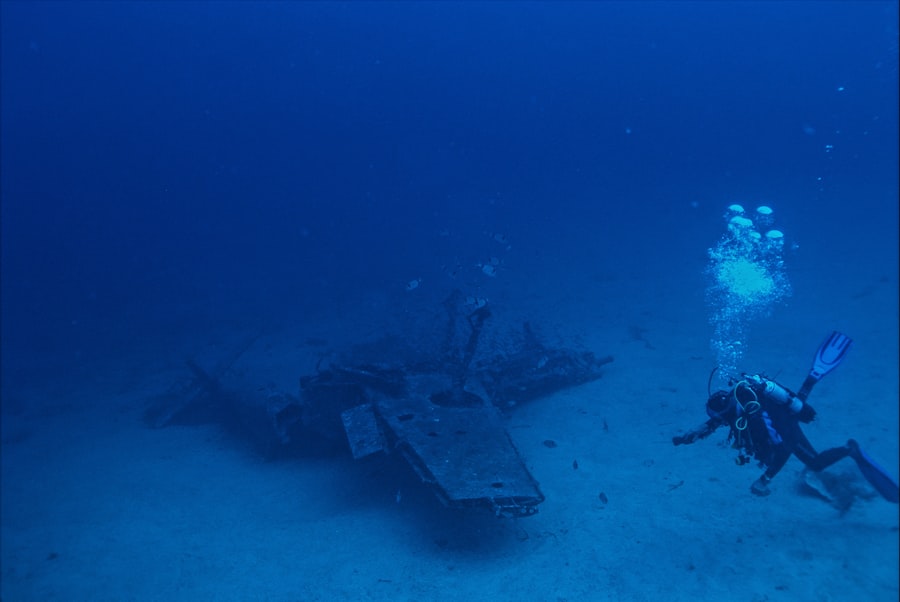
Submarine warfare is an art form where the absence of detection is itself a weapon. Submarines employ a sophisticated array of technologies and tactics to remain hidden, to become one with the ocean’s embrace.
Acoustic Stealth: The Submarine’s Camouflage
The most crucial element of submarine warfare is acoustic stealth. Submarines strive to minimize their noise signature, the sound they emit into the water. This involves advanced hull design, quieting machinery, and meticulous operational procedures. Every creak, every groan, every propeller hum can betray their presence to a keen ear. Imagine a whisper in a crowded room – that is the sound you are trying to become, or rather, the sound you are trying to not become.
Hydrodynamics and Quiet Propulsion
The shape of a submarine’s hull is critical to reducing drag and minimizing the noise generated by water flow. Modern submarines feature streamlined designs, often with single screw propellers or advanced pump-jet propulsors that are significantly quieter than traditional propellers. The internal machinery is mounted on shock-absorbing systems to further isolate vibrations from the hull.
Active and Passive Sonar: The Ears of the Ocean
Sonar, sound navigation and ranging, is the primary means by which submarines and their adversaries detect each other. Passive sonar listens for sounds emitted by other vessels, while active sonar emits sound pulses and analyzes the returning echoes. Submarines employ sophisticated sonar systems to both detect and evade threats. They are constantly listening, like a predator waiting for the faintest rustle in the undergrowth.
Deception and Evasion: The Dance of the Deep
When detected, or when sensing a potential threat, submarines employ a variety of techniques to evade capture. This can range from simple maneuvers to complex countermeasures.
Sonar Avoidance and Countermeasures
Submarines can employ tactics like using the ocean’s thermoclines, layers of water at different temperatures that can refract sonar signals. They may also deploy acoustic decoys that mimic the sound of a submarine to lure pursuers away. The use of chaff, which releases bubbles and creates echoes, can also confuse active sonar.
Silent Running and Depth Control
The simplest yet often most effective evasion tactic is “silent running,” shutting down non-essential machinery to minimize noise. Precise depth control is also vital; a submarine can dive deeper into the crushing blackness, where the water pressure and lack of light offer a natural cloak.
The Human Element: The Crew in the Crucible
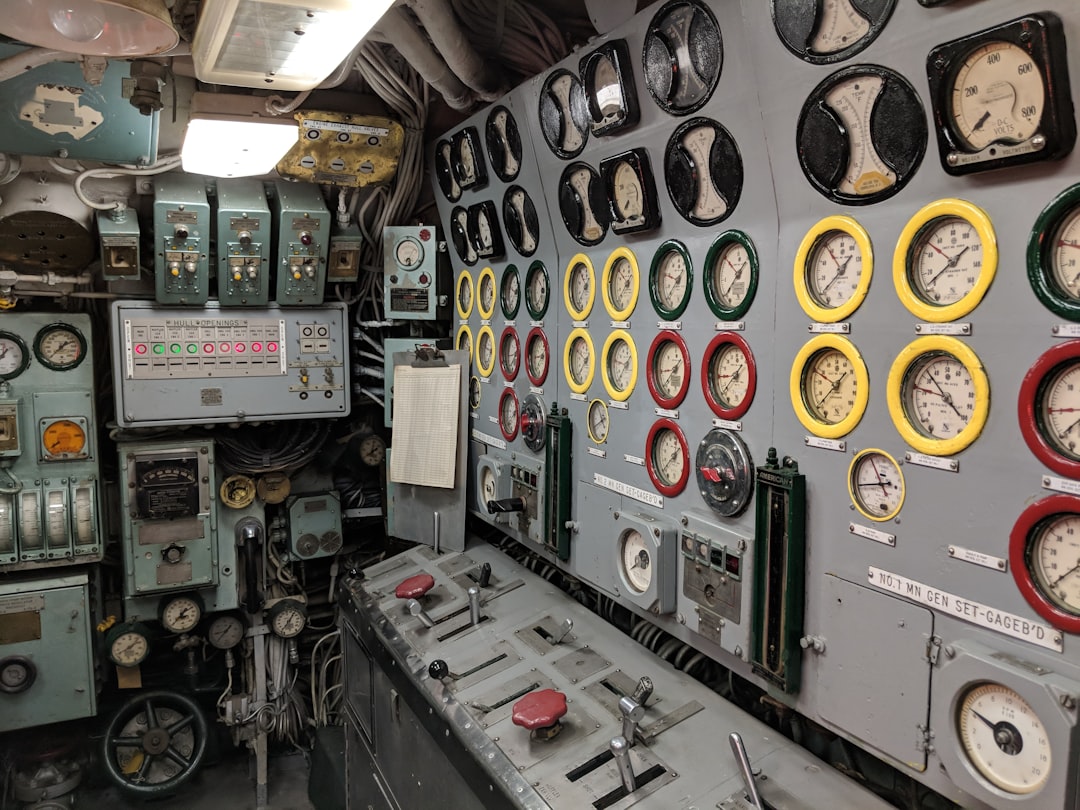
Beyond the advanced technology, the success of submarine warfare hinges on the skills, discipline, and resilience of its crew. Operating in the confined, often stressful environment of a submarine requires a unique breed of sailor.
Life Below the Waves: A World Apart
Life aboard a submarine is a world apart from that on the surface. You are confined to a metallic womb, hundreds of feet below the ocean’s surface, with limited personal space and a dependence on the vessel’s life support systems. The constant hum of machinery, the recycled air, and the absence of natural light are the rhythms of daily existence.
The Psychological Strain of Confinement
The psychological strain of prolonged submerged operations cannot be understated. Sailors must contend with isolation, lack of privacy, and the inherent dangers of their environment. A strong sense of camaraderie and rigorous training are essential to maintaining morale and operational effectiveness. Every member of the crew is a vital cog in the intricate clockwork of the submarine.
Manning the Stations: Every Role is Critical
From the sonar technician diligently listening for the faintest whisper to the helmsman precisely controlling the vessel’s movement, every member of the submarine crew has a critical role to play. The highly specialized nature of submarine operations demands extensive training and a high degree of professionalism.
Submarine warfare has evolved significantly over the years, with advancements in technology and tactics playing a crucial role in naval strategies. For those interested in exploring this topic further, a related article can be found at In the War Room, which delves into the historical context and future implications of underwater combat. Understanding these developments is essential for grasping the complexities of modern military operations.
The Evolving Landscape of Submarine Warfare
| Metric | Description | Example/Value |
|---|---|---|
| Submarine Types | Categories of submarines used in warfare | Attack Submarines (SSN), Ballistic Missile Submarines (SSBN), Diesel-Electric Submarines (SSK) |
| Maximum Operating Depth | Maximum depth a submarine can safely operate | 300-600 meters (typical modern attack submarines) |
| Submerged Speed | Maximum speed while submerged | 20-35 knots |
| Endurance | Maximum time a submarine can operate underwater without surfacing | Nuclear: Several months; Diesel-Electric: Few days to weeks |
| Primary Weapons | Weapons typically used in submarine warfare | Torpedoes, Cruise Missiles, Ballistic Missiles |
| Detection Range | Range at which submarines can detect enemy vessels using sonar | Up to 20-30 km (passive sonar), greater with active sonar |
| Stealth Features | Technologies used to reduce detectability | Sound-absorbing tiles, Anechoic coatings, Quiet propulsion systems |
| Historical Impact | Significant conflicts involving submarine warfare | World War I & II, Cold War naval confrontations |
The art of submarine warfare is not static. It is a continuous process of adaptation and innovation, driven by the relentless pursuit of advantage and the ever-present specter of counter-technology.
The Rise of Unmanned Underwater Vehicles (UUVs)
The development of Unmanned Underwater Vehicles, or UUVs, is a significant development in the realm of underwater operations. These autonomous or remotely operated vehicles can perform a variety of tasks, from reconnaissance and mine detection to potentially even offensive missions, all without risking human lives. They represent a new frontier in the silent, deadly dance of the ocean.
Reconnaissance and Intelligence Gathering
UUVs can act as the eyes and ears of the fleet, extending the sensory reach of submarines and surface vessels. They can loiter in areas of interest for extended periods, gathering valuable intelligence without the exposure of a manned platform.
Mine Warfare and Harbor Infiltration
The ability of UUVs to navigate complex and often shallow environments makes them ideal for mine countermeasures and even limited harbor infiltration. Their small size and stealth capabilities can allow them to penetrate defenses that would be impossible for larger vessels.
The Future of Stealth and Lethality
The future of submarine warfare promises even greater advancements in stealth technology, artificial intelligence, and weapon systems. The ongoing evolution of this silent art ensures that the submarine will remain a formidable and indispensable element of naval power for generations to come. You are witnessing an ongoing arms race, played out not in the skies, but in the crushing, silent depths of the ocean, where the ultimate victor is the one who is never seen.
WATCH NOW▶️ Submarine detection technology history
FAQs
What is submarine warfare?
Submarine warfare is a type of naval combat that involves the use of submarines to attack enemy ships, disrupt supply lines, and gather intelligence. It plays a strategic role in naval operations by leveraging stealth and underwater capabilities.
When did submarine warfare first become significant?
Submarine warfare became significant during World War I, particularly with the use of German U-boats. These submarines targeted military and commercial vessels, impacting naval strategies and international maritime law.
How do submarines attack enemy vessels?
Submarines typically attack using torpedoes, which are self-propelled underwater missiles. They can also launch missiles or lay mines. Submarines rely on stealth to approach targets undetected before striking.
What are the main types of submarines used in warfare?
The main types include attack submarines (SSNs), which target enemy ships and submarines; ballistic missile submarines (SSBNs), which carry nuclear missiles for strategic deterrence; and guided missile submarines (SSGNs), which launch cruise missiles for land-attack missions.
How has submarine warfare evolved with technology?
Advancements in sonar, stealth technology, propulsion systems, and weaponry have made submarines more effective and harder to detect. Modern submarines can operate at greater depths, stay submerged longer, and carry more sophisticated weapons than earlier models.