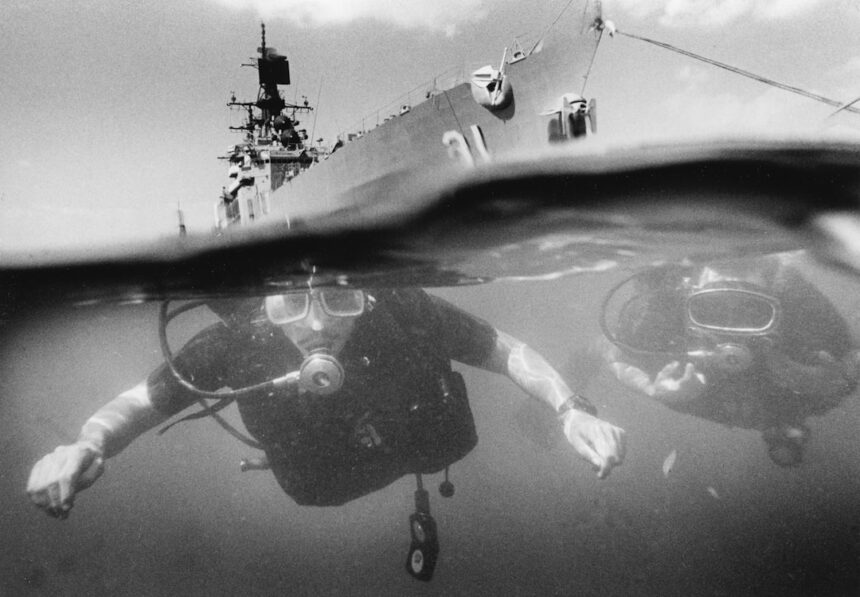
Underwater stealth has emerged as a critical component in modern naval warfare, where the ability to operate undetected can determine the outcome of engagements. Submarines, often referred to as the silent service, rely on stealth to evade detection by enemy forces. This capability not only enhances their survivability but also allows them to gather intelligence and conduct operations without revealing their position.
The significance of underwater stealth extends beyond military applications; it also plays a vital role in protecting maritime interests and ensuring the safety of naval assets. The strategic advantages of underwater stealth are manifold. Submarines equipped with advanced stealth technologies can approach adversaries undetected, launch surprise attacks, and retreat without being tracked.
This element of surprise can shift the balance of power in naval confrontations, making stealth a paramount consideration in submarine design and operation. As nations invest heavily in their naval capabilities, the race for superior underwater stealth continues to intensify, underscoring its importance in contemporary maritime security.
Key Takeaways
- Underwater stealth is crucial for submarine effectiveness and mission success.
- Submarine noise significantly compromises stealth by revealing location to adversaries.
- Advances in acoustic materials and propeller design are key to reducing submarine noise.
- Innovations in engine technology contribute to quieter submarine operations.
- Collaborative research is essential to overcome challenges and enhance noise silencing technologies.
The Impact of Submarine Noise on Underwater Stealth
Submarine noise is one of the most significant factors affecting underwater stealth. The sounds generated by a submarine can easily betray its position to enemy sonar systems, rendering it vulnerable to detection and attack. Various sources contribute to this noise, including machinery operations, water flow over the hull, and even the movement of crew members within the vessel.
As a result, managing and minimizing these sounds is essential for maintaining operational secrecy. The impact of submarine noise extends beyond mere detection; it can also influence the effectiveness of sonar systems used by adversaries.
Consequently, reducing noise levels is not just about enhancing stealth; it is also about ensuring that submarines can operate effectively in contested environments where they may face sophisticated detection technologies.
Current Methods for Silencing Submarine Noise
To combat the challenges posed by submarine noise, navies around the world have implemented various methods aimed at silencing their vessels. One of the most common approaches involves the use of sound-dampening materials throughout the submarine’s construction. These materials absorb sound waves and reduce vibrations, thereby minimizing the acoustic signature of the vessel.
Additionally, careful design considerations are made to optimize the layout of machinery and equipment, ensuring that noise-generating components are strategically placed to limit their impact on overall sound levels. Another method employed to reduce submarine noise is the use of advanced propulsion systems. Traditional propellers can generate significant noise due to cavitation and turbulence; therefore, many modern submarines utilize quieter alternatives such as pump-jet systems or advanced propeller designs that minimize these effects.
These innovations not only enhance stealth but also improve overall operational efficiency, allowing submarines to operate at higher speeds without compromising their covert capabilities.
Advancements in Acoustic Materials for Submarine Noise Reduction
Recent advancements in acoustic materials have revolutionized the approach to submarine noise reduction. Researchers have developed innovative composites and polymers that exhibit exceptional sound-absorbing properties. These materials can be integrated into various parts of a submarine, including the hull and internal compartments, significantly reducing the transmission of sound both into and out of the vessel.
The use of these advanced materials allows for a more comprehensive approach to stealth, addressing both structural noise and operational sounds. Moreover, ongoing research into metamaterials—engineered materials with unique properties—holds promise for future submarine designs. These materials can be tailored to manipulate sound waves in ways that traditional materials cannot, potentially leading to breakthroughs in noise reduction technology.
As these advancements continue to evolve, they offer exciting possibilities for enhancing underwater stealth capabilities in next-generation submarines.
The Role of Propeller Design in Submarine Noise Reduction
| Metric | Description | Typical Values | Measurement Unit |
|---|---|---|---|
| Radiated Noise Level | Overall noise emitted by the submarine into the water | 80 – 120 | dB re 1 µPa @ 1m |
| Machinery Noise | Noise generated by onboard machinery and equipment | 60 – 90 | dB re 1 µPa |
| Propeller Cavitation Noise | Noise caused by cavitation bubbles forming and collapsing on propeller blades | 70 – 110 | dB re 1 µPa |
| Hull Vibration Level | Vibration transmitted through the submarine hull contributing to noise | 0.1 – 1.0 | mm/s RMS |
| Noise Reduction Coating Effectiveness | Reduction in noise level due to anechoic tiles or coatings | 10 – 20 | dB reduction |
| Flow Noise | Noise generated by water flow over the hull and appendages | 50 – 80 | dB re 1 µPa |
| Quieting Technology Impact | Overall noise reduction achieved by integrated quieting technologies | 15 – 30 | dB reduction |
Propeller design plays a crucial role in minimizing submarine noise, as traditional propellers can create significant acoustic signatures due to cavitation and turbulence. Modern submarines increasingly employ advanced propeller designs that focus on reducing these effects while maintaining propulsion efficiency. For instance, skewed or shrouded propellers are engineered to minimize cavitation by altering the flow dynamics around the blades, resulting in quieter operation.
In addition to innovative blade shapes, some submarines utilize pump-jet propulsion systems that further reduce noise levels. These systems employ an enclosed rotor design that mitigates cavitation and directs water flow more efficiently than conventional propellers. By integrating such advanced propulsion technologies, submarines can achieve higher levels of stealth while still meeting operational requirements for speed and maneuverability.
Innovations in Engine Technology for Submarine Noise Reduction
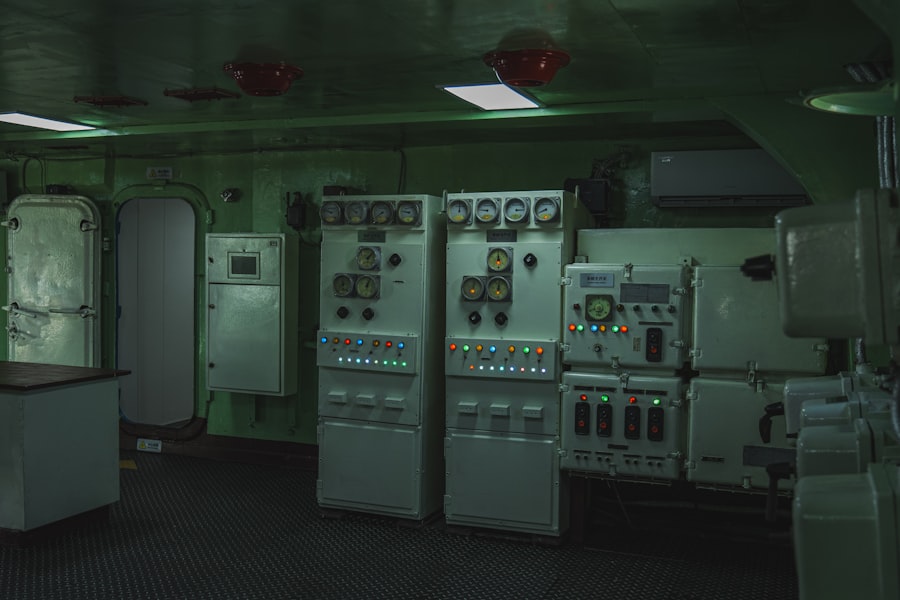
Engine technology has also seen significant innovations aimed at reducing submarine noise. Traditional diesel-electric engines can generate considerable sound during operation; however, advancements in hybrid propulsion systems have emerged as a solution. These systems combine diesel engines with electric motors, allowing submarines to operate silently on battery power when submerged while using diesel engines for surface operations or when speed is required.
Furthermore, research into alternative energy sources, such as fuel cells and nuclear propulsion, has opened new avenues for reducing noise levels. Fuel cells produce electricity through chemical reactions without combustion, resulting in minimal noise generation compared to traditional engines. Nuclear-powered submarines benefit from their ability to operate at high speeds without the need for surface refueling, allowing them to maintain stealth over extended periods while minimizing detectable sounds.
The Future of Underwater Stealth Technology
The future of underwater stealth technology is poised for remarkable advancements as nations continue to prioritize naval capabilities in an increasingly competitive global landscape. Emerging technologies such as artificial intelligence (AI) and machine learning are expected to play a pivotal role in enhancing stealth operations. These technologies can analyze vast amounts of data from sonar systems and other sensors, enabling submarines to adapt their tactics in real-time based on environmental conditions and potential threats.
Additionally, ongoing research into biomimicry—drawing inspiration from nature—may lead to innovative designs that further enhance underwater stealth. For example, studying marine animals known for their silent movement could inspire new hull shapes or propulsion methods that minimize noise generation. As these technologies converge, the next generation of submarines will likely possess unprecedented levels of stealth and operational effectiveness.
Challenges in Achieving Complete Submarine Noise Silencing
Despite significant advancements in submarine noise reduction technologies, achieving complete silencing remains a formidable challenge. The complexity of underwater acoustics means that even minor noises can be detected by sophisticated sonar systems employed by adversaries. Furthermore, as detection technologies continue to evolve, submarines must constantly adapt their designs and operational strategies to maintain their stealth advantage.
Another challenge lies in balancing noise reduction with other operational requirements. For instance, while quieter engines and propulsion systems enhance stealth, they may also limit speed or maneuverability under certain conditions. Striking the right balance between these competing demands is essential for ensuring that submarines remain effective in various operational scenarios while minimizing their acoustic signatures.
The Environmental Impact of Submarine Noise
The environmental impact of submarine noise is an increasingly important consideration as navies seek to balance military readiness with ecological responsibility. Underwater noise pollution can disrupt marine ecosystems, affecting communication and navigation among marine species such as whales and dolphins. As awareness of these issues grows, there is a pressing need for navies to adopt practices that mitigate their acoustic footprint while maintaining operational effectiveness.
Efforts are underway to develop quieter technologies not only for military applications but also for commercial shipping and marine research vessels. By prioritizing noise reduction across all maritime activities, stakeholders can work towards preserving marine habitats while ensuring that naval operations remain effective and sustainable.
Military Applications of Submarine Noise Silencing Technology
The military applications of submarine noise silencing technology are vast and varied. Enhanced stealth capabilities allow submarines to conduct intelligence-gathering missions without detection, providing critical information on enemy movements and capabilities. Additionally, quieter submarines can engage in covert operations such as reconnaissance or special forces insertions with reduced risk of exposure.
Moreover, advancements in noise reduction technologies have implications beyond traditional warfare scenarios. In asymmetric conflicts where adversaries may employ unconventional tactics, maintaining underwater stealth becomes even more crucial. The ability to operate undetected allows submarines to adapt to evolving threats and respond effectively without revealing their presence.
Collaborative Efforts in Research and Development for Submarine Noise Reduction
Collaboration among nations, research institutions, and private industry is essential for advancing submarine noise reduction technologies. Joint research initiatives enable the sharing of knowledge and resources, accelerating the development of innovative solutions that benefit all parties involved. Collaborative efforts can also lead to standardization in acoustic materials and design practices, fostering greater interoperability among allied naval forces.
Furthermore, partnerships between military organizations and academic institutions can drive breakthroughs in understanding underwater acoustics and developing new materials tailored for stealth applications.
In conclusion, underwater stealth remains a cornerstone of modern naval strategy, with submarine noise reduction technologies playing a pivotal role in enhancing operational effectiveness.
As advancements continue to emerge across various domains—from acoustic materials to engine technology—the future of underwater stealth looks promising yet challenging. Balancing military needs with environmental considerations will be crucial as nations navigate the complexities of underwater warfare in an ever-evolving landscape.
Recent advancements in submarine technology have highlighted the importance of noise reduction for stealth operations. A related article that delves into this topic can be found on In The War Room, which discusses innovative strategies and materials being developed to minimize underwater noise. For more insights, you can read the article [here](https://www.inthewarroom.com/).
FAQs
What is submarine noise reduction?
Submarine noise reduction refers to the techniques and technologies used to minimize the sound emitted by submarines. This is crucial for enhancing stealth and avoiding detection by sonar systems.
Why is noise reduction important for submarines?
Noise reduction is vital because it helps submarines remain undetected by enemy sonar, increasing their operational effectiveness and survivability during missions.
What are common sources of noise on a submarine?
Common noise sources include the propulsion system (engines and propellers), onboard machinery, water flow around the hull, and cavitation caused by propeller blades.
How do submarines reduce noise from their propulsion systems?
Submarines use advanced propeller designs, such as skewed or pump-jet propellers, and employ vibration isolation techniques to reduce noise from engines and machinery.
What materials are used to help reduce submarine noise?
Special anechoic coatings and tiles are applied to the submarine’s hull to absorb sound waves and reduce the reflection of sonar signals, thereby lowering noise emissions.
Are there operational techniques to reduce submarine noise?
Yes, submarines can operate at slower speeds, avoid cavitation, and carefully manage onboard machinery to minimize noise during sensitive operations.
How does submarine noise reduction impact naval strategy?
Effective noise reduction enhances a submarine’s stealth capabilities, allowing it to conduct reconnaissance, surveillance, and attack missions with a lower risk of detection, thus influencing naval tactics and strategy.
Is submarine noise reduction technology constantly evolving?
Yes, ongoing research and development aim to improve noise reduction technologies to counter advances in sonar detection and maintain submarine stealth advantages.