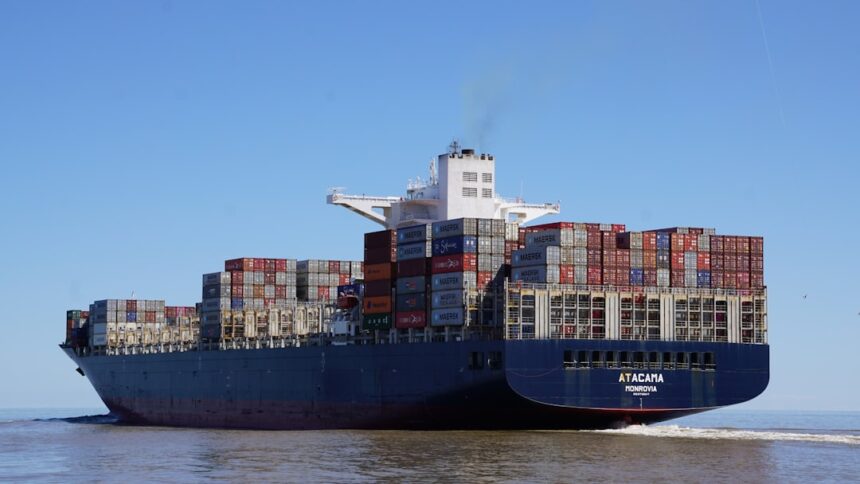
The global shipping industry has experienced substantial increases in insurance premiums over recent years, creating significant financial challenges for businesses worldwide. These premium increases represent additional costs for insuring cargo, vessels, and shipping operations, directly impacting the total cost of international trade. Multiple economic and operational factors have converged to drive these premium increases.
The shipping sector serves as the backbone of international commerce, transporting approximately 90% of global trade by volume. As insurance costs rise, companies face mounting pressure to adjust their pricing models and reconfigure supply chain strategies to maintain profitability.
The COVID-19 pandemic further accelerated these trends by exposing vulnerabilities in global shipping networks and increasing operational risks. Insurance providers have responded to elevated claim frequencies and values by implementing stricter underwriting standards and raising premium rates across various coverage types, including marine cargo, hull and machinery, and protection and indemnity insurance. These adjustments reflect the industry’s effort to maintain adequate reserves against growing risk exposures.
The implications extend beyond immediate cost increases, affecting global trade patterns, consumer prices, and business competitiveness. Companies must now factor higher insurance costs into their logistics planning while exploring risk mitigation strategies to manage their exposure to shipping-related losses.
Key Takeaways
- Shipping insurance premiums are rising due to multiple industry and economic factors.
- Increased premiums significantly affect insurance rates and operational costs for shipping companies.
- Small and medium-sized businesses face greater challenges adapting to higher insurance costs.
- Changes in shipping practices and regulatory measures aim to address premium increases.
- Businesses are advised to adopt strategic risk management to mitigate the impact of rising premiums.
Factors Contributing to Premium Increases
Several factors have converged to drive up shipping premiums in recent years. One of the most significant contributors is the ongoing disruption in global supply chains, exacerbated by events such as the COVID-19 pandemic. The pandemic led to port closures, labor shortages, and increased demand for shipping services as economies began to recover.
These disruptions created a ripple effect, resulting in higher operational costs for shipping companies, which were subsequently passed on to consumers in the form of increased premiums. Additionally, fluctuations in fuel prices have played a pivotal role in shaping shipping costs. As oil prices rise due to geopolitical tensions or changes in production levels, shipping companies face higher expenses that necessitate adjustments in their pricing structures.
Furthermore, environmental regulations aimed at reducing carbon emissions have prompted shipping companies to invest in cleaner technologies and practices, often leading to increased operational costs that are reflected in premium rates.
Impact of Premium Increases on Insurance Rates
The rise in shipping premiums has a direct correlation with insurance rates within the industry. As shipping costs escalate, insurers are compelled to reassess their risk models and pricing strategies. Higher premiums often indicate increased risk exposure for insurers, prompting them to raise insurance rates to maintain profitability.
This creates a cycle where businesses face mounting costs not only for shipping but also for insuring their goods during transit. Moreover, the increased frequency of claims related to cargo damage or loss can further influence insurance rates. As shipping becomes more expensive, businesses may be more inclined to insure their shipments comprehensively, leading to a higher volume of claims.
Insurers must then adjust their pricing models accordingly, resulting in elevated insurance premiums that can strain budgets for small and medium-sized enterprises (SMEs) particularly hard.
Changes in Shipping Industry Practices
In response to rising premiums and changing market dynamics, the shipping industry has begun to adapt its practices significantly. Companies are increasingly exploring alternative shipping methods and routes to mitigate costs. For instance, some businesses are turning to rail or intermodal transport as a more cost-effective solution compared to traditional maritime shipping.
This shift not only helps reduce expenses but also diversifies supply chain options, enhancing resilience against future disruptions. Additionally, technology has emerged as a key player in transforming shipping practices. The adoption of digital platforms for tracking shipments and managing logistics has streamlined operations and improved efficiency.
By leveraging data analytics and artificial intelligence, companies can optimize their shipping routes and reduce delays, ultimately leading to cost savings that can offset rising premiums. These technological advancements are reshaping the landscape of the shipping industry, allowing businesses to navigate challenges more effectively.
Strategies for Mitigating Premium Increases
| Factor | Impact on Shipping Premium | Effect on Insurance Rates | Notes |
|---|---|---|---|
| Increased Cargo Value | High Increase | Higher Rates | More valuable shipments require higher coverage |
| Higher Risk Routes | Moderate to High Increase | Higher Rates | Routes with piracy or political instability raise premiums |
| Frequency of Claims | Moderate Increase | Higher Rates | Frequent claims lead to increased insurance costs |
| Type of Goods Shipped | Variable Increase | Variable Rates | Hazardous or perishable goods increase premiums |
| Shipping Distance | Low to Moderate Increase | Moderate Rates | Longer distances increase risk and cost |
| Shipping Method (Air, Sea, Land) | Variable Increase | Variable Rates | Air shipping often has higher premiums than sea or land |
| Regulatory Changes | Variable Increase | Variable Rates | New regulations can increase compliance costs |
To combat the impact of rising premiums, businesses must adopt proactive strategies that enhance their resilience and adaptability. One effective approach is to establish long-term relationships with shipping partners. By fostering collaboration and open communication with carriers, companies can negotiate better rates and secure more favorable terms.
This partnership approach not only helps mitigate costs but also ensures reliability in service delivery. Another strategy involves diversifying supply chains to reduce dependency on a single mode of transport or geographic region. By exploring multiple sourcing options and transportation methods, businesses can better manage risks associated with premium increases.
Additionally, investing in inventory management systems can help companies maintain optimal stock levels, reducing the urgency for expedited shipping that often incurs higher premiums.
Role of Insurance Companies in Premium Increases

Insurance companies play a critical role in the dynamics of premium increases within the shipping industry. As they assess risks associated with shipping operations, insurers must consider various factors such as cargo value, transit routes, and historical claims data. When premiums rise due to increased operational costs or heightened risk exposure, insurers must balance their need for profitability with their commitment to providing adequate coverage for businesses.
Moreover, insurers are increasingly focusing on risk management strategies that can help mitigate potential losses for their clients. By offering guidance on best practices for cargo handling and transportation safety, insurance companies can assist businesses in reducing claims frequency and severity. This collaborative approach not only benefits insurers by lowering their risk exposure but also empowers businesses to navigate the complexities of rising premiums more effectively.
Impact on Small and Medium-sized Businesses
The impact of premium increases is particularly pronounced for small and medium-sized enterprises (SMEs), which often operate with tighter margins compared to larger corporations. As shipping costs rise, SMEs may struggle to absorb these additional expenses without passing them on to consumers through higher prices. This can lead to decreased competitiveness in the market, especially if larger competitors can better absorb or negotiate lower rates.
Furthermore, SMEs may lack the resources or bargaining power to secure favorable terms with shipping carriers or insurance providers. This disadvantage can result in a cycle of escalating costs that hampers growth potential and innovation within these businesses. To remain viable in an increasingly challenging environment, SMEs must adopt strategic approaches that enhance their operational efficiency and cost management capabilities.
Effects on Global Trade and Supply Chains
The ramifications of rising shipping premiums extend beyond individual businesses; they have far-reaching effects on global trade and supply chains as a whole. Increased shipping costs can lead to higher prices for imported goods, ultimately impacting consumer purchasing power and demand. As countries grapple with inflationary pressures exacerbated by rising shipping premiums, policymakers may need to consider measures that support trade stability and affordability.
Moreover, disruptions in supply chains caused by premium increases can lead to delays in product availability and fulfillment. Businesses may find it challenging to maintain adequate inventory levels or meet customer expectations due to unpredictable shipping costs and timelines. This uncertainty can hinder international trade relationships and complicate efforts to establish reliable supply chains across borders.
Regulatory Responses to Premium Increases
In light of the challenges posed by rising shipping premiums, regulatory bodies have begun exploring potential responses aimed at stabilizing the industry. Governments may consider implementing measures that promote transparency in pricing practices among shipping carriers and insurers. By fostering an environment of accountability, regulators can help ensure that businesses are not subjected to unjustified premium increases.
Additionally, policymakers may explore initiatives that support innovation within the shipping industry. Investments in infrastructure improvements or incentives for adopting sustainable practices could help alleviate some of the cost pressures associated with rising premiums. By addressing the root causes of premium increases through regulatory measures, governments can contribute to a more resilient and competitive shipping landscape.
Future Outlook for Shipping Premiums and Insurance Rates
Looking ahead, the outlook for shipping premiums and insurance rates remains uncertain as various factors continue to shape the industry landscape. While some experts predict stabilization as supply chains recover from recent disruptions, others caution that ongoing geopolitical tensions and environmental regulations may keep pressure on costs elevated. Businesses must remain vigilant and adaptable as they navigate this evolving environment.
Furthermore, advancements in technology are likely to play a pivotal role in shaping future trends within the shipping industry. As digital solutions become more integrated into logistics operations, companies may find new opportunities for cost savings and efficiency gains that could mitigate the impact of rising premiums over time. The ability to leverage data-driven insights will be crucial for businesses seeking to thrive amidst ongoing challenges.
Conclusion and Recommendations for Businesses
In conclusion, rising premiums in the shipping industry present significant challenges for businesses across various sectors. Understanding the factors contributing to these increases is essential for developing effective strategies that mitigate their impact. By fostering strong relationships with shipping partners, diversifying supply chains, and leveraging technology, companies can enhance their resilience against fluctuating costs.
Moreover, engaging with insurance providers on risk management practices can help businesses navigate the complexities of rising insurance rates while ensuring adequate coverage for their shipments. As regulatory bodies explore measures aimed at stabilizing the industry, businesses should remain proactive in adapting their operations to align with evolving market dynamics. Ultimately, by taking a comprehensive approach that encompasses collaboration, innovation, and strategic planning, businesses can position themselves for success even amidst the challenges posed by rising shipping premiums and insurance rates.
As shipping companies face rising operational costs, many are compelled to increase their premium rates, which in turn affects insurance costs for businesses relying on these services. For a deeper understanding of how these changes are impacting the logistics industry, you can read more in this related article on shipping trends and their implications for insurance rates at In the War Room.
WATCH THIS! 🌊 The Invisible Army That Controls Global Shipping
FAQs
What does “shipping premium” mean in the context of insurance?
Shipping premium refers to the additional cost or surcharge applied to insurance policies that cover the transportation of goods. It accounts for the risks associated with shipping, such as damage, loss, or delays during transit.
Why do shipping premiums cause insurance rates to increase?
Shipping premiums increase insurance rates because they reflect higher risk levels in the shipping process. Factors like increased freight costs, supply chain disruptions, or higher claims frequency can lead insurers to raise premiums to cover potential losses.
Are shipping premium increases common in the insurance industry?
Yes, shipping premium increases are relatively common, especially during periods of heightened risk such as global supply chain issues, natural disasters, or geopolitical tensions that affect shipping routes and safety.
How do increased shipping premiums affect businesses?
Increased shipping premiums raise the overall cost of insuring goods in transit, which can lead to higher operational expenses for businesses. This may result in increased product prices or reduced profit margins.
Can businesses negotiate or reduce shipping premium costs?
Businesses can sometimes negotiate better rates by demonstrating strong risk management practices, choosing reliable shipping partners, or consolidating shipments. Additionally, working with insurance brokers to find competitive policies may help reduce costs.
Do all types of shipping see premium increases equally?
No, premium increases vary depending on the mode of shipping (air, sea, land), the nature of the goods, destination risks, and current market conditions. High-risk routes or fragile cargo typically experience higher premium increases.
What factors contribute to the calculation of shipping premiums?
Factors include the value and type of goods, shipping distance, mode of transport, historical claims data, geopolitical risks, and current market conditions affecting shipping and logistics.
Is it possible for shipping premiums to decrease?
Yes, shipping premiums can decrease if risk factors improve, such as enhanced security measures, stabilized supply chains, or reduced claims frequency. Market competition among insurers can also lead to lower premiums.