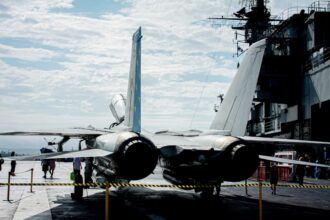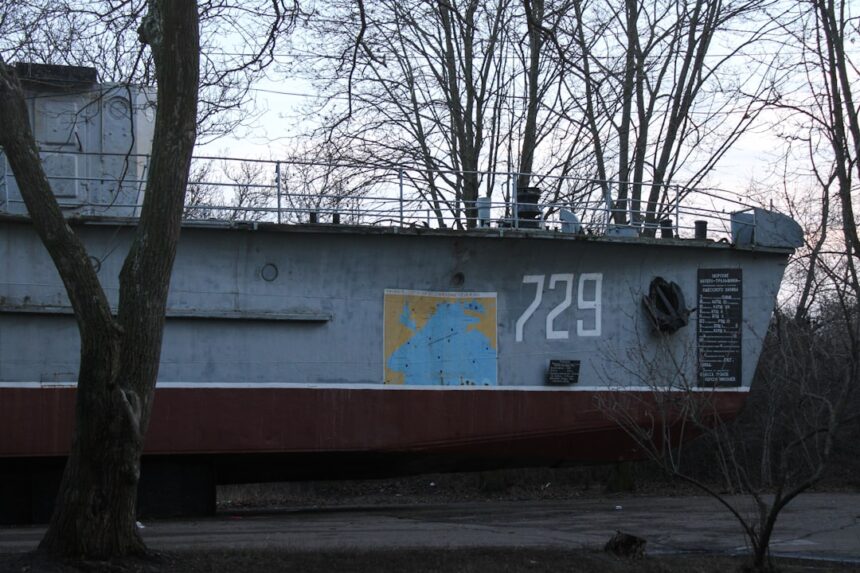
The vast expanse of the Pacific Ocean, a shimmering canvas of blue and green, held within its depths a formidable force: the Soviet Pacific Fleet. For decades, this vital arm of the Soviet Union’s military projection was a cornerstone of its global strategy, a red tide capable of challenging Western naval dominance. However, beneath the polished brass and the imposing silhouette of its vessels, the fleet harbored a less visible, yet equally potent, threat: pervasive security vulnerabilities. These cracks in its armored hull, though often masked by official pronouncements and deliberate obfuscation, were a persistent concern, a silent sap that could, in times of crisis, undermine its operational effectiveness and ultimately, its strategic standing. Examining these vulnerabilities offers a stark reminder that even the most outwardly powerful entities are susceptible to internal weaknesses, akin to a magnificent oak tree harboring hidden rot within its mighty trunk.
The geopolitical landscape of the Cold War was a chessboard of espionage, and the Soviet Pacific Fleet, given its strategic importance, was a prime target. The sheer scale and complexity of naval operations, from routine patrols to sophisticated exercises, generated a torrent of sensitive information, both operational and technological.
Human Intelligence: The ‘Rats’ in the Hull
Perhaps the most insidious form of infiltration came from human sources. Agents, cultivated over years or even decades, could exist within the fleet’s ranks, acting as unwitting or willing conduits for classified data. These individuals, whether ideologically motivated, coerced, or compromised by financial inducements, represented a constant, gnawing threat. Their access, however limited, could be leveraged to reveal patrol routes, identify ship capabilities, and even pinpoint weaknesses in operational procedures. The classic spy novel often paints a dramatic picture, but the reality was far more insidious: a quiet word, a coded message, a seemingly innocuous photograph, all designed to chip away at the fleet’s security.
Motivations and Methods of Infiltration
The recruitment of agents was a multifaceted process. Ideological sympathy, though less prevalent in the highly disciplined Soviet military, was a factor for some. More commonly, however, were the vulnerabilities of individuals: financial distress, personal grievances, or even blackmail. The KGB, the Soviet’s formidable security agency, was adept at identifying and exploiting these weaknesses. Once recruited, agents were trained in covert communication methods, data exfiltration techniques, and operational security to avoid detection. The success of these operations often hinged on the sheer volume of data generated by the fleet, making it difficult to isolate and identify the stolen intelligence.
The Impact of Stolen Technical Data
Beyond operational details, the theft of technological blueprints and specifications was a devastating blow. The Soviet Union, while a formidable military power, often lagged behind its Western counterparts in certain technological areas. Access to blueprints for advanced sonar systems, radar technology, or even the design of new submarine classes could drastically shorten the development cycle for enemy navies and give them a critical edge in future confrontations. This information, once acquired, could be reverse-engineered, leading to the faster development of countermeasures or even superior adversary platforms. The loss of such data was akin to a vital organ being transplanted into an opponent’s body, allowing them to immediately gain a biological advantage.
Electronic Interception: Listening to the Waves
The electronic spectrum, a constant hum of communication and detection signals, was another fertile ground for intelligence gathering. The Soviet Pacific Fleet, like any modern naval force, relied heavily on radio communications, radar, and sonar – all of which emitted signals that could be intercepted and analyzed.
Signals Intelligence (SIGINT) Capabilities of Adversaries
Western intelligence agencies possessed sophisticated SIGINT capabilities, capable of intercepting and deciphering a vast array of Soviet transmissions. From the cacophony of tactical radio chatter during exercises to the more measured tones of command and control, these signals provided a rich tapestry of information. Advanced algorithms and decryption techniques allowed adversaries to piece together conversations, identify ship movements, and understand the fleet’s operational tempo. The ocean, often perceived as a vast and isolating domain, paradoxically became a conduit for revealing the fleet’s secrets through the very waves it traversed.
The Challenge of Encryption and Countermeasures
While the Soviets employed encryption for their most sensitive communications, the effectiveness of these measures was a constant cat-and-mouse game. Adversaries dedicated significant resources to breaking cryptographic codes, and the sheer volume of intercepted traffic often provided enough data for statistical analysis that could reveal patterns and weaknesses. Furthermore, the physical security of encryption devices and the human element in managing them were also potential vulnerabilities. The constant need to develop and deploy new encryption algorithms was a drain on Soviet resources, a perpetual race against an ever-advancing adversary.
Recent analyses of the Soviet Pacific Fleet have highlighted significant security vulnerabilities that could be exploited in times of geopolitical tension. A related article discusses these vulnerabilities in detail, examining the historical context and current implications for naval strategy in the region. For a deeper understanding of the challenges faced by the fleet and the potential risks involved, you can read more in this insightful piece at this link.
Operational Security Lapses: The Unseen Doors
Beyond external threats, the internal workings of the Soviet Pacific Fleet were prone to operational security (OPSEC) lapses. These were not necessarily acts of deliberate sabotage, but rather systemic issues and everyday oversights that, when accumulated, could create exploitable weaknesses.
Communications Security: Leaky Pipes of Information
The effective functioning of any military force relies on secure communication channels, and the Soviet Pacific Fleet was no exception. However, cost-saving measures, outdated equipment, and insufficient training could all contribute to communications vulnerabilities.
Reliance on Insecure Transmission Methods
In certain instances, the fleet may have relied on communication methods that were less secure than ideal, particularly during exercises or in less critical operational scenarios. This could include unencrypted radio transmissions or the use of less sophisticated communication equipment. The vastness of the Pacific meant that reliable and secure communication was a constant challenge, and compromises in this area were often a pragmatic, albeit risky, solution to maintaining connectivity. These vulnerabilities were like hairline fractures in a dam, seemingly insignificant until the pressure of events revealed their true danger.
The Human Factor in Communications Protocols
Even with the most advanced technology, the human element remains a critical factor in communications security. Lax adherence to protocols, unauthorized dissemination of sensitive information, or even simple carelessness could compromise transmissions. The pressure to communicate quickly or the fatigue of long deployments could lead to shortcuts that intelligence agencies were adept at exploiting.
Procedural Loopholes: Gaps in the Armor
Military operations are governed by intricate procedures designed to ensure safety and effectiveness. However, these procedures can also contain loopholes or be inconsistently applied, creating potential vulnerabilities.
Inconsistent Enforcement of Security Regulations
The sheer size and operational tempo of the Pacific Fleet, spread across a vast geographical area, made consistent enforcement of all security regulations a significant challenge. Differences in training, leadership, and regional priorities could lead to variations in how security protocols were implemented. This inconsistency was a weakness that adversaries could exploit by identifying patterns of laxity in specific areas or during particular types of operations.
The Impact of Routine and Complacency
Years of relative peace in the Pacific, punctuated by routine patrols, could breed complacency. The “never happened before” mentality is a dangerous adversary to security. Procedures that were once rigorously followed might become rote, with less active critical thought applied to their execution. This could lead to overlooking critical security checks or dismissing minor anomalies that, in retrospect, could have been indicators of more significant breaches.
Technological Deficiencies: Outdated Sentinels

While the Soviet Union possessed considerable technological prowess, particularly in certain military domains, the Pacific Fleet, like any large organization, faced challenges in maintaining cutting-edge technology across all its assets. The pace of technological advancement, especially in areas like sensor technology and electronic warfare, was relentless, and falling behind could create significant disadvantages.
Limitations in Sensor and Detection Capabilities
The ability to detect and track adversary vessels, particularly submarines, is paramount for naval security. If the Soviet Pacific Fleet’s sensors and detection systems were consistently outmatched by those of potential adversaries, its ability to maintain situational awareness and respond effectively would be severely compromised.
Substandard Sonar and Radar Systems
The development and deployment of advanced sonar and radar systems require significant investment and continuous research and development. If Soviet systems were demonstrably inferior to Western counterparts in terms of range, resolution, or ability to penetrate the ocean’s acoustic and electronic clutter, it would create blind spots in the fleet’s defensive screen. This is akin to a sentry with failing eyesight trying to guard a vast perimeter; the enemy can simply move beyond their limited range of vision.
Vulnerability to Advanced Countermeasures
Even effective systems can be rendered obsolete by advanced countermeasures. If the fleet’s sensors were susceptible to electronic jamming, decoys, or other forms of electronic warfare, their effectiveness would be significantly diminished, leaving the fleet vulnerable to surprise attacks or advanced reconnaissance.
Aging Platforms and Modernization Challenges
Maintaining a modern and capable fleet is an expensive and complex undertaking. The Soviet Pacific Fleet operated a wide range of vessels, some of which were likely aging platforms that had undergone multiple refits but still faced inherent limitations compared to newer designs.
The Economic Strain of Modernization
The Soviet Union’s centrally planned economy, while capable of directing vast resources to military development, also faced inherent inefficiencies and bottlenecks. The cost and complexity of modernizing an entire fleet, from frigates to aircraft carriers, represented a monumental economic challenge. Choices had to be made, and it is probable that some platforms received less frequent or less comprehensive upgrades than others, leading to a disparity in technological capability.
The “Technological Gap” and its Strategic Implications
In a protracted conflict, a sustained technological gap could prove fatal. If Western navies consistently fielded platforms with superior stealth capabilities, more advanced weapon systems, or superior networking capabilities, the Soviet Pacific Fleet could find itself at a significant disadvantage in any direct confrontation. This could force them into defensive postures or limit their offensive options, effectively tying their sea legs.
Personnel and Training Deficiencies: The Human Element’s Strain
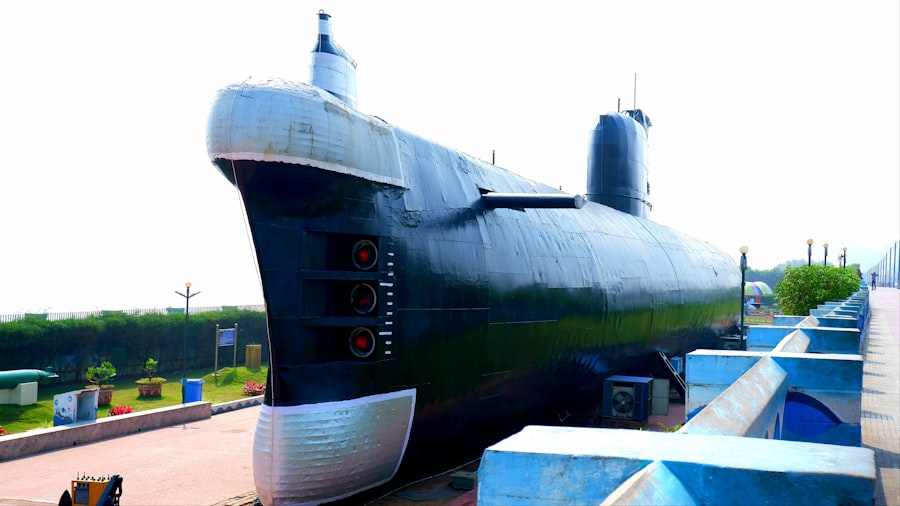
Even the most advanced technology and robust security protocols are rendered ineffective without well-trained and disciplined personnel. The Soviet system, while emphasizing ideological indoctrination, was not immune to issues related to personnel quality, training effectiveness, and crew morale.
Quality of Training and Skill Retention
The effectiveness of pilot training, submarine command, or even the basic seamanship skills of a rating, directly impacts operational capability and security. If training was inconsistent, outdated, or insufficient to meet the demands of modern naval warfare, it would create a cascade of vulnerabilities.
Inconsistent Standards in Training Regimes
Variations in training facilities, instructor quality, and curriculum across different naval bases or specialized schools could lead to inconsistent skill sets among personnel. This meant that the quality of a crew on one ship might differ significantly from that of another, creating unpredictable levels of performance and preparedness.
The Challenge of Maintaining Crew Proficiency
The demanding nature of naval deployments, often far from home and with limited opportunities for realistic training, made it challenging to maintain and refresh the skills of personnel. Skills, like muscles, atrophy without regular use. This was particularly true for specialized roles requiring constant practice and adaptation.
Morale and Discipline: The Unseen Corrosion
The morale and discipline of a fighting force are crucial. Low morale can lead to decreased vigilance, increased risk-taking, and a general erosion of adherence to security protocols.
Impact of Harsh Conditions and Limited Freedoms
Life in the Soviet Navy, particularly on long deployments in remote areas, was often characterized by harsh living conditions, limited personal freedoms, and a rigid command structure. While discipline was expected, prolonged periods of such conditions could take a toll on morale, making personnel more susceptible to errors in judgment or more open to the blandishments of enemy intelligence. The strain on the human spirit is a powerful, often underestimated, factor in military effectiveness.
The Role of Ideological Indoctrination vs. Practical Effectiveness
While ideological indoctrination was a cornerstone of Soviet military training, its effectiveness in fostering genuine vigilance and a proactive approach to security can be debated. An overreliance on rote ideological adherence rather than fostering critical thinking and a personal stake in security could inadvertently create blind spots, where personnel might overlook deviations from the norm because they did not fit the prescribed ideological narrative.
Recent analyses of the Soviet Pacific Fleet have highlighted various security vulnerabilities that could be exploited in times of conflict. These weaknesses not only jeopardize the fleet’s operational readiness but also raise concerns about the broader implications for regional security. For a deeper understanding of these issues, you can explore a related article that discusses the strategic challenges faced by naval forces in the Pacific. This insightful piece can be found here.
Counterintelligence Efforts: The Internal Watchdog
| Security Vulnerability | Description | Impact | Mitigation Measures | Period |
|---|---|---|---|---|
| Communication Interception | Susceptibility to enemy signal interception and decryption | Compromise of fleet movements and operational plans | Use of encrypted communication systems and frequent code changes | Cold War Era (1960s-1980s) |
| Submarine Detection Limitations | Inadequate sonar and anti-submarine warfare (ASW) capabilities | Increased risk of surprise attacks by enemy submarines | Deployment of advanced sonar arrays and ASW patrols | 1970s-1980s |
| Port Security Weaknesses | Limited surveillance and physical security at naval bases | Potential sabotage or espionage activities | Enhanced perimeter defenses and counterintelligence operations | 1960s-1980s |
| Air Defense Gaps | Insufficient coverage against modern air threats | Vulnerability to air strikes and reconnaissance missions | Installation of surface-to-air missile systems and radar upgrades | Late 1970s-1980s |
| Logistical Constraints | Challenges in supply chain and fleet maintenance in remote Pacific locations | Reduced operational readiness and fleet endurance | Development of forward supply bases and improved logistics planning | Cold War Era |
The effectiveness of the Soviet Union’s own counterintelligence efforts within the Pacific Fleet played a crucial role in mitigating some of these vulnerabilities. However, these efforts were themselves subject to limitations and potential weaknesses.
Challenges in Detecting and Neutralizing Spies
The vastness of the fleet and the inherent secrecy of espionage made the task of detecting and neutralizing enemy agents incredibly difficult. Counterintelligence agencies faced the daunting challenge of sifting through thousands of individuals, looking for the proverbial needle in a haystack.
The Sophistication of Adversary Espionage Techniques
Western intelligence agencies were highly sophisticated in their methods, employing a range of techniques from technical surveillance to deep cover agents. This made the task of Soviet counterintelligence even more challenging, requiring them to be constantly a step ahead of adversaries who were adept at adaptation and innovation.
Resource Limitations and Bureaucratic Hurdles
Even the most dedicated counterintelligence organizations can be hampered by resource limitations and bureaucratic inefficiencies. If the Soviet counterintelligence apparatus within the Pacific Fleet was understaffed, underfunded, or bogged down by internal politics, its ability to effectively identify and neutralize threats would be diminished.
The Paradox of Internal Security: Secrecy and Suspicion
The very nature of internal security breeds suspicion. While necessary, an overly zealous or pervasive internal security apparatus could also create its own set of problems.
The Impact of Pervasive Surveillance on Crew Morale
Constant internal surveillance and the pervasive atmosphere of suspicion could have a detrimental effect on crew morale and trust within the fleet. This could lead to a stifling of open communication, a reluctance to report genuine security concerns for fear of being implicated, and a general sense of unease that undermined operational readiness. The internal watchdog, if too aggressive, can become a pariah, driving away the very people it is meant to protect.
The Potential for Misinformation and Internal Conflicts
In a climate of intense suspicion, there was also the potential for misinformation and internal conflicts to arise. Accusations, whether founded or unfounded, could be used to settle personal scores or to destabilize units, ultimately distracting from the primary mission of naval defense and creating internal fissures that could be exploited.
In conclusion, the Soviet Pacific Fleet, a symbol of Soviet maritime power, was a complex organization grappling with a multitude of security vulnerabilities. From the insidious reach of foreign espionage to the silent erosion caused by technological obsolescence and human error, these weaknesses acted as a persistent undertow, threatening to drag down its operational capabilities. While the fleet undoubtedly possessed significant strengths, a clear-eyed assessment reveals that its security was a constant battle, a precarious equilibrium maintained against a relentless tide of challenges. Understanding these vulnerabilities is not an exercise in historical judgment, but a crucial lesson in the multifaceted nature of security, reminding us that even the most formidable structures are human creations, susceptible to the same flaws and fragilities that plague all complex systems.
WARNING: The $35,000 Betrayal That Blinded America
FAQs
What was the primary role of the Soviet Pacific Fleet?
The Soviet Pacific Fleet was responsible for protecting the Soviet Union’s interests in the Pacific Ocean, including safeguarding maritime borders, supporting naval operations, and maintaining a strategic presence in the region.
What were some common security vulnerabilities faced by the Soviet Pacific Fleet?
The Soviet Pacific Fleet faced vulnerabilities such as outdated technology, limited surveillance capabilities, logistical challenges due to vast distances, and difficulties in maintaining effective communication and coordination across its dispersed units.
How did geographical factors impact the security of the Soviet Pacific Fleet?
The vast and remote areas of the Pacific Ocean posed significant challenges for the fleet, including extended supply lines, harsh weather conditions, and limited access to repair and resupply facilities, which affected operational readiness and response times.
What measures were taken to address the security vulnerabilities of the Soviet Pacific Fleet?
The Soviet Navy invested in modernizing ships and submarines, improving radar and sonar systems, enhancing anti-submarine warfare capabilities, and developing better logistical support to mitigate some of the fleet’s security weaknesses.
How did the security vulnerabilities of the Soviet Pacific Fleet affect its strategic effectiveness?
These vulnerabilities limited the fleet’s ability to project power effectively, respond quickly to threats, and maintain continuous surveillance, which in turn affected the Soviet Union’s overall naval strategy and influence in the Pacific region.