Naval escort cable ship operations represent a critical component of maritime security and infrastructure maintenance. These specialized vessels are tasked with the protection and support of undersea cable systems, which are vital for global communication and data transfer. As the world becomes increasingly interconnected, the significance of these operations cannot be overstated.
The presence of naval escort cable ships ensures that the intricate web of undersea cables remains secure from potential threats, including piracy, sabotage, and natural disasters. The operations of these ships extend beyond mere protection; they also involve the maintenance and repair of undersea cables. This dual role underscores the importance of naval escort cable ships in safeguarding not only national interests but also the global economy.
As nations rely more heavily on digital communication, the need for robust naval escort operations has grown, prompting advancements in technology and strategy to enhance their effectiveness.
Key Takeaways
- Naval escort cable ships play a critical role in protecting undersea communication and power cables essential for global connectivity.
- Securing the seas is vital to safeguard national security, economic interests, and international communications.
- Operations face challenges such as harsh marine environments, potential threats, and the complexity of cable maintenance.
- Effective training, advanced technology, and strong communication are key to successful naval escort cable ship missions.
- Environmental impact and future technological advancements are important considerations for evolving naval escort cable ship operations.
The Importance of Securing the Seas
Securing the seas is paramount for maintaining international trade and communication. The vast majority of global data traffic traverses undersea cables, making them essential for everything from personal communications to international business transactions. Disruptions to these cables can have far-reaching consequences, affecting economies and societies worldwide.
Therefore, the role of naval escort cable ships in ensuring the safety and integrity of these cables is crucial. Moreover, the geopolitical landscape has shifted dramatically in recent years, with increased tensions in various regions leading to heightened risks for maritime operations. The potential for hostile actions against undersea infrastructure necessitates a proactive approach to security.
Naval escort cable ships serve as a deterrent against such threats, providing a visible presence that can dissuade potential aggressors while also being prepared to respond swiftly to any incidents that may arise.
Understanding the Role of Naval Escort Cable Ships
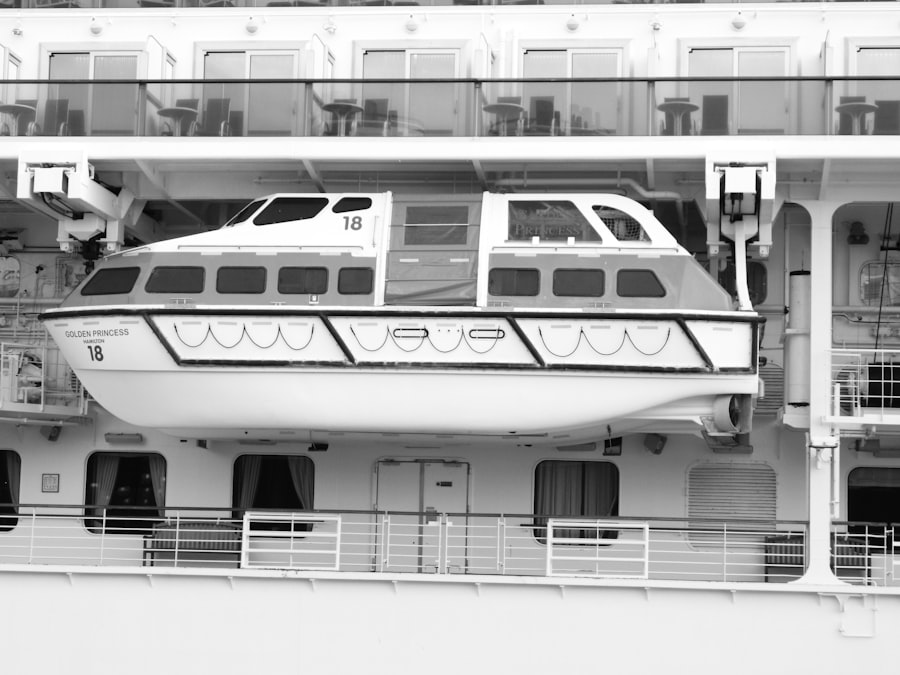
Naval escort cable ships are equipped with specialized tools and personnel trained to handle the unique challenges associated with undersea cable operations. Their primary mission is to provide security for these cables, which are often laid in international waters and can be vulnerable to various forms of interference. These ships patrol designated areas, monitor for suspicious activities, and coordinate with other naval assets to ensure a comprehensive security posture.
In addition to their protective role, these vessels are also involved in the maintenance and repair of undersea cables. When a cable is damaged—whether due to natural causes like earthquakes or human activities such as fishing or anchoring—naval escort cable ships are dispatched to assess the situation and carry out necessary repairs. This multifaceted role highlights the importance of these ships in both safeguarding critical infrastructure and ensuring its continued functionality.
The Challenges of Naval Escort Cable Ship Operations
Operating naval escort cable ships comes with a unique set of challenges that require careful planning and execution. One significant challenge is the unpredictable nature of maritime environments.
Additionally, the vastness of the ocean means that these ships must cover large areas, often with limited resources. Another challenge lies in the potential for conflict in regions where undersea cables are located. As geopolitical tensions rise, naval escort cable ships may find themselves operating in contested waters where their presence could provoke hostile actions.
Navigating these complex situations requires not only tactical acumen but also diplomatic skills to engage with other nations and ensure safe passage for their operations.
Training and Preparation for Naval Escort Cable Ship Operations
| Operation Metric | Description | Typical Value / Range | Unit |
|---|---|---|---|
| Escort Distance | Distance covered by the escort cable ship during operations | 50 – 200 | nautical miles |
| Cable Laying Speed | Speed at which the cable is laid on the seabed | 0.5 – 2 | knots |
| Operational Depth | Maximum depth at which cable operations are conducted | 1000 – 3000 | meters |
| Number of Crew | Typical crew size for escort cable ship operations | 30 – 50 | persons |
| Duration of Operation | Average time taken to complete a cable escort mission | 24 – 72 | hours |
| Communication Range | Range of communication systems used during escort operations | 20 – 50 | nautical miles |
| Power Consumption | Average power consumption during cable laying and escort | 500 – 1500 | kW |
The effectiveness of naval escort cable ship operations hinges on rigorous training and preparation for crew members. Personnel must be well-versed in various aspects of maritime operations, including navigation, communication, and emergency response protocols. Specialized training programs are designed to equip crew members with the skills necessary to handle both routine operations and unexpected challenges that may arise during missions.
Moreover, simulations and drills play a crucial role in preparing crews for real-world scenarios. These exercises allow personnel to practice their responses to potential threats or emergencies in a controlled environment, fostering teamwork and enhancing decision-making skills under pressure. Continuous training ensures that crew members remain proficient in their roles, ultimately contributing to the overall success of naval escort cable ship operations.
Communication and Coordination in Naval Escort Cable Ship Operations
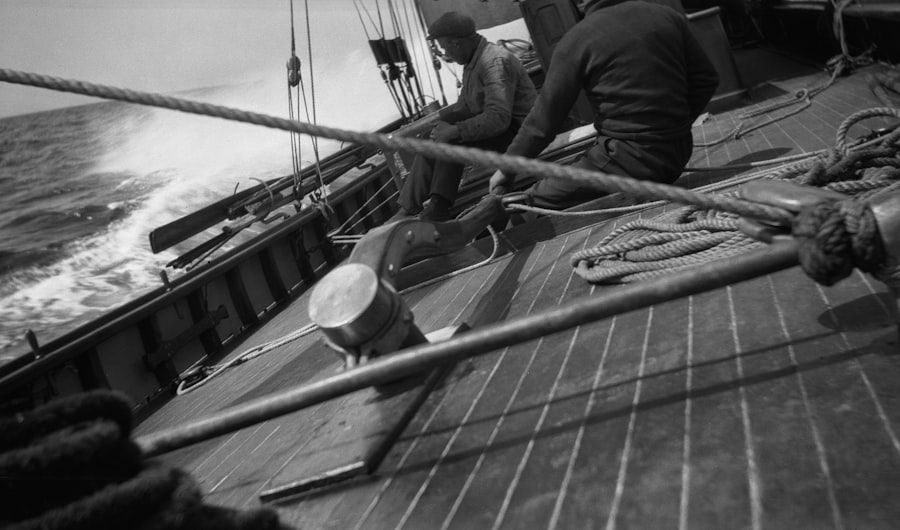
Effective communication and coordination are vital components of successful naval escort cable ship operations. These vessels often operate in conjunction with other naval assets, including surface ships, submarines, and aircraft. Establishing clear lines of communication among all parties involved is essential for ensuring a cohesive operational strategy.
Coordination extends beyond military assets; it also involves collaboration with civilian organizations responsible for managing undersea cables. This partnership is crucial for sharing information about cable locations, potential threats, and repair needs. By fostering strong relationships with these stakeholders, naval escort cable ships can enhance their operational effectiveness and ensure a swift response to any incidents that may occur.
Technology and Equipment Used in Naval Escort Cable Ship Operations
The advancement of technology has significantly enhanced the capabilities of naval escort cable ships. Modern vessels are equipped with sophisticated navigation systems, surveillance equipment, and communication tools that enable them to operate effectively in diverse maritime environments. These technologies allow for real-time monitoring of undersea cables and surrounding areas, providing valuable situational awareness.
Additionally, specialized equipment such as remotely operated vehicles (ROVs) and cable-laying machinery are integral to repair operations. ROVs can be deployed to inspect damaged cables on the seabed, providing critical information that informs repair strategies. The integration of cutting-edge technology into naval escort cable ship operations not only improves efficiency but also enhances safety for crew members during complex tasks.
Strategies for Successful Naval Escort Cable Ship Operations
To ensure successful naval escort cable ship operations, strategic planning is essential.
By anticipating challenges before they arise, naval forces can respond more effectively when incidents occur.
Another key strategy is fostering international cooperation among nations that share interests in maritime security. Collaborative efforts can lead to joint exercises, information sharing, and coordinated responses to threats against undersea infrastructure. By working together, nations can create a more secure maritime environment that benefits all parties involved.
Environmental Considerations in Naval Escort Cable Ship Operations
Environmental considerations play a significant role in naval escort cable ship operations. The impact of maritime activities on marine ecosystems must be carefully evaluated to minimize harm during patrols and repair missions. This includes adhering to regulations designed to protect sensitive habitats and species while conducting operations.
Furthermore, as climate change continues to affect ocean conditions, naval escort cable ships must adapt their strategies accordingly. Rising sea levels, increased storm intensity, and shifting marine ecosystems can all influence the safety and integrity of undersea cables. By incorporating environmental assessments into their operational planning, naval forces can better protect both critical infrastructure and marine environments.
The Future of Naval Escort Cable Ship Operations
The future of naval escort cable ship operations is likely to be shaped by ongoing technological advancements and evolving geopolitical dynamics. As reliance on digital communication continues to grow, so too will the demand for secure undersea infrastructure. This trend will necessitate an expansion of naval escort capabilities to address emerging threats effectively.
Additionally, innovations such as artificial intelligence (AI) and machine learning may play a role in enhancing operational efficiency. These technologies could assist in data analysis for threat detection or optimize routing for patrols based on real-time conditions. As the landscape of maritime security evolves, naval escort cable ships will need to remain agile and adaptable to meet new challenges head-on.
The Continuing Need for Securing the Seas
In conclusion, the operations of naval escort cable ships are vital for securing the seas and protecting critical undersea infrastructure. As global reliance on digital communication grows, so does the importance of safeguarding undersea cables from various threats. The multifaceted roles these vessels play—ranging from security patrols to maintenance operations—underscore their significance in maintaining both national interests and global connectivity.
As challenges continue to emerge in an increasingly complex maritime environment, the need for effective training, communication, coordination, and technological integration will only intensify. By prioritizing these elements, naval forces can ensure that they remain prepared to protect vital undersea infrastructure now and into the future. The commitment to securing the seas will ultimately contribute to a safer and more interconnected world for all nations.
Naval escort cable ship operations play a crucial role in ensuring the security and efficiency of maritime activities. For a deeper understanding of the strategic importance of these operations, you can read more in the article available at In the War Room. This resource provides insights into the various challenges and advancements in naval escort missions, highlighting their significance in modern naval warfare.
FAQs
What is a naval escort cable ship?
A naval escort cable ship is a specialized vessel designed to lay, repair, and maintain underwater communication and power cables. These ships often operate under naval command or in support of naval operations, ensuring secure and reliable cable infrastructure.
What are the primary functions of naval escort cable ships?
The primary functions include laying new submarine cables, repairing damaged cables, performing maintenance tasks, and providing escort services to protect cable-laying operations in potentially hostile or sensitive maritime areas.
Why are naval escort cable ships important?
Naval escort cable ships are crucial for maintaining secure and uninterrupted communication and power links between naval bases, ships, and other strategic points. They help safeguard critical infrastructure from damage or sabotage.
How do naval escort cable ships operate?
These ships operate by deploying specialized equipment to lay or repair cables on the seabed. They use remotely operated vehicles (ROVs), cable plows, and other tools to handle cables precisely. During operations, they may be escorted by naval vessels to ensure security.
What types of cables do naval escort cable ships handle?
They handle various types of submarine cables, including fiber optic communication cables, power transmission cables, and sensor or surveillance cables used for naval defense systems.
What kind of equipment is found on a naval escort cable ship?
Typical equipment includes cable tanks, cable laying machinery, ROVs, dynamic positioning systems, sonar for seabed mapping, and specialized tools for cable repair and burial.
Are naval escort cable ships used only by military forces?
While primarily used by navies, some cable ships operate in dual roles, supporting both military and civilian underwater cable projects, especially in strategic or sensitive maritime zones.
What challenges do naval escort cable ship operations face?
Challenges include harsh weather conditions, deep-sea operations, potential threats from hostile forces, underwater obstacles, and the technical complexity of laying and repairing cables on the seabed.
How do naval escort cable ships ensure the security of cable operations?
Security is maintained through naval escorts, electronic surveillance, operational secrecy, and sometimes by operating in secure or controlled maritime zones to prevent interference or sabotage.
Can naval escort cable ships operate in all ocean conditions?
While designed for a wide range of maritime environments, extreme weather, deep ocean trenches, and complex seabed topography can limit operations. Advanced technology and experienced crews help mitigate these challenges.