Securing Pacific Access: American Naval Power
The vast expanse of the Pacific Ocean, a strategic chessboard stretching across roughly one-third of the Earth’s surface, has long been a focus of American foreign policy and military planning. The United States Navy’s presence and capabilities within this immense maritime domain are not merely a matter of projection; they are fundamental to regional stability, global trade, and the maintenance of international norms. For decades, American naval power has served as a critical guarantor of access, ensuring that the arteries of commerce flow unimpeded and that the interests of the United States and its allies are protected. This article will delve into the multifaceted dimensions of American naval power in the Pacific, examining its historical roots, its current operational realities, its technological underpinnings, its strategic objectives, and the evolving challenges it faces.
The United States’ engagement with the Pacific is a narrative woven into the fabric of its emergence as a global power. The late 19th and early 20th centuries marked a significant shift in American foreign policy, moving beyond a largely continental focus to embrace maritime expansion and influence. This era witnessed the acquisition of territories such as Hawaii and the Philippines, transforming the United States into a trans-Pacific nation with inherent strategic interests. The ensuing geopolitical landscape, particularly the rise of imperial Japan, necessitated a robust naval presence to secure these new overseas possessions and to project American influence into the region.
The Spanish-American War and Early Pacific Ambitions
The Spanish-American War of 1898 was a watershed moment, demonstrating the growing reach of the U.S. Navy. Commodore George Dewey’s decisive victory at the Battle of Manila Bay in the Philippines underscored the navy’s newfound capacity to operate effectively in distant waters. This victory, while initially driven by conflict with Spain, inadvertently positioned the United States as a key player in Asian affairs. The subsequent annexation of the Philippines, though controversial, cemented a strategic foothold for the U.S. in the Western Pacific, demanding a sustained naval commitment to its defense and administration.
The Two World Wars: Forging a Pacific Fleet
The Pacific theater of both World War I and, more significantly, World War II, served as crucibles that forged the modern U.S. Navy’s Pacific Fleet. The attack on Pearl Harbor in 1941 galvanized American resolve and led to an unprecedented mobilization of naval resources. The subsequent island-hopping campaigns, the epic battles of the Coral Sea and Midway, and the eventual defeat of Japan were all testament to the immense power and logistical prowess of the U.S. Navy. This period established a clear understanding of the strategic imperative of controlling sea lanes and projecting power across the vast Pacific. The lessons learned from these conflicts continue to inform naval doctrine and force structure today.
The Cold War Era: Containing Soviet Influence
Following World War II, the Pacific became a significant front in the Cold War. The rise of communist China and the Korean War transformed the region into a battleground between competing ideologies. The U.S. Navy played a crucial role in containing Soviet influence and supporting allies in South Korea and Taiwan. This era saw the development of new naval technologies, including nuclear-powered submarines and aircraft carriers, which enhanced the navy’s ability to operate at longer ranges and with greater endurance. The establishment of alliances such as SEATO (Southeast Asia Treaty Organization) also underscored the interconnectedness of naval power and regional security.
The strategic importance of Pacific Ocean access in relation to American naval power is a topic of great relevance in today’s geopolitical landscape. For an in-depth analysis of how the United States is positioning its naval forces to maintain dominance in the Pacific, you can read the article on this subject at In The War Room. This piece explores the challenges and opportunities faced by the U.S. Navy as it navigates the complexities of regional security and maritime interests.
The Contemporary Role of the U.S. Navy in the Pacific
Today, the U.S. Navy’s role in the Pacific is more crucial than ever, navigating a complex geopolitical landscape marked by resurgent powers, evolving threats, and the enduring importance of maritime commerce. The sheer scale of the Pacific Ocean presents unique challenges, requiring a forward-deployed, technologically advanced, and highly adaptable naval force. The navy’s mission is multifaceted, encompassing deterrence, presence, crisis response, and the safeguarding of freedom of navigation. It operates as a vital component of America’s broader Indo-Pacific strategy, working in concert with allies and partners to maintain a stable and prosperous region.
Forward Deployed Forces and Strategic Presence
The United States maintains a robust forward-deployed presence in the Pacific through its Seventh Fleet, headquartered in Yokosuka, Japan, and its Third Fleet, which operates across a broader swath of the Pacific. This persistent presence serves as a powerful deterrent, signaling commitment to regional security and reassuring allies. These forces are comprised of a wide array of assets, including aircraft carrier strike groups, amphibious assault ships, guided-missile destroyers, submarines, and logistics vessels. Their regular patrols, exercises, and port calls are designed to foster interoperability with allied navies, enhance situational awareness, and demonstrate the U.S.’s capacity to respond rapidly to any contingency. This forward posture acts as a constant hum of assurance in the region, a testament to continued American engagement.
Freedom of Navigation Operations (FONOPs)
A cornerstone of U.S. naval policy in the Pacific, and indeed globally, is the commitment to upholding freedom of navigation. In areas where excessive maritime claims threaten international law, the U.S. Navy conducts Freedom of Navigation Operations (FONOPs). These operations involve sailing naval vessels through disputed waters to assert the right of passage for all nations, regardless of their proximity to the asserted claims. In the South China Sea, for instance, where China has aggressively asserted territorial claims through island building and military installations, U.S. FONOPs are a clear signal that the United States does not recognize these expansive claims as legitimate under international law. This is not an act of aggression, but rather an assertion of a fundamental right that underpins global trade and cooperation.
Humanitarian And Disaster Relief (HADR) Operations
Beyond its security role, the U.S. Navy is often at the forefront of humanitarian assistance and disaster relief (HADR) operations throughout the Pacific. This archipelagic region is particularly vulnerable to natural disasters such as typhoons, earthquakes, and tsunamis. The navy’s unique capabilities, including its amphibious lift, medical facilities, and logistical support, make it an invaluable asset in providing rapid and effective aid to affected populations. From delivering food and water to providing temporary shelter and medical care, the navy’s humanitarian efforts reinforce its role as a stabilizing force and a trusted partner in times of crisis. These operations demonstrate a commitment to human well-being that transcends geopolitical boundaries.
Technological Superiority and Naval Modernization
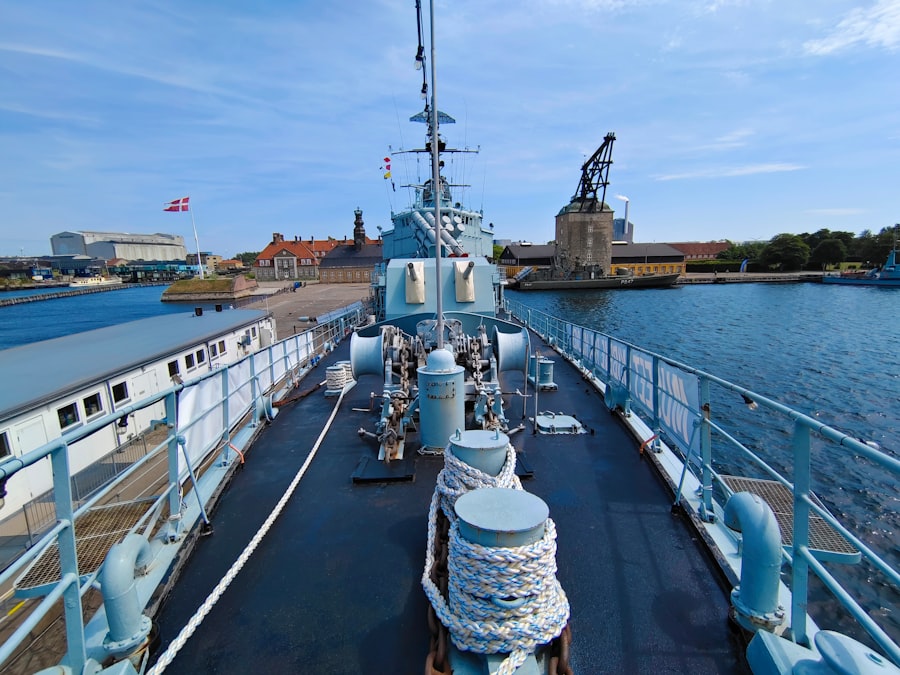
Maintaining an edge in technological superiority is a relentless pursuit for any modern navy, and the U.S. Navy in the Pacific is no exception. The rapid pace of technological advancement, coupled with the evolving nature of naval warfare, necessitates continuous investment in modernization and the development of cutting-edge platforms and systems. From advanced surface combatants to next-generation submarines and unmanned systems, the navy is focused on ensuring its forces remain relevant and capable in the face of emerging challenges. This commitment to innovation acts as a crucial shield, deflecting potential threats before they can materialize.
The Aircraft Carrier Within the Modern Fleet
The aircraft carrier remains the centerpiece of American naval power projection, and the Pacific is its primary operational theater. These colossal vessels are floating airbases, capable of launching and recovering aircraft that can project power across vast distances. The Nimitz-class and the newer Gerald R. Ford-class carriers are formidable platforms, equipped with advanced radar systems, defensive weaponry, and a formidable air wing. Their presence in the Pacific reassures allies, deters potential adversaries, and provides the United States with a flexible and powerful response option in any crisis. The carrier strike group, with its accompanying escorts, is a mobile bastion of American military capability.
Submarine Dominance and Undersea Warfare
Submarine warfare represents a critical, often unseen, dimension of naval power in the Pacific. U.S. Navy submarines, both attack and ballistic missile submarines, provide a stealthy and survivable platform for intelligence gathering, reconnaissance, and the potential delivery of strategic weapons. The Los Angeles, Virginia, and Seawolf-class attack submarines, along with the Ohio-class ballistic missile submarines, are key assets. Their ability to operate undetected beneath the waves offers a significant strategic advantage. Furthermore, the development of new unmanned underwater vehicles (UUVs) is poised to further enhance the navy’s undersea capabilities, providing persistent intelligence and the ability to counter emerging undersea threats. The silent service, cloaked in the ocean’s depths, remains a formidable deterrent.
Emerging Technologies and Unmanned Systems
The U.S. Navy is heavily invested in the development and integration of emerging technologies, including artificial intelligence (AI), cyber warfare capabilities, and a wide range of unmanned systems. Drones, both aerial and maritime, are increasingly being incorporated into naval operations, offering enhanced reconnaissance, persistent surveillance, and the potential for weaponized applications. These “smart” systems are not designed to replace human judgment but to augment it, allowing sailors and Marines to operate more effectively and safely in complex environments. The integration of these technologies is transforming the very nature of naval warfare, and the Pacific will be a key testing ground for these innovations.
Strategic Objectives and Alliance Building
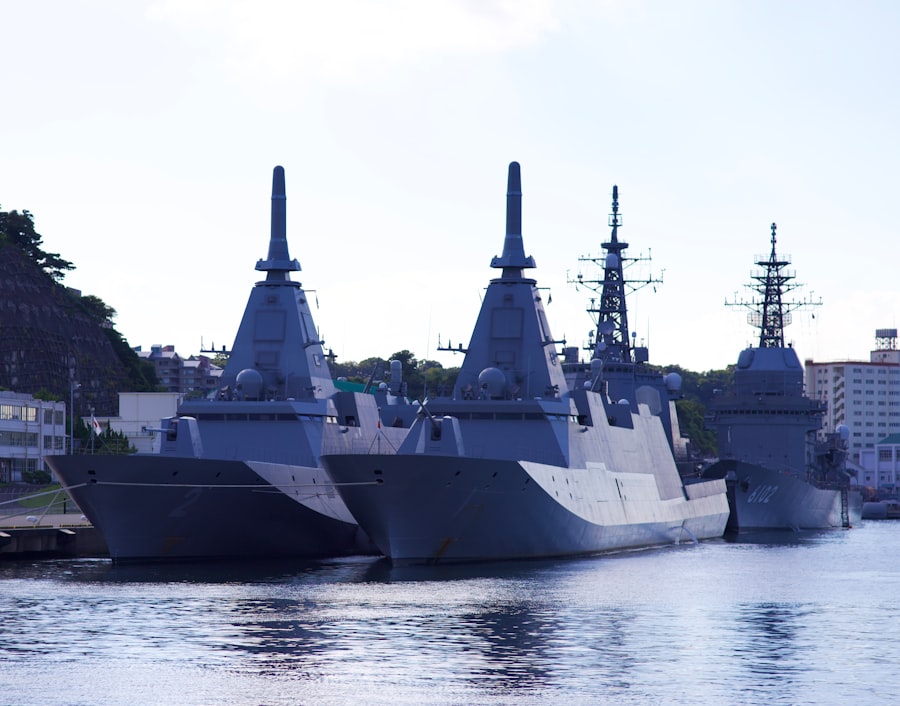
American naval power in the Pacific is not wielded in a vacuum. It is intrinsically linked to a broader set of strategic objectives aimed at fostering regional stability, promoting economic prosperity, and upholding international law. A cornerstone of this strategy is the cultivation and strengthening of alliances and partnerships with nations across the Indo-Pacific. These relationships are vital for burden-sharing, interoperability, and the collective deterrence of aggression. The navy acts as a linchpin in this network, its presence and capabilities reinforcing the security commitments shared with allies.
The Indo-Pacific Strategy and its Naval Component
The United States’ Indo-Pacific Strategy explicitly recognizes the critical role of naval power in securing the region’s future. This strategy outlines a vision for a free and open Indo-Pacific, where all nations can thrive without coercion. The U.S. Navy’s operational tempo, its participation in multilateral exercises, and its engagement with regional security dialogues are all integral to the successful implementation of this strategy. The navy’s forward posture directly supports the strategic goal of maintaining a balance of power and deterring any single actor from dominating the region.
Strengthening Alliances: Japan, South Korea, and Australia
Key to the U.S. naval strategy in the Pacific are its long-standing alliances with Japan, South Korea, and Australia. These nations share common security interests and possess their own capable navies. Joint exercises, cooperative patrolling, and the sharing of intelligence are hallmarks of these relationships. The U.S. Navy’s forward-deployed assets, particularly its presence in Japan and Guam, are vital to the defense of these allies and the broader regional security architecture. These alliances form a robust shield, each nation contributing its strength to the collective defense.
Engagement with Emerging Partners and ASEAN
Beyond its core treaty allies, the U.S. Navy is actively engaged in building partnerships with nations across Southeast Asia, including members of the Association of Southeast Asian Nations (ASEAN). These engagements often involve capacity-building programs, maritime security cooperation, and joint training initiatives. By fostering stronger ties with these nations, the U.S. seeks to enhance regional maritime security, promote adherence to international law, and counter the influence of revisionist powers. This outreach extends the navy’s influence and fosters a more interconnected and stable maritime environment.
The strategic importance of the Pacific Ocean has long been a focal point for American naval power, as highlighted in a recent article that discusses the evolving dynamics of maritime security in the region. This piece delves into how access to the Pacific is crucial for maintaining a robust naval presence and ensuring the United States can effectively respond to emerging threats. For more insights on this topic, you can read the full article here.
Evolving Challenges and Future Considerations
| Metric | Value | Notes |
|---|---|---|
| Number of US Navy Ships in Pacific Fleet | 200+ | Includes aircraft carriers, destroyers, submarines, and support vessels |
| Key US Naval Bases in Pacific | 7 | Includes Pearl Harbor (Hawaii), Yokosuka (Japan), Guam, and others |
| Annual US Navy Pacific Fleet Exercises | 10-15 | Joint exercises with allies to maintain readiness and presence |
| Pacific Ocean Area Coverage | Approx. 63 million square miles | Largest ocean area under US naval operational focus |
| US Navy Aircraft Carriers in Pacific | 11 | Primary power projection platforms in the region |
| Strategic Importance of Pacific Access | High | Critical for trade routes, military presence, and regional stability |
| US Naval Personnel in Pacific Fleet | ~125,000 | Includes active duty sailors and marines |
The operational environment in the Pacific is not static; it is dynamic and ever-changing, presenting a constant stream of evolving challenges to American naval power. The rise of peer competitors, the proliferation of advanced weaponry, and the complexities of the maritime environment demand constant adaptation and strategic foresight. The U.S. Navy must remain agile and prepared to confront these emerging threats while continuing to uphold its commitments to regional stability and security. Looking ahead, the navy’s long-term success will depend on its ability to anticipate, adapt, and innovate.
The Rise of Peer Competitors and Asymmetric Warfare
The most significant challenge to American naval dominance in the Pacific is the substantial military modernization and expansion undertaken by China. This includes the development of advanced naval platforms, anti-ship missiles, and sophisticated cyber warfare capabilities, all designed to challenge American access and influence. The U.S. Navy must therefore adapt its strategies and force structure to contend with these rising peer competitors, focusing on maintaining technological superiority, enhancing survivability, and developing effective counter-capabilities to asymmetric threats. This presents a new chess game, where the rules are constantly being rewritten.
Cybersecurity and Information Warfare
In the 21st century, naval warfare is increasingly fought in the cyber domain. The U.S. Navy must contend with the threat of cyberattacks aimed at disrupting its command and control systems, its communications networks, and its operational infrastructure. Protecting these digital arteries is as crucial as protecting physical vessels at sea. The development of robust cyber defenses and the ability to conduct offensive cyber operations are therefore essential components of modern naval power. This battle for the digital high ground is as critical as any naval engagement.
Climate Change and Arctic Pathways
While perhaps less immediate than other challenges, the impacts of climate change, particularly the melting of Arctic ice, are opening new maritime pathways. This presents both opportunities and challenges for naval powers. The potential for increased shipping, resource extraction, and new strategic routes in the Arctic necessitates increased naval attention and capabilities in this region. The U.S. Navy must develop the capacity to operate effectively in the harsh Arctic environment, ensuring its long-term strategic relevance and its ability to respond to potential security developments in this emerging frontier. The world’s oceans are a changing landscape, and naval power must evolve with them.
FAQs
What is the significance of Pacific Ocean access for American naval power?
Access to the Pacific Ocean is crucial for American naval power as it allows the United States to project military strength, secure trade routes, and maintain a strategic presence in the Asia-Pacific region.
How has American naval power evolved in the Pacific Ocean over time?
American naval power in the Pacific has evolved from early 20th-century expansion and World War II dominance to a modern focus on advanced technology, forward-deployed forces, and partnerships with regional allies.
What are the key strategic locations for the U.S. Navy in the Pacific?
Key strategic locations include Pearl Harbor in Hawaii, Guam, the Philippines, and bases in Japan and South Korea, which serve as hubs for operations, logistics, and rapid deployment.
Why is the Pacific Ocean important for global trade and security?
The Pacific Ocean is a major conduit for international trade, with vital shipping lanes connecting Asia, the Americas, and Oceania. Its security is essential to maintaining open sea lines of communication and regional stability.
How does American naval presence in the Pacific impact international relations?
The U.S. naval presence in the Pacific supports alliances, deters potential adversaries, and promotes freedom of navigation, thereby influencing diplomatic and military dynamics in the region.