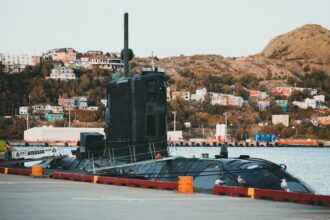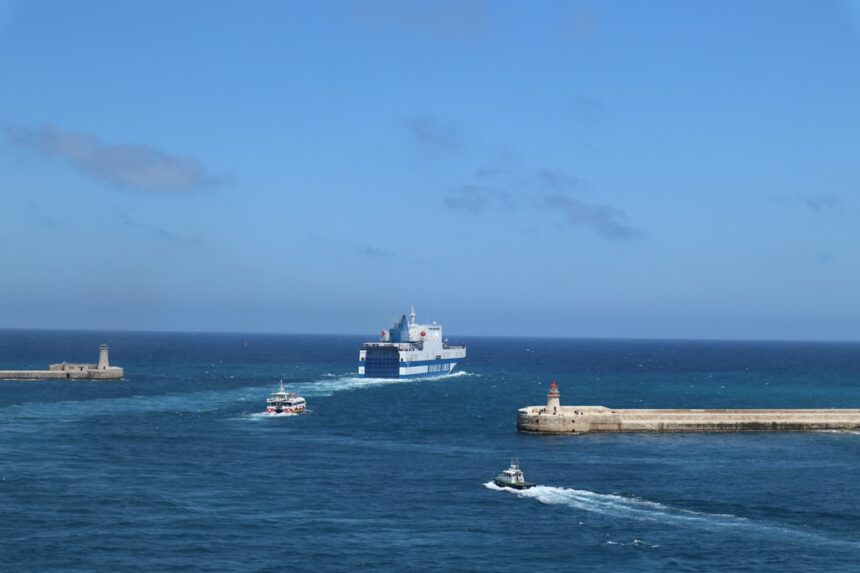
Securing maritime infrastructure is a critical component of national and global security. Ports and waterways serve as vital arteries for international trade, facilitating the movement of goods and resources across the globe. The significance of these infrastructures extends beyond mere economic considerations; they are essential for national defense, emergency response, and the overall stability of nations.
A secure maritime environment ensures that trade routes remain open and that countries can rely on the uninterrupted flow of essential supplies, which is particularly crucial during times of crisis. Moreover, the interconnectedness of global economies means that disruptions in one region can have far-reaching consequences. A single incident at a major port can lead to delays in shipping schedules, increased costs for businesses, and even inflation in consumer markets.
Therefore, the importance of securing maritime infrastructure cannot be overstated; it is a foundational element that supports not only economic prosperity but also national security and public safety.
Key Takeaways
- Securing maritime infrastructure is critical to global trade, national security, and environmental protection.
- Ports and waterways face diverse threats including terrorism, piracy, cyberattacks, and smuggling.
- Advanced technology and international cooperation enhance the effectiveness of maritime security measures.
- Legal frameworks, training, and public-private partnerships are essential components for robust maritime security.
- Inadequate security can lead to significant economic losses and environmental damage, highlighting the need for ongoing vigilance and innovation.
Threats to Ports and Waterways
The threats to ports and waterways are diverse and increasingly sophisticated. Traditional threats such as piracy and smuggling continue to pose significant risks, while newer challenges like cyberattacks and terrorism have emerged as pressing concerns. Piracy, particularly in regions like the Gulf of Aden and the Strait of Malacca, remains a persistent issue that endangers vessels and their crews.
These acts not only threaten human lives but also disrupt global supply chains, leading to economic repercussions that can ripple across continents. In addition to physical threats, cyber vulnerabilities have become a focal point for maritime security. As ports and shipping companies increasingly rely on digital systems for operations, they become attractive targets for cybercriminals seeking to exploit weaknesses in these networks.
A successful cyberattack could paralyze port operations, compromise sensitive data, or even manipulate navigational systems, leading to catastrophic outcomes. The multifaceted nature of these threats necessitates a comprehensive approach to maritime security that addresses both physical and cyber vulnerabilities.
Security Measures for Ports and Waterways
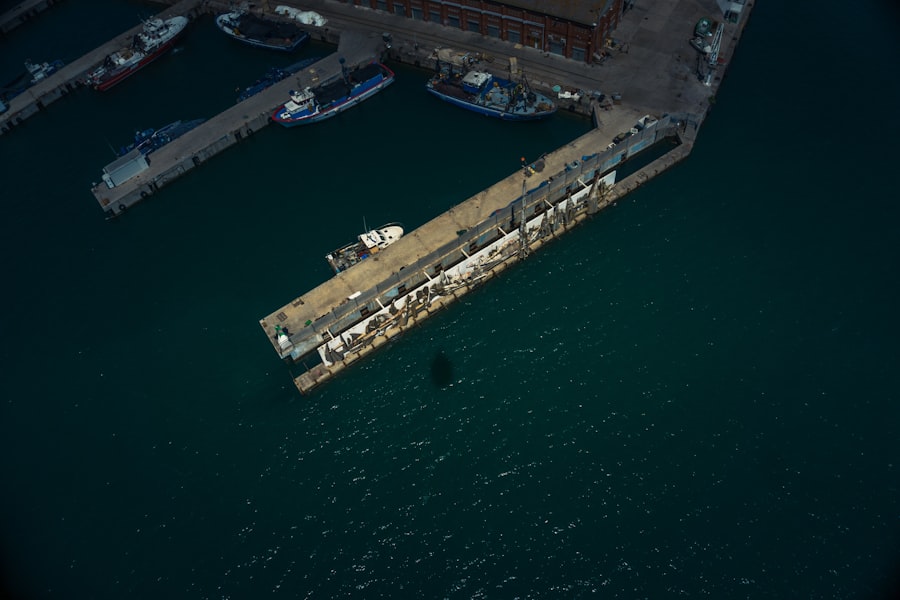
To counteract the myriad threats facing maritime infrastructure, a range of security measures has been implemented at ports and waterways worldwide. These measures often include enhanced surveillance systems, increased physical security personnel, and stringent access controls to ensure that only authorized individuals can enter sensitive areas. The use of advanced technologies such as drones and automated monitoring systems has also become commonplace, allowing for real-time surveillance of vast port areas.
In addition to physical security enhancements, collaboration among various stakeholders is crucial. Port authorities, shipping companies, law enforcement agencies, and international organizations must work together to develop comprehensive security protocols. Regular drills and exercises are essential to test these protocols and ensure that all parties are prepared to respond effectively to potential incidents.
By fostering a culture of security awareness and preparedness, ports can significantly mitigate risks and enhance their overall resilience.
Technology for Securing Maritime Infrastructure
The role of technology in securing maritime infrastructure cannot be overstated. Innovations such as artificial intelligence (AI), machine learning, and big data analytics are transforming how ports monitor and respond to threats. For instance, AI-powered systems can analyze vast amounts of data from various sources to identify patterns indicative of potential security breaches or suspicious activities.
This proactive approach allows authorities to intervene before incidents escalate. Moreover, advancements in cybersecurity are equally critical in safeguarding maritime operations. As ports become more digitized, the implementation of robust cybersecurity measures is essential to protect against cyberattacks.
Firewalls, intrusion detection systems, and regular software updates are just a few examples of the technological safeguards that can help secure sensitive information and operational systems. By leveraging technology effectively, ports can enhance their security posture and better protect against evolving threats.
International Cooperation in Securing Maritime Infrastructure
| Metric | Description | Typical Value / Standard | Measurement Frequency |
|---|---|---|---|
| Port Access Control Compliance | Percentage of access points secured with authorized personnel verification | 95% or higher | Monthly |
| Surveillance Coverage | Percentage of critical maritime infrastructure under video surveillance | 90% or higher | Quarterly |
| Incident Response Time | Average time taken to respond to security incidents | Under 15 minutes | After each incident |
| Cybersecurity Threat Detection Rate | Percentage of cyber threats detected and mitigated in maritime systems | 99% or higher | Monthly |
| Security Training Completion | Percentage of maritime personnel completing security training programs | 100% annually | Annually |
| Physical Barrier Integrity | Percentage of physical barriers (fences, gates) inspected and maintained | 100% inspected quarterly | Quarterly |
| Vessel Screening Rate | Percentage of vessels screened before entering port | 100% | Daily |
| Security Audit Compliance | Percentage of security audits passed without major findings | 90% or higher | Annually |
Given the global nature of maritime trade, international cooperation is paramount in securing maritime infrastructure. Countries must collaborate to share intelligence, best practices, and resources to address common threats effectively. Organizations such as the International Maritime Organization (IMO) play a crucial role in facilitating this cooperation by establishing guidelines and frameworks for maritime security.
Joint exercises and training programs among nations can further strengthen collective security efforts. By simulating potential scenarios and coordinating responses, countries can enhance their readiness to tackle maritime threats collaboratively. This spirit of cooperation not only improves individual nations’ security but also fosters a sense of shared responsibility for the safety of global trade routes.
Legal and Regulatory Frameworks for Maritime Security
A robust legal and regulatory framework is essential for effective maritime security. International treaties, national laws, and local regulations must work in concert to create a comprehensive approach to securing ports and waterways. The United Nations Convention on the Law of the Sea (UNCLOS) provides a foundational legal framework governing maritime activities, while various regional agreements address specific security concerns.
Compliance with these legal frameworks is crucial for ensuring that all stakeholders adhere to established security protocols. Regular audits and assessments can help identify gaps in compliance and provide opportunities for improvement. Additionally, fostering a culture of accountability among port operators and shipping companies is vital for maintaining high standards of security across the maritime industry.
Training and Preparedness for Maritime Security
Training and preparedness are cornerstones of effective maritime security. Personnel at all levels must be equipped with the knowledge and skills necessary to respond to potential threats effectively. Regular training sessions that cover various scenarios—ranging from natural disasters to terrorist attacks—can help ensure that staff are well-prepared to act decisively in emergencies.
Furthermore, fostering a culture of continuous learning is essential in an ever-evolving threat landscape. As new technologies emerge and tactics change, ongoing education programs can help personnel stay informed about the latest developments in maritime security. By prioritizing training and preparedness, ports can enhance their resilience against potential threats.
Public-Private Partnerships in Maritime Security
Public-private partnerships (PPPs) play a vital role in enhancing maritime security by leveraging the strengths of both sectors. Governments can provide regulatory frameworks and resources, while private companies bring innovation, expertise, and operational efficiency to the table. Collaborations between port authorities and shipping companies can lead to the development of more effective security measures tailored to specific needs.
These partnerships can also facilitate information sharing between public agencies and private entities, creating a more comprehensive understanding of potential threats. By working together, stakeholders can develop joint initiatives that enhance overall security while also promoting economic growth within the maritime sector.
Environmental Considerations in Securing Maritime Infrastructure
As the world becomes increasingly aware of environmental issues, integrating environmental considerations into maritime security strategies is essential. Ports must balance security needs with environmental sustainability to ensure that operations do not harm marine ecosystems or contribute to climate change. This includes implementing measures to prevent pollution from ships and ensuring compliance with environmental regulations.
Additionally, climate change poses its own set of challenges for maritime infrastructure security. Rising sea levels and extreme weather events can threaten port operations and infrastructure integrity. By incorporating environmental risk assessments into security planning, ports can better prepare for potential disruptions caused by climate-related events.
Economic Impact of Inadequate Maritime Security
The economic implications of inadequate maritime security are profound. Disruptions caused by security incidents can lead to significant financial losses for businesses reliant on maritime trade. Delays in shipping schedules can result in increased costs for companies due to higher insurance premiums, lost sales opportunities, and penalties for late deliveries.
Therefore, investing in robust maritime security measures is not just a matter of safety; it is also an economic imperative.
Future Challenges and Opportunities in Securing Maritime Infrastructure
Looking ahead, the challenges facing maritime infrastructure security are likely to evolve as new technologies emerge and geopolitical dynamics shift. The rise of autonomous vessels presents both opportunities and challenges; while they may enhance efficiency, they also introduce new vulnerabilities that must be addressed through innovative security measures. Additionally, as global trade continues to expand, so too will the complexity of securing maritime routes.
The need for adaptive strategies that can respond to emerging threats will be paramount. However, these challenges also present opportunities for innovation within the maritime sector. By embracing new technologies and fostering collaboration among stakeholders, ports can enhance their resilience against future threats while ensuring the continued flow of global trade.
In conclusion, securing maritime infrastructure is an intricate endeavor that requires a multifaceted approach involving technology, international cooperation, legal frameworks, training, public-private partnerships, environmental considerations, and economic awareness. As the landscape continues to evolve, stakeholders must remain vigilant and proactive in addressing emerging threats while seizing opportunities for improvement within this critical sector.
Maritime infrastructure security is a critical concern in today’s global economy, as the safety of shipping routes and ports directly impacts trade and national security. A related article that delves into the complexities of this issue can be found on In The War Room, which discusses various strategies and technologies being implemented to enhance the security of maritime assets. For more insights, you can read the article [here](https://www.inthewarroom.com/).
WATCH THIS! 🌊 The Invisible Army That Controls Global Shipping
FAQs
What is maritime infrastructure security?
Maritime infrastructure security refers to the measures and protocols implemented to protect ports, harbors, shipping lanes, and related facilities from threats such as terrorism, piracy, smuggling, and natural disasters.
Why is maritime infrastructure security important?
It is crucial because maritime infrastructure is vital for global trade, national security, and economic stability. Disruptions or attacks can lead to significant economic losses, environmental damage, and threats to human safety.
What are common threats to maritime infrastructure?
Common threats include terrorism, piracy, cyber-attacks, smuggling, sabotage, natural disasters, and accidents involving ships or port facilities.
Who is responsible for maritime infrastructure security?
Responsibility is shared among government agencies, port authorities, shipping companies, international organizations, and private security firms, all working together to ensure safety and security.
What international regulations govern maritime infrastructure security?
Key regulations include the International Ship and Port Facility Security (ISPS) Code established by the International Maritime Organization (IMO), which sets security standards for ships and port facilities.
How is technology used in maritime infrastructure security?
Technology such as surveillance cameras, radar systems, automated identification systems (AIS), drones, cybersecurity tools, and access control systems are used to monitor and protect maritime infrastructure.
What role does cybersecurity play in maritime infrastructure security?
Cybersecurity is critical to protect navigation systems, communication networks, and operational technology from cyber-attacks that could disrupt maritime operations or compromise safety.
How can ports prepare for emergencies related to security threats?
Ports develop emergency response plans, conduct regular drills, coordinate with local and national authorities, and invest in training and equipment to respond effectively to security incidents.
What measures are taken to prevent piracy in maritime zones?
Measures include naval patrols, convoy systems, onboard security personnel, adherence to best management practices, and international cooperation to monitor and respond to piracy threats.
How does maritime infrastructure security impact global trade?
Effective security ensures the smooth flow of goods, reduces delays and costs, and maintains confidence in maritime transport, which is essential for global supply chains and economies.