
Security protocols are the silent guardians of an individual’s or organization’s wealth, ensuring that valuable assets remain protected from a myriad of threats. In an increasingly complex global landscape, where digital and physical vulnerabilities are constantly evolving, adopting robust security measures is not merely a recommendation but a necessity. Constellis, a company with a recognized presence in the security sector, offers a suite of protocols designed to act as a comprehensive shield for your assets. This article will delve into the foundational principles and practical applications of Constellis protocols, examining how they can fortify your security posture against emerging and persistent risks.
The nature of threats to assets has undergone a significant transformation over the decades. Once, physical security dominated concerns, focusing on sturdy locks, guarded perimeters, and vigilant patrols. While these remain crucial, the digital revolution has introduced a new frontier of vulnerability. Cyberattacks, ranging from sophisticated ransomware operations to targeted data breaches, can cripple businesses and compromise highly sensitive personal information. Geopolitical instability, civil unrest, and the rise of organized crime also present tangible risks that can impact physical assets, supply chains, and the safety of personnel. Understanding this multifaceted threat landscape is the first step in constructing an effective defense.
Understanding the Spectrum of Threats
- Digital Vulnerabilities: The interconnectedness of modern systems, while offering convenience, also creates pathways for malicious actors. This includes malware, phishing attacks, denial-of-service (DoS) and distributed denial-of-service (DDoS) attacks, and insider threats originating from within an organization. The speed at which these attacks can proliferate necessitates proactive and adaptive digital defenses. A data breach is akin to a leak in a ship’s hull; the longer it goes unnoticed, the more catastrophic the damage.
- Physical Security Risks: This encompasses a broad range of dangers, from petty theft and vandalism to more serious threats like armed robbery, corporate espionage, and terrorism. The protection of physical assets includes everything from tangible property like buildings and equipment to intellectual property being transported or stored physically. The security of human capital also falls under this umbrella, as the safety of individuals is paramount.
- Geopolitical and Environmental Factors: Political instability, trade wars, and international conflicts can disrupt supply chains, increase the risk of asset seizure, and necessitate emergency evacuation or relocation plans. Natural disasters, such as earthquakes, floods, and pandemics, can cause widespread damage and disrupt business operations, requiring robust business continuity and disaster recovery strategies.
The Imperative for Proactive Security
Waiting for a threat to materialize is akin to waiting for a forest fire to spread before taking preventative measures. Proactive security involves anticipating potential vulnerabilities and implementing safeguards before an incident occurs. This requires a thorough understanding of your assets, the potential threats they face, and the implementation of layered security measures that act as a multi-stage defense mechanism. Constellis protocols are built upon this principle of anticipative security, aiming to create a robust and resilient security framework.
Constellis has implemented a range of security protocols to ensure the safety and efficiency of its operations in high-risk environments. For a deeper understanding of the company’s approach to security and risk management, you can refer to a related article that discusses these protocols in detail. To learn more, visit this article.
Constellis Protocols: A Framework for Comprehensive Asset Protection
Constellis protocols represent a structured approach to safeguarding assets, integrating various security disciplines into a cohesive strategy. These protocols are not a one-size-fits-all solution but rather a flexible framework that can be adapted to the specific needs and risk profiles of individuals and organizations. They emphasize a holistic view of security, recognizing that effective protection requires a blend of technological solutions, human expertise, and strategic planning.
The Three Pillars of Constellis Protocols
- Intelligence and Threat Assessment: The foundation of any effective security strategy lies in understanding the enemy. Constellis protocols prioritize the collection and analysis of intelligence to identify potential threats, assess their likelihood and impact, and inform the development of appropriate countermeasures. This involves continuous monitoring of the global threat landscape, as well as specific intelligence gathering tailored to the client’s operational environment and assets. This pillar acts as the eyes and ears of the security apparatus, constantly scanning the horizon for approaching storms.
- Risk Mitigation and Resilience: Once threats are identified, protocols are designed to mitigate those risks and build resilience. This involves implementing a range of security measures, from physical barriers and cybersecurity defenses to emergency preparedness plans and crisis management frameworks. The aim is to reduce the likelihood of an incident occurring and to minimize the impact if an incident does occur. Building resilience means ensuring that an organization can weather the storm and bounce back quickly.
- Incident Response and Recovery: Despite the best preventative measures, incidents can still occur. Constellis protocols include robust incident response plans that outline clear procedures for dealing with security breaches, emergencies, and crises. This ensures a swift, coordinated, and effective response to minimize damage, protect personnel, and facilitate a rapid return to normalcy. The recovery phase is equally critical, focusing on restoring operations and learning from the incident to strengthen future defenses.
Tailoring Protocols to Specific Needs
A key strength of Constellis protocols is their adaptability. Recognizing that each client’s assets and operational environment are unique, protocols are designed to be customized. This involves a comprehensive assessment of vulnerabilities, existing security measures, and the specific nature of the assets requiring protection. Whether safeguarding sensitive data, protecting high-value physical assets, or ensuring the safety of personnel operating in high-risk regions, the protocols are fine-tuned to address the precise challenges.
Pillars of Constellis Security: Deep Dive into Key Components

The effectiveness of Constellis protocols is derived from the synergy of their various components. These are not isolated elements but interconnected facets of a comprehensive security ecosystem. Understanding each pillar in detail reveals the depth and breadth of the protection offered.
The Digital Citadel: Cybersecurity and Information Protection
In an era where data is a currency, its protection is paramount. Constellis protocols address cybersecurity through a multi-layered approach, recognizing that a single point of failure can render an entire system vulnerable. This goes beyond basic antivirus software and firewalls, encompassing sophisticated threat detection, intrusion prevention, and data encryption technologies.
Strategic Vulnerability Assessment and Penetration Testing
- Exploiting Weaknesses Before the Enemy Does: Constellis employs rigorous vulnerability assessments and penetration testing to proactively identify weaknesses in digital infrastructures. This process mimics real-world attacks, allowing organizations to understand their attack surface and patch critical vulnerabilities before they can be exploited by malicious actors. It’s like having a security expert test all the locks and windows of your house before a burglar does.
- Understanding the Attack Surface: Every digital asset, from web applications and servers to cloud infrastructure and endpoints, presents potential entry points for attackers. A comprehensive assessment maps out this entire attack surface, revealing potential blind spots that require attention.
Advanced Threat Detection and Response
- The Digital Watchtower: Utilizing cutting-edge technologies, Constellis implements advanced threat detection systems that continuously monitor networks for anomalous activity. These systems are designed to identify even sophisticated, previously unknown threats (zero-day exploits) by employing behavioral analysis and machine learning. The goal is to detect a threat in its nascent stages, like spotting a small spark before it ignites a blaze.
- Rapid Incident Triage and Containment: When a potential threat is detected, a swift and coordinated response is crucial. Constellis’s incident response teams are equipped to quickly triage alerts, contain the threat, and minimize its spread, thereby preventing widespread damage and data loss.
Data Encryption and Access Control
- Locking Down the Vault: Data encryption at rest and in transit is a fundamental component of securing sensitive information. Constellis protocols ensure that critical data is rendered unreadable to unauthorized parties, even if it falls into the wrong hands. This is akin to storing your most valuable documents in a securely locked safe.
- The Principle of Least Privilege: Implementing stringent access controls ensures that individuals and systems only have access to the information and resources strictly necessary for their functions. This principle of “least privilege” significantly reduces the risk of insider threats or accidental data exposure.
Physical Fortification: Safeguarding Tangible Assets and Personnel
While the digital realm presents its own set of challenges, the protection of physical assets and the safety of personnel remain critical. Constellis protocols integrate physical security measures designed to deter threats, detect intrusions, and ensure a secure operational environment. This is the robust outer wall of your fortress.
Perimeter Security and Access Control
- Establishing the Outer Defenses: Robust perimeter security is the first line of defense against physical intrusion. This can include measures such as advanced fencing, surveillance systems, motion sensors, and controlled access points. The objective is to create a clear and defensible boundary that deters unauthorized entry.
- Credential Management and Authentication: Implementing secure credential management systems and multifactor authentication for physical access ensures that only authorized individuals can enter sensitive areas. This prevents the use of stolen or forged credentials.
Surveillance and Monitoring Systems
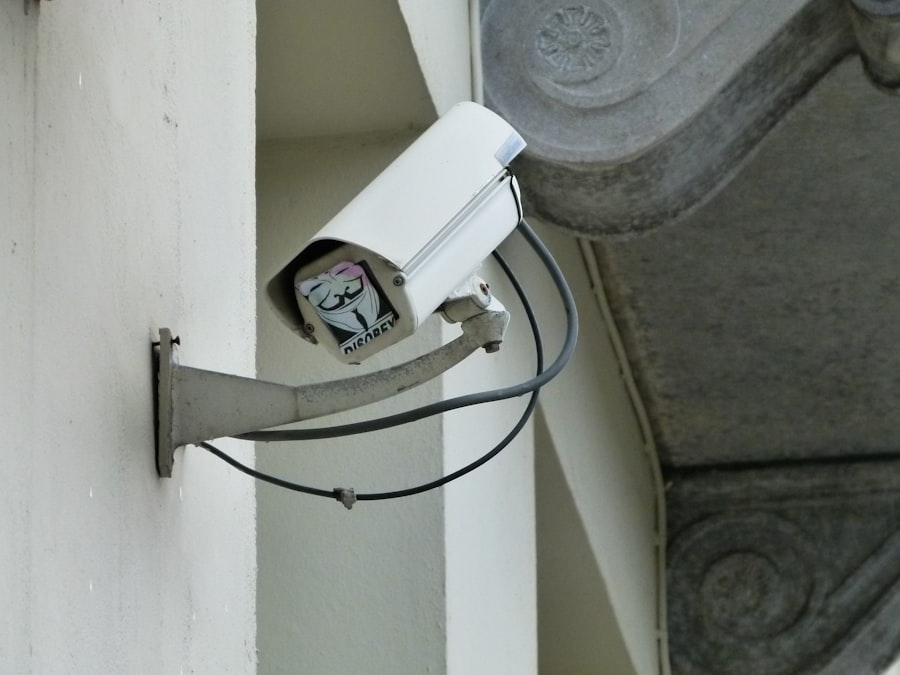
- The Unblinking Eye: Sophisticated surveillance systems, including high-definition CCTV and intelligent video analytics, provide continuous monitoring of facilities. These systems can detect unusual behavior, track individuals, and provide vital evidence in the event of an incident. They act as constant sentinels, observing everything.
- Integrated Security Operations Centers (SOCs): For larger operations, integrated Security Operations Centers (SOCs) serve as the nerve center for monitoring and responding to physical security events. Trained personnel analyze data from various sensors and cameras, allowing for rapid assessment and deployment of resources.
Executive Protection and Personnel Security
- Shielding the Core: For high-profile individuals or those operating in volatile environments, executive protection services are a critical component of asset security. This involves comprehensive risk assessments, threat analysis, and the deployment of trained security professionals to ensure the safety and well-being of individuals. It’s about providing a personal shield against targeted threats.
- Travel Security and Risk Assessments: Constellis protocols extend to ensuring the safety of personnel conducting business travel, especially in regions with elevated security risks. This includes pre-travel risk assessments, secure transportation arrangements, and secure accommodation recommendations.
The Human Element: Training, Awareness, and Human Intelligence
Technology and physical barriers are only part of the equation. The human element – the individuals who operate within an organization – can be its greatest asset or its most significant vulnerability. Constellis protocols recognize the importance of a well-trained and security-conscious workforce.
Security Awareness Training
- Empowering the Human Firewall: Regular and comprehensive security awareness training for all personnel is crucial. This educates employees on identifying and reporting suspicious activities, understanding common cyber threats like phishing, and adhering to security policies. Employees who are aware of potential threats are the first line of defense, acting as a human firewall.
- Phishing Simulation and Social Engineering Defense: Practical training, including phishing simulations, helps employees develop the skills to recognize and resist social engineering tactics, which are often the weakest link in security chains.
Insider Threat Mitigation
- The Wolf in Sheep’s Clothing: Insider threats, whether malicious or accidental, can be particularly damaging. Constellis protocols incorporate measures to detect and mitigate insider threats by implementing robust monitoring systems, clear access controls, and background checks where appropriate. Identifying and addressing potential insider risks is like finding a hidden crack in the foundation before the structure is compromised.
- Whistleblower Protection and Reporting Mechanisms: Establishing safe and confidential channels for reporting suspicious activities is vital. Protecting whistleblowers encourages transparency and helps uncover potential security breaches before they escalate.
Human Intelligence Gathering and Analysis
- The Art of Information Gathering: Beyond technical intelligence, the human element plays a crucial role in gathering valuable information. Trained personnel can observe and interpret nuances in their environment, identify potential threats, and report critical insights that might be missed by automated systems. This human intelligence complements technical data.
Implementing Constellis Protocols: A Strategic Approach to Integration
Adopting Constellis protocols is not a passive undertaking; it requires a strategic and phased approach to ensure seamless integration into existing operations. The goal is to create a robust and adaptable security posture that evolves alongside emerging threats.
Initial Risk Assessment and Gap Analysis
- Understanding Your Current Standing: The process begins with a thorough assessment of your current security posture, identifying existing strengths and weaknesses. This involves mapping out all valuable assets, the threats they face, and the current security measures in place. This is akin to taking inventory of your treasures and assessing the strength of their current display cases.
- Identifying Areas for Improvement: A gap analysis then highlights the discrepancies between your current security capabilities and the requirements of Constellis protocols, pinpointing specific areas that need enhancement or new implementation.
Phased Implementation Strategy
- Building Block by Building Block: Constellis protocols are typically implemented in a phased manner, allowing for manageable integration and minimizing disruption to ongoing operations. This approach ensures that foundational security elements are established before more advanced layers are introduced. It’s like building a strong foundation before adding the floors and roof.
- Prioritizing Critical Assets: Implementation often prioritizes the protection of the most critical assets and the most immediate threats, ensuring that high-risk areas receive attention first.
Continuous Monitoring and Adaptation
- The Ever-Watchful Eye: Security is not a static state; it is a continuous process. Constellis protocols emphasize ongoing monitoring of security systems, threat intelligence, and operational environments to identify new risks and adapt security measures accordingly. The landscape of threats is like a constantly shifting tide.
- Regular Audits and Reviews: Periodic audits and reviews of implemented protocols ensure their continued effectiveness and identify any new vulnerabilities that may have emerged. This iterative process of assessment and refinement is key to maintaining a strong security posture.
Training and Embedding Security Culture
- Making Security Second Nature: Beyond initial training, fostering a culture of security awareness throughout the organization is paramount. This involves continuous reinforcement of security best practices and encouraging employees to be active participants in maintaining a secure environment. Security should become as natural as breathing for the organization.
- Establishing Clear Lines of Communication and Responsibility: Defining clear lines of communication and responsibility for security matters ensures that all personnel understand their role and that potential issues are addressed promptly and effectively.
Constellis has been at the forefront of security solutions, implementing robust protocols to ensure the safety of personnel and assets in high-risk environments. For those interested in exploring more about the intricacies of security measures in challenging situations, a related article can be found at In the War Room, which delves into various strategies and insights from industry experts. This resource provides valuable information that complements the understanding of Constellis’ approach to security management.
The Future of Asset Security: Evolving with Constellis Protocols
| Security Protocol | Description | Implementation Level | Frequency of Review | Compliance Standard |
|---|---|---|---|---|
| Access Control | Role-based access to sensitive data and systems | Enterprise-wide | Quarterly | ISO 27001 |
| Incident Response | Structured process for identifying and mitigating security incidents | Global | Bi-annual | NIST SP 800-61 |
| Data Encryption | Encryption of data at rest and in transit | All systems | Annual | FIPS 140-2 |
| Employee Training | Regular security awareness and protocol training | All employees | Bi-annual | Internal Policy |
| Vulnerability Management | Continuous scanning and patching of vulnerabilities | Network and applications | Monthly | CIS Controls |
The global security landscape is in perpetual motion, with threats constantly evolving in sophistication and scope. To remain secure, asset protection strategies must be equally dynamic and forward-thinking. Constellis protocols are designed with this inherent dynamism in mind, offering a framework that anticipates future challenges and provides a scalable solution for ongoing security needs.
Predictive Analytics and AI in Security
- Forecasting the Storm: The integration of predictive analytics and artificial intelligence (AI) is transforming the field of security. Constellis is leveraging these technologies to analyze vast datasets, identify subtle patterns that precede threats, and proactively adjust security measures. AI-powered systems can act as an advanced weather forecasting service for security.
- Automated Threat Response: AI can also enable automated threat response, allowing for instantaneous reactions to detected anomalies, significantly reducing response times and mitigating potential damage.
The Convergence of Physical and Digital Security
- A Unified Front: The lines between physical and digital security are blurring. Constellis protocols emphasize the convergence of these domains, ensuring that physical and digital security systems are integrated and work in synergy. A breach in one area can have repercussions in the other, making a unified approach essential. This is like having a single command center that oversees both the castle walls and the internal digital network.
- Securing IoT and Emerging Technologies: As the Internet of Things (IoT) and other emerging technologies become more prevalent, securing these new attack vectors becomes critical. Constellis protocols are adaptable to address the unique security challenges posed by these evolving technological landscapes.
Global Reach and Local Expertise
- Navigating International Complexities: In an increasingly globalized world, assets and operations often span multiple jurisdictions. Constellis protocols offer global reach, providing consistent security standards and support across diverse geographical regions, while also incorporating local expertise to navigate specific regional risks and regulatory environments.
- Building Resilient Operations in Unpredictable Environments: For organizations operating in high-risk or volatile regions, Constellis protocols provide the necessary framework for building operational resilience, ensuring continuity and safety even in the face of significant challenges.
Ensuring Continuous Protection: The Role of Constellis in a Dynamic World
In conclusion, securing assets in today’s complex and interconnected world requires a sophisticated, proactive, and adaptable approach. Constellis protocols provide a robust framework that addresses the multifaceted nature of modern threats, encompassing digital, physical, and human elements. By prioritizing intelligence gathering, risk mitigation, incident response, and continuous adaptation, Constellis empowers individuals and organizations to build a resilient security posture.
The Constellis Advantage: Beyond Basic Safeguards
The Constellis approach transcends mere passive safeguarding. It is an active, intelligence-driven strategy that anticipates threats and proactively builds defenses. This proactive stance minimizes vulnerabilities and ensures that security measures remain effective in the face of an ever-changing threat landscape. It’s about moving from a reactive “firefighting” mode to a proactive “fire prevention” strategy.
A Partnership in Security
Engaging with Constellis is not simply about acquiring a set of protocols; it is about entering into a partnership focused on sustained asset protection. This partnership involves ongoing collaboration, continuous assessment, and adaptive strategies designed to evolve with your needs and the evolving threat environment. Your security is our priority, and we are committed to providing the expertise and solutions necessary to safeguard what matters most. By embracing Constellis protocols, you are investing in peace of mind and the enduring security of your valuable assets.
FAQs
What is the primary focus of Constellis security protocols?
Constellis security protocols are designed to ensure the safety and security of personnel, assets, and operations in high-risk environments. They focus on risk assessment, threat mitigation, and emergency response.
How does Constellis implement risk assessment in their security protocols?
Constellis conducts thorough risk assessments by analyzing potential threats, vulnerabilities, and environmental factors. This process helps tailor security measures to specific client needs and operational contexts.
Are Constellis security protocols compliant with international standards?
Yes, Constellis security protocols adhere to international security and safety standards, including those set by organizations such as ISO and the International Code of Conduct Association (ICoCA).
What training do Constellis personnel receive to follow these security protocols?
Constellis personnel undergo rigorous training that includes situational awareness, conflict de-escalation, emergency medical response, and use of security technology to effectively implement security protocols.
How does Constellis handle emergency situations according to their security protocols?
In emergencies, Constellis follows predefined response plans that prioritize personnel safety, communication with relevant authorities, and rapid containment or evacuation procedures to minimize risk and damage.