The Cold War, a period marked by intense geopolitical rivalry and an underlying current of fear, witnessed an unprecedented explosion of technological innovation, particularly in the realm of espionage. The documentary, “Secrets of Cold War Tech: Espionage,” delves into this clandestine world, peeling back the layers of secrecy that once shrouded these groundbreaking inventions. It invites viewers to explore the intricate dance between nations, where technology became both a shield and a sword, shaping the course of history without a single shot being fired between the superpowers. This article aims to provide a comprehensive overview of the documentary’s key themes and revelations, offering a glimpse into the ingenuity and desperation that fueled the Cold War’s technological arms race.
The documentary meticulously traces the origins of Cold War surveillance, illustrating how the desire for intelligence transformed everyday objects and gave birth to entirely new devices. The immediate post-World War II landscape, fraught with ideological tensions, created a fertile ground for the covert collection of information.
Microphotography and Microdot Technology
You might be familiar with the concept of shrinking information, but the sheer scale and ingenuity employed during the Cold War are truly remarkable. The documentary highlights the widespread use of microphotography, a technique that allowed agents to reduce documents, maps, and even entire books to the size of a period at the end of a sentence. This wasn’t merely a parlor trick; it was a critical tool for smuggling vast quantities of intelligence past watchful eyes.
- Miniaturization for Concealment: Imagine a letter containing a detailed blueprint of an enemy facility, yet appearing to be nothing more than a simple memo. This was the power of microphotography, enabling agents to conceal vital information within innocuous items like buttons, coins, or even the binding of a book. The documentary showcases examples of these ingenious hiding places, emphasizing the almost artistic level of craftsmanship involved in their design.
- The Microdot’s Evolution: The ultimate refinement of this technology was the microdot, a tiny fleck of film containing an entire page of text. These nearly invisible specks were often embedded into letterhead or other documents, rendering them virtually undetectable without specialized equipment. The documentary explains the painstaking process of creating and retrieving these microdots, revealing the dedicated efforts of photographic experts in both the East and West.
Covert Listening Devices
The adage “walls have ears” took on a terrifyingly literal meaning during the Cold War. As nations sought to understand their adversaries’ intentions, the development of sophisticated listening devices became paramount.
- The “Thing” (Great Seal Bug): Perhaps one of the most famous examples, the “Thing,” or the Great Seal Bug, is prominently featured. This passive resonator device, embedded within a gift of the Great Seal of the United States presented to the U.S. Ambassador in Moscow, was a masterpiece of Soviet covert engineering. The documentary meticulously details its ingenious design, which allowed it to be activated by an external radio beam, meaning it required no internal power supply. This made it incredibly difficult to detect, highlighting the technological chasm that sometimes existed between the two blocs.
- Acoustic Reflectors and Directional Microphones: Beyond hidden bugs, the documentary explores the development of more overt, yet still clandestine, listening technologies. Acoustic reflectors, often disguised as mundane objects, could amplify distant conversations, while highly directional microphones allowed agents to pick up sound from across vast open spaces. These devices were the auditory equivalent of a sniper’s scope, capable of isolating and capturing distant utterances.
In exploring the intricate world of Cold War espionage technology, one can gain deeper insights by examining the related article titled “The Shadows of the Cold War: Espionage Technology and Its Impact on Global Politics.” This article delves into the various tools and techniques employed by intelligence agencies during this tense period, shedding light on how these innovations shaped international relations. For more information, you can read the article here: The Shadows of the Cold War: Espionage Technology and Its Impact on Global Politics.
The Art of Deception: Disguise and Infiltration
Espionage is inherently an act of deception, and the Cold War pushed the boundaries of disguise and infiltration to new heights. The documentary showcases how human ingenuity was applied to create alternate identities and penetrate hardened targets.
Impersonation and Identity Forgery
The success of any spy operation often hinged on the ability of an agent to convincingly adopt a new persona. The documentary illustrates the meticulous training and technical prowess required for such transformations.
- False Passports and Documentation: Forgery was not merely about altering a few details; it was about creating an entire life story, complete with supporting documentation. The documentary reveals the sophisticated techniques employed to produce convincing false passports, visas, and identification cards, often indistinguishable from genuine articles. This involved mastering printing techniques, paper aging, and even the nuances of official stamps and signatures.
- Masks and Prosthetics: Beyond paper, the documentary explores the use of advanced prosthetic makeup and realistic masks to alter an agent’s physical appearance. These weren’t Halloween costumes; they were meticulously crafted to withstand close scrutiny, allowing agents to adopt entirely new facial features, skin tones, and even age markers. The film demonstrates the elaborate process of fitting and applying these disguises, underscoring the dedication to detail.
Covert Entry Tools
Breaking and entering, when conducted by intelligence agencies, transcends simple criminality; it becomes an art form. The documentary sheds light on the specialized tools and techniques developed to bypass even the most secure physical barriers.
- Lockpicking and Safe Cracking Devices: Before the digital age, physical security was paramount. The documentary showcases the array of lockpicking tools, tension wrenches, and specialized drills developed to overcome various locking mechanisms. It also delves into the methods of safe cracking, demonstrating how experts could discern combinations through subtle auditory and tactile cues, effectively “listening” to the tumblers.
- Miniaturized Entry Gadgets: Space was often a luxury in covert operations, leading to the development of incredibly small and versatile entry tools. The documentary features examples of miniature cameras that could be inserted through small gaps to photograph interiors, as well as tiny drills and cutting tools designed for discreet access. These devices embody the principle of minimal footprint, leaving little to no trace of an intrusion.
Shadows of the Sky: Aerial and Satellite Reconnaissance
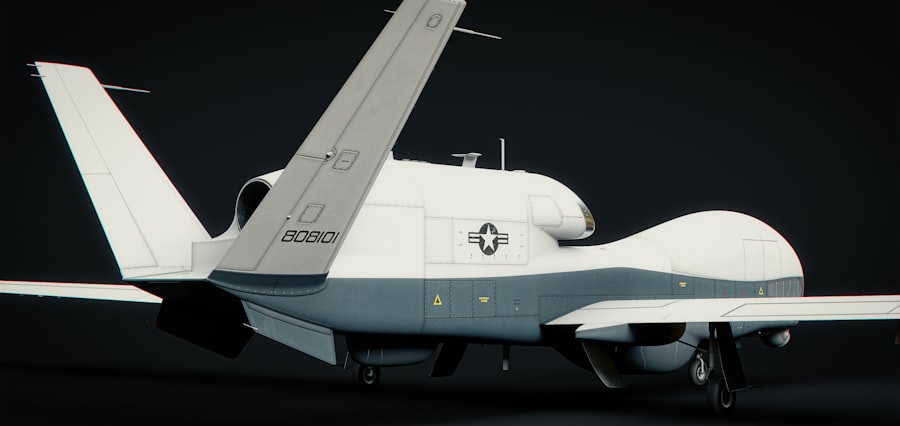
The Cold War transformed the skies above into a contested battleground for intelligence gathering, long before the advent of sophisticated cyber warfare. The documentary provides a fascinating look at the evolution of aerial and, eventually, satellite reconnaissance.
U-2 Spy Plane
The U-2 spy plane stands as an iconic symbol of Cold War aerial reconnaissance, a “black bird” soaring at the edges of space, its mission shrouded in secrecy.
- High-Altitude Photography: The documentary emphasizes the U-2’s revolutionary design, capable of flying at altitudes exceeding 70,000 feet, untouchable by contemporary fighter jets or surface-to-air missiles for a significant period. From this vantage point, it could capture incredibly detailed photographs of ground targets, revealing military installations, missile sites, and troop movements. The film explains the sophisticated camera systems onboard, which utilized specialized film and lenses to achieve unprecedented clarity.
- The Francis Gary Powers Incident: The downing of Francis Gary Powers’ U-2 in 1960 is a pivotal moment discussed in the documentary. This event dramatically exposed the covert activities of the United States and significantly escalated Cold War tensions, demonstrating the inherent risks associated with such high-stakes reconnaissance. It served as a stark reminder that even the most advanced technology could be vulnerable.
Early Reconnaissance Satellites
As the Space Race intensified, the ability to observe from orbit became the ultimate prize in intelligence gathering. The documentary explores the nascent stages of satellite reconnaissance, the true “eyes in the sky.”
- Corona Program: The Corona program, initially a highly classified series of reconnaissance satellites, is a central focus. The documentary explains the ingenious method of how film canisters were ejected from orbit and retrieved mid-air by specially equipped aircraft. This complex process, akin to catching a falling star, was a testament to the ingenuity and sheer willpower of engineers and scientists.
- The Dawn of Global Surveillance: The advent of reconnaissance satellites marked a paradigm shift in intelligence gathering. No longer limited by airspace boundaries or the range of aircraft, these orbiting platforms offered unparalleled global coverage. The documentary explains how these early satellites laid the groundwork for the persistent and ubiquitous surveillance capabilities that exist today, fundamentally altering the way nations perceive and interact with one another.
The Information Crucible: Communications and Code Breaking
The very essence of espionage revolves around communication – sending and receiving secret messages. Consequently, the Cold War spurred unprecedented advancements in both secure communications and the art of code breaking, creating a constant technological arms race.
Encryption and Decryption Machines
The documentary showcases the intricate dance between cryptographers creating unbreakable codes and cryptanalysts striving to crack them. Both sides possessed formidable minds dedicated to this intellectual battle.
- Cipher Machines (e.g., SIGABA, M-209): The film demonstrates the workings of various cipher machines used during the Cold War. These electromechanical devices transformed plain text into seemingly random sequences of letters or numbers, making them unreadable without the corresponding machine and key settings. The documentary explains the mathematical principles behind these machines and the challenges involved in their operational deployment.
- The Rise of Cryptanalyzers: Just as complex machines were used for encryption, equally complex methods and, eventually, early computers were employed for decryption. The documentary touches upon the relentless efforts of cryptanalysts, who painstakingly analyzed intercepted messages, searching for patterns, clues, and weaknesses that could lead to a breakthrough. It highlights the often tedious and unglamorous work involved in this critical field.
Secure Communication Networks
Beyond encryption, ensuring the secure transmission of intelligence was paramount. The Cold War witnessed the development of dedicated and highly protected communication infrastructures.
- Hotline (Red Telephone): The iconic “Hotline” between Washington D.C. and Moscow, though often depicted as a red phone, was in reality a secure teletype link. The documentary explains its establishment in the wake of the Cuban Missile Crisis, highlighting its role in preventing miscalculation and accidental escalation. It wasn’t about covert intelligence, but about direct, secure communication between leaders during moments of extreme tension.
- Diplomatic Pouches and Couriers: Despite technological advancements, traditional methods of secure communication remained vital. The documentary acknowledges the continued reliance on diplomatic pouches – sealed containers protected by diplomatic immunity – and highly trained couriers for transmitting sensitive documents and materials that could not be entrusted to electronic means, illustrating that even in a high-tech war, human elements remained crucial.
The documentary on Cold War espionage technology offers a fascinating glimpse into the covert operations that shaped global politics during that era. For those interested in exploring this topic further, there is an insightful article that delves into the various tools and techniques used by spies, which can be found at this link. This resource provides a deeper understanding of the technological advancements that played a crucial role in intelligence gathering and counterintelligence efforts during the Cold War.
The Human Element: Training and Operational Challenges
| Technology | Description | Year Introduced | Country | Impact on Espionage |
|---|---|---|---|---|
| U-2 Spy Plane | High-altitude reconnaissance aircraft used for aerial surveillance | 1956 | USA | Enabled detailed photographic intelligence over Soviet territory |
| Dead Drop Devices | Concealed containers for covert transfer of information | 1950s | Various | Allowed secure communication without direct contact |
| Enigma Machine | Electromechanical rotor cipher machine for encrypting messages | Used earlier but studied extensively during Cold War | Germany (WWII), studied by Allies | Foundation for cryptographic efforts during Cold War |
| Spy Cameras | Miniature cameras used for covert photography | 1950s-1960s | USA, USSR | Captured secret documents and installations discreetly |
| Bugging Devices | Hidden microphones for eavesdropping on conversations | 1950s | USA, USSR | Gathered intelligence from diplomatic and military targets |
| Satellite Reconnaissance | Satellites equipped with cameras and sensors for spying | 1960s | USA, USSR | Provided global surveillance capabilities |
| One-Time Pad Encryption | Unbreakable encryption method using random keys | Used extensively during Cold War | Various | Secured communication channels against interception |
While the documentary primarily focuses on technology, it consistently reminds the viewer that behind every device and every strategy were human beings – agents, scientists, and analysts – operating under immense pressure and facing extraordinary risks.
Agent Recruitment and Training
The human factor was always the ultimate variable in Cold War espionage. The documentary touches upon the rigorous and often psychologically taxing process of preparing agents for their perilous missions.
- Language and Cultural Immersion: Agents destined for foreign assignments underwent intense language training and cultural immersion. The documentary explains how they were taught not just the language, but also the customs, social norms, and even regional dialects of their target countries, making them virtually indistinguishable from locals.
- Tradecraft and Survival Skills: Beyond academic training, agents received comprehensive instruction in “tradecraft” – the techniques of espionage. This included surveillance and counter-surveillance, dead drops, brush passes, elicitation, and various methods of evasion and escape. The documentary might show examples of these skills being practiced in simulated environments, emphasizing the practical, hands-on nature of their preparation.
Psychological Warfare and Disinformation
The Cold War wasn’t just about stealing secrets; it was also about manipulating perceptions and influencing public opinion. The documentary suggests that psychological warfare was an invisible battlefield, fought with words and images rather than bullets.
- Propaganda Techniques: The documentary explains how both sides utilized sophisticated propaganda techniques, disseminating information designed to discredit adversaries, bolster their own ideology, and influence populations both at home and abroad. This involved everything from radio broadcasts and leaflets to orchestrated cultural events.
- The Power of Misinformation: Disinformation, the deliberate spread of false or misleading information, was a potent weapon. The documentary might explore instances where fabricated stories or doctored evidence were used to sow discord, create distrust, or mislead enemy intelligence services. This highlights the constant battle for truth and the difficulty in discerning fact from fiction in a climate of pervasive secrecy.
“Secrets of Cold War Tech: Espionage” paints a vivid and insightful picture of a technological arms race unlike any other. It reveals how the specter of global conflict spurred astonishing innovation, giving birth to surveillance capabilities, deception techniques, and communication methods that continue to influence contemporary intelligence operations. By presenting these technologies in a factual and historical context, the documentary underscores the ingenuity of engineers and scientists, as well as the unwavering dedication and immense risks undertaken by agents on both sides of the Iron Curtain. For anyone interested in the intersection of history, technology, and the enduring human drive to understand and outmaneuver adversaries, this documentary serves as an essential and compelling exploration. You, the viewer, are transported into a world where science fiction often became reality, where ingenuity was a weapon, and where the unseen hands of technology shaped the course of nations.
WATCH NOW ▶️ SHOCKING: Why the Seafloor Went Silent
FAQs
What was the primary purpose of espionage technology during the Cold War?
Espionage technology during the Cold War was primarily used to gather intelligence on military capabilities, political intentions, and technological advancements of opposing nations, mainly between the United States and the Soviet Union.
What types of espionage technology were commonly used in the Cold War?
Common espionage technologies included spy satellites, covert listening devices (bugs), encrypted communication systems, miniature cameras, and advanced surveillance aircraft like the U-2 spy plane.
How did espionage technology impact the outcome of the Cold War?
Espionage technology played a critical role in maintaining the balance of power by providing crucial intelligence that helped prevent misunderstandings and potential conflicts, contributing to the eventual peaceful resolution of the Cold War.
Were there any famous espionage operations involving technology during the Cold War?
Yes, notable operations include the U-2 incident where an American spy plane was shot down over the Soviet Union, and the use of the VENONA project, which decrypted Soviet communications and exposed espionage networks.
How has Cold War espionage technology influenced modern intelligence methods?
Many Cold War espionage technologies laid the groundwork for modern intelligence techniques, including satellite reconnaissance, cyber espionage, and advanced encryption, shaping how intelligence agencies operate today.