The genesis of Cold War naval intelligence operations can be traced back to the aftermath of World War II, a period marked by the rapid escalation of tensions between the United States and the Soviet Union. As the two superpowers emerged from the ashes of global conflict, they found themselves locked in a struggle for ideological supremacy, which necessitated a robust framework for intelligence gathering and analysis. The establishment of various naval intelligence units within both the U.S.
Navy and the Soviet Navy was a direct response to the need for enhanced situational awareness in an increasingly polarized world. This new era of naval operations was characterized by a focus on gathering intelligence not only about enemy capabilities but also about their intentions, strategies, and potential future actions. In this context, naval intelligence operations evolved into a critical component of national security strategy.
The U.S. Navy, for instance, began to invest heavily in technological advancements and human resources to bolster its intelligence capabilities. The creation of organizations such as the Office of Naval Intelligence (ONI) and the establishment of dedicated naval intelligence schools underscored the importance placed on this domain.
Similarly, the Soviet Union recognized the necessity of developing its own naval intelligence apparatus, leading to the formation of specialized units tasked with monitoring U.S. naval movements and capabilities. This burgeoning focus on naval intelligence set the stage for a series of operations that would shape the geopolitical landscape for decades to come.
Key Takeaways
- Cold War naval intelligence was crucial in monitoring and countering Soviet maritime activities.
- Advanced technologies like sonar, cryptography, and submarines played key roles in intelligence gathering.
- Espionage and counter-espionage efforts significantly influenced Cold War geopolitical dynamics.
- Collaboration and rivalry existed between naval intelligence and other intelligence agencies.
- The legacy of Cold War naval intelligence continues to inform modern maritime security and intelligence operations.
The Role of Naval Intelligence in the Cold War
Naval intelligence played a pivotal role in shaping military strategies and foreign policies during the Cold War. As tensions escalated, both superpowers relied heavily on their naval intelligence capabilities to inform decision-making processes. The U.S. Navy’s ability to monitor Soviet naval activities, including submarine deployments and surface fleet movements, provided critical insights that influenced American military posture and strategic planning. This intelligence was not merely reactive; it also allowed for proactive measures, such as the development of countermeasures against potential threats posed by Soviet naval forces. Conversely, Soviet naval intelligence sought to counter U.S. advantages by employing its own network of spies and informants to gather information on American naval operations. The Soviets focused on understanding U.S. technological advancements, particularly in areas such as missile technology and nuclear submarines. This intelligence war extended beyond mere observation; it involved intricate operations designed to infiltrate U.S. naval bases and gather sensitive information that could be used to level the playing field. The interplay between these two naval intelligence efforts created a dynamic environment where both sides were constantly adapting their strategies based on the information they acquired.
The Impact of Cold War Naval Intelligence Operations on Geopolitics
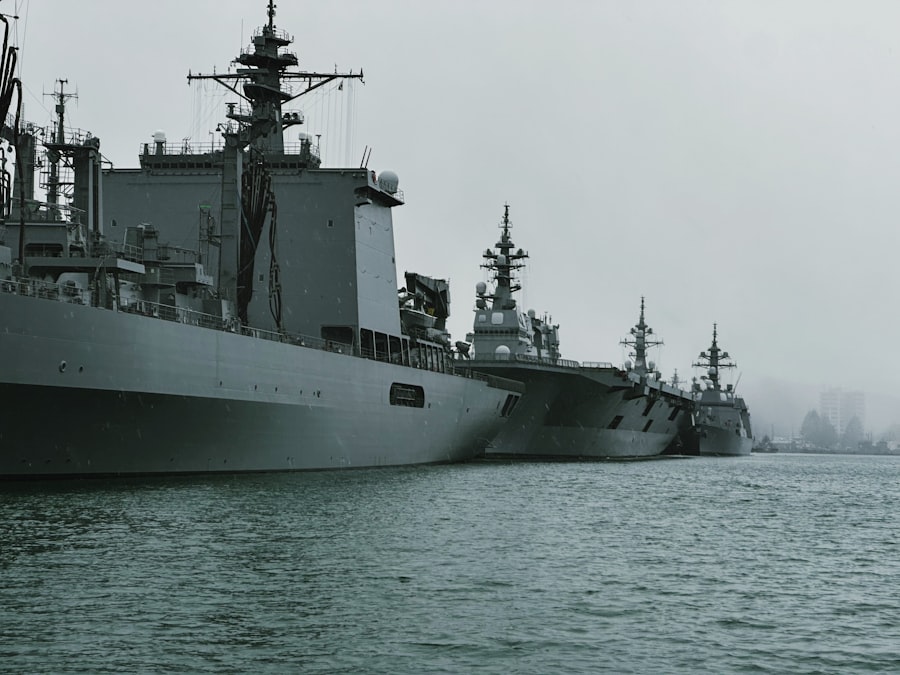
The ramifications of Cold War naval intelligence operations extended far beyond military strategy; they significantly influenced global geopolitics. The intelligence gathered by both the U.S. and Soviet navies shaped diplomatic relations, informed arms control negotiations, and even played a role in regional conflicts around the world.
For instance, knowledge of Soviet naval capabilities allowed the United States to engage in strategic deterrence, ensuring that any aggressive moves by the Soviets would be met with a formidable response.
Moreover, naval intelligence operations often had implications for smaller nations caught in the crossfire of superpower rivalry.
Countries in regions such as Southeast Asia and the Middle East found themselves under scrutiny as both the U.S. and Soviet navies sought to expand their influence. The intelligence gathered during this period often informed U.S.
interventions in conflicts like the Vietnam War or Soviet support for various regimes in Africa and Latin America. Thus, Cold War naval intelligence operations not only shaped military strategies but also had profound effects on international relations and regional stability.
The Technologies and Techniques Used in Cold War Naval Intelligence Operations
The Cold War era witnessed significant advancements in technology that revolutionized naval intelligence operations.
The introduction of radar technology allowed for enhanced tracking of enemy vessels, while satellite reconnaissance provided unprecedented access to real-time information about naval movements across vast distances.
These technological innovations transformed how naval intelligence was gathered and analyzed, enabling more accurate assessments of enemy capabilities. In addition to technological advancements, various techniques were employed to enhance intelligence-gathering efforts. Signals intelligence (SIGINT) became a cornerstone of Cold War naval operations, allowing both sides to intercept communications between enemy vessels and command centers.
This capability provided invaluable insights into enemy intentions and operational plans. Furthermore, human intelligence (HUMINT) played a crucial role, with spies infiltrating enemy ranks to gather sensitive information that could not be obtained through technical means alone. The combination of these technologies and techniques created a comprehensive approach to naval intelligence that significantly impacted military operations during the Cold War.
The Role of Submarines in Cold War Naval Intelligence Operations
| Operation Name | Year(s) | Country | Objective | Key Assets Used | Outcome |
|---|---|---|---|---|---|
| Operation Ivy Bells | 1970s-1980s | USA | Tap Soviet underwater communication cables | Submarines, divers, tapping devices | Successful intelligence gathering on Soviet naval communications |
| Operation Gold | 1955-1956 | USA/UK | Wiretap Soviet communication cables in Berlin | Tunnel, wiretap equipment | Partial success; operation discovered by Soviets |
| Project Azorian | 1974 | USA | Recover sunken Soviet submarine K-129 | Glomar Explorer ship, deep-sea recovery technology | Partial recovery; some intelligence gained |
| Operation Moby Dick | 1950s | USA | Track Soviet submarines in Atlantic | Sonar arrays, surveillance ships | Improved tracking capabilities |
| Operation Sandcastle | 1960s | UK | Recover Soviet naval signals intelligence | Underwater retrieval teams, specialized vessels | Successful recovery of intelligence materials |
Submarines emerged as one of the most critical assets in Cold War naval intelligence operations. Their stealthy nature allowed them to operate undetected in enemy waters, making them ideal platforms for gathering intelligence on enemy fleets and coastal installations. Both the U.S. and Soviet navies invested heavily in submarine technology, leading to the development of advanced nuclear-powered submarines capable of long-range missions without surfacing. These submarines became essential tools for surveillance and reconnaissance, often tasked with monitoring enemy activities while remaining hidden from detection. The role of submarines extended beyond mere observation; they also served as platforms for launching covert operations and gathering signals intelligence. For instance, U.S. submarines were equipped with sophisticated listening devices that could intercept communications from Soviet vessels operating nearby. This capability allowed for real-time monitoring of enemy movements and intentions, providing critical information that informed strategic decisions at higher command levels. As a result, submarines became integral components of Cold War naval intelligence operations, shaping both military strategies and geopolitical dynamics.
The Espionage and Counter-Espionage Activities of Cold War Naval Intelligence
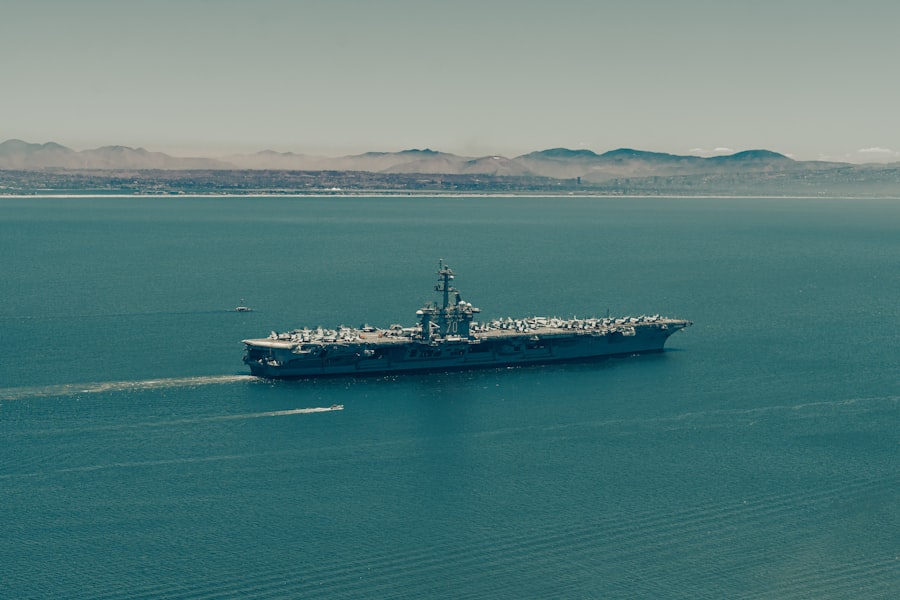
Espionage and counter-espionage activities were central to Cold War naval intelligence operations, as both superpowers sought to outmaneuver each other through covert means. The U.S. Navy engaged in various espionage efforts aimed at infiltrating Soviet naval bases and gathering information on their technological advancements and operational strategies.
This often involved deploying undercover agents or utilizing front companies to gain access to sensitive information that could provide a competitive edge. On the flip side, Soviet naval intelligence was equally adept at counter-espionage efforts designed to thwart American attempts at infiltration. The Soviets employed a range of tactics, including disinformation campaigns and surveillance measures aimed at identifying potential spies within their ranks.
This cat-and-mouse game between espionage and counter-espionage created an atmosphere of mistrust and paranoia on both sides, further complicating an already tense geopolitical landscape.
The Legacy of Cold War Naval Intelligence Operations
The legacy of Cold War naval intelligence operations is profound and enduring, shaping not only military strategies but also influencing contemporary geopolitical dynamics. The lessons learned during this period continue to inform modern naval operations and intelligence practices around the world. The emphasis on technological innovation, for instance, remains relevant today as navies invest in advanced surveillance systems and cyber capabilities to address emerging threats.
Moreover, the experiences gained during Cold War naval intelligence operations have led to a greater understanding of the importance of collaboration among allied nations. The sharing of intelligence between countries has become a cornerstone of modern military alliances, allowing for more effective responses to global challenges. As new threats emerge in an increasingly complex world, the principles established during the Cold War continue to guide contemporary approaches to naval intelligence.
Notable Cold War Naval Intelligence Operations and Missions
Several notable operations exemplify the significance of naval intelligence during the Cold War era. One such operation was Operation Ivy Bells, a joint effort between the U.S. Navy and the National Security Agency (NSA) aimed at tapping into underwater communication cables used by the Soviet Navy.
This operation provided invaluable insights into Soviet naval strategies and capabilities, significantly enhancing American understanding of enemy movements. Another prominent mission was Operation Sea Lion, which involved extensive surveillance of Soviet submarine activities during critical periods of tension in the 1980s. This operation showcased the effectiveness of advanced reconnaissance technologies and highlighted the importance of real-time intelligence in shaping military responses to potential threats.
These missions not only underscored the capabilities of naval intelligence but also illustrated its impact on broader strategic outcomes during the Cold War.
The Relationship Between Cold War Naval Intelligence and Other Intelligence Agencies
The relationship between Cold War naval intelligence operations and other intelligence agencies was characterized by collaboration and competition. While naval intelligence units operated independently within their respective branches, they often worked closely with organizations such as the Central Intelligence Agency (CIA) and National Security Agency (NSA) in the United States or similar entities within the Soviet Union. This collaboration allowed for a more comprehensive approach to intelligence gathering, combining various sources and methods to create a clearer picture of enemy activities.
However, this relationship was not without its challenges. Inter-agency rivalries sometimes hindered information sharing and coordination efforts, leading to gaps in situational awareness that could have serious consequences during critical moments. Despite these challenges, the interplay between naval intelligence and other agencies ultimately contributed to a more nuanced understanding of global threats during the Cold War.
The Declassification of Cold War Naval Intelligence Documents
The declassification of Cold War naval intelligence documents has provided historians and researchers with invaluable insights into this pivotal period in history. As governments gradually release previously classified materials, a clearer picture emerges regarding the strategies employed by both superpowers in their quest for dominance at sea. These documents shed light on specific operations, technological advancements, and decision-making processes that shaped military strategies during this era.
Moreover, declassified documents have revealed previously unknown details about espionage activities and covert missions undertaken by both sides. This newfound transparency allows for a more nuanced understanding of how naval intelligence influenced geopolitical dynamics during the Cold War and offers lessons that remain relevant today.
The Continued Relevance of Cold War Naval Intelligence Operations in the Modern World
In an era marked by evolving threats such as cyber warfare, terrorism, and geopolitical rivalries among emerging powers, the principles established during Cold War naval intelligence operations remain highly relevant today. Modern navies continue to rely on advanced technologies for surveillance and reconnaissance while adapting their strategies to address new challenges posed by non-state actors and asymmetric warfare. Furthermore, lessons learned from Cold War experiences inform contemporary approaches to international cooperation among allied nations in addressing shared security concerns.
As global dynamics shift and new threats emerge, the legacy of Cold War naval intelligence operations serves as a foundation upon which modern military strategies are built—ensuring that nations remain vigilant in their pursuit of national security amidst an ever-changing landscape.
Cold War naval intelligence operations played a crucial role in shaping the strategies and outcomes of various conflicts during that era. For a deeper understanding of these operations and their implications, you can explore the article on naval strategies and intelligence at In The War Room. This resource provides valuable insights into the tactics employed by naval forces and the intelligence efforts that supported them throughout the Cold War.
WATCH THIS! 🎖️ The Silent Underwater Network That Doomed Every Soviet Submarine
FAQs
What were Cold War naval intelligence operations?
Cold War naval intelligence operations involved the collection, analysis, and dissemination of information related to naval activities between the United States, the Soviet Union, and their respective allies. These operations aimed to monitor enemy fleet movements, technological developments, and strategic intentions during the Cold War period (approximately 1947-1991).
Which countries were primarily involved in Cold War naval intelligence?
The primary countries involved in Cold War naval intelligence were the United States and the Soviet Union. However, other NATO members and Warsaw Pact countries also participated in naval intelligence activities to support their respective alliances.
What methods were used in Cold War naval intelligence operations?
Methods included electronic surveillance (SIGINT), signals interception, reconnaissance by naval vessels and aircraft, satellite imagery, human intelligence (HUMINT), and code-breaking efforts. Submarines and spy ships were often deployed to gather intelligence covertly.
Why was naval intelligence important during the Cold War?
Naval intelligence was crucial for maintaining strategic balance and deterrence. It helped both sides track the deployment and capabilities of enemy submarines, surface ships, and missile systems, thereby preventing surprise attacks and informing military planning.
What role did submarines play in Cold War naval intelligence?
Submarines were key assets for intelligence gathering. They conducted covert surveillance missions, tapped undersea communication cables, and tracked enemy submarines. Their stealth capabilities made them ideal for gathering sensitive information without detection.
How did technology impact Cold War naval intelligence?
Advancements in sonar, radar, cryptography, and satellite reconnaissance significantly enhanced naval intelligence capabilities. These technologies allowed for more precise tracking of enemy vessels and improved interception of communications.
Were there any notable incidents related to Cold War naval intelligence?
Yes, several incidents occurred, such as the capture of the USS Pueblo by North Korea in 1968, which was conducting intelligence operations, and the detection of Soviet submarine activity near U.S. waters. These events highlighted the risks and tensions inherent in naval intelligence work.
How did Cold War naval intelligence operations end?
Naval intelligence operations evolved with the end of the Cold War in 1991. While the intense rivalry diminished, many intelligence practices continued in modified forms to address new global security challenges and emerging naval threats.