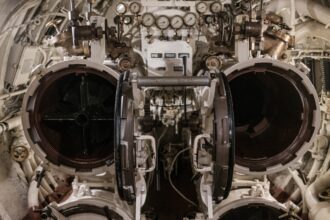
Operation Ivy Bells, a daring and highly classified mission conducted during the Cold War, saw the United States Navy submarine USS Parche venturing into Soviet waters to tap undersea communication cables. This clandestine operation, shrouded in secrecy for decades, was a testament to the ingenuity and bravery of those involved, playing a crucial role in intelligence gathering during a period of intense geopolitical tension. The following explores the multifaceted aspects of Operation Ivy Bells and the remarkable capabilities of the USS Parche.
The Cold War, a protracted period of geopolitical tension between the United States and the Soviet Union following World War II, was characterized by proxy wars, an arms race, and a relentless pursuit of intelligence. Beneath the surface of diplomatic maneuvers and public pronouncements, a clandestine war was waged, fought in the shadows with spies, defectors, and technologically advanced reconnaissance missions. This era of uncertainty demanded constant vigilance and a deep understanding of the adversary’s capabilities and intentions. The United States, like its Soviet counterpart, invested heavily in intelligence agencies and specialized military units to gain any advantage.
The Stakes of the Information Game
In the high-stakes chess match of the Cold War, information was the most valuable currency. Knowing the enemy’s plans, troop movements, technological advancements, and political machinations could mean the difference between peace and war, between strategic victory and devastating defeat. Every piece of intelligence, however small, was analyzed, cross-referenced, and pieced together to form a coherent picture of the Soviet Union’s intentions. The ability to intercept communications was a paramount objective, as radio signals and telephone lines often carried the very secrets that could shape the course of global events.
The Technological Arms Race Beneath the Waves
While much of the public’s attention during the Cold War focused on the nuclear arms race in the skies and on land, a parallel and equally critical race was unfolding beneath the oceans. Submarines, once primarily tools of naval warfare, evolved into sophisticated platforms for intelligence gathering. The vastness and obscurity of the ocean floor provided a unique environment for clandestine operations, allowing submarines to approach enemy shores undetected. This technological arms race spurred the development of advanced sonar, silent propulsion systems, and specialized equipment designed for underwater reconnaissance and eavesdropping. The silent, deep-diving predators of the sea became the silent guardians of information.
The USS Parche’s Operation Ivy Bells is a fascinating chapter in Cold War history, showcasing the lengths to which the U.S. Navy went to gather intelligence on Soviet submarine communications. For those interested in exploring more about this covert operation and its implications, you can read a related article that delves deeper into the intricacies of underwater espionage and the technological advancements of the time. Check it out here: Operation Ivy Bells and Underwater Espionage.
The Genesis of Operation Ivy Bells
The strategic importance of undersea communication cables as conduits of vital Soviet information became apparent to U.S. intelligence agencies. These cables, laid across the ocean floor, carried vast amounts of data, from military communications to economic intelligence. Intercepting this traffic represented a golden opportunity to gain unprecedented access to Soviet secrets. The concept for Operation Ivy Bells emerged from this recognized vulnerability, envisioning a mission that would directly breach Soviet technological and territorial defenses.
Identifying Vulnerabilities in Soviet Communications
Intelligence analysts, through various means, began to map out the network of undersea communication cables used by the Soviet Union. These cables served as the nervous system of their vast empire, facilitating communication between military bases, government centers, and even their submarine fleet. The discovery of key junction points and cable routes provided the foundation for planning an operation that could tap into this critical infrastructure. It was like finding a hidden artery in the enemy’s body, through which vital fluids flowed.
The Strategic Imperative of Cable Tapping
The ability to intercept communications from these cables offered several strategic advantages. It could provide real-time intelligence on Soviet military operations, allowing the U.S. to anticipate and potentially counter threats. It could also shed light on their internal political dynamics and economic strategies, offering insights into their overall stability and intentions. In essence, it was an attempt to read the enemy’s private diary, revealing their innermost thoughts and plans. The potential payoff, if successful, was immense.
The USS Parche: A Unique Asset for Espionage
The USS Parche (SSN-683) was not an ordinary submarine. Commissioned in 1974, this Sturgeon-class attack submarine was extensively modified throughout its service life to become a highly specialized intelligence-gathering platform. Its modifications were not cosmetic; they were fundamental, transforming it into a stealthy octopus capable of reaching out and touching the very heart of Soviet communications. The Parche was a testament to the idea that even the most advanced weapon systems could be repurposed for the delicate dance of espionage.
Modifications for Covert Operations
Over its long career, the USS Parche underwent numerous refits and upgrades that enhanced its capabilities for clandestine missions. These modifications included the installation of specialized sonar systems for detecting and tracking submarines at extreme ranges, as well as equipment designed for covert insertions and extractions of personnel. More importantly for Operation Ivy Bells, the Parche was equipped with advanced acoustic and electronic intelligence gathering systems, along with the complex machinery needed to physically interact with undersea cables. These were the tools of underwater surgeons, performing delicate operations on the seabed.
The Advanced Capabilities of the Parche
The Parche‘s advanced sonar suite allowed it to navigate the challenging underwater environment with exceptional stealth, avoiding detection by Soviet anti-submarine warfare forces. Its robust hull and extended operational range enabled it to undertake long missions deep within enemy territory. However, its most crucial adaptations were those that enabled it to perform the intricate tasks required for Operation Ivy Bells, feats that required both technological sophistication and exceptional crew training.
The Execution of Operation Ivy Bells

Operation Ivy Bells was a complex and perilous undertaking that required the utmost precision, technological prowess, and unwavering courage from the crew of the USS Parche. The mission involved delicately attaching listening devices to Soviet communication cables lying on the ocean floor in Soviet territorial waters. This was not a simple grab-and-take; it was a surgical procedure performed in the dead of night, miles beneath the waves, with the constant threat of discovery.
The Intricate Process of Cable Tapping
The core of Operation Ivy Bells involved using a specialized device, often referred to as a “capture device” or “tap,” to clamp onto the target cable. This device was deployed from the submarine and navigated to the precise location of the cable. Once attached, the tap would intercept the signals flowing through the cable, recording them for later analysis. The engineering required to design, deploy, and operate such a device in the crushing pressures and challenging currents of the ocean was a remarkable feat of human and mechanical ingenuity. Imagine a spider patiently spinning its web around a vital nerve of its prey.
Navigating Dangerous Territory
The waters where these cables were laid were often heavily patrolled by Soviet submarines and surface vessels, as well as being monitored by shore-based sonar systems. The USS Parche had to navigate these dangerous waters with extreme stealth, relying on its advanced sonar and evasion techniques to avoid detection. Any misstep, any ripple of sound, could have alerted the Soviets to their presence, leading to a potentially catastrophic outcome. The crew was essentially walking a tightrope over an abyss, with the fate of the mission and their lives hanging in the balance.
The Risks and Rewards of a Risky Endeavor
The risks associated with Operation Ivy Bells were immense. Discovery could have led to international incidents, potentially escalating tensions to dangerous levels. Capture of the submarine and its crew would have been a significant propaganda victory for the Soviet Union and a devastating blow to U.S. intelligence capabilities. However, the potential rewards – the vast trove of intelligence that could be gleaned from the intercepted communications – were deemed worth the extraordinary risks involved. It was a gamble with the highest stakes imaginable.
The USS Parche’s Operation Ivy Bells is a fascinating chapter in Cold War history, showcasing the lengths to which the United States went to gather intelligence on Soviet submarine communications. For those interested in exploring similar covert operations, a related article can be found at In the War Room, which delves into the intricacies of underwater espionage and the technological advancements that made such missions possible. This connection highlights the ongoing relevance of these historical events in understanding modern military strategies.
The Impact and Legacy of Operation Ivy Bells
| Metric | Details |
|---|---|
| Operation Name | Operation Ivy Bells |
| Submarine Involved | USS Parche (SSN-683) |
| Operation Period | 1970s – 1980s |
| Mission Objective | Tap Soviet underwater communication cables |
| Location | Sea of Okhotsk, near Soviet naval bases |
| Operation Type | Covert intelligence gathering |
| Technology Used | Underwater tapping devices, advanced sonar, mini-submarines |
| Duration of Missions | Several weeks per deployment |
| Outcome | Successful interception of Soviet naval communications |
| Significance | Provided critical intelligence during the Cold War |
Operation Ivy Bells, and indeed the broader efforts of submarines like the USS Parche in intelligence gathering, provided the United States with invaluable insights into the Soviet Union’s military capabilities, intentions, and internal affairs during a critical period. The intelligence gathered not only informed U.S. policymakers and military leaders but also played a role in shaping strategic decisions and de-escalating potential conflicts. The operation’s success, though often understated, left an indelible mark on the Cold War landscape.
A Silent Arsenal of Information
The intelligence harvested from Operation Ivy Bells acted as a silent arsenal for the United States. It allowed them to anticipate Soviet actions, understand their technological development, and even identify weaknesses within their system. This “information advantage” was as crucial as any missile or bomber in the strategic balance of power, offering a less apocalyptic path to security. The data collected was like deciphering a secret code, unlocking the enemy’s intentions before they could be acted upon.
Keeping the Cold War in Check
By providing a clear picture of Soviet intentions, the intelligence from Ivy Bells likely contributed to maintaining a degree of stability during the Cold War. Knowing what the adversary was thinking and planning allowed for calculated responses, preventing misunderstandings from escalating into open conflict. It was a constant process of calibration, ensuring that both sides understood the boundaries and understood the consequences of crossing them.
Maintaining Secrecy and the Unsung Heroes
The success of Operation Ivy Bells, like many clandestine missions, relied heavily on maintaining absolute secrecy. For decades, the details of this operation remained classified, its participants largely unknown to the public. The men who served aboard the USS Parche performed their duties with exceptional professionalism and dedication, knowing that their contributions were vital but would likely never be publicly acknowledged. They were the unsung heroes of the deep, their bravery etched not in public accolades but in the quiet victories of intelligence. Their commitment was the bedrock upon which such groundbreaking operations were built, a silent testament to the power of dedicated service.
FAQs
What was the USS Parche’s role in Operation Ivy Bells?
The USS Parche was a U.S. Navy submarine that played a key role in Operation Ivy Bells, a covert mission during the Cold War to tap undersea Soviet communication cables.
When did Operation Ivy Bells take place?
Operation Ivy Bells was conducted primarily in the early 1970s, during the height of Cold War tensions between the United States and the Soviet Union.
What was the objective of Operation Ivy Bells?
The objective of Operation Ivy Bells was to secretly tap into Soviet underwater communication cables in the Sea of Okhotsk to gather intelligence on Soviet military activities.
How did the USS Parche contribute to the success of the operation?
The USS Parche was specially equipped and trained to conduct deep-sea reconnaissance and install wiretapping devices on the Soviet communication cables, enabling the U.S. to intercept and monitor Soviet communications.
Was Operation Ivy Bells publicly known during its execution?
No, Operation Ivy Bells was a highly classified mission and remained secret for many years before being publicly revealed in the 1980s.