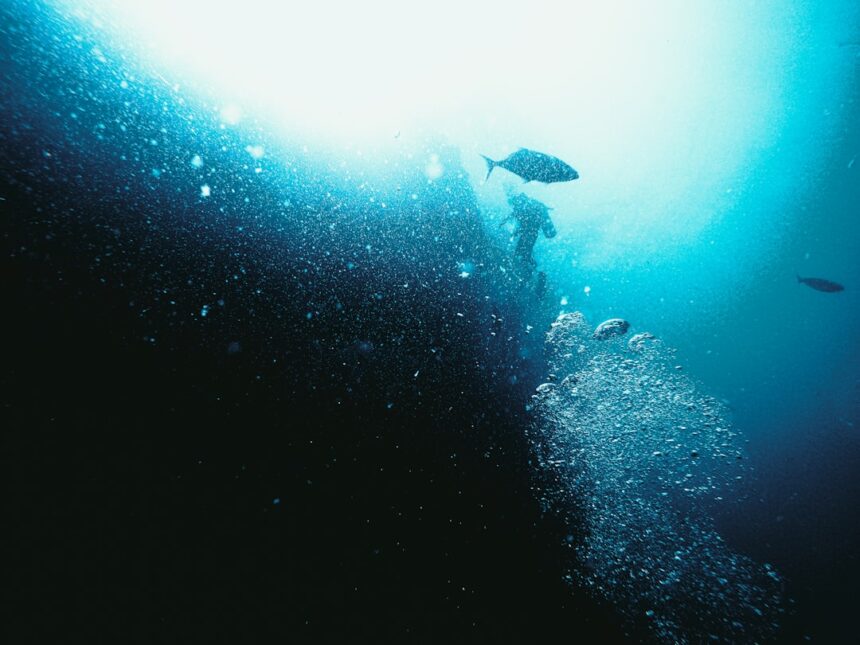
The frigid depths of the ocean held secrets as profound as the chasms that marked its floor. During the Cold War, this hidden frontier became a silent battlefield, a theatre of operations where nations engaged in a clandestine struggle for technological and strategic advantage. At the heart of many of these secret missions lay a revolutionary, yet often overlooked, capability: underwater saturation diving.
The Limits of Traditional Diving
Before saturation diving, the underwater world was a realm largely inaccessible for extended operations in deep water. Divers relied on surface-supplied air or scuba, both of which were severely limited by the physiological constraints of nitrogen narcosis and decompression sickness. Ascending too quickly from even moderate depths could lead to excruciating pain, permanent disability, or death. This meant that missions requiring prolonged work below a certain depth were simply impossible. Imagine trying to build a skyscraper with workers who could only spend five minutes on each floor before having to return to the ground.
The Principle of Saturation
Saturation diving offered a paradigm shift. The core principle is deceptively simple: immerse divers in a pressurized environment, such as a habitat, at a deep-sea pressure equivalent to their planned working depth. At these depths, the body’s tissues become saturated with the breathing gas (typically a helium-oxygen mixture, often referred to as “hydreliox” or “heliox”). Once saturation is achieved, divers can live and work at that depth for extended periods – days, weeks, or even months – without needing to undergo lengthy, individual decompression for each dive. They are essentially “living” at the bottom of the sea. Decompression is only required once, at the very end of the saturation period, and it is a meticulously controlled, multi-day process. This allowed for unprecedented endurance beneath the waves, transforming the ocean floor into a potential extended workstation.
The Military Imperative
The Cold War provided a potent impetus for the development and application of saturation diving. The strategic value of the submarine became acutely apparent, and with it, the need to monitor, counter, and potentially exploit enemy submarine activity. This translated into a demand for the ability to conduct covert reconnaissance, plant listening devices, recover sensitive equipment from sunken vessels, and even repair or inspect critical underwater infrastructure. The sheer strategic weight of maintaining an unseen presence beneath the waves made the challenges of deep-sea operations a pressing concern for naval powers.
Underwater saturation diving played a crucial role during Cold War missions, allowing divers to operate at great depths for extended periods while minimizing the risks associated with decompression. For a deeper understanding of the strategic importance and challenges faced by divers during this tense period, you can read a related article that explores the intricacies of these operations. Check it out here: Underwater Saturation Diving in Cold War Missions.
The Missions Unveiled
Submarine Warfare and Intelligence Gathering
The primary driver behind the military’s interest in saturation diving was the escalating shadow war waged beneath the ocean’s surface. Submarines, the silent predators and elusive targets of the Cold War, were a constant source of concern and a primary focus of intelligence gathering. Saturation divers became the human instruments for tasks that automated or remotely operated vehicles (ROVs) could not yet reliably perform, or where human judgment and dexterity were paramount.
Deep-Sea Reconnaissance
One of the most clandestine applications involved covert reconnaissance of Soviet submarine bases and naval facilities. Divers, operating from specialized submersibles or even clandestine surface vessels, could approach enemy installations undetected. Their objective was to gather intelligence on submarine movements, acoustic signatures, and operational capabilities. This often involved deploying hydrophones, taking photographs or video, and even conducting rudimentary surveys of underwater defenses. The ability to remain submerged for extended periods, unnoticed, was a critical advantage in these high-stakes operations. Think of them as deep-sea spies, blending into the darkness with unparalleled stealth.
Acoustic Intelligence and Sonar Prowess
The oceans are a symphony of sound, and during the Cold War, understanding that symphony was crucial. Both sides invested heavily in developing sophisticated sonar systems to detect submarines. This led to a cat-and-mouse game of acoustic countermeasures and intelligence gathering. Saturation divers played a role in deploying and maintaining sensitive acoustic arrays on the seabed, designed to passively or actively listen for enemy submarines. They were also tasked with recovering intelligence from damaged or lost acoustic equipment, providing invaluable data on enemy sonar capabilities and tactics. The seabed became a vast, underwater listening post, and divers were the engineers and maintenance crews keeping it operational.
Recovery Operations: Salvaging Secrets
The deep ocean frequently swallows wreckage left behind by the intense naval activity of the Cold War. For intelligence agencies, these wrecks were not just debris; they were treasure troves of invaluable information.
Retrieving Sensitive Materials
Perhaps the most dramatic and covert missions involved the recovery of sensitive materials from sunken submarines and aircraft. In the event of a loss, whether accidental or due to engagement, paramount importance was placed on preventing the enemy from accessing classified technology, intelligence documents, or cryptographic equipment. Saturation divers were the elite retrieval teams, tasked with descending to the wreckages, often at extreme depths, to secure these vital assets. These were operations fraught with peril, demanding immense skill, courage, and precision under immense pressure. Imagine being the first person to enter a shattered underwater tomb of secrets, knowing the world is watching and holding its breath.
The Glomar Explorer and the “Spruce Goose”
While not solely a saturation diving mission, the famous recovery of a Soviet Golf-class submarine in 1974 by the CIA’s Glomar Explorer program highlights the broader context of deep-sea salvage operations. Though the success of the recovery was partial, it demonstrated the ambition and technological reach of the United States in accessing deep-water secrets. Saturation diving played a crucial, albeit often unacknowledged, role in supporting such ambitious endeavors, enabling extended work periods for the specialized crews that prepared the salvage equipment and managed the recovery process. The ability to work within a controlled, pressurized environment on the support vessels was indispensable.
Underwater Construction and Maintenance
Beyond intelligence and recovery, saturation diving also facilitated critical infrastructure projects and maintenance tasks that were essential for naval operations.
Navigational Aids and Surveillance Systems
The installation and maintenance of navigational aids, secret surveillance platforms, and early warning systems on the seabed required prolonged underwater work in challenging environments. Saturation divers were essential for tasks such as deploying and anchoring large structures, connecting heavy cabling, and performing repairs on equipment that operated continuously in corrosive saltwater. These were the unsung heroes of the underwater infrastructure, ensuring the arteries of naval communication and surveillance remained open and functional.
Submarine Habitats and Advanced Bases
The concept of establishing permanent or semi-permanent underwater facilities for submarine operations and research was also explored. Saturation diving was the technological linchpin for constructing and maintaining such hypothetical deep-sea habitats. While fully realized underwater bases for operational forces remained largely theoretical, the experience gained from saturation diving provided the foundation for future advancements in underwater living and working. The dream of man truly colonizing the ocean floor, even for military purposes, began with the success of saturation diving.
The Technology and the Teams
The Life Support Systems
The survival of saturation divers in the extreme environment of the deep ocean depended entirely on sophisticated life support systems. These were not merely tanks of air; they were complex, engineered ecosystems designed to replicate a survivable environment.
Pressurization and Gas Mixtures
The cornerstone of saturation diving is maintaining a pressurized environment. Divers lived in hyperbaric chambers, or habitats, where the internal pressure was controlled to match the ambient pressure of their working depth. This eliminated the need for repetitive decompression as they moved between the habitat and their worksite. The breathing gas itself was a carefully formulated mixture. Pure oxygen at high pressures is toxic, and normal air becomes dangerously narcotic. Therefore, a mixture of helium and oxygen (heliox) was the standard. Helium’s lower density and reduced narcotic effect were critical for enabling clear thinking and efficient work at depth. Nitrogen’s insidious embrace, nitrogen narcosis, was a constant threat that heliox largely neutralized.
Environmental Controls and Safety Protocols
Beyond gas mixtures, the habitats incorporated systems for temperature regulation, humidity control, waste management, and carbon dioxide scrubbing. These were crucial for maintaining the health and well-being of the divers during their extended stays. Rigorous safety protocols governed every aspect of the operation, from pre-dive checks to emergency procedures. The margin for error was vanishingly small, and discipline was paramount.
The Role of Submersibles and Support Vessels
Saturation diving operations were rarely conducted in isolation. They were part of carefully orchestrated missions that relied on specialized support infrastructure.
Specialized Submersibles
Submersibles, both manned and remotely operated vehicles (ROVs), played a critical role in transporting divers to and from the worksite, providing lighting and power, and conducting initial reconnaissance. These vehicles acted as airborne elevators and mobile work platforms, extending the reach of the divers into even more challenging areas. Their reliability and maneuverability were essential for the success and safety of the missions.
Mother Ships and Surface Support
Surface vessels, often referred to as “mother ships,” served as the command centers and logistical hubs for saturation diving operations. They housed the decompression chambers, life support systems, medical facilities, and provided power and communication links to the underwater operations. The expertise of the surface support teams – engineers, medics, and dive supervisors – was as vital as the skill of the divers themselves. They were the unseen guardians, meticulously managing the delicate balance of pressure and life.
The Elite Divers: Skills and Training
The individuals who undertook these perilous missions were a breed apart. They possessed a unique combination of extreme physical conditioning, exceptional mental fortitude, and highly specialized technical skills.
Rigorous Selection and Training
Saturation divers were not simply experienced commercial divers; they were meticulously selected and subjected to some of the most demanding training regimes in existence. This included extensive physiological testing, psychological evaluations, and prolonged exposure to simulated deep-sea conditions. The training emphasized problem-solving, teamwork, and the ability to remain calm and effective under immense stress.
Psychological Resilience and Team Cohesion
The psychological toll of living under pressure for extended periods cannot be overstated. Divers had to cope with isolation, confinement, and the constant awareness of the inherent risks. Strong team cohesion and mutual reliance were crucial for maintaining morale and ensuring effective operations. These divers were more than just colleagues; they were a brotherhood forged in the crushing embrace of the deep.
The Unseen Legacy
Technological Spinoffs and Civilian Applications
While the primary impetus for saturation diving was military, the technological advancements and operational expertise developed during the Cold War had significant and lasting impacts on civilian industries. The principles of hyperbaric medicine, gas physiology, and life support systems that emerged from these secret missions have been applied to a wide range of fields.
Offshore Oil and Gas Exploration
The most prominent civilian application has been in the offshore oil and gas industry. Saturation diving became indispensable for constructing and maintaining deep-water oil rigs, pipelines, and subsea infrastructure. The ability to work for extended periods at great depths significantly reduced the cost and complexity of these operations, opening up previously inaccessible reserves of oil and gas.
Underwater Archaeological Research
Archaeologists have also benefited immensely from the advancements in saturation diving. The recovery and preservation of artifacts from shipwrecks and submerged historical sites have been revolutionized, allowing for unprecedented insights into past human activity. Imagine gently lifting a fragile amphora from a centuries-old seabed, a testament to the capabilities born from wartime necessity.
Medical Applications and Hyperbaric Medicine
The understanding of how the human body responds to pressure and oxygen at depth has led to significant progress in hyperbaric medicine. Treatments for decompression sickness, carbon monoxide poisoning, and chronic wounds have been developed and refined based on the knowledge gained from saturation diving research.
Underwater saturation diving played a crucial role during Cold War missions, allowing divers to operate at extreme depths for extended periods while minimizing the risks associated with rapid decompression. For those interested in exploring the intricacies of these covert operations, a fascinating article can be found that delves into the techniques and technologies used in these high-stakes environments. You can read more about it in this insightful piece on saturation diving and its impact on military strategy during that era.
The Enduring Mystery
| Mission Name | Year | Location | Depth (meters) | Duration (hours) | Objective | Diving Technology Used |
|---|---|---|---|---|---|---|
| Project Azorian | 1974 | Pacific Ocean | 1,500 | 72 | Recovery of Soviet submarine K-129 | Saturation diving with atmospheric diving suits |
| SEALAB II | 1965 | Pacific Ocean, off California | 62 | 15 days | Testing human endurance and saturation diving techniques | Saturation diving habitat |
| Project Genesis | 1960 | North Atlantic | 90 | 48 | Underwater construction and repair | Saturation diving system |
| Operation Sandcastle | 1967 | North Sea | 70 | 36 | Underwater demolition and salvage | Saturation diving bell |
| Project Deep Quest | 1970 | Atlantic Ocean | 120 | 60 | Deep-sea reconnaissance and equipment testing | Saturation diving with mixed gas |
The Veil of Secrecy
The very nature of these operations meant that much of the work conducted by saturation divers during the Cold War remained shrouded in secrecy. Mission details, successful recoveries, and even the extent of capabilities were often classified for decades, or remain so to this day. The public has largely remained unaware of the critical role these individuals and their specialized skills played in the geopolitical struggles of the 20th century.
Echoes in Modern Operations
While the Cold War has ended, the legacy of saturation diving persists. Modern naval activities, deep-sea exploration, and offshore industries continue to rely on the foundational knowledge and techniques pioneered during that era. The silent, unforgiving depths of the ocean still hold strategic importance, and though technology has advanced, the human element, honed by the crucible of Cold War necessity, remains a vital component in unlocking its secrets. The underwater world, once a frontier of mystery, has been tamed, in part, by the courage and ingenuity of those who dared to live and work in its deepest, darkest realms.
FAQs
What is underwater saturation diving?
Underwater saturation diving is a diving technique that allows divers to live and work at great depths for extended periods by saturating their body tissues with inert gases. This method reduces the risk of decompression sickness by limiting the number of decompressions needed during long missions.
How was saturation diving used during Cold War missions?
During the Cold War, underwater saturation diving was employed for covert military operations, including the inspection and sabotage of enemy submarines, underwater surveillance, and the placement of underwater listening devices. These missions required divers to operate at significant depths for prolonged durations.
What equipment did Cold War saturation divers use?
Cold War saturation divers used specialized diving suits, underwater breathing apparatuses, and pressurized habitats or diving bells to live and work underwater. They also utilized decompression chambers to safely return to surface pressure after completing their missions.
What were the risks associated with Cold War saturation diving missions?
Risks included decompression sickness, nitrogen narcosis, oxygen toxicity, hypothermia due to cold underwater environments, and potential exposure to hostile forces. The complexity of the missions and the technology limitations of the time also posed significant challenges.
How did Cold War underwater missions impact modern diving technology?
Cold War underwater missions drove advancements in diving technology, including improvements in life support systems, underwater communication, and diving suits. These developments have influenced modern commercial, scientific, and military diving practices, enhancing safety and operational capabilities.