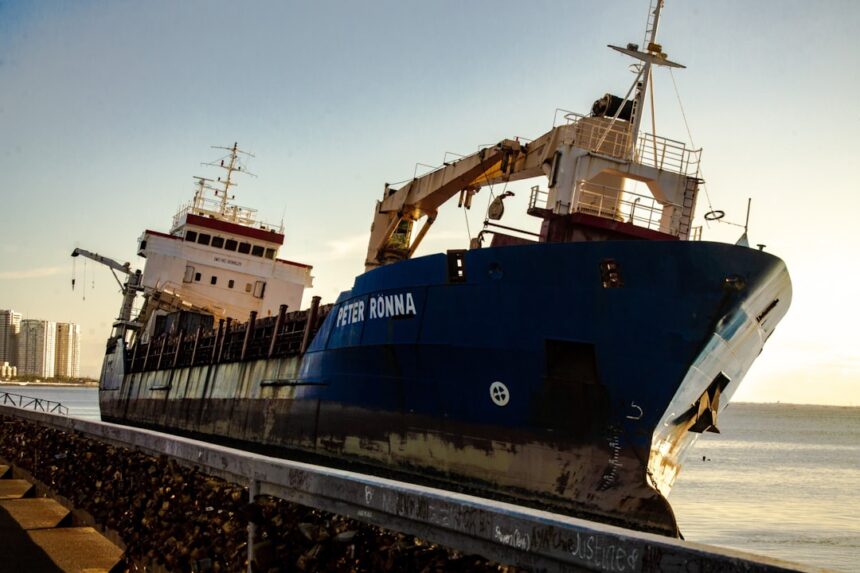
The term “sea change” evokes a profound transformation, often associated with the shifting tides of the ocean. In the context of the commercial shipping industry, it signifies the sweeping alterations that have occurred over the years, driven by technological advancements, environmental concerns, and economic demands. As global trade continues to expand, the shipping industry finds itself at a crossroads, facing both unprecedented challenges and opportunities.
This article delves into the multifaceted world of commercial shipping, exploring its history, environmental impact, technological innovations, and the human stories that shape this vital sector. The commercial shipping industry serves as the backbone of global trade, facilitating the movement of goods across vast distances. With over 90% of the world’s trade transported by sea, the significance of this industry cannot be overstated.
However, as it navigates through changing tides—both literally and metaphorically—the industry must adapt to new realities. The sea change in commercial shipping is not merely about logistics; it encompasses a broader narrative of sustainability, economic growth, and human resilience.
Key Takeaways
- Sea Change explores the evolution and current state of the commercial shipping industry.
- Commercial shipping significantly impacts the environment, prompting regulatory and technological responses.
- The industry faces challenges including environmental concerns, economic pressures, and human factors.
- Technological advancements play a crucial role in improving efficiency and sustainability in shipping.
- The future of commercial shipping depends on balancing economic importance with environmental responsibility.
The History of the Commercial Shipping Industry
The roots of the commercial shipping industry can be traced back thousands of years to ancient civilizations that relied on maritime trade for survival and prosperity. From the Phoenicians who navigated the Mediterranean to the Vikings who explored the North Atlantic, early seafarers laid the groundwork for what would become a global network of trade routes. The Age of Exploration in the 15th and 16th centuries marked a significant turning point, as European powers sought new territories and resources, leading to an expansion of maritime commerce.
As time progressed, the industrial revolution brought about significant advancements in shipbuilding and navigation. The introduction of steam-powered vessels in the 19th century revolutionized shipping, allowing for faster and more reliable transport of goods. The establishment of container shipping in the mid-20th century further transformed the industry, enabling efficient loading and unloading processes that drastically reduced shipping times and costs.
This evolution has shaped the modern commercial shipping landscape, where massive container ships now dominate the seas.
The Impact of Commercial Shipping on the Environment
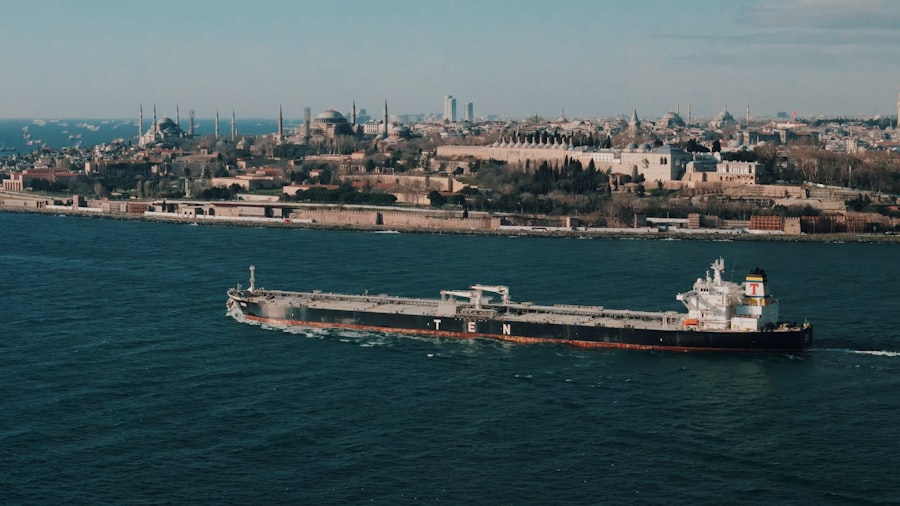
While commercial shipping has played a crucial role in facilitating global trade, it has also left an indelible mark on the environment. The industry is responsible for a significant portion of greenhouse gas emissions, contributing to climate change and air pollution. According to estimates from the International Maritime Organization (IMO), shipping accounts for approximately 2-3% of global carbon dioxide emissions.
This figure is expected to rise as global trade continues to expand unless substantial measures are taken to mitigate its impact. Moreover, marine ecosystems are under threat from various aspects of shipping operations. Oil spills, ballast water discharge, and underwater noise pollution pose serious risks to marine life.
The introduction of invasive species through ballast water can disrupt local ecosystems, leading to long-term ecological consequences. As awareness of these environmental issues grows, there is an increasing call for sustainable practices within the industry to protect the oceans and their inhabitants.
The Challenges Faced by the Commercial Shipping Industry
The commercial shipping industry faces a myriad of challenges that threaten its sustainability and efficiency. One of the most pressing issues is the rising cost of fuel and compliance with stringent environmental regulations. As countries implement measures to reduce emissions, shipping companies must invest in cleaner technologies and alternative fuels, which can be financially burdensome.
The transition to more sustainable practices requires not only capital investment but also a shift in operational strategies. Additionally, geopolitical tensions and trade disputes can disrupt supply chains and create uncertainty within the industry. Events such as the COVID-19 pandemic have further highlighted vulnerabilities in global logistics, leading to port congestion and delays in shipments.
These challenges necessitate a reevaluation of traditional practices and a willingness to embrace innovation in order to navigate an increasingly complex landscape.
The Role of Technology in Commercial Shipping
| Metric | Value | Description |
|---|---|---|
| Average Documentary Length | 90 minutes | Typical runtime for commercial shipping industry documentaries |
| Number of Documentaries Released (2023) | 15 | Documentaries focused on commercial shipping industry released worldwide |
| Top Documentary Viewership | 2 million viewers | Highest recorded viewership for a commercial shipping documentary on streaming platforms |
| Common Topics Covered | Global trade, environmental impact, maritime technology | Key themes explored in the documentaries |
| Average Production Budget | 500,000 | Estimated average budget for producing a commercial shipping industry documentary |
| Primary Distribution Channels | Streaming services, film festivals, educational platforms | Main platforms where these documentaries are available |
Technology plays a pivotal role in shaping the future of commercial shipping. Innovations such as automation, artificial intelligence, and blockchain are revolutionizing operations and enhancing efficiency. Automated systems are being implemented in ports to streamline cargo handling processes, reducing turnaround times and minimizing human error.
Furthermore, AI-driven analytics enable shipping companies to optimize routes and fuel consumption, ultimately lowering operational costs. Blockchain technology is also making waves in the industry by enhancing transparency and security in supply chain management. By providing a decentralized ledger for tracking shipments, blockchain can reduce fraud and improve accountability among stakeholders.
As technology continues to evolve, it holds the potential to address many of the challenges faced by the commercial shipping industry while promoting sustainability and efficiency.
The Human Element of Commercial Shipping
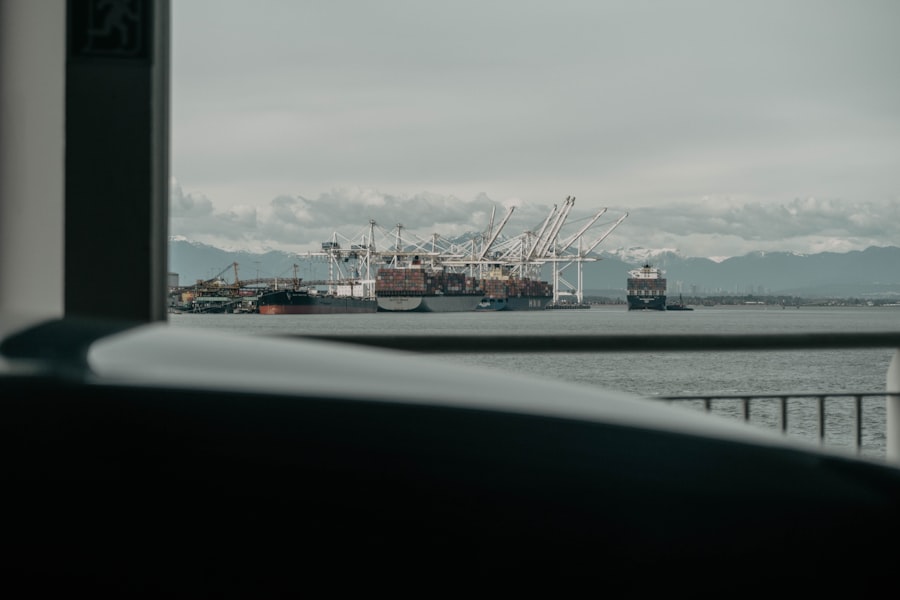
Despite advancements in technology, the human element remains a critical component of commercial shipping. Seafarers are often referred to as the unsung heroes of the industry, working tirelessly at sea for extended periods while facing numerous challenges. The life of a mariner is characterized by long hours, isolation, and demanding conditions, yet their dedication ensures that goods reach their destinations safely.
Mental health has emerged as a significant concern within the maritime community. The pressures of working at sea can take a toll on seafarers’ well-being, leading to issues such as anxiety and depression.
The Economic Importance of Commercial Shipping
The economic significance of commercial shipping cannot be overstated. As a vital link in global supply chains, it facilitates trade between nations and drives economic growth. The industry supports millions of jobs worldwide, from shipbuilding and maintenance to logistics and port operations.
In many countries, particularly those with extensive coastlines or strategic ports, shipping serves as a cornerstone of economic development. Moreover, commercial shipping contributes significantly to national economies through tax revenues and foreign exchange earnings. Countries that invest in their maritime infrastructure often see substantial returns in terms of increased trade volumes and enhanced competitiveness on the global stage.
As economies continue to recover from disruptions caused by events like the pandemic, the role of commercial shipping will be crucial in revitalizing international trade.
Environmental Regulations and Commercial Shipping
In response to growing environmental concerns, governments and international organizations have implemented a range of regulations aimed at reducing the ecological footprint of commercial shipping. The International Maritime Organization (IMO) has set ambitious targets for reducing greenhouse gas emissions from ships by at least 50% by 2050 compared to 2008 levels. These regulations compel shipping companies to adopt cleaner technologies and practices.
Compliance with these regulations often requires significant investment in research and development as well as retrofitting existing vessels with more efficient engines or alternative fuel systems. While these measures may pose challenges for some companies, they also present opportunities for innovation and leadership in sustainability within the industry.
The Future of Commercial Shipping
The future of commercial shipping is poised for transformation as it grapples with evolving demands from consumers, regulatory pressures, and technological advancements. The shift towards sustainability will likely accelerate as stakeholders recognize the importance of protecting marine ecosystems while meeting global trade needs. Innovations such as hydrogen fuel cells and wind-assisted propulsion systems are being explored as potential solutions for reducing emissions.
Furthermore, digitalization will continue to reshape operations within the industry. The integration of smart technologies will enhance efficiency and transparency throughout supply chains while enabling real-time monitoring of vessels and cargo. As these trends unfold, collaboration among industry players will be essential in navigating challenges and seizing opportunities for growth.
Personal Stories from the Commercial Shipping Industry
Behind every statistic lies a personal story that reflects the human experience within the commercial shipping industry. Seafarers often share tales of camaraderie forged at sea—bonds that transcend cultural differences as they work together towards a common goal. These stories highlight not only the challenges faced but also the resilience and determination that define life on board.
One seafarer recounted his experience during a particularly tumultuous voyage when a storm threatened their vessel’s safety. The crew’s unwavering teamwork ensured that they navigated through treacherous waters successfully. Such narratives serve as reminders that while technology plays an increasingly prominent role in shipping operations, it is ultimately human ingenuity and collaboration that drive success in this demanding field.
Conclusion and Reflections on Sea Change
As commercial shipping stands at a pivotal moment in its history, it faces both formidable challenges and exciting opportunities for growth and transformation. The sea change within this industry reflects broader societal shifts towards sustainability, technological innovation, and economic resilience. By embracing these changes while honoring the human element that underpins its operations, commercial shipping can navigate towards a more sustainable future.
In reflecting on this journey through time—from ancient maritime trade routes to modern container ships—one can appreciate not only the evolution of an industry but also its profound impact on global society. As stakeholders work together to address environmental concerns and enhance operational efficiency, they contribute to shaping a future where commercial shipping continues to thrive while safeguarding our oceans for generations to come.
For those interested in the intricacies of the commercial shipping industry, the documentary “The Shipping Chronicles” offers a deep dive into the challenges and innovations shaping global trade. To further explore this topic, you can read a related article that discusses the impact of modern logistics on shipping efficiency. Check it out here: The War Room.
WATCH THIS! 🌊 The Invisible Army That Controls Global Shipping
FAQs
What is the commercial shipping industry?
The commercial shipping industry involves the transportation of goods and cargo by sea using various types of vessels such as container ships, bulk carriers, tankers, and roll-on/roll-off ships. It plays a crucial role in global trade by moving large volumes of products between countries.
What topics are typically covered in a commercial shipping industry documentary?
Documentaries on the commercial shipping industry often cover topics such as the history of shipping, types of vessels, shipping routes, port operations, logistics, environmental impacts, technological advancements, maritime regulations, and the lives of seafarers.
Why is the commercial shipping industry important?
The commercial shipping industry is vital because it handles approximately 80-90% of global trade by volume. It enables the efficient and cost-effective movement of raw materials, manufactured goods, and energy resources, supporting economies worldwide.
What challenges does the commercial shipping industry face?
Key challenges include environmental regulations to reduce emissions, piracy and security threats, fluctuating fuel prices, labor shortages, port congestion, and adapting to new technologies such as automation and digitalization.
Who are the main players in the commercial shipping industry?
Main players include shipping companies (owners and operators), shipbuilders, port authorities, freight forwarders, maritime regulatory bodies, and international organizations like the International Maritime Organization (IMO).
How can I watch a commercial shipping industry documentary?
These documentaries can be found on streaming platforms, educational websites, maritime museum archives, and sometimes on television channels specializing in history, technology, or transportation content.
What impact does the commercial shipping industry have on the environment?
Shipping contributes to air pollution, greenhouse gas emissions, and marine pollution through oil spills and ballast water discharge. The industry is working to reduce its environmental footprint by adopting cleaner fuels, energy-efficient technologies, and stricter regulations.
Are there any famous commercial shipping industry documentaries?
Yes, some well-known documentaries explore various aspects of the industry, including the operation of mega container ships, the challenges of maritime logistics, and the lives of seafarers. Titles and availability vary by region and platform.
What role do seafarers play in the commercial shipping industry?
Seafarers operate and maintain ships, ensuring safe and efficient transportation of cargo. They work in various roles such as captains, engineers, deck officers, and ratings, often spending extended periods at sea.
How has technology influenced the commercial shipping industry?
Technology has improved navigation, communication, cargo handling, and vessel design. Innovations like GPS, automated systems, and digital tracking have enhanced safety, efficiency, and environmental performance in shipping operations.