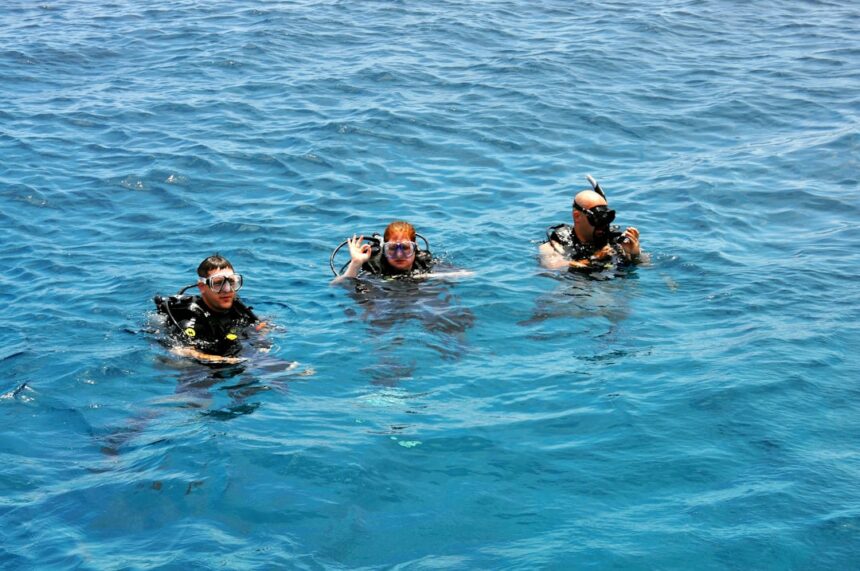
The shadowy depths of the ocean, often perceived as remote and untamed, played a critical, though largely clandestine, role during the Cold War. As geopolitical tensions escalated between the United States and the Soviet Union, the underwater domain became a silent battleground. This section delves into the intricate world of saturation diving, a technology that unlocked the extraordinary capabilities of humans to operate at extreme depths for prolonged periods, transforming the Cold War’s deep-sea strategies.
The concept of saturation diving emerged from the physiological understanding that the human body, when exposed to high pressures for an extended duration, becomes saturated with inert gases from the breathing mixture. Once saturated, the time required for decompression upon ascent is determined by the depth of the dive and the gas mixture used, not by the duration of the dive itself. This breakthrough offered a revolutionary solution to the previously prohibitive time limits imposed by conventional diving.
Early Physiological Challenges
Prior to saturation diving, conventional “bounce” dives, where divers descended and ascended within a short timeframe, were severely restricted by decompression sickness, often referred to as “the bends.” This excruciating and potentially fatal condition, caused by inert gases forming bubbles in the bloodstream and tissues upon ascent, necessitated lengthy decompression stops. Early deep dives were therefore fraught with risk and limited in scope.
Pioneering Research and Development
The initial theoretical frameworks for saturation diving were laid in the 1930s, but it was not until the 1950s and 1960s that practical applications began to materialize. Hannes Keller, a Swiss mathematician and diver, made significant strides, conducting experimental dives that pushed the boundaries of human endurance. These early efforts, though often perilous, demonstrated the potential for prolonged deep-sea habitation. In the United States, the U.S. Navy played a pivotal role in funding and developing saturation diving technologies, notably through projects like SEALAB, which aimed to establish underwater habitats and explore the physiological limits of divers.
Saturation diving played a crucial role during the Cold War, enabling deep-sea operations that were vital for military and intelligence purposes. For a deeper understanding of the strategic significance of saturation diving in this era, you can explore the article titled “Underwater Warfare: The Cold War’s Hidden Front” on In The War Room. This piece delves into the technological advancements and covert missions that defined underwater operations during this tense period. To read more, visit In The War Room.
Cold War Strategic Imperatives
The Cold War necessitated underwater capabilities unmatched in previous eras. Both superpowers sought to gain a decisive advantage in intelligence gathering, submarine warfare, and the deployment of advanced weaponry. Saturation diving, by enabling humans to perform complex tasks at depths previously inaccessible for extended periods, became a cornerstone of these strategic imperatives.
Submarine Warfare and Countermeasures
Submarines were the silent predators of the Cold War. Their stealth, coupled with the ability to carry nuclear missiles, made them instruments of both deterrence and potential first strike. Consequently, detecting, tracking, and neutralizing enemy submarines became paramount. Saturation divers were crucial for deploying and maintaining sophisticated hydrophone arrays, which acted as underwater ears, listening for the telltale sounds of submarine propellers. They also engaged in the clandestine recovery of sensitive equipment from downed aircraft or sunken vessels, providing invaluable intelligence.
Covert Operations and Intelligence Gathering
The deep sea offered a cloak of invisibility for clandestine operations. Saturation divers were deployed on highly classified missions, often under extreme secrecy. These operations included the tapping of underwater communication cables, a direct assault on the enemy’s ability to communicate securely. Such missions required immense precision, courage, and a thorough understanding of the deep-sea environment. The retrieval of debris from Soviet missile tests or reconnaissance flights also fell within the purview of saturation diver teams, offering a direct window into the adversary’s technological advancements.
The THRESHER and SCORPION Incidents
The tragic losses of the USS Thresher (1963) and USS Scorpion (1968), both nuclear-powered submarines that sank with all hands, underscored the critical need for deep-sea recovery and investigation capabilities. While the initial search and recovery efforts relied heavily on remotely operated vehicles (ROVs) and manned submersibles, the potential for saturation divers to inspect wreckage, identify critical components, and retrieve sensitive materials was highly valued, especially in scenarios where human dexterity and judgment were indispensable. These incidents, though devastating, inadvertently accelerated the development and deployment of saturation diving techniques for deep-ocean salvage.
Technologies and Techniques
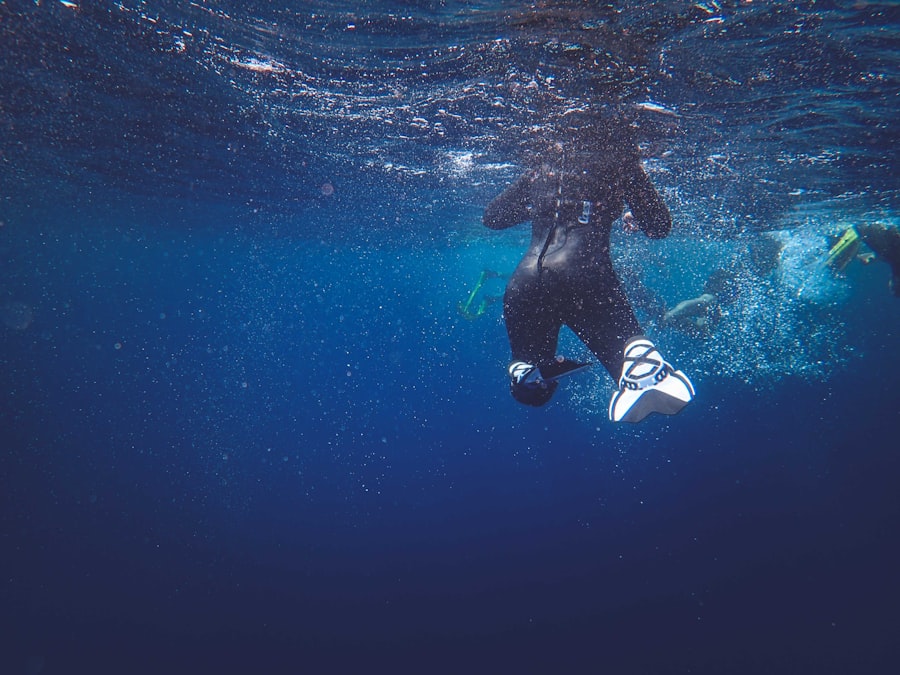
The development of saturation diving was inextricably linked to advancements in various fields, from metallurgy and gas chemistry to sophisticated life support systems. These technological leaps transformed the deep sea from an impassable barrier into a navigable, albeit challenging, domain for human activity.
Habitat Systems and Bell Diving
Central to saturation diving was the development of underwater habitats, such as the U.S. Navy’s SEALAB series and Jacques Cousteau’s Conshelf experiments. These pressurized environments allowed divers to live at depth for weeks or even months, bypassing the need for daily decompression. From these habitats, divers could exit into the ocean using smaller, mobile diving bells, which transported them to work sites and back, maintaining their saturated state. The diving bell acted as a crucial umbilical cord, linking the divers to their underwater home and to the surface support vessel.
Gas Mixtures and Decompression Protocols
The air we breathe at the surface, primarily nitrogen and oxygen, becomes toxic at high pressures. To counter this, specialized gas mixtures were developed. Helium, due to its low density and inertness, became a primary component for deep-sea breathing, replacing nitrogen to mitigate nitrogen narcosis and reduce density for easier breathing. However, helium presented its own challenges, such as heat loss and the “Donald Duck” voice effect from its high speed of sound propagating through the vocal cords. Precise decompression protocols, often involving gradual ascent over several days or even weeks, were meticulously calculated to prevent decompression sickness, making the process itself a complex scientific endeavor.
Surface Support and Life Support Systems
The success of saturation diving depended utterly on robust surface support. A dedicated vessel housed the habitats, decompression chambers, vital life support systems, and the teams of engineers, medical personnel, and diving supervisors. These systems managed the gas supplies, temperature control, waste management, and communication links, essentially replicating an entire terrestrial infrastructure in miniature to sustain human life in an alien environment. The integrity of these systems was paramount, as any failure could have catastrophic consequences for the divers at depth.
The Human Element: Resilience Under Pressure
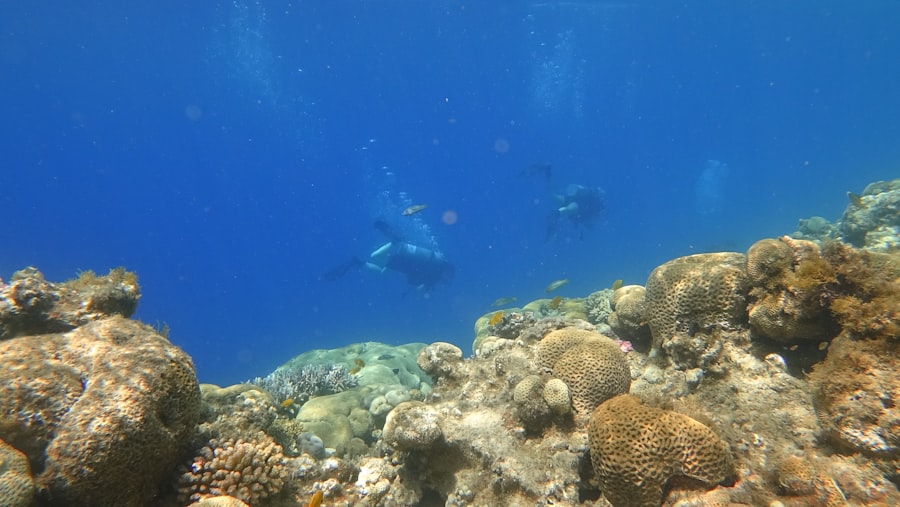
Beyond the technological marvels, the true testament to saturation diving lies in the extraordinary resilience and courage of the men and women who undertook these perilous missions. Their physical and psychological fortitude was pushed to the absolute limits in an environment designed to be hostile to human life.
Psychological Strain and Isolation
Living for extended periods in a cramped, dark, and artificially controlled environment, isolated from the surface world and exposed to constant risk, took a significant psychological toll. Divers faced sensory deprivation, the monotony of routine, and the ever-present threat of equipment failure or a medical emergency. Team cohesion and strong leadership were vital to navigate these challenges and maintain morale. The psychological screening of potential saturation divers was as rigorous as the physical.
Physical Demands and Risks
The physical demands were immense. Working at depth, even with specialized tools, was arduous. The dense environment made movement more difficult, and the cold, despite heated suits, was a constant adversary. The risks were manifold: equipment malfunction, fire in the habitat, loss of breathable gas, extreme weather affecting surface support, and the ever-present danger of decompression sickness if protocols were breached. Each dive was a calculated gamble against the unforgiving forces of the deep.
Training and Specialization
Saturation divers underwent extensive and highly specialized training. This included mastering complex gas mixture calculations, emergency procedures, equipment maintenance, and developing acute situational awareness. Beyond the technical skills, training instilled a deep sense of discipline, teamwork, and an unwavering commitment to safety. These divers were not merely individuals; they were highly integrated components of a sophisticated deep-sea ecosystem.
Saturation diving played a crucial role during the Cold War, enabling deep-sea operations that were vital for military and intelligence purposes. The techniques developed during this era not only advanced underwater exploration but also laid the groundwork for modern underwater technology. For a deeper understanding of the implications and advancements in underwater operations during this period, you can read more in this insightful article on the subject. If you’re interested in exploring the historical context and technological innovations, check out this related article.
Legacy and Beyond the Cold War
| Metric | Details |
|---|---|
| Time Period | 1947 – 1991 (Cold War Era) |
| Primary Users | US Navy, Soviet Navy, Commercial Diving Companies |
| Maximum Depth Achieved | Up to 600 feet (approx. 183 meters) |
| Typical Saturation Duration | Several days to weeks underwater |
| Gas Mixtures Used | Heliox (helium-oxygen), Hydreliox (helium-hydrogen-oxygen) |
| Purpose | Military reconnaissance, underwater construction, submarine rescue, scientific research |
| Decompression Time | Up to several days depending on depth and duration |
| Notable Achievements | Development of underwater habitats, extended underwater work periods, improved decompression protocols |
| Risks and Challenges | Decompression sickness, nitrogen narcosis, oxygen toxicity, equipment failure |
While the immediate pressures of the Cold War fueled much of its development, saturation diving’s legacy extends far beyond that era. Its principles and technologies continue to be applied in various sectors, demonstrating its enduring utility.
Commercial Applications
Today, saturation diving is indispensable in the offshore oil and gas industry. Divers perform critical tasks such as inspecting pipelines, maintaining platforms, and conducting repairs at depths inaccessible by ROVs or conventional diving. The economic rationale for prolonged deep-sea work, requiring human dexterity and problem-solving, ensures the continued demand for saturation diving services globally.
Scientific Research and Exploration
Scientists continue to utilize saturation diving (or highly specialized manned submersibles that draw on similar principles) for deep-sea research. This allows for direct observation of unique ecosystems, the collection of samples, and the deployment of scientific instruments in ways that robotic counterparts cannot always replicate. The exploration of hydrothermal vents, deep-sea trenches, and previously undiscovered species often relies on human presence at these extreme depths.
A Continuing Frontier
The deep ocean remains Earth’s last great frontier. While advancements in ROV and autonomous underwater vehicle (AUV) technology have reduced the need for human presence in some applications, there are still critical tasks where the human touch – intelligence, adaptability, and problem-solving – remains irreplaceable. Saturation diving, therefore, continues to evolve, pushing the boundaries of human endurance and technological innovation, a testament to the enduring human drive to explore and master the most challenging environments on our planet. The ghosts of Cold War deep-sea secrets whisper in the depths, but the techniques forged in that era continue to illuminate new paths into the ocean’s mysteries.
WATCH NOW ▶️ SHOCKING: Why the Seafloor Went Silent
FAQs
What is saturation diving?
Saturation diving is a diving technique that allows divers to live and work at great depths for extended periods by saturating their body tissues with inert gases, reducing the risk of decompression sickness.
How was saturation diving used during the Cold War?
During the Cold War, saturation diving was employed primarily for military and scientific purposes, including underwater reconnaissance, salvage operations, and the maintenance of submerged equipment such as sonar arrays and communication cables.
What were the main challenges faced by saturation divers in the Cold War era?
Saturation divers in the Cold War faced challenges such as limited technology, high risks of decompression sickness, psychological stress from prolonged underwater stays, and the dangers associated with deep-sea military operations.
Which countries were most involved in saturation diving during the Cold War?
The United States and the Soviet Union were the primary countries involved in saturation diving during the Cold War, using it to advance their naval capabilities and underwater research.
How did saturation diving technology evolve during the Cold War?
During the Cold War, saturation diving technology advanced significantly with improvements in diving suits, life support systems, decompression procedures, and underwater habitats, enabling longer and deeper dives with increased safety.