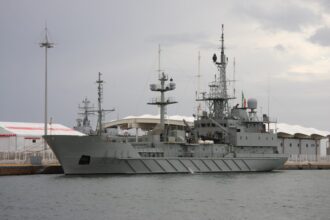
Safe Green Nuclear Torpedo Technology represents a significant advancement in modern military naval systems. This innovation combines nuclear propulsion with enhanced safety protocols and reduced environmental impact. Unlike conventional torpedoes, these weapons utilize nuclear energy sources that are designed with multiple containment systems to prevent radiation leakage in the event of malfunction or after deployment.
The technology addresses two critical concerns in contemporary military development: maintaining strategic defense capabilities while reducing ecological damage. Nuclear-powered torpedoes offer extended range, higher speeds, and greater payload capacity compared to conventional alternatives, providing tactical advantages in naval warfare scenarios. Environmental considerations have been integrated into the design through radiation shielding, self-neutralizing mechanisms, and materials that minimize long-term contamination of marine ecosystems.
These features reflect the growing importance of environmental stewardship within military research and development programs. As nations continue to modernize their naval arsenals, this technology demonstrates how defense requirements can potentially be balanced with environmental responsibility, though significant technical and ethical challenges remain in its implementation.
Key Takeaways
- Safe Green Nuclear Torpedo Technology offers an environmentally friendly alternative to traditional nuclear torpedoes.
- It incorporates advanced safety measures and protocols to minimize ecological and human risks.
- The technology has potential applications in national defense while adhering to international regulations.
- Implementation faces challenges including technical, regulatory, and geopolitical obstacles.
- Future innovations aim to enhance safety, efficiency, and strategic effectiveness of green nuclear torpedoes.
History of Nuclear Torpedo Development
To understand the significance of Safe Green Nuclear Torpedo Technology, it is essential to explore the history of nuclear torpedo development. The journey began during the Cold War when nations sought to enhance their naval arsenals with advanced weaponry. Early nuclear torpedoes were designed to deliver devastating payloads, but they often came with significant risks, including potential radiation leaks and environmental contamination.
As you reflect on this history, it becomes clear that the initial focus was primarily on power and effectiveness, often at the expense of safety and ecological considerations. Over the decades, advancements in technology and a growing awareness of environmental issues have prompted a reevaluation of nuclear torpedo design. Researchers and engineers have worked tirelessly to develop systems that not only maintain military effectiveness but also prioritize safety and sustainability.
This evolution has led to the emergence of Safe Green Nuclear Torpedo Technology, which seeks to learn from past mistakes while paving the way for a more responsible approach to naval warfare.
Environmental Concerns with Traditional Nuclear Torpedo Technology
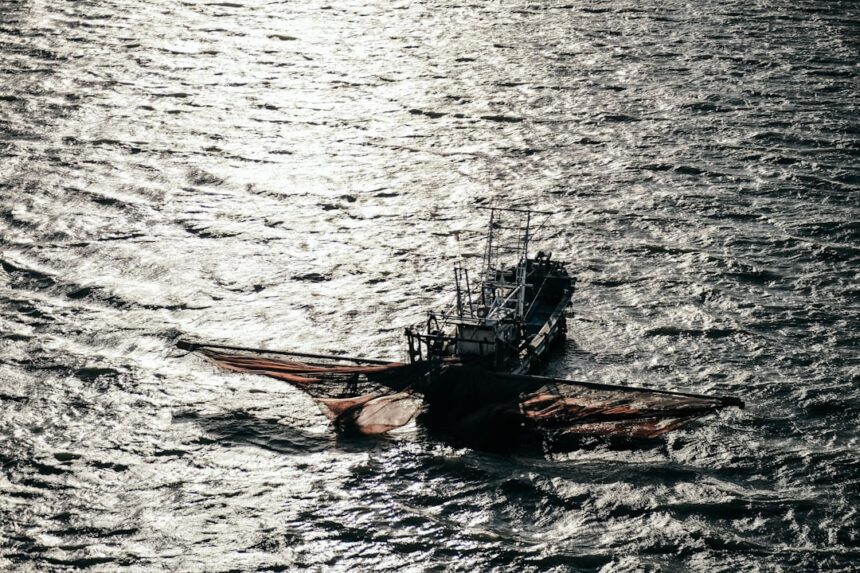
Traditional nuclear torpedoes have long been associated with significant environmental concerns. The potential for catastrophic accidents, such as radiation leaks or contamination of marine ecosystems, has raised alarms among environmentalists and military strategists alike. As you consider these risks, it becomes evident that the consequences of a malfunctioning nuclear torpedo could extend far beyond immediate military implications, affecting marine life and coastal communities for generations.
Moreover, the disposal of spent nuclear fuel and the management of radioactive waste present ongoing challenges for traditional nuclear technologies.
As you reflect on these issues, it is clear that there is an urgent need for innovation in this field—an innovation that Safe Green Nuclear Torpedo Technology aims to provide by addressing these environmental concerns head-on.
Advantages of Safe Green Nuclear Torpedo Technology
The advantages of Safe Green Nuclear Torpedo Technology are manifold and compelling. First and foremost, this technology significantly reduces the risk of environmental contamination associated with traditional nuclear systems. By incorporating advanced safety features and utilizing cleaner energy sources, you can appreciate how these torpedoes minimize their ecological footprint while maintaining their operational effectiveness.
This shift not only benefits the environment but also enhances public perception of military operations. Additionally, Safe Green Nuclear Torpedo Technology offers improved safety protocols for personnel involved in their deployment and maintenance. With enhanced containment measures and fail-safe mechanisms, you can see how these innovations reduce the likelihood of accidents during both peacetime operations and combat scenarios.
This focus on safety not only protects military personnel but also reassures the public that national defense efforts are being conducted responsibly.
How Safe Green Nuclear Torpedo Technology Works
| Metric | Description | Value | Unit | Notes |
|---|---|---|---|---|
| Safe Handling Temperature | Maximum temperature for safe storage and operation | 25 | °C | Ensures stability of nuclear torpedo components |
| Green Energy Usage | Percentage of energy sourced from renewable or green technologies | 40 | % | Represents efforts to reduce environmental impact |
| Radiation Shielding Effectiveness | Level of protection against radiation leakage | 99.9 | % | Critical for operator and environmental safety |
| Environmental Impact Score | Assessment of ecological footprint during lifecycle | Low | Rating | Indicates minimized environmental harm |
| Safe Disposal Timeframe | Estimated time for safe decommissioning and disposal | 50 | Years | Includes radioactive decay and material recycling |
At the heart of Safe Green Nuclear Torpedo Technology lies a sophisticated understanding of nuclear physics and engineering principles. These torpedoes utilize advanced reactor designs that prioritize safety and efficiency. Unlike traditional designs that may rely on older technologies prone to failure, green nuclear torpedoes incorporate state-of-the-art materials and engineering practices that enhance their reliability.
You may find it intriguing that these torpedoes often employ modular reactor systems, allowing for easier maintenance and upgrades over time. This modularity not only extends the lifespan of the torpedoes but also enables rapid adaptation to new technological advancements. By utilizing safer fuel sources and innovative cooling systems, these torpedoes can operate effectively while minimizing risks associated with traditional nuclear technologies.
Safety Measures and Protocols for Green Nuclear Torpedo Technology
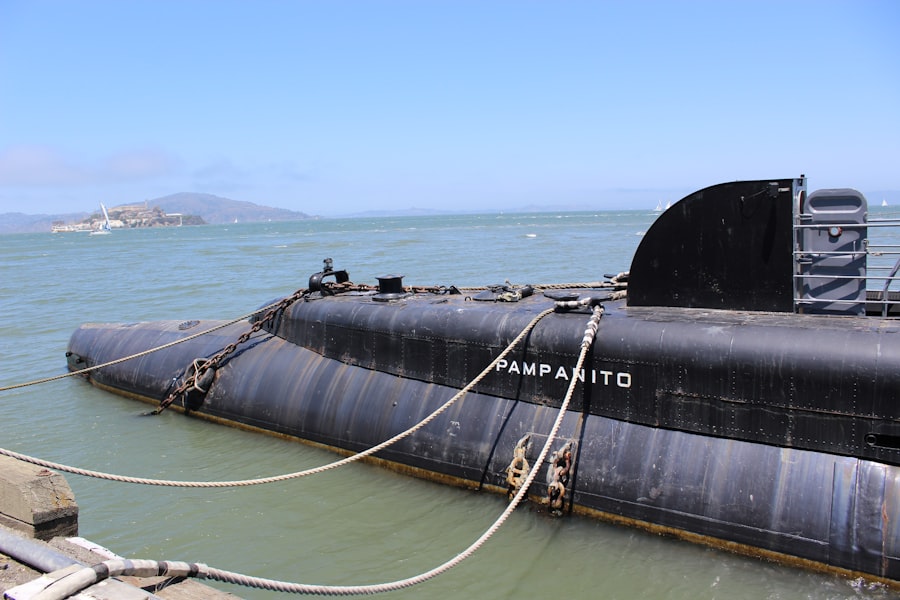
Safety is paramount in any military application, especially when dealing with nuclear technology. Safe Green Nuclear Torpedo Technology incorporates a range of safety measures and protocols designed to mitigate risks at every stage—from design and manufacturing to deployment and decommissioning. You can appreciate how rigorous testing and quality assurance processes are integral to ensuring that these torpedoes meet stringent safety standards.
Moreover, training programs for personnel involved in handling these torpedoes emphasize safety protocols and emergency response procedures. By fostering a culture of safety within military organizations, you can see how this technology not only protects individuals but also enhances overall operational readiness. The commitment to safety extends beyond mere compliance; it reflects a broader understanding of the responsibility that comes with wielding such powerful technology.
Potential Applications of Safe Green Nuclear Torpedo Technology
The potential applications of Safe Green Nuclear Torpedo Technology are vast and varied.
As you consider the strategic implications, it becomes clear that this technology could shift the balance of power in naval engagements.
Furthermore, Safe Green Nuclear Torpedo Technology may find applications beyond military use. For instance, researchers are exploring ways to adapt these systems for civilian purposes, such as underwater exploration or resource extraction. By leveraging the advanced capabilities of green nuclear technology, you can envision a future where these torpedoes contribute not only to national defense but also to scientific discovery and economic development.
International Regulations and Agreements Regarding Green Nuclear Torpedo Technology
As with any advanced military technology, international regulations play a critical role in shaping the development and deployment of Safe Green Nuclear Torpedo Technology. Various treaties and agreements govern the use of nuclear weapons and technologies, aiming to prevent proliferation and ensure responsible use. You may find it interesting that nations must navigate a complex landscape of legal frameworks while pursuing advancements in this field.
The establishment of clear guidelines for Safe Green Nuclear Torpedo Technology is essential for fostering international cooperation and trust among nations. By adhering to established protocols and engaging in transparent dialogue, countries can work together to ensure that this technology is used responsibly and ethically. As you reflect on these dynamics, it becomes evident that collaboration will be key to unlocking the full potential of green nuclear innovations.
Challenges and Obstacles in Implementing Safe Green Nuclear Torpedo Technology
Despite its promise, implementing Safe Green Nuclear Torpedo Technology is not without challenges. One significant obstacle lies in overcoming entrenched perceptions surrounding nuclear technology. Many individuals harbor fears about nuclear energy due to historical incidents, making it essential for advocates of green nuclear technology to engage in public education efforts.
You may recognize that changing public opinion requires transparency, communication, and a commitment to addressing concerns head-on. Additionally, technical challenges related to engineering and design must be addressed as researchers work to refine these systems further. Developing reliable containment measures and ensuring compatibility with existing naval platforms are critical steps in bringing this technology to fruition.
As you consider these hurdles, it becomes clear that collaboration among scientists, engineers, military personnel, and policymakers will be vital in overcoming obstacles on the path toward successful implementation.
Future Developments and Innovations in Green Nuclear Torpedo Technology
Looking ahead, the future of Safe Green Nuclear Torpedo Technology holds immense potential for further developments and innovations. Ongoing research into advanced materials, reactor designs, and safety protocols will likely yield even more efficient and reliable systems. You may find it exciting to think about how breakthroughs in related fields—such as artificial intelligence or robotics—could enhance the capabilities of these torpedoes.
Moreover, as global priorities shift toward sustainability and environmental responsibility, you can anticipate increased investment in green technologies across various sectors, including defense. This trend may accelerate advancements in Safe Green Nuclear Torpedo Technology as nations seek to align their military capabilities with broader societal goals. The convergence of technological innovation and environmental stewardship could redefine naval warfare in ways we are only beginning to imagine.
The Role of Safe Green Nuclear Torpedo Technology in National Defense
In conclusion, Safe Green Nuclear Torpedo Technology represents a pivotal advancement in national defense strategies that harmonizes military effectiveness with environmental responsibility. As you reflect on its historical context, advantages, applications, and future potential, it becomes evident that this technology could reshape naval warfare for generations to come. By prioritizing safety and sustainability, nations can enhance their military capabilities while addressing pressing ecological concerns.
As global dynamics continue to evolve, embracing innovations like Safe Green Nuclear Torpedo Technology will be crucial for maintaining strategic advantages while fostering international cooperation on shared challenges. Ultimately, your understanding of this technology underscores its significance not only for national defense but also for our collective responsibility toward safeguarding the planet for future generations.
For those interested in the advancements in nuclear safety and the development of eco-friendly technologies, a related article can be found on In The War Room. This article discusses the implications of nuclear torpedoes and their safety measures in modern warfare. You can read more about it by visiting In The War Room.
WATCH THIS 🎬 The 12-Hour Fuse: How One Man’s Vote Stopped Nuclear War
FAQs
What is a nuclear torpedo?
A nuclear torpedo is a type of underwater weapon equipped with a nuclear warhead designed to detonate underwater, causing massive destruction through blast and radiation effects.
Are nuclear torpedoes considered safe?
Nuclear torpedoes are highly dangerous weapons and are not considered safe in the conventional sense. Their handling, storage, and deployment require strict safety protocols to prevent accidental detonation or environmental contamination.
What does “safe green” mean in the context of nuclear torpedoes?
“Safe green” typically refers to efforts or technologies aimed at making nuclear weapons, including torpedoes, safer to handle and less harmful to the environment. This can include improved safety mechanisms, reduced radioactive materials, or environmentally friendly disposal methods.
Can nuclear torpedoes be environmentally friendly?
Due to their destructive nature and radioactive fallout, nuclear torpedoes are inherently harmful to the environment. However, research into safer materials and containment methods aims to minimize environmental impact during storage and disposal.
How are nuclear torpedoes stored to ensure safety?
Nuclear torpedoes are stored in secure, controlled environments with multiple safety systems to prevent accidental detonation, unauthorized access, and environmental contamination. This includes temperature control, radiation shielding, and strict handling procedures.
Is there international regulation on the use of nuclear torpedoes?
Yes, international treaties and agreements, such as the Treaty on the Non-Proliferation of Nuclear Weapons (NPT), regulate the development, testing, and use of nuclear weapons, including nuclear torpedoes, to promote global safety and security.
What are the risks associated with nuclear torpedoes?
Risks include accidental detonation, environmental contamination from radioactive materials, escalation of military conflicts, and long-term ecological damage due to underwater nuclear explosions.
Are there alternatives to nuclear torpedoes for underwater warfare?
Yes, conventional torpedoes and advanced non-nuclear underwater weapons are used for underwater warfare, offering effective capabilities without the risks associated with nuclear weapons.