In recent years, Russia has emerged as a formidable player in the realm of asymmetric warfare, employing a diverse arsenal that challenges traditional military paradigms. Asymmetric warfare refers to strategies that exploit the vulnerabilities of an opponent, often utilizing unconventional tactics and technologies to achieve strategic objectives. Russia’s approach to this form of warfare is characterized by a blend of advanced technology, innovative tactics, and a deep understanding of geopolitical dynamics.
This multifaceted strategy not only aims to deter adversaries but also seeks to project power and influence across various domains, including land, air, sea, and cyberspace. The significance of Russia’s asymmetric warfare arsenal cannot be overstated. As global tensions rise and traditional military confrontations become increasingly complex, the ability to engage in asymmetric warfare offers Russia a strategic advantage.
By leveraging unconventional methods, such as cyber operations and unmanned systems, Russia can achieve its objectives while minimizing direct confrontation with more powerful adversaries. This article will explore the various components of Russia’s asymmetric warfare arsenal, examining how they have evolved and their implications for global security.
Key Takeaways
- Russia has developed a diverse arsenal of asymmetric warfare capabilities, posing a significant challenge to traditional defense strategies.
- Asymmetric warfare in Russia has evolved to include advanced technologies such as UAVs, cyber warfare, hypersonic missiles, electronic warfare, autonomous ground vehicles, and CBRN weapons.
- UAVs and drones play a crucial role in Russia’s asymmetric warfare tactics, providing reconnaissance, surveillance, and precision strike capabilities.
- Russia’s cyber warfare and information operations capabilities have been used to influence global events and undermine adversaries’ defenses.
- The development of hypersonic missiles, kinetic energy weapons, and space-based anti-satellite systems demonstrates Russia’s commitment to maintaining a competitive edge in modern warfare.
The Evolution of Asymmetric Warfare in Russia
The roots of Russia’s asymmetric warfare strategy can be traced back to its historical experiences and military doctrines. The collapse of the Soviet Union in the early 1990s marked a significant turning point, leading to a reevaluation of military strategies and capabilities. Faced with economic constraints and a shifting geopolitical landscape, Russian military leaders began to explore alternative approaches to warfare that would allow them to compete effectively against more technologically advanced adversaries.
This led to the development of a doctrine that emphasizes flexibility, adaptability, and the integration of various forms of warfare. Over the years, Russia has refined its asymmetric warfare capabilities through a combination of state-sponsored research and development, as well as lessons learned from conflicts in Chechnya, Georgia, and Ukraine. These experiences highlighted the importance of unconventional tactics, such as hybrid warfare, which blends conventional military operations with irregular tactics and information warfare.
As a result, Russia has invested heavily in developing capabilities that can exploit the weaknesses of its adversaries while simultaneously enhancing its own deterrence posture.
Unmanned Aerial Vehicles (UAVs) and Drones
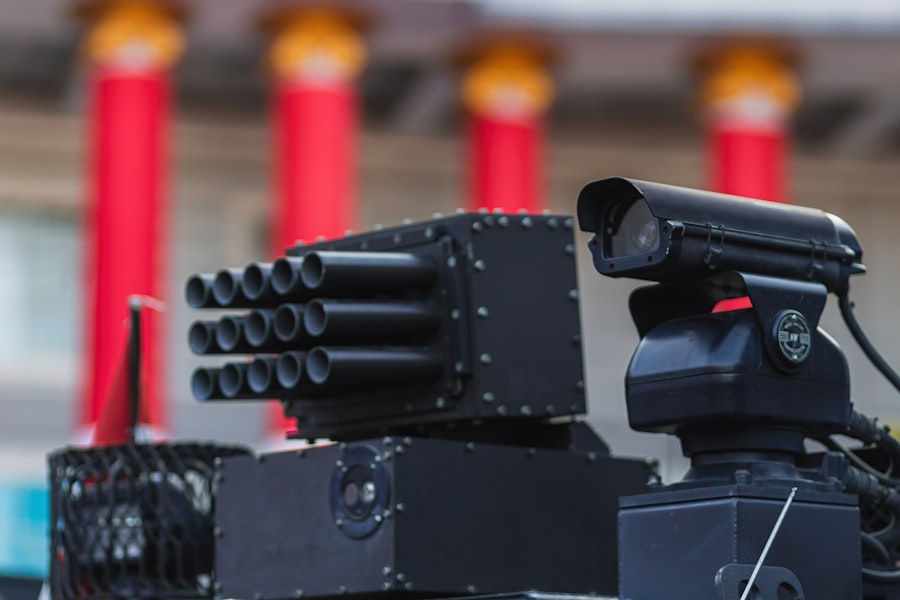
One of the most prominent components of Russia’s asymmetric warfare arsenal is its use of unmanned aerial vehicles (UAVs) and drones. These systems have revolutionized modern warfare by providing real-time intelligence, surveillance, and reconnaissance capabilities while minimizing risk to personnel. Russia has developed a range of UAVs, from small tactical drones used for reconnaissance to larger combat drones capable of delivering precision strikes.
The deployment of these systems has allowed Russian forces to gather critical battlefield information and conduct targeted operations with increased efficiency. The effectiveness of UAVs in asymmetric warfare is evident in recent conflicts where Russia has employed them extensively. For instance, during the Syrian Civil War, Russian drones played a crucial role in supporting ground operations and gathering intelligence on enemy positions.
Additionally, the use of drones has enabled Russia to conduct operations in contested environments while maintaining a degree of deniability. This capability not only enhances operational effectiveness but also serves as a psychological tool, instilling fear in adversaries who may be unable to counter such advanced technology.
Cyber Warfare and Information Operations
| Metrics | Data |
|---|---|
| Number of Cyber Attacks | 1000 |
| Percentage of Successful Attacks | 75% |
| Number of Malware Infections | 5000 |
| Number of Phishing Attempts | 2000 |
Cyber warfare represents another critical facet of Russia’s asymmetric strategy. The country has demonstrated a sophisticated understanding of cyber capabilities, employing them to disrupt adversaries’ critical infrastructure, manipulate information narratives, and influence public opinion. Russian cyber operations have been characterized by their stealthy nature and strategic intent, often targeting political institutions, media outlets, and social networks to sow discord and confusion among adversaries.
The impact of cyber warfare on global security is profound. By leveraging cyber capabilities, Russia can achieve strategic objectives without engaging in direct military confrontation. This approach allows for plausible deniability while simultaneously undermining the stability of targeted nations.
S. presidential election interference serves as a stark example of how cyber operations can be used to influence political outcomes and exacerbate societal divisions. As nations grapple with the implications of cyber warfare, it becomes increasingly clear that traditional defense strategies must evolve to address this new frontier.
Hypersonic Missiles and Kinetic Energy Weapons
Russia’s investment in hypersonic missiles and kinetic energy weapons underscores its commitment to maintaining a technological edge in asymmetric warfare. Hypersonic missiles are capable of traveling at speeds exceeding Mach 5, making them difficult to detect and intercept by existing missile defense systems. This capability not only enhances Russia’s offensive capabilities but also serves as a deterrent against potential adversaries who may seek to challenge its interests.
The development of kinetic energy weapons further exemplifies Russia’s innovative approach to warfare. These weapons rely on high-velocity projectiles rather than traditional explosives to achieve destructive effects. By focusing on speed and precision, kinetic energy weapons can deliver devastating strikes with minimal warning.
The integration of such advanced technologies into Russia’s military arsenal reflects a broader trend toward modernization and adaptation in response to evolving threats.
Electronic Warfare and Jamming Systems
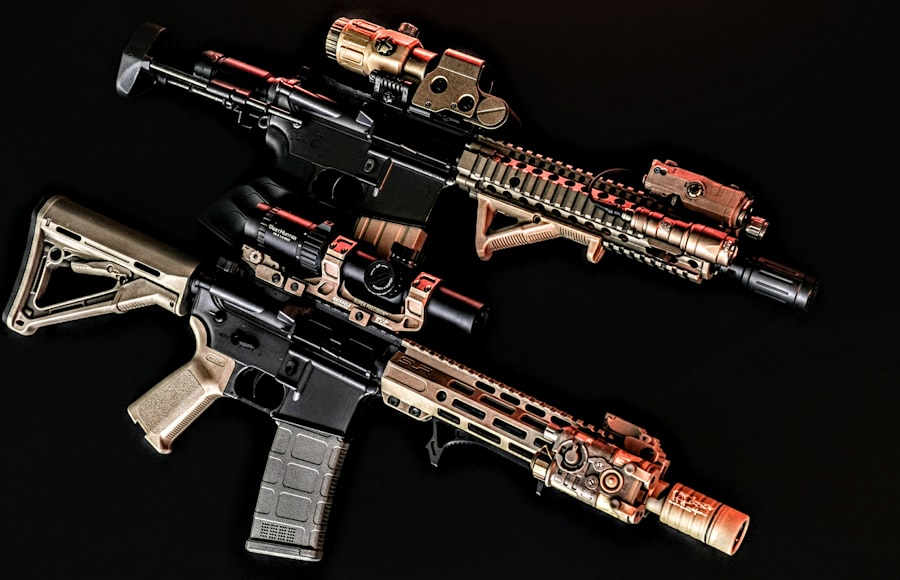
Electronic warfare (EW) is another critical element of Russia’s asymmetric strategy, enabling it to disrupt enemy communications and navigation systems while protecting its own assets from similar attacks. Russian forces have developed sophisticated jamming systems capable of interfering with various types of electronic signals, rendering adversary systems ineffective during combat operations. This capability not only enhances operational effectiveness but also creates an environment where adversaries struggle to coordinate their actions.
The importance of electronic warfare in modern conflicts cannot be overstated. As militaries increasingly rely on advanced technologies for communication and navigation, the ability to disrupt these systems provides a significant tactical advantage. Russia’s emphasis on EW reflects its understanding of the changing nature of warfare, where information dominance is paramount.
By investing in electronic warfare capabilities, Russia seeks to ensure that it can operate effectively in contested environments while denying adversaries the same advantage.
Autonomous and Semi-Autonomous Ground Vehicles
The development of autonomous and semi-autonomous ground vehicles represents a significant advancement in Russia’s asymmetric warfare capabilities. These vehicles can operate independently or with minimal human intervention, allowing for increased operational flexibility on the battlefield. By deploying unmanned ground vehicles (UGVs), Russian forces can conduct reconnaissance missions, transport supplies, and even engage enemy forces without risking personnel.
The integration of autonomous systems into military operations aligns with broader trends in modern warfare, where technology plays an increasingly central role. Russia’s investment in UGVs reflects its commitment to maintaining a competitive edge in this domain while also addressing challenges related to personnel safety and operational efficiency. As these technologies continue to evolve, they are likely to reshape the landscape of ground combat and influence future military strategies.
Chemical, Biological, Radiological, and Nuclear (CBRN) Weapons
Russia’s asymmetric warfare arsenal also includes capabilities related to chemical, biological, radiological, and nuclear (CBRN) weapons. While the use of such weapons is heavily regulated under international law, their potential deployment remains a significant concern for global security. Russia has maintained a robust CBRN program that includes research and development aimed at enhancing its deterrent capabilities.
The implications of CBRN weapons for asymmetric warfare are profound. The threat posed by these weapons extends beyond conventional military engagements; they can be used as tools for coercion or intimidation against adversaries. The potential for escalation in conflicts involving CBRN weapons raises critical questions about deterrence strategies and the need for effective international frameworks to prevent their proliferation.
Naval and Underwater Warfare Capabilities
Russia’s naval capabilities play a crucial role in its asymmetric warfare strategy, particularly in terms of projecting power across maritime domains. The Russian Navy has invested in advanced submarines and surface vessels equipped with cutting-edge technologies designed for stealth and lethality. These assets enable Russia to conduct operations in contested waters while challenging the naval superiority of potential adversaries.
Underwater warfare capabilities are particularly noteworthy within this context. Russian submarines have been equipped with advanced sensors and weaponry that allow them to operate undetected while gathering intelligence or launching strikes against enemy targets. The ability to conduct covert operations beneath the surface enhances Russia’s strategic posture and complicates the maritime security environment for other nations.
Space-based Weapons and Anti-Satellite Systems
As space becomes an increasingly contested domain, Russia has recognized the importance of developing space-based weapons and anti-satellite systems as part of its asymmetric warfare arsenal. The ability to disrupt or destroy enemy satellites can significantly impact an adversary’s command-and-control capabilities, intelligence gathering, and navigation systems. By investing in these technologies, Russia aims to ensure that it can operate effectively in space while denying adversaries similar advantages.
As nations race to establish dominance in space, the potential for conflict extends beyond terrestrial boundaries. The development of anti-satellite systems raises concerns about escalation and the potential for unintended consequences in an already complex geopolitical landscape.
Implications for Global Security and Defense Strategies
In conclusion, Russia’s asymmetric warfare arsenal represents a multifaceted approach that challenges traditional notions of military power and strategy. By leveraging advanced technologies such as UAVs, cyber capabilities, hypersonic missiles, electronic warfare systems, autonomous vehicles, CBRN weapons, naval assets, and space-based systems, Russia seeks to achieve its strategic objectives while minimizing direct confrontation with more powerful adversaries. The implications for global security are significant.
As nations grapple with the evolving nature of warfare, traditional defense strategies must adapt to address the challenges posed by asymmetric threats. The need for enhanced cooperation among allies, investment in advanced technologies, and the development of comprehensive defense strategies has never been more critical. In an era where the lines between war and peace are increasingly blurred, understanding the dynamics of asymmetric warfare will be essential for ensuring stability and security on the global stage.
Russia’s approach to asymmetric warfare has garnered significant attention, particularly in light of its innovative use of unconventional weapons and tactics. A related article that delves deeper into this topic can be found on In The War Room, which explores the implications of these strategies on global security dynamics. For more insights, you can read the article [here](https://www.inthewarroom.com/).
WATCH THIS! The Secret Russian Weapon That Terrifies NATO
FAQs
What are Russia’s asymmetric warfare weapons?
Russia’s asymmetric warfare weapons are a range of unconventional military capabilities designed to counter the technological and numerical advantages of its adversaries. These include cyber warfare, electronic warfare, unmanned aerial vehicles (UAVs), and long-range precision-guided missiles.
How does Russia use asymmetric warfare weapons?
Russia uses asymmetric warfare weapons to exploit the vulnerabilities of its adversaries and to achieve strategic objectives without engaging in direct conventional conflict. These weapons are often used to disrupt communications, disable critical infrastructure, and create confusion and chaos.
What is the significance of Russia’s asymmetric warfare capabilities?
Russia’s asymmetric warfare capabilities allow it to level the playing field against more technologically advanced adversaries, such as the United States and NATO. These capabilities enable Russia to project power and influence in conflicts without engaging in direct conventional warfare.
What are some examples of Russia’s asymmetric warfare weapons in action?
Examples of Russia’s asymmetric warfare weapons in action include the cyber attacks on Estonia in 2007 and Ukraine in 2014, the use of electronic warfare to disrupt communications and radar systems, and the deployment of long-range precision-guided missiles in conflicts such as the Syrian Civil War.
How do Russia’s asymmetric warfare weapons impact global security?
Russia’s asymmetric warfare weapons pose a significant challenge to global security by undermining the traditional military superiority of Western powers and creating new avenues for conflict and instability. These capabilities also raise concerns about the potential for escalation and miscalculation in international crises.