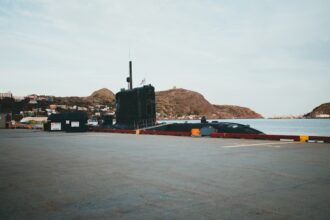
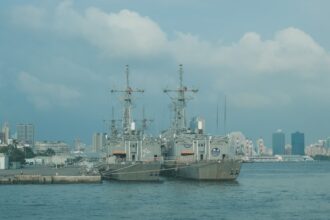
The Russian Northern Fleet, one of the most formidable naval forces in the world, plays a crucial role in the defense and strategic operations of the Russian Federation. Established in 1733, this fleet has evolved significantly over the centuries, adapting to the changing geopolitical landscape and technological advancements. Its primary base is located in Severomorsk, a port city on the Kola Peninsula, which provides a strategic vantage point for operations in the Arctic and beyond.
The Northern Fleet is not only a symbol of Russia’s naval power but also a key player in securing its national interests in the increasingly contested Arctic region. As global attention shifts towards the Arctic due to climate change and melting ice caps, the Northern Fleet’s significance has grown exponentially. The fleet is tasked with safeguarding Russia’s maritime borders, conducting military exercises, and asserting its presence in a region that is becoming increasingly vital for trade routes and natural resources.
The Northern Fleet’s capabilities encompass a wide range of naval assets, including submarines, surface ships, and aircraft, all of which are essential for maintaining Russia’s strategic posture in the Arctic.
Key Takeaways
- The Russian Northern Fleet plays a crucial role in securing Russia’s strategic interests in the Arctic region.
- The Arctic holds significant historical, geopolitical, and economic importance for Russia and global powers.
- The Fleet faces challenges including harsh environmental conditions, logistical difficulties, and international competition.
- Russia is expanding and modernizing the Northern Fleet to enhance its operational capabilities in the Arctic.
- The Fleet’s activities impact regional security dynamics and contribute to broader global geopolitical tensions.
Historical significance of the Arctic region for Russia
The Arctic region has long held historical significance for Russia, serving as both a frontier and a source of resources. From the time of Peter the Great, who sought to expand Russia’s influence over northern waters, the Arctic has been viewed as a critical area for national security and economic development. The vast expanse of the Arctic Ocean and its surrounding territories are rich in natural resources, including oil, gas, and minerals, which have become increasingly accessible due to climate change.
This accessibility has heightened Russia’s interest in asserting its sovereignty over these resources. Throughout history, Russia has engaged in various expeditions and military campaigns in the Arctic, establishing a presence that has evolved into a comprehensive strategy for resource extraction and territorial claims.
Today, as melting ice opens new shipping routes and resource opportunities, Russia’s historical ties to the Arctic are being leveraged to bolster its claims and enhance its strategic posture.
Strategic operations and capabilities of the Russian Northern Fleet

The strategic operations of the Russian Northern Fleet are multifaceted, encompassing defense, deterrence, and power projection. The fleet is equipped with advanced submarines capable of launching nuclear missiles, surface combatants designed for anti-air and anti-submarine warfare, and support vessels that enhance operational flexibility. This diverse array of capabilities allows the Northern Fleet to conduct a wide range of missions, from traditional naval warfare to humanitarian assistance and search-and-rescue operations.
In recent years, the Northern Fleet has conducted numerous exercises aimed at demonstrating its readiness to respond to potential threats in the Arctic. These exercises often involve joint operations with other branches of the Russian military and showcase the fleet’s ability to operate in harsh Arctic conditions. The integration of modern technology, such as unmanned aerial vehicles (UAVs) and advanced surveillance systems, further enhances the fleet’s operational effectiveness.
As tensions rise in the region, the Northern Fleet’s strategic capabilities are increasingly viewed as essential for maintaining Russia’s influence and ensuring national security.
Importance of the Arctic for global geopolitics
The Arctic region has emerged as a focal point for global geopolitics, driven by its vast natural resources and strategic shipping routes. As climate change continues to alter the landscape, previously inaccessible areas are becoming open for exploration and exploitation. This shift has attracted the attention of not only Russia but also other nations with interests in the region, including Canada, the United States, Norway, and Denmark.
The competition for resources such as oil and gas reserves is intensifying, leading to heightened tensions among Arctic states. Moreover, the melting ice caps are opening up new maritime routes that could significantly shorten shipping times between Europe and Asia. The Northern Sea Route, which runs along Russia’s northern coast, is becoming increasingly viable for commercial shipping.
This development presents both opportunities and challenges for global trade dynamics. As nations vie for control over these routes and resources, the geopolitical landscape of the Arctic is evolving rapidly, making it a critical area for international diplomacy and security considerations.
Russian Northern Fleet’s role in securing Russia’s Arctic interests
| Metric | Details |
|---|---|
| Primary Objective | Control of the Arctic region and securing Russia’s northern maritime borders |
| Fleet Composition | Includes nuclear-powered submarines, icebreakers, surface combatants, and support vessels |
| Strategic Bases | Severomorsk, Murmansk, and other Arctic ports |
| Key Capabilities | Ice navigation, long-range missile deployment, anti-submarine warfare, and Arctic patrols |
| Recent Modernization Efforts | Introduction of Borei-class submarines, modernization of surface ships, and enhanced Arctic infrastructure |
| Operational Focus | Deterrence of NATO forces, protection of Northern Sea Route, and securing strategic nuclear assets |
| Annual Exercises | Regular large-scale naval drills in the Arctic region to test readiness and interoperability |
| Challenges | Harsh Arctic conditions, logistical constraints, and increasing NATO presence |
The Russian Northern Fleet plays a pivotal role in securing Russia’s interests in the Arctic by asserting its presence and protecting its territorial claims. The fleet conducts regular patrols along key maritime routes and engages in military exercises that demonstrate its readiness to respond to any potential threats. This proactive approach serves not only to deter adversaries but also to reassure domestic stakeholders of Russia’s commitment to safeguarding its northern borders.
In addition to military operations, the Northern Fleet is involved in various initiatives aimed at enhancing Russia’s economic interests in the Arctic. This includes supporting resource extraction efforts by providing logistical support to oil and gas companies operating in remote areas. The fleet’s capabilities enable it to facilitate safe navigation through challenging ice conditions while ensuring that Russian sovereignty over these resources is maintained.
As competition intensifies in the region, the Northern Fleet’s role as a guardian of Russia’s Arctic interests becomes increasingly vital.
Challenges and obstacles faced by the Russian Northern Fleet in the Arctic

Despite its formidable capabilities, the Russian Northern Fleet faces several challenges and obstacles in its operations within the Arctic region. One significant challenge is the harsh environmental conditions that characterize this part of the world. Extreme cold temperatures, ice-covered waters, and unpredictable weather patterns can hinder naval operations and pose risks to personnel and equipment.
The fleet must continually adapt its strategies and technologies to navigate these challenges effectively. Additionally, geopolitical tensions with other Arctic nations present another layer of complexity for the Northern Fleet. As countries assert their claims over disputed territories and resources, incidents involving military encounters or diplomatic disputes can arise.
The potential for miscalculations or misunderstandings increases as military activities intensify in this sensitive region. Balancing assertiveness with diplomacy is crucial for Russia as it seeks to maintain its interests while avoiding escalation with other Arctic states.
International cooperation and competition in the Arctic region
The Arctic region is characterized by a unique blend of international cooperation and competition among various stakeholders. While nations like Russia have engaged in military buildup to assert their claims, there are also frameworks for collaboration aimed at addressing shared challenges such as climate change and environmental protection. Organizations like the Arctic Council facilitate dialogue among Arctic states and indigenous communities, promoting cooperation on issues ranging from scientific research to sustainable development.
However, competition remains a driving force in the region as countries seek to secure their interests amid changing geopolitical dynamics. The presence of non-Arctic states seeking influence further complicates this landscape. As nations navigate this duality of cooperation and competition, finding common ground will be essential for ensuring stability and security in the Arctic.
Environmental concerns and the Russian Northern Fleet’s operations in the Arctic
Environmental concerns are increasingly at the forefront of discussions surrounding the Russian Northern Fleet’s operations in the Arctic. The delicate ecosystem of this region is vulnerable to disruptions caused by military activities, resource extraction, and climate change. As melting ice opens up new opportunities for exploration, there is growing apprehension about potential ecological impacts resulting from increased human activity.
The Russian government has recognized these concerns and has made commitments to environmental protection in its Arctic strategy. However, balancing economic interests with environmental stewardship poses significant challenges. The Northern Fleet must navigate these complexities while ensuring that its operations do not exacerbate existing environmental issues or lead to irreversible damage to fragile ecosystems.
Future developments and expansion of the Russian Northern Fleet’s presence in the Arctic
Looking ahead, future developments regarding the Russian Northern Fleet’s presence in the Arctic are likely to be shaped by both strategic imperatives and technological advancements. As competition intensifies among Arctic nations, Russia is expected to continue investing in its naval capabilities to enhance its operational readiness. This may include modernizing existing vessels, acquiring new technologies such as icebreakers capable of navigating through thick ice, and expanding infrastructure along key maritime routes.
Furthermore, as climate change continues to reshape the Arctic landscape, new opportunities for resource extraction will emerge. The Northern Fleet will play a crucial role in supporting these endeavors while ensuring that Russia maintains control over its territorial claims. The interplay between military readiness and economic development will define the future trajectory of Russia’s Arctic strategy.
Impact of the Russian Northern Fleet’s operations on regional and global security
The operations of the Russian Northern Fleet have significant implications for both regional and global security dynamics. As Russia asserts its presence in the Arctic through military exercises and patrols, neighboring countries are compelled to respond by enhancing their own military capabilities or engaging in diplomatic efforts to counterbalance Russian influence. This can lead to an arms race or increased tensions among Arctic states.
On a broader scale, developments in the Arctic have ramifications beyond regional borders. The strategic importance of shipping routes and resource access means that actions taken by one nation can reverberate throughout global markets and international relations. As such, understanding the implications of the Northern Fleet’s operations is essential for policymakers seeking to navigate this complex geopolitical landscape.
The evolving role of the Russian Northern Fleet in the Arctic
In conclusion, the Russian Northern Fleet stands at a critical juncture as it navigates an evolving geopolitical landscape marked by competition and cooperation in the Arctic region. Its historical significance, strategic capabilities, and role in securing national interests underscore its importance within Russia’s broader security framework. As climate change continues to reshape opportunities within this fragile environment, balancing economic ambitions with environmental stewardship will be paramount.
The future trajectory of the Northern Fleet will likely be influenced by ongoing developments both within Russia and among other Arctic nations. As tensions rise over territorial claims and resource access, finding pathways for dialogue will be essential for maintaining stability in this vital region. Ultimately, how Russia manages its Northern Fleet’s operations will have lasting implications not only for regional security but also for global geopolitics as nations grapple with an increasingly interconnected world shaped by climate change and shifting power dynamics.
The strategic developments of the Russian Northern Fleet have garnered significant attention in recent military analyses. A related article that delves into the implications of these strategies can be found on In The War Room, which provides a comprehensive overview of naval power dynamics in the Arctic region. For more insights, you can read the article [here](https://www.
com/).
WATCH THIS! 🎬 America’s Nuclear City Was a Lie: The Russian Base That Made Iceworm Obsolete
FAQs
What is the primary objective of the Russian Northern Fleet?
The primary objective of the Russian Northern Fleet is to secure Russia’s interests in the Arctic region, protect its northern maritime borders, and maintain a strategic military presence in the Arctic Ocean and adjacent seas.
Where is the Russian Northern Fleet based?
The Russian Northern Fleet is primarily based in the Murmansk region, with key naval bases located on the Kola Peninsula, including Severomorsk, which serves as the fleet’s headquarters.
What types of vessels are included in the Russian Northern Fleet?
The fleet includes a variety of vessels such as nuclear-powered submarines (including ballistic missile submarines), surface combatants like destroyers and frigates, amphibious ships, and support vessels.
How does the Northern Fleet contribute to Russia’s nuclear deterrence strategy?
The Northern Fleet operates a significant portion of Russia’s nuclear-powered ballistic missile submarines (SSBNs), which form a critical part of the country’s sea-based nuclear deterrent, ensuring second-strike capability.
What role does the Northern Fleet play in Arctic security?
The Northern Fleet plays a key role in securing Russia’s Arctic interests by conducting patrols, protecting maritime routes, supporting scientific and resource exploration missions, and asserting Russia’s sovereignty in the region.
How has the Russian Northern Fleet’s strategy evolved in recent years?
In recent years, the Northern Fleet has undergone modernization with new ships and submarines, increased Arctic training exercises, and enhanced cooperation with other branches of the Russian military to strengthen Russia’s strategic posture in the Arctic.
What challenges does the Russian Northern Fleet face in the Arctic?
Challenges include harsh weather conditions, ice-covered waters requiring specialized icebreaker support, logistical difficulties, and the need to counter increasing NATO and other international military activities in the Arctic region.
How does the Northern Fleet coordinate with other Russian military branches?
The Northern Fleet coordinates closely with the Russian Aerospace Forces, the Arctic Joint Strategic Command, and ground forces to conduct integrated defense operations and maintain comprehensive security in the Arctic and northern maritime zones.
What is the significance of the Northern Fleet in global naval power balance?
The Northern Fleet is a critical component of Russia’s naval power, providing strategic reach into the Arctic and North Atlantic, contributing to Russia’s nuclear deterrence, and influencing the balance of naval power in the Arctic and surrounding regions.