In recent years, the Russian military has undergone a significant transformation, marked by a concerted effort to modernize its forces and enhance its operational capabilities. This modernization initiative is not merely a response to contemporary geopolitical challenges but also a reflection of Russia’s ambition to reassert itself as a dominant military power on the global stage. The modernization program encompasses a wide array of initiatives, including the development of advanced weaponry, the restructuring of military command and control systems, and the enhancement of training and readiness protocols.
As Russia navigates an increasingly complex international landscape, its military modernization efforts have garnered attention from both allies and adversaries alike. The implications of this modernization extend beyond Russia’s borders, influencing regional dynamics and global security paradigms. By investing in cutting-edge technology and refining its military strategies, Russia aims to project power and deter potential threats.
This article delves into the historical context, current state, goals, challenges, and international reactions to Russia’s military modernization, providing a comprehensive overview of a topic that is critical to understanding contemporary security issues.
Key Takeaways
- Russian military modernization is a significant aspect of the country’s defense strategy, aimed at enhancing its military capabilities and maintaining its global influence.
- The historical context of Russian military modernization dates back to the Soviet era, with a focus on maintaining a strong and technologically advanced military force.
- The current state of the Russian military reflects a mix of modernized equipment and capabilities alongside outdated systems and infrastructure.
- The goals and objectives of Russian military modernization include improving readiness, enhancing strategic deterrence, and developing advanced weapons systems.
- Key areas of focus for modernization efforts include nuclear forces, cyber warfare capabilities, and the development of unmanned and autonomous systems.
Historical Context of Russian Military Modernization
To fully grasp the current trajectory of Russian military modernization, it is essential to consider the historical backdrop against which these changes are occurring. The collapse of the Soviet Union in 1991 marked a significant turning point for Russia’s military capabilities. The ensuing years were characterized by a decline in military readiness, budget cuts, and a lack of coherent strategy.
The Russian military faced numerous challenges, including outdated equipment and a demoralized personnel base. This period of stagnation was punctuated by conflicts such as the Second Chechen War, which exposed the inadequacies of the Russian armed forces and underscored the urgent need for reform. The resurgence of military modernization began in earnest during the early 2000s under President Vladimir Putin.
Recognizing the importance of a robust military in asserting national interests, Putin initiated a series of reforms aimed at revitalizing the armed forces. The 2008 war with Georgia served as a catalyst for these efforts, highlighting both the strengths and weaknesses of the Russian military. In response, Russia embarked on an ambitious program to modernize its forces, focusing on improving command structures, enhancing training regimens, and investing in new technologies.
This historical context sets the stage for understanding the current state of the Russian military and its ongoing modernization efforts.
Current State of the Russian Military
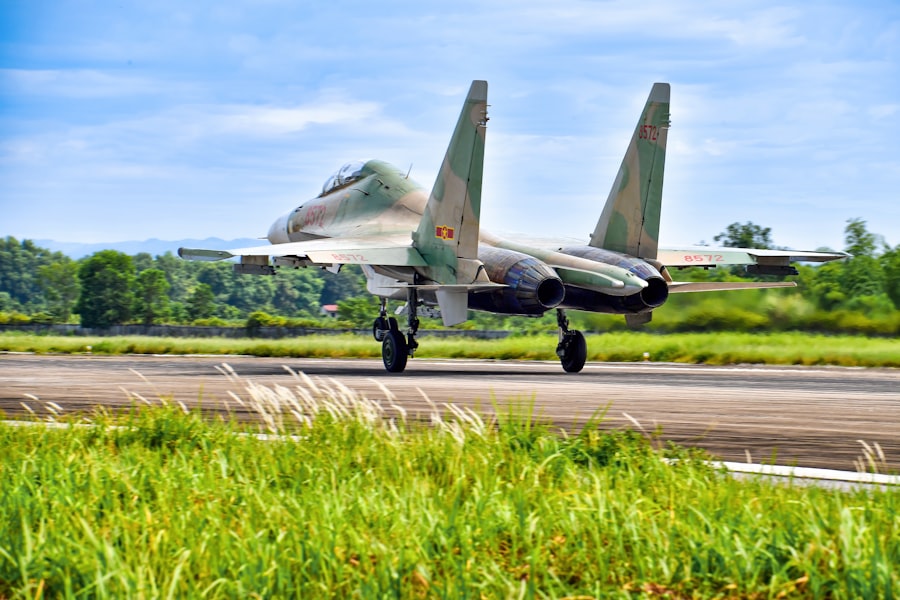
As of 2023, the Russian military stands as a formidable force with a diverse array of capabilities. The armed forces have been restructured into a more agile and responsive organization, capable of conducting operations across multiple domains, including land, air, sea, and cyber. The modernization program has resulted in significant advancements in equipment and technology, with an emphasis on developing advanced weapon systems such as hypersonic missiles, unmanned aerial vehicles (UAVs), and next-generation tanks.
Despite these advancements, challenges remain. The Russian military continues to grapple with issues related to personnel training and retention, as well as logistical shortcomings that can hinder operational effectiveness. Additionally, the ongoing conflict in Ukraine has placed immense strain on resources and highlighted vulnerabilities within the military structure.
Nevertheless, the current state of the Russian military reflects a commitment to modernization that seeks to enhance both deterrence capabilities and combat readiness.
Goals and Objectives of Russian Military Modernization
| Goals and Objectives of Russian Military Modernization |
|---|
| Enhance combat readiness |
| Upgrade military equipment and technology |
| Improve strategic deterrence capabilities |
| Develop and deploy advanced weapons systems |
| Modernize command and control systems |
| Enhance military training and education |
The overarching goals of Russian military modernization are multifaceted and reflect a strategic vision aimed at reinforcing national security and projecting power. One primary objective is to ensure that Russia can effectively deter potential adversaries through a credible military presence. This involves not only enhancing conventional forces but also developing asymmetric capabilities that can counterbalance perceived threats from NATO and other regional actors.
Another key goal is to improve the operational readiness of the armed forces. This includes increasing the frequency and complexity of training exercises, fostering joint operations among different branches of the military, and ensuring that personnel are equipped with modern tactics and technologies. By achieving these objectives, Russia aims to create a more cohesive and capable military force that can respond swiftly to emerging threats while maintaining strategic stability in its sphere of influence.
Key Areas of Focus for Modernization Efforts
Russian military modernization efforts are concentrated on several key areas that are deemed critical for enhancing overall effectiveness. One significant focus is on upgrading existing platforms and systems. This includes modernizing tanks, aircraft, naval vessels, and missile systems to ensure they meet contemporary operational requirements.
For instance, the T-14 Armata tank represents a leap forward in armored warfare technology, boasting advanced armor and automation features. Another area of emphasis is cyber warfare capabilities. Recognizing the growing importance of information warfare in modern conflicts, Russia has invested heavily in developing cyber capabilities that can disrupt enemy communications and infrastructure.
This focus on cyber operations complements traditional military strategies and reflects an understanding of the evolving nature of warfare in the digital age.
Challenges and Obstacles Facing Russian Military Modernization
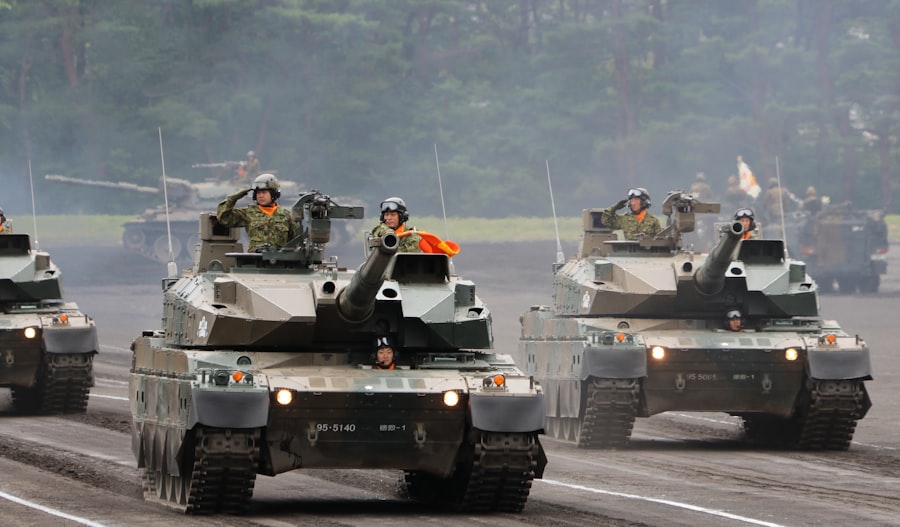
Despite ambitious plans for modernization, Russia faces several challenges that could impede progress. One significant obstacle is economic constraints. The Russian economy has been affected by sanctions imposed by Western nations in response to geopolitical actions, limiting access to foreign technology and investment.
This economic pressure can hinder the procurement of advanced systems and slow down research and development efforts. Additionally, internal issues within the military pose challenges to effective modernization. Corruption and inefficiency have plagued various levels of the armed forces, leading to misallocation of resources and suboptimal outcomes in procurement processes.
Furthermore, personnel retention remains a concern as younger generations may be less inclined to pursue careers in the military due to various factors such as pay disparities and quality of life issues.
Impact of Modernization on Regional and Global Security
The implications of Russian military modernization extend beyond its borders, significantly impacting regional stability and global security dynamics. As Russia enhances its military capabilities, neighboring countries may feel compelled to respond by bolstering their own defenses or seeking alliances with other powers. This arms race can lead to heightened tensions in regions such as Eastern Europe and the Arctic, where competing interests intersect.
The development of advanced weaponry, particularly nuclear capabilities, raises concerns among NATO members and other global actors about strategic stability. As Russia seeks to assert its influence through military means, it may provoke responses that could escalate into broader conflicts or confrontations.
Technological Advancements in Russian Military Modernization
Technological innovation lies at the heart of Russia’s military modernization strategy. The country has made significant strides in developing advanced weapon systems that incorporate cutting-edge technologies. Hypersonic missiles have emerged as a focal point of this effort, with systems like the Avangard showcasing Russia’s ability to deliver payloads at unprecedented speeds while evading missile defense systems.
Moreover, advancements in artificial intelligence (AI) are being integrated into various aspects of military operations. From autonomous drones to enhanced decision-making processes in command centers, AI is transforming how Russia approaches warfare. These technological advancements not only enhance combat effectiveness but also signal Russia’s intent to remain competitive in an era where technological superiority is increasingly vital.
Budget and Funding for Russian Military Modernization
The financial underpinnings of Russian military modernization are crucial for sustaining ongoing efforts. The government has allocated substantial resources toward defense spending in recent years, reflecting a prioritization of military capabilities within national policy frameworks. Despite economic challenges stemming from sanctions and fluctuating oil prices, defense budgets have remained relatively stable.
However, budgetary constraints pose risks to long-term modernization goals. As economic pressures mount, there may be competing demands for funding across various sectors, including social programs and infrastructure development. Balancing these priorities while maintaining a robust defense posture will be essential for ensuring that modernization efforts continue apace.
International Reactions to Russian Military Modernization
The international community has responded with varying degrees of concern and caution regarding Russia’s military modernization initiatives. NATO member states have closely monitored developments within the Russian armed forces, leading to increased defense spending among allies as they seek to bolster their own deterrent capabilities. Joint exercises and enhanced cooperation among NATO members reflect a collective response aimed at countering perceived threats from Russia.
Conversely, some nations view Russia’s modernization efforts through a lens of pragmatism or even opportunity for collaboration in specific areas such as arms control or counterterrorism initiatives. However, the prevailing sentiment among many Western nations remains one of apprehension regarding Russia’s intentions and potential for aggression.
Future Outlook for Russian Military Modernization
Looking ahead, the future trajectory of Russian military modernization will likely be shaped by a combination of internal dynamics and external pressures. As economic conditions evolve and geopolitical landscapes shift, Russia will need to adapt its strategies accordingly.
Moreover, addressing internal challenges such as corruption and personnel retention will be critical for ensuring that modernization efforts yield tangible results. As Russia navigates an increasingly complex security environment characterized by multipolarity and regional tensions, its ability to effectively modernize its military will play a pivotal role in shaping both its national security posture and broader international relations. In conclusion, Russian military modernization represents a multifaceted endeavor with far-reaching implications for regional stability and global security dynamics.
As Russia continues to invest in advanced technologies and restructure its armed forces, understanding these developments becomes essential for comprehending contemporary geopolitical challenges.
As the Russian military continues its modernization efforts in 2024, a comprehensive analysis of these developments can be found in a related article on military strategies and advancements. For more insights into the implications of Russia’s military upgrades, you can read the full article [here](https://www.inthewarroom.com/sample-page/). This piece delves into the technological innovations and strategic shifts that are shaping the future of Russia’s defense capabilities.
WATCH THIS! The Secret Russian Weapon That Terrifies NATO
FAQs
What is the current status of Russian military modernization in 2024?
As of 2024, Russia has been actively modernizing its military forces, including its army, navy, and air force. This modernization effort aims to upgrade and replace outdated equipment and technology with more advanced and capable systems.
What are the key areas of focus for Russian military modernization?
The key areas of focus for Russian military modernization include the development and acquisition of advanced weapons and equipment, the improvement of military infrastructure, the enhancement of cyber and electronic warfare capabilities, and the modernization of command and control systems.
What are some of the specific modernization efforts being undertaken by the Russian military?
Specific modernization efforts being undertaken by the Russian military include the development and deployment of new hypersonic weapons, the upgrade of strategic nuclear forces, the acquisition of advanced fighter aircraft and air defense systems, and the modernization of naval capabilities, including submarines and surface vessels.
What is the goal of Russian military modernization?
The goal of Russian military modernization is to enhance the overall combat readiness and effectiveness of the country’s armed forces, as well as to maintain and strengthen Russia’s strategic military capabilities in the face of evolving security challenges and geopolitical dynamics.
How does Russian military modernization impact global security?
Russian military modernization has the potential to impact global security by contributing to the overall military capabilities and posture of the country. This can influence regional and international security dynamics and may have implications for strategic stability and deterrence.