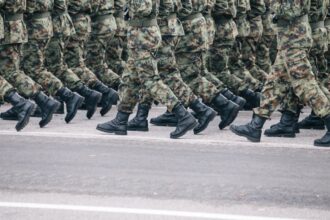
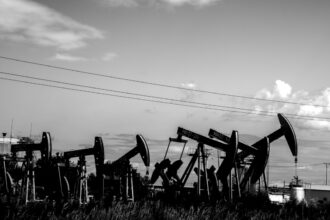
The Russian Arctic buildup, which gained momentum around 2010, marked a significant shift in the geopolitical landscape of the Arctic region. This period saw Russia reasserting its presence in the Arctic, driven by a combination of strategic, economic, and environmental factors. The melting ice caps due to climate change opened new maritime routes and access to untapped natural resources, prompting Russia to enhance its military and economic infrastructure in the region.
The Arctic, once considered a remote and inhospitable area, began to emerge as a focal point for international interest and competition. As the Arctic ice receded, it revealed vast reserves of oil, gas, and minerals, making the region increasingly attractive for exploration and exploitation. Russia’s historical claims to Arctic territories were bolstered by its actions in the region, including the establishment of new military bases and the modernization of its naval capabilities.
This buildup not only aimed to secure Russia’s interests but also to project power and influence over a region that is becoming increasingly vital in global geopolitics. The implications of this strategic maneuvering extend beyond Russia’s borders, affecting international relations and environmental policies worldwide.
Key Takeaways
- Russia has significantly expanded its military infrastructure in the Arctic since 2010 to assert control over the region.
- Economic opportunities in the Arctic include resource extraction, but challenges such as harsh conditions and environmental risks persist.
- The environmental impact of development raises concerns about fragile Arctic ecosystems and climate change effects.
- International responses vary, with some countries expressing security concerns and others seeking cooperation in Arctic governance.
- Technological advancements are critical for Russia to operate effectively in the Arctic’s extreme environment and to maintain geopolitical influence.
Military Infrastructure Expansion in the Russian Arctic
The expansion of military infrastructure in the Russian Arctic has been a cornerstone of Moscow’s strategy since 2010. The Russian government has invested heavily in constructing new bases, airfields, and naval facilities to bolster its military presence in the region. This initiative is not merely about defense; it is also a demonstration of power and a means to assert sovereignty over contested areas.
The establishment of bases such as those on the Kola Peninsula and the New Siberian Islands underscores Russia’s commitment to maintaining a robust military footprint in the Arctic. Moreover, the modernization of the Northern Fleet has been a critical aspect of this military expansion. The fleet has received new icebreakers and submarines capable of operating in harsh Arctic conditions, enhancing Russia’s ability to project naval power across the region.
This military buildup has raised concerns among neighboring countries and NATO allies, who view it as a potential threat to regional stability. The strategic positioning of military assets not only serves to protect Russia’s interests but also acts as a deterrent against perceived encroachments by other nations seeking to exploit Arctic resources.
Economic Opportunities and Challenges in the Russian Arctic
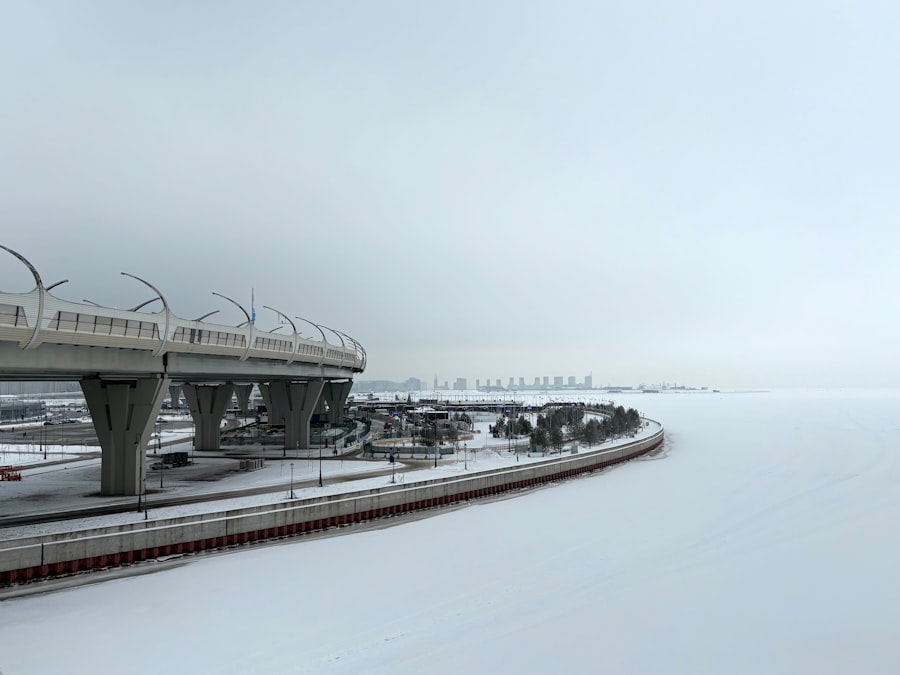
The economic potential of the Russian Arctic is immense, with estimates suggesting that the region holds significant reserves of hydrocarbons and minerals. The Russian government has recognized this potential and has sought to capitalize on it through various initiatives aimed at resource extraction and development. The Northern Sea Route, which has become more navigable due to climate change, offers a shorter shipping route between Europe and Asia, further enhancing the economic viability of Arctic operations.
However, these opportunities come with substantial challenges. The harsh climate and remote location pose logistical difficulties for resource extraction and transportation. Additionally, environmental concerns regarding oil spills and habitat destruction have raised alarms among environmentalists and indigenous communities alike.
Balancing economic development with environmental protection remains a contentious issue for Russia as it seeks to harness the wealth of the Arctic while mitigating potential ecological damage.
Environmental Impact of Russian Arctic Development
The environmental impact of Russia’s Arctic development is profound and multifaceted. As industrial activities increase in the region, so too do concerns about pollution, habitat destruction, and climate change. The extraction of fossil fuels, in particular, poses significant risks to fragile ecosystems that are already under stress from rising temperatures.
Furthermore, the construction of infrastructure such as roads, pipelines, and ports disrupts local wildlife habitats and migratory patterns. The delicate balance of the Arctic ecosystem is threatened by these developments, prompting calls for more stringent environmental regulations.
Indigenous communities, who have lived in harmony with these lands for generations, are particularly vulnerable to the changes brought about by industrialization. Their traditional ways of life are at risk as their environment transforms under the pressures of economic exploitation.
International Reactions to Russian Arctic Buildup
| Year | Military Personnel | Number of Bases | Number of Icebreakers | New Equipment Deployed | Strategic Focus |
|---|---|---|---|---|---|
| 2010 | 5,000 | 3 | 6 | Modernized radar systems | Establishing Arctic presence |
| 2012 | 7,500 | 5 | 8 | Deployment of S-400 missile systems | Air defense enhancement |
| 2015 | 10,000 | 7 | 10 | Introduction of Arctic-capable drones | Surveillance and reconnaissance |
| 2018 | 12,000 | 9 | 12 | Deployment of Bastion coastal missile systems | Coastal defense |
| 2020 | 15,000 | 11 | 15 | Enhanced Arctic naval fleet | Power projection and control |
The international community has responded with a mix of concern and caution to Russia’s Arctic buildup. NATO allies have expressed apprehension over Russia’s military expansion in the region, viewing it as a potential threat to security and stability. In response, several countries have increased their own military presence in the Arctic, leading to heightened tensions and an arms race in this strategically important area.
Diplomatic efforts have also been made to address the challenges posed by Russia’s actions. Multilateral forums such as the Arctic Council provide platforms for dialogue among Arctic nations, allowing for discussions on cooperation in areas such as environmental protection and sustainable development. However, geopolitical rivalries often complicate these discussions, as nations grapple with competing interests in resource extraction and territorial claims.
The delicate balance between cooperation and competition remains a defining feature of international relations in the Arctic.
Russian Arctic Policy and Strategy
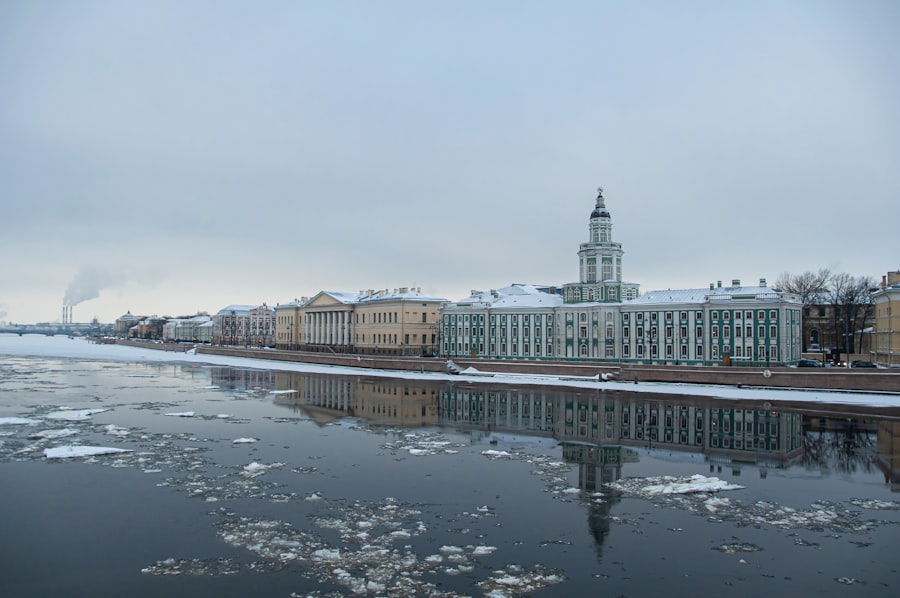
Russia’s Arctic policy is characterized by a dual approach that emphasizes both military readiness and economic development. The government has articulated its vision for the Arctic through various strategic documents that outline goals for resource extraction, infrastructure development, and environmental protection. Central to this policy is the desire to assert sovereignty over vast areas of the Arctic continental shelf, which Russia claims based on historical usage and geological studies.
In addition to resource management, Russia’s strategy includes fostering international partnerships for scientific research and environmental monitoring. By engaging with other Arctic nations on issues such as climate change and biodiversity conservation, Russia aims to position itself as a responsible steward of the region while simultaneously advancing its national interests. This multifaceted approach reflects an understanding that successful Arctic governance requires collaboration alongside assertive national policies.
Security Implications of Russian Arctic Buildup
The security implications of Russia’s Arctic buildup are significant and far-reaching. As military capabilities expand in the region, concerns about potential conflicts over territorial claims and resource rights intensify. The presence of advanced military assets raises questions about the possibility of confrontations between Russia and other Arctic nations or NATO forces operating nearby.
The strategic importance of the Northern Sea Route further complicates security dynamics, as control over this vital shipping lane becomes increasingly contested. Moreover, the potential for non-state actors to exploit vulnerabilities in the region adds another layer of complexity to security considerations. As economic activities increase, so too does the risk of piracy or terrorism targeting shipping routes or energy infrastructure.
Ensuring maritime security in these challenging conditions requires enhanced cooperation among Arctic nations while also addressing broader geopolitical tensions that could spill over into military confrontations.
Indigenous Peoples and the Russian Arctic
The indigenous peoples of the Russian Arctic play a crucial role in shaping discussions about development in their ancestral lands. These communities have lived sustainably in the region for millennia, relying on traditional practices such as hunting, fishing, and reindeer herding for their livelihoods. However, rapid industrialization poses significant threats to their way of life, as resource extraction activities disrupt ecosystems and traditional migratory routes.
In recent years, there has been a growing recognition of the rights of indigenous peoples within Russian policy frameworks. Efforts have been made to involve these communities in decision-making processes related to development projects that affect their lands. However, challenges remain regarding meaningful participation and compensation for environmental impacts caused by industrial activities.
Balancing economic interests with respect for indigenous rights is essential for fostering social cohesion and sustainable development in the Russian Arctic.
Technological Advancements in Russian Arctic Development
Technological advancements have played a pivotal role in facilitating Russia’s ambitions in the Arctic. Innovations in icebreaking technology have enabled vessels to navigate previously inaccessible waters, opening up new shipping routes and opportunities for resource extraction.
Moreover, satellite technology has enhanced monitoring capabilities for environmental changes and resource management. Remote sensing tools allow for better assessment of ice conditions, weather patterns, and ecological impacts associated with industrial activities. As technology continues to evolve, it will be crucial for Russia to leverage these advancements responsibly while addressing environmental concerns associated with increased activity in this fragile region.
Geopolitical Significance of the Russian Arctic
The geopolitical significance of the Russian Arctic cannot be overstated. As global warming continues to reshape the landscape of international relations, control over Arctic resources and shipping routes becomes increasingly contested among nations vying for influence in this strategically important area. Russia’s assertive posture reflects its desire to secure its interests while countering perceived encroachments from other powers.
The Arctic is not only a battleground for resource competition but also a stage for broader geopolitical rivalries between major powers such as the United States, China, and European nations. As these countries seek to expand their influence in the region through military presence or economic partnerships, tensions may escalate further. The interplay between cooperation on shared challenges like climate change and competition over resources will define future geopolitical dynamics in the Arctic.
Future Outlook for Russian Arctic Development
Looking ahead, the future outlook for Russian Arctic development remains complex and uncertain. While opportunities abound for economic growth through resource extraction and shipping routes, challenges related to environmental sustainability and indigenous rights persist. Balancing these competing interests will be crucial for ensuring long-term stability in the region.
As climate change continues to alter the landscape of the Arctic, Russia will need to adapt its strategies accordingly. Emphasizing sustainable practices while pursuing economic goals may become increasingly important as global awareness of environmental issues grows. Ultimately, how Russia navigates these challenges will shape not only its own future but also that of the entire Arctic region as it grapples with competing demands from various stakeholders on both national and international levels.
In recent years, the Russian Arctic buildup has garnered significant attention, particularly in light of its implications for global geopolitics and environmental concerns. A related article that delves deeper into this topic can be found on In The War Room, which discusses the strategic motivations behind Russia’s increased military presence in the Arctic region. For more insights, you can read the article [here](https://www.inthewarroom.com/).
WATCH THIS! 🎬 America’s Nuclear City Was a Lie: The Russian Base That Made Iceworm Obsolete
FAQs
What is the Russian Arctic buildup in the twenty-tens?
The Russian Arctic buildup in the twenty-tens refers to Russia’s strategic expansion and modernization of its military, infrastructure, and resource extraction capabilities in the Arctic region during the 2010s.
Why is Russia focusing on the Arctic region?
Russia is focusing on the Arctic due to its vast natural resources, including oil and gas reserves, new shipping routes emerging from melting ice, and the region’s strategic military importance.
What military developments has Russia made in the Arctic during the twenty-tens?
Russia has constructed new military bases, upgraded existing facilities, deployed advanced radar and missile systems, and increased the presence of its Northern Fleet to enhance defense and control over the Arctic.
How has Russia improved its infrastructure in the Arctic?
Russia has invested in building ports, airfields, roads, and communication networks to support both civilian and military activities, facilitating year-round access and operations in the harsh Arctic environment.
What role does the Northern Sea Route play in Russia’s Arctic strategy?
The Northern Sea Route is a key shipping lane along Russia’s Arctic coast that offers shorter transit times between Europe and Asia. Russia aims to develop and control this route to boost trade and assert regional dominance.
How has the international community responded to Russia’s Arctic buildup?
The international community has expressed concerns about increased militarization and environmental risks, while some Arctic nations have called for cooperation and adherence to international law to ensure peaceful development.
What environmental challenges are associated with the Russian Arctic buildup?
The buildup raises concerns about potential oil spills, disruption of fragile ecosystems, and the impact of increased human activity on Arctic wildlife and indigenous communities.
Is Russia cooperating with other Arctic nations in its Arctic development?
While Russia participates in forums like the Arctic Council promoting cooperation, its military buildup and unilateral actions have sometimes led to tensions with other Arctic states.