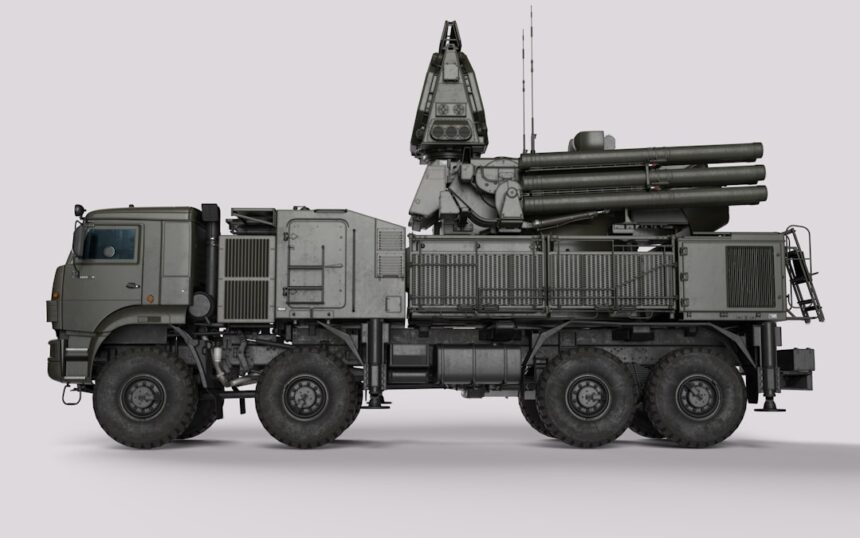
Surface-to-air missiles (SAMs) are ground-based weapon systems designed to engage and destroy airborne targets, including aircraft, helicopters, cruise missiles, and unmanned aerial vehicles. These systems operate by launching guided missiles from fixed or mobile ground platforms to intercept aerial threats at various altitudes and ranges. SAM technology has undergone substantial development since the mid-20th century, incorporating advances in radar guidance, infrared tracking, and missile propulsion systems.
Modern SAM systems utilize sophisticated target acquisition and tracking capabilities, enabling engagement of multiple targets simultaneously across different flight profiles and altitudes. Contemporary SAM systems face increasingly complex operational challenges due to evolving aerial threats. These include low-observable (stealth) aircraft that reduce radar cross-sections, electronic warfare capabilities that can disrupt guidance systems, and proliferating unmanned aerial systems with diverse flight characteristics.
Additionally, modern combat aircraft employ countermeasures such as chaff, flares, and electronic jamming to defeat missile guidance systems. SAM deployments significantly influence military aviation operations and airspace management. These systems create area denial zones that affect flight planning, mission execution, and civilian air traffic routing.
The presence of SAM systems requires aircraft operators to implement specific tactics, utilize electronic warfare systems, and coordinate with air defense networks to ensure safe passage through defended airspace.
Key Takeaways
- Surface to air missiles (SAMs) have evolved significantly, posing increasing risks to both military and civilian aircraft.
- Recent attacks highlight the growing threat of SAMs in conflict zones and their impact on aviation safety.
- Advances in missile technology have enhanced their range, accuracy, and lethality, complicating defense efforts.
- Countermeasures and international cooperation are critical to mitigating the risks posed by SAM proliferation.
- Non-state actors’ access to SAMs raises concerns for global security and necessitates robust monitoring and response strategies.
The Evolution of Surface to Air Missiles
The journey of surface to air missiles began during World War II, with early systems like the German V-1 flying bomb and the British “Homing” missiles. These rudimentary designs laid the groundwork for more sophisticated technologies that would emerge in the following decades. The Cold War era marked a significant turning point in the evolution of SAMs, as both NATO and Warsaw Pact countries raced to develop advanced air defense systems capable of countering high-speed jet aircraft and bombers.
Notable examples from this period include the U.S. Nike Ajax and the Soviet S-75 Dvina, which showcased the potential of guided missile technology. As technology progressed, so did the capabilities of surface to air missiles.
The introduction of radar-guided systems allowed for greater accuracy and engagement ranges, while advancements in propulsion technology enabled missiles to reach higher speeds. The Gulf War in the early 1990s further highlighted the effectiveness of SAMs in modern warfare, as nations employed these systems to protect their airspace from coalition forces. Today, SAMs are equipped with sophisticated tracking systems, multi-target engagement capabilities, and enhanced guidance mechanisms, making them formidable adversaries for any aerial threat.
Recent Incidents of Surface to Air Missile Attacks
In recent years, several high-profile incidents involving surface to air missile attacks have underscored the ongoing relevance of these systems in contemporary conflicts. One notable event occurred in 2014 when a Malaysian Airlines flight was shot down over eastern Ukraine by a missile believed to be fired from a Buk missile system. This tragic incident not only resulted in the loss of nearly 300 lives but also raised significant questions about the proliferation of advanced missile technology and its implications for civilian aviation.
This event highlighted the dangers posed by SAMs not only to military aircraft but also to commercial flights operating in conflict zones. Such incidents have prompted calls for stricter regulations on missile proliferation and greater accountability for nations that supply these systems to non-state actors or unstable regions.
Impact on Aviation Industry
The aviation industry has felt the repercussions of surface to air missile incidents acutely, leading to increased scrutiny over flight routes and safety protocols. Airlines have had to reassess their operational strategies, often avoiding conflict zones or areas where SAMs are known to be deployed. This shift has resulted in longer flight paths, increased fuel costs, and potential disruptions in global air travel networks.
The psychological impact on passengers cannot be overlooked either; concerns about safety have led to decreased demand for flights over certain regions. Moreover, insurance premiums for airlines operating in high-risk areas have surged, further complicating the financial landscape for carriers. The aviation industry has responded by advocating for international regulations that would enhance safety measures and provide clearer guidelines for operating in regions with known missile threats.
As the threat landscape continues to evolve, collaboration between governments, military organizations, and aviation stakeholders will be essential in ensuring the safety of both military and civilian aircraft.
Growing Concerns for Military and Civilian Aircraft
| Missile System | Country of Origin | Range (km) | Altitude (m) | Guidance System | Target Types | Deployment Type |
|---|---|---|---|---|---|---|
| S-400 Triumf | Russia | 400 | 30,000 | Radar, Infrared | Aircraft, Ballistic Missiles, Cruise Missiles | Mobile |
| Patriot PAC-3 | USA | 160 | 24,000 | Radar, Infrared | Aircraft, Ballistic Missiles | Mobile |
| HQ-9 | China | 200 | 27,000 | Radar, Infrared | Aircraft, Cruise Missiles | Mobile |
| Iron Dome | Israel | 70 | 10,000 | Radar | Rockets, Artillery, Mortars | Mobile |
| NASAMS | Norway/USA | 40 | 15,000 | Radar, Infrared | Aircraft, UAVs, Cruise Missiles | Mobile |
The proliferation of surface to air missiles has raised alarm bells among military strategists and aviation experts alike. For military aircraft, the presence of advanced SAM systems poses a significant challenge during operations, particularly in contested environments where air superiority is paramount. The ability of these missiles to engage targets at varying altitudes and speeds necessitates constant adaptation in tactics and technology by armed forces worldwide.
Civilian aircraft are not immune to these threats either. As demonstrated by recent incidents, commercial flights can inadvertently find themselves in harm’s way when operating near conflict zones or regions with active military engagements. This reality has led to calls for improved intelligence-sharing among nations regarding missile deployments and enhanced training for pilots on how to navigate potential threats.
The growing concern over SAMs has prompted discussions about establishing no-fly zones or implementing stricter regulations on air traffic in areas where missile systems are known to be active.
Advancements in Surface to Air Missile Technology
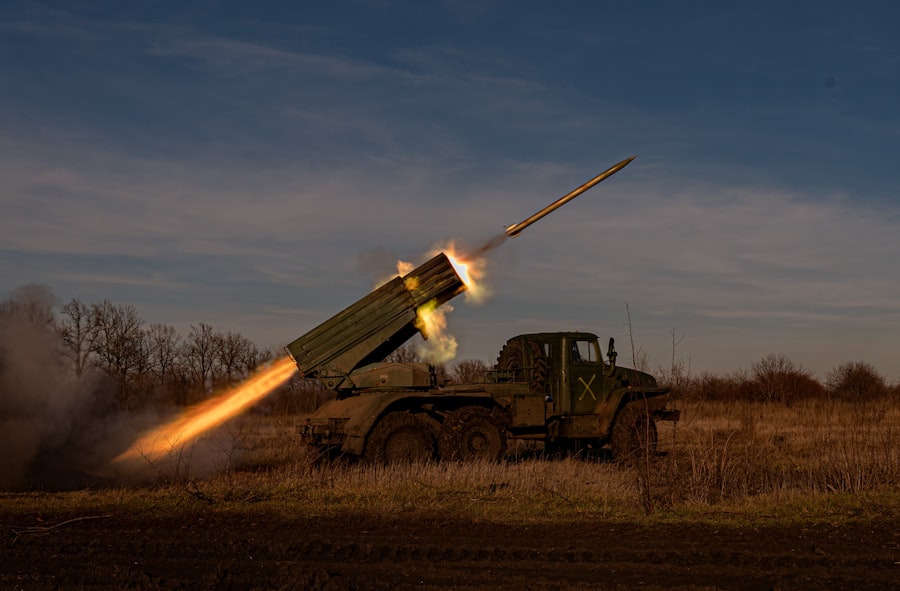
The technological advancements in surface to air missiles have been remarkable over the past few decades. Modern SAM systems are equipped with advanced radar capabilities that allow for precise tracking and targeting of fast-moving aerial threats. These systems can engage multiple targets simultaneously, significantly enhancing their effectiveness on the battlefield.
Additionally, improvements in missile guidance technology have led to greater accuracy, reducing the likelihood of collateral damage during engagements. Furthermore, the integration of artificial intelligence (AI) into SAM systems is revolutionizing air defense strategies. AI algorithms can analyze vast amounts of data in real-time, enabling quicker decision-making processes during engagements.
This capability allows operators to respond more effectively to evolving threats and enhances overall situational awareness on the battlefield. As nations continue to invest in research and development, it is likely that future surface to air missiles will incorporate even more sophisticated technologies, further complicating the landscape for aerial operations.
Countermeasures and Defense Systems
In response to the growing threat posed by surface to air missiles, military forces around the world have developed a range of countermeasures and defense systems designed to mitigate risks during aerial operations. Electronic warfare tactics have become increasingly prevalent, with aircraft equipped with jamming devices that disrupt radar signals used by SAM systems. These measures can render missile guidance ineffective, allowing aircraft to evade potential threats.
Additionally, advancements in stealth technology have provided military aircraft with enhanced capabilities to avoid detection by radar systems associated with SAMs. Stealth features reduce an aircraft’s radar cross-section, making it more challenging for missile systems to lock onto their targets. However, as SAM technology continues to evolve, so too must countermeasures; this ongoing arms race between offensive and defensive capabilities underscores the complexity of modern warfare.
International Efforts to Address the Threat
Recognizing the global implications of surface to air missile proliferation, international organizations and governments have initiated various efforts aimed at addressing this pressing issue. Treaties such as the Missile Technology Control Regime (MTCR) seek to prevent the spread of missile technology that could be used for offensive purposes. These agreements promote transparency among nations regarding missile capabilities and encourage responsible behavior in arms transfers.
Moreover, collaborative initiatives among countries have emerged to enhance information-sharing regarding missile threats and best practices for air defense strategies. Joint military exercises often include scenarios that simulate engagements with surface-to-air missiles, allowing forces from different nations to learn from one another and improve their readiness against potential threats. Such international cooperation is vital in fostering a collective response to the challenges posed by SAMs.
The Role of Non-State Actors in Surface to Air Missile Proliferation
The proliferation of surface to air missiles is not limited to state actors; non-state actors have increasingly gained access to these advanced systems, raising significant concerns for global security. Various militant groups have demonstrated their ability to acquire SAM technology through illicit means or by capturing them during conflicts. This trend poses a unique challenge for governments seeking to maintain control over their airspace and protect civilian populations.
The involvement of non-state actors complicates efforts to regulate missile proliferation further. These groups often operate outside traditional frameworks of accountability, making it difficult for international organizations to monitor their activities effectively. As such, addressing this issue requires a multifaceted approach that includes diplomatic efforts aimed at stabilizing regions prone to conflict while also enhancing border security measures to prevent illicit arms trafficking.
Future Implications and Potential Scenarios
Looking ahead, the implications of surface to air missile proliferation are profound and multifaceted. As technology continues to advance at an unprecedented pace, it is likely that new generations of SAMs will emerge with capabilities that challenge existing defense strategies. Nations may find themselves engaged in an arms race as they seek to develop countermeasures against increasingly sophisticated missile systems.
Moreover, geopolitical tensions could exacerbate the threat posed by SAMs as countries vie for influence over strategic regions.
Therefore, proactive measures must be taken at both national and international levels to mitigate these risks and ensure that airspace remains safe for all users.
Conclusion and Recommendations for Mitigating the Threat
In conclusion, surface to air missiles represent a complex challenge that requires concerted efforts from governments, military organizations, and international bodies alike. The evolution of these systems has transformed them into formidable tools capable of threatening both military operations and civilian aviation safety. To mitigate this threat effectively, several recommendations can be made.
First, enhancing international cooperation through treaties aimed at regulating missile proliferation is essential. Countries must work together to establish clear guidelines regarding arms transfers while promoting transparency about their own capabilities. Second, investing in research and development for advanced countermeasures will be crucial as nations seek ways to protect their airspace from emerging threats.
Finally, fostering dialogue between military forces and aviation stakeholders can lead to improved safety protocols that prioritize passenger safety while navigating complex geopolitical landscapes. By taking proactive steps now, nations can work towards a future where surface-to-air missile threats are effectively managed, ensuring safer skies for both military operations and civilian travel alike.
Surface-to-air missile threats have become a significant concern in modern warfare, as they pose serious risks to both military and civilian aircraft. For a deeper understanding of the implications and strategies surrounding these threats, you can read a related article on this topic at