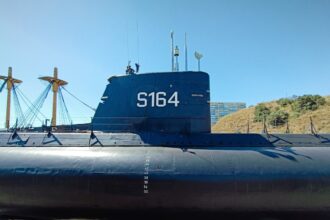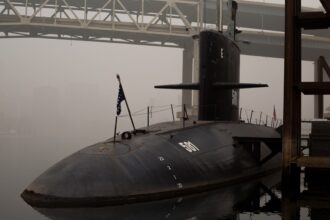
Nuclear strategy encompasses the policies and doctrines that govern the use of nuclear weapons and the broader implications of their existence in international relations. It is a complex interplay of deterrence, defense, and diplomacy, shaped by historical precedents and evolving geopolitical landscapes.
This delicate equilibrium requires a nuanced understanding of not only one’s own capabilities but also those of potential adversaries. The evolution of nuclear strategy has been marked by significant milestones, from the Cold War’s arms race to contemporary discussions surrounding nuclear proliferation. The doctrine of deterrence, particularly during the Cold War, emphasized the need for a credible second-strike capability, ensuring that any nuclear attack would be met with devastating retaliation.
As nations continue to develop and modernize their arsenals, the strategic landscape becomes increasingly intricate, necessitating a comprehensive understanding of both historical context and current dynamics. This understanding is crucial for policymakers and military leaders as they navigate the complexities of international security in an era where nuclear weapons remain a central concern.
Key Takeaways
- Grasping nuclear strategy fundamentals is crucial for effective crisis survival planning.
- Comprehensive survival plans must include resource security, communication protocols, and ongoing training.
- Flexibility, adaptability, and continuous plan evaluation enhance resilience against evolving threats.
- Building alliances and collaborations strengthens collective security and resource sharing.
- Long-term sustainability ensures preparedness beyond immediate crisis scenarios.
The Importance of Survival in a Crisis
In times of crisis, the instinct for survival becomes paramount. The potential for nuclear conflict or other catastrophic events heightens the urgency for individuals and nations alike to prioritize their safety and security. Survival in such scenarios is not merely about physical endurance; it encompasses psychological resilience, strategic planning, and effective resource management.
The ability to respond swiftly and decisively can mean the difference between life and death, making it essential for individuals and governments to prepare for worst-case scenarios. Moreover, survival in a crisis extends beyond immediate threats. It involves understanding the long-term implications of such events on societal structures, economies, and international relations.
The aftermath of a nuclear incident, for instance, could lead to widespread panic, economic collapse, and geopolitical instability. Therefore, fostering a culture of preparedness is vital. This includes educating citizens about potential threats, encouraging community resilience, and developing robust emergency response systems that can be activated when crises arise.
By prioritizing survival strategies, societies can enhance their overall resilience against existential threats.
Assessing Potential Threats
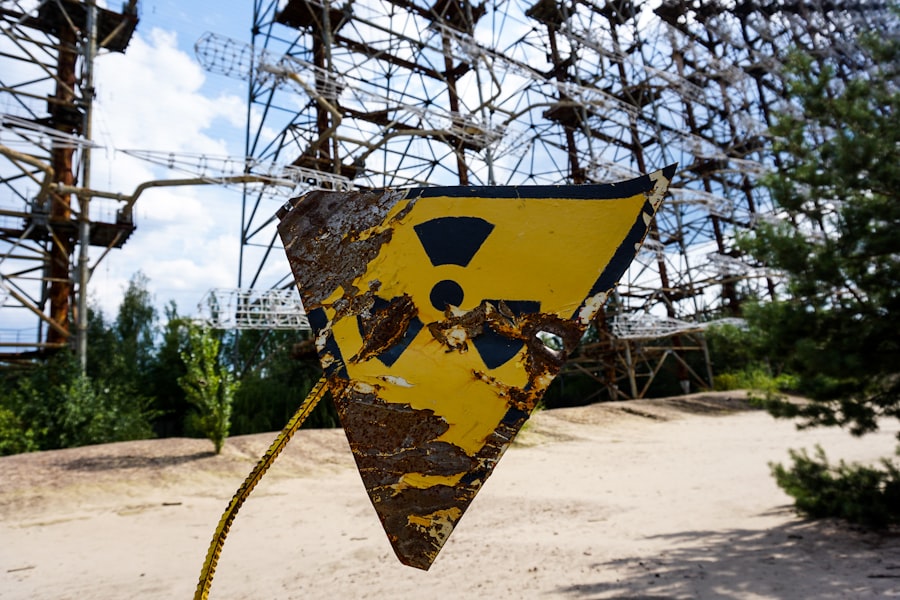
A critical component of any survival strategy is the thorough assessment of potential threats. This involves identifying not only immediate dangers but also long-term risks that could impact national security and public safety. In the context of nuclear strategy, this assessment must consider various factors, including geopolitical tensions, technological advancements in weaponry, and the motivations of state and non-state actors.
Understanding these dynamics allows for a more informed approach to risk management and crisis preparedness. Furthermore, threat assessment should not be static; it must evolve in response to changing circumstances. Regularly updating threat analyses ensures that strategies remain relevant and effective.
This process involves gathering intelligence, engaging with experts in various fields, and utilizing advanced analytical tools to predict potential scenarios. By maintaining a proactive stance on threat assessment, nations can better anticipate challenges and develop appropriate responses that safeguard their interests and enhance their survival prospects.
Developing a Comprehensive Survival Plan
Creating a comprehensive survival plan is essential for effectively navigating crises. Such a plan should encompass various elements, including emergency protocols, resource allocation, and communication strategies. A well-structured survival plan not only prepares individuals and communities for immediate threats but also lays the groundwork for long-term recovery and resilience.
It should be adaptable to different scenarios, ensuring that it can be applied across a range of potential crises. In developing this plan, it is crucial to involve diverse stakeholders, including government agencies, non-governmental organizations, and community leaders. Collaborative efforts can lead to more robust strategies that account for various perspectives and expertise.
Additionally, conducting regular drills and simulations can help identify weaknesses in the plan and provide opportunities for improvement. By fostering a culture of preparedness through comprehensive planning, societies can enhance their ability to respond effectively to crises while minimizing the impact on their populations.
Establishing Communication Protocols
| Metric | Description | Typical Values | Relevance to Ride Out Nuclear Strategy |
|---|---|---|---|
| Survivability of Command and Control | Ability of leadership to maintain control post-nuclear strike | High (90%+ with hardened bunkers) | Critical for executing ride out strategy effectively |
| Population Casualty Rate | Percentage of population expected to survive initial nuclear exchange | Varies widely (10%-70%) | Determines feasibility of long-term recovery |
| Duration of Nuclear Winter | Estimated length of global climatic cooling post-nuclear war | 1 to 10 years | Impacts food production and survival during ride out period |
| Food Stockpile Duration | Length of time stored food supplies can sustain population | 6 months to 2 years | Essential for survival during initial aftermath |
| Radiation Decay Rate | Time for radiation levels to reduce to safe levels | Days to decades depending on isotopes | Influences timing of population movement and rebuilding |
| Infrastructure Damage Percentage | Extent of destruction to critical infrastructure | 50%-90% | Determines challenges in recovery and ride out capability |
| Medical Facility Availability | Percentage of medical services operational post-strike | 10%-40% | Impacts casualty treatment and survival rates |
Effective communication is vital during crises, particularly when it comes to disseminating information quickly and accurately. Establishing clear communication protocols ensures that all stakeholders are informed about potential threats and the actions being taken to address them. This includes not only government officials but also first responders, community leaders, and the general public.
In an age where misinformation can spread rapidly, having reliable channels for communication is essential for maintaining public trust and ensuring coordinated responses. Moreover, communication protocols should be designed to facilitate real-time updates during emergencies. This may involve utilizing various platforms—such as social media, emergency alert systems, and traditional media—to reach diverse audiences effectively.
Training individuals on how to communicate under pressure is equally important; they must be equipped to convey critical information succinctly while remaining calm and composed. By prioritizing communication in crisis planning, organizations can enhance their operational effectiveness and foster a sense of security among those they serve.
Securing Necessary Resources
Resource security is a cornerstone of any effective survival strategy. In times of crisis, access to essential supplies—such as food, water, medical supplies, and energy—can determine the outcome of survival efforts. Therefore, it is imperative for governments and organizations to identify potential resource vulnerabilities and develop strategies to mitigate them.
This may involve stockpiling critical supplies or establishing partnerships with local businesses to ensure a steady flow of resources during emergencies. Additionally, securing resources extends beyond physical supplies; it also encompasses human capital. Trained personnel are essential for effective crisis response, whether they are first responders or community volunteers.
Investing in training programs that equip individuals with necessary skills—such as first aid, emergency management, and crisis communication—can significantly enhance a community’s resilience during crises. By prioritizing resource security in all its forms, societies can better prepare themselves for unforeseen challenges.
Training and Preparedness
Training plays a pivotal role in ensuring that individuals and organizations are prepared for crises. Regular training exercises help build familiarity with emergency protocols and enhance coordination among various stakeholders. These exercises can range from tabletop simulations to full-scale drills that test the effectiveness of response plans in real-time scenarios.
By engaging in consistent training efforts, communities can identify gaps in their preparedness and make necessary adjustments before an actual crisis occurs. Moreover, training should not be limited to formal organizations; it should also extend to individuals within communities. Public education campaigns can empower citizens with knowledge about emergency procedures and self-defense measures.
This grassroots approach fosters a culture of preparedness where individuals feel confident in their ability to respond effectively during crises. Ultimately, comprehensive training initiatives contribute to a more resilient society capable of navigating challenges with agility and confidence.
Maintaining Flexibility and Adaptability
In an unpredictable world, maintaining flexibility and adaptability is crucial for effective crisis management. Circumstances can change rapidly during emergencies; therefore, survival plans must be designed with this fluidity in mind. Organizations should regularly review their strategies to ensure they remain relevant in light of new information or evolving threats.
This iterative process allows for continuous improvement and ensures that responses are tailored to current realities. Flexibility also extends to decision-making processes during crises. Leaders must be prepared to pivot quickly based on emerging information or changing conditions on the ground.
This requires fostering an organizational culture that values innovation and encourages creative problem-solving among team members. By embracing adaptability as a core principle of crisis management, organizations can enhance their resilience and effectiveness in navigating complex challenges.
Building Alliances and Collaborations
Building alliances and collaborations is essential for enhancing collective resilience in the face of crises. No single entity possesses all the resources or expertise needed to address complex challenges effectively; therefore, partnerships among governments, non-profit organizations, private sector entities, and community groups are vital. These collaborations can facilitate information sharing, resource pooling, and coordinated response efforts during emergencies.
Moreover, alliances can extend beyond national borders; international cooperation is crucial in addressing global threats such as nuclear proliferation or climate change-related disasters. Engaging with international organizations allows nations to share best practices and learn from one another’s experiences in crisis management. By fostering strong alliances at both local and global levels, societies can create a more robust framework for responding to crises while enhancing their overall security posture.
Continuously Evaluating and Updating the Plan
The process of evaluating and updating survival plans is an ongoing endeavor that requires commitment from all stakeholders involved in crisis management efforts. Regular assessments help identify areas for improvement while ensuring that strategies remain aligned with current threats and best practices. This iterative approach fosters a culture of continuous learning where lessons learned from past experiences inform future planning efforts.
Additionally, engaging with experts in various fields—such as public health, emergency management, or cybersecurity—can provide valuable insights into emerging trends or potential vulnerabilities that may impact survival strategies. Incorporating feedback from training exercises or real-world incidents further enhances the effectiveness of evaluation processes. By prioritizing continuous evaluation and updating of plans, organizations can ensure they remain prepared for whatever challenges lie ahead.
Ensuring Long-Term Sustainability
Finally, ensuring long-term sustainability is critical for effective crisis management strategies.
Sustainable practices—such as investing in renewable energy sources or promoting community resilience initiatives—can enhance overall preparedness while minimizing future vulnerabilities.
Moreover, fostering public awareness about sustainability issues can empower individuals to take proactive steps toward enhancing their own resilience within their communities. By integrating sustainability into crisis management frameworks—whether through resource conservation efforts or promoting social cohesion—societies can build a more resilient foundation capable of weathering future challenges effectively. In conclusion, navigating the complexities of nuclear strategy requires a multifaceted approach that prioritizes survival in crises through comprehensive planning, effective communication protocols, resource security measures, training initiatives, flexibility in decision-making processes, collaborative alliances at local and global levels while continuously evaluating strategies for improvement—all underpinned by long-term sustainability principles aimed at fostering resilience within communities facing existential threats ahead.
In the context of contemporary nuclear strategy, understanding the nuances of deterrence and defense is crucial. A related article that delves into these themes can be found on In The War Room, which explores various aspects of military strategy and its implications for global security. For more insights, you can read the article [here](https://www.inthewarroom.com/).
WATCH THIS 🎬 DEAD HAND: The Soviet Doomsday Machine That’s Still Listening
FAQs
What is the “ride out” nuclear strategy?
The “ride out” nuclear strategy refers to a defensive military approach where a country aims to survive an initial nuclear attack and maintain its retaliatory capabilities. Instead of preventing a nuclear strike entirely, the strategy focuses on enduring the first wave and responding effectively afterward.
How does the “ride out” strategy differ from other nuclear strategies?
Unlike strategies that emphasize pre-emptive strikes or complete missile defense, the “ride out” strategy accepts that some nuclear strikes may penetrate defenses. It prioritizes resilience, survivability, and the ability to retaliate after absorbing an attack.
Which countries have employed or considered the “ride out” nuclear strategy?
Historically, several nuclear-armed states, including the United States and Russia, have incorporated elements of the “ride out” strategy into their deterrence doctrines, focusing on survivable second-strike capabilities such as hardened missile silos, submarine-launched ballistic missiles, and mobile launchers.
What are the key components of a “ride out” nuclear strategy?
Key components include survivable nuclear forces (like submarines and mobile launchers), hardened command and control systems, early warning systems, and protocols to ensure a credible retaliatory strike after an initial attack.
What is the strategic purpose of the “ride out” nuclear strategy?
The main purpose is to deter adversaries from launching a nuclear attack by ensuring that any first strike would not eliminate the ability to retaliate, thereby maintaining strategic stability through mutually assured destruction.
Are there any criticisms or risks associated with the “ride out” strategy?
Critics argue that relying on surviving a nuclear attack may encourage arms races and increase the risk of escalation. Additionally, the strategy assumes effective command and control post-attack, which may be compromised in a nuclear conflict.
How does the “ride out” strategy impact global nuclear deterrence?
By emphasizing survivability and second-strike capability, the “ride out” strategy reinforces deterrence by assuring adversaries that a nuclear attack would result in unacceptable retaliation, thus contributing to strategic stability among nuclear powers.