The integration of advanced technologies into agriculture is steadily reshaping traditional farming practices. Among these innovations, the strategic application of drone parts for disguised, efficient equipment represents a subtle yet profound shift, moving beyond the overt spectacle of aerial crop dusting to address fundamental operational needs. This approach leverages the robust, lightweight, and often specialized components developed for unmanned aerial vehicles (UAVs) and repurposes them to enhance the performance, durability, and adaptability of ground-based agricultural machinery. Rather than viewing drones as solely aerial agents, this perspective examines their technological DNA – the motors, sensors, actuators, and communication modules – as building blocks for optimizing terrestrial farming tools.
The agricultural sector, like many industries, is characterized by a constant quest for efficiency and cost-effectiveness. Machinery downtime, maintenance costs, and the need for precise operation are perennial challenges. Drones, originating from sectors demanding high reliability, miniaturization, and energy efficiency, offer a rich repository of components that can directly address these issues. The development of drone technology has spurred advancements in areas such as brushless DC motors, sophisticated navigation systems, and lightweight composite materials, all of which possess significant potential for agricultural applications.
High-Performance Motors and Actuators
Drone propulsion systems, particularly brushless DC (BLDC) motors, are engineered for high power-to-weight ratios, exceptional efficiency, and long operational lifespans. These characteristics are highly desirable in agricultural equipment, which often operates in demanding environments and requires consistent power delivery.
Optimized Power Delivery for Variable Speed Applications
Traditional agricultural machinery often relies on internal combustion engines or less efficient electric motors, leading to fixed or limited speed options. BLDC motors, with their precise electronic control, enable variable speed operation, allowing for more nuanced adjustments in tillage depth, planting rates, or sprayer application, directly impacting resource utilization and crop health. Imagine a tractor’s hydraulic system, usually powered by a lumbering engine, now being controlled with the nimble precision of a drone’s flight controller, allowing for micro-adjustments that save fuel and prevent soil compaction.
Enhanced Durability and Reduced Maintenance
The robust design of drone motors, often built to withstand vibration and extreme temperatures, translates into greater longevity for agricultural equipment. This reduces the frequency of costly replacements and minimizes downtime, a critical factor in the tight schedules of agricultural seasons. The sealed nature of many drone motor casings also offers superior protection against dust, moisture, and agricultural chemicals, common culprits of equipment failure.
Advanced Sensor Integration for Precision Agriculture
Drones are equipped with a suite of sophisticated sensors, including GPS, IMUs (Inertial Measurement Units), LiDAR, and multispectral cameras, for navigation and data collection. These sensors are invaluable for transforming conventional ground machinery into intelligent, precision-oriented systems.
Real-time Environmental Monitoring
Integrating drone-grade GPS and IMU sensors into tractors or other implements allows for hyper-accurate positional tracking. This enables variable rate application of fertilizers, pesticides, and seeds, dispensing them only where and in the quantities needed. This is akin to equipping a farmer with a cartographer’s detailed map of every inch of their field, guiding every action with unparalleled precision.
Objective Data Acquisition for Operational Adjustment
LiDAR sensors, commonly used for obstacle avoidance and terrain mapping in drones, can be adapted to measure ground contours and detect variations in crop height or density. This data can feed directly into the operational parameters of ground machinery, adjusting implement depth or nozzle output to optimize performance and minimize environmental impact. Imagine a plow that can dynamically alter its furrow depth based on real-time lidar scans, ensuring consistent soil preparation across uneven terrain.
Spectral Analysis for Crop Health Assessment
While often associated with aerial imaging, multispectral sensors from drones, when integrated into ground equipment, can provide localized, real-time assessments of crop health. This allows for immediate adjustments to spraying or fertilization protocols, addressing nutrient deficiencies or disease outbreaks at their nascent stages.
In recent discussions about the innovative uses of drone technology in agriculture, an interesting article on the topic of agricultural equipment drone parts disguise can be found at this link. The article explores how advancements in drone design and functionality are enhancing farming efficiency, particularly through the use of camouflaged drone components that allow for better integration into various agricultural environments. This not only helps in monitoring crops more effectively but also in protecting the drones from potential damage or theft in the field.
Enhancing Equipment Mobility and Versatility
The lightweight yet strong construction of many drone components, particularly their airframes and internal supports, can be leveraged to reduce the overall weight of agricultural machinery without compromising structural integrity. This leads to improved maneuverability, reduced soil compaction, and enhanced fuel efficiency.
Lightweight Frame and Chassis Design
The use of carbon fiber and other advanced composites, prevalent in drone construction, can significantly reduce the weight of agricultural equipment. This is particularly beneficial for smaller, more agile machinery, such as robotic weeders or autonomous planters, allowing them to navigate sensitive soil conditions with less impact.
Reduced Soil Compaction and Erosion
Lighter machinery exerts less pressure on the soil, a critical factor in maintaining soil health and preventing erosion. This translates to healthier topsoil, better water retention, and increased long-term productivity. The reduction in compaction is like a gentle whisper on the land, rather than the heavy footfall of cumbersome machinery.
Improved Fuel Efficiency and Reduced Energy Consumption
Less weight equates to less energy required for movement. This translates to significant fuel savings for internal combustion-powered machinery and extended battery life for electric alternatives, leading to both economic and environmental benefits.
Adaptable Propulsion Systems for Diverse Terrains
While often associated with flight, drone propulsion systems, when adapted for ground applications, can offer novel solutions for navigating challenging agricultural landscapes.
Electric Hub Motors for Modular Designs
The miniaturization and integration of electric motors, such as those found in multirotor drones, can lead to highly adaptable hub motor designs for specialized agricultural vehicles. These can be distributed across multiple wheels or tracks, providing independent propulsion and enhanced traction on uneven or muddy ground. This modularity allows for bespoke configurations tailored to specific farm needs and terrains.
Redundant Propulsion for Uninterrupted Operation
The independent nature of multi-motor propulsion systems in drones offers inherent redundancy. If one motor fails, the others can often compensate, allowing the drone to land safely. This principle can be applied to ground-based agricultural equipment, ensuring that a single motor failure does not bring operations to a complete standstill, a crucial advantage during peak planting or harvesting periods.
Streamlining Control Systems and Automation
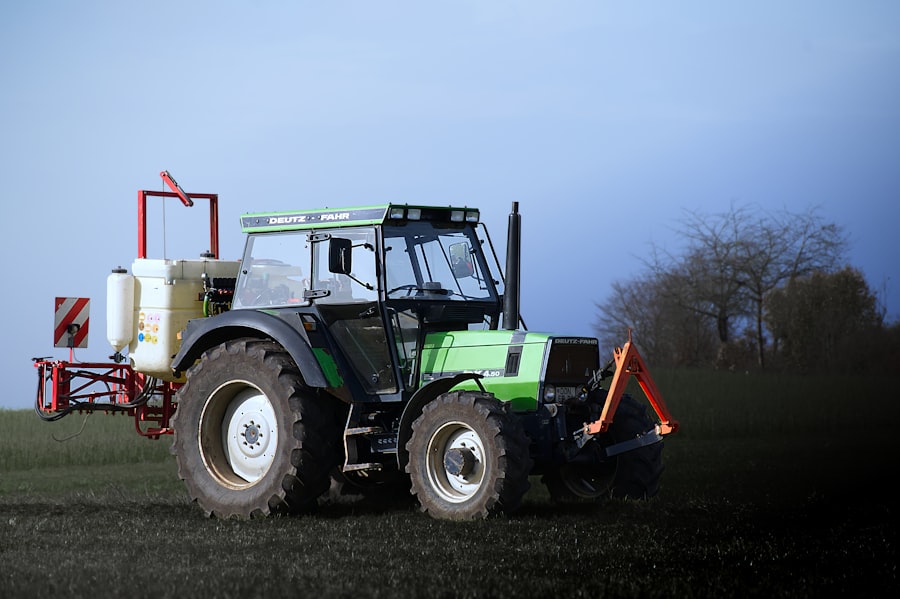
The sophisticated flight control systems and communication protocols developed for drones provide a blueprint for automating and intelligently controlling agricultural machinery. This move towards autonomy is not about replacing human operators entirely, but rather about augmenting their capabilities and freeing them from repetitive or hazardous tasks.
Advanced Flight Controllers for Predictive Operation
The processing power and algorithms within drone flight controllers, designed for real-time environmental sensing and trajectory planning, can be repurposed for ground-based automation. These systems can predict terrain changes, optimize steering, and precisely control implement functions.
Predictive Navigation and Path Planning
By analyzing pre-programmed field maps and real-time sensor data, drone-inspired control systems can optimize the paths of agricultural machinery, minimizing overlap during operations and maximizing coverage. This ensures that every seed is sown with intention and every drop of fertilizer is applied with purpose.
Real-time Adaptive Control for Dynamic Environments
The ability of drones to react to unexpected wind gusts or obstacles in real-time can be translated into agricultural equipment that adapts to changing field conditions. This includes adjusting speed, steering, or implement settings dynamically to maintain optimal performance and prevent damage.
Robust Communication Protocols for Interconnected Systems
Drones rely on reliable, low-latency communication for remote operation and data transfer. These same protocols can be foundational for creating interconnected agricultural ecosystems.
Wireless Connectivity for Machine-to-Machine Communication
Implementing drone-grade wireless communication modules allows agricultural machines to communicate with each other and with a central control system. This enables coordinated operations, such as swarms of autonomous planters working in unison or sprayers adjusting their application based on notifications from nearby harvesters.
Secure Data Transmission for Farm Management Platforms
The security and reliability of drone communication are paramount. These established protocols can ensure the integrity of data transmitted from agricultural equipment to farm management software, providing farmers with accurate and actionable insights into their operations.
Durability and Resilience in Harsh Conditions
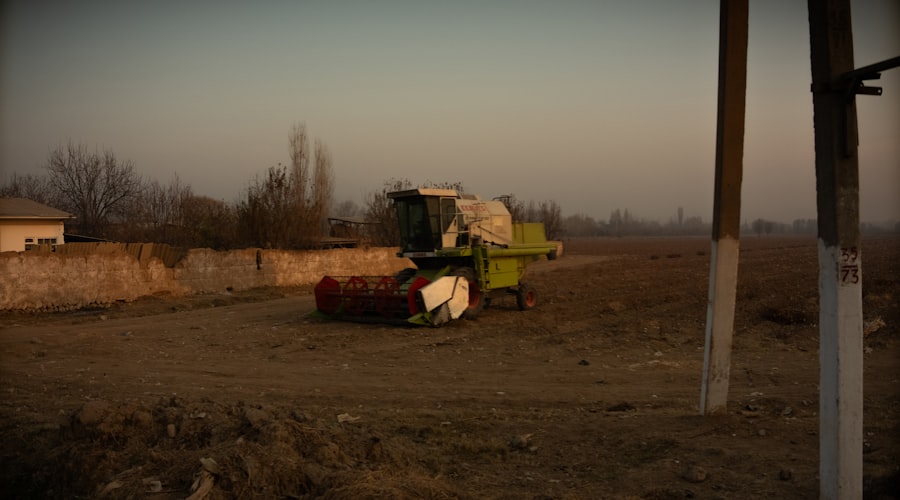
Agricultural environments are notoriously demanding, exposing machinery to dust, moisture, extreme temperatures, and corrosive substances. Many drone components are designed and manufactured to withstand these harsh conditions, making them ideal for integration into ruggedized agricultural equipment.
Environmental Sealing and Protection
The need for drones to operate in outdoor environments has driven the development of robust sealing techniques and protective coatings. These can be directly applied to agricultural machinery components to prevent ingress of moisture, dust, and chemicals.
Extended Lifespan in Demanding Climates
By applying the same principles of environmental protection used in drone manufacturing, agricultural equipment can achieve significantly longer operational lifespans, reducing the need for frequent replacements and repairs, especially in regions with challenging weather patterns or abrasive soil types.
Resistance to Agricultural Chemicals and Corrosives
Many drone components, particularly motor casings and electronic enclosures, are designed to resist corrosion from salt spray or other environmental factors. This inherent resistance is highly beneficial for agricultural equipment exposed to fertilizers, pesticides, and other chemicals.
Shock Absorption and Vibration Dampening
Drones experience significant vibrations during flight. The engineering that goes into isolating sensitive components and dampening these vibrations can be directly translated to improve the durability and operational comfort of agricultural machinery.
Reduced Wear and Tear on Mechanical Components
Effective vibration dampening minimizes stress on bearings, gears, and other moving parts within agricultural equipment, leading to reduced wear and tear and a longer operational life. This is like providing a comfortable saddle for the machine, absorbing the jolts and bumps of its work.
Improved Operator Comfort and Reduced Fatigue
While the focus is often on machine longevity, shock absorption also contributes to a smoother ride for the operator, reducing fatigue and improving overall working conditions. This translates to more productive and safer farming practices.
In recent discussions about the advancements in agricultural technology, the use of drones has become increasingly prominent, particularly in the context of optimizing farming practices. An interesting article on this topic explores how agricultural equipment drone parts can be cleverly disguised to enhance their functionality and integration into various farming environments. For more insights on this innovative approach, you can read the full article here. This development not only highlights the importance of stealth in agricultural operations but also showcases the potential for drones to revolutionize the way farmers manage their crops.
Economic Viability and Scalability
| Part Name | Function | Material | Disguise Technique | Durability (Hours) | Weight (grams) |
|---|---|---|---|---|---|
| Camera Module | Crop Monitoring | Polycarbonate | Camouflage Paint | 500 | 150 |
| Sprayer Nozzle | Pesticide Dispersion | Stainless Steel | Leaf Pattern Cover | 300 | 80 |
| GPS Sensor | Navigation | Silicone | Embedded in Frame | 600 | 50 |
| Battery Pack | Power Supply | Lithium-ion | Soil Texture Coating | 400 | 300 |
| Propeller Blades | Flight Control | Carbon Fiber | Matte Finish | 350 | 120 |
The widespread adoption of drone technology has led to economies of scale in the manufacturing of its core components. This has made these advanced parts more accessible and cost-effective for repurposing in agricultural applications.
Cost-Effectiveness Through Mass Production
As drone production volumes have increased, the unit cost of components like BLDC motors, sensors, and specialized controllers has decreased. This makes them an economically attractive option for integration into agricultural machinery, offering a potentially higher return on investment compared to specialized agricultural components.
Competitive Pricing for Enhanced Performance
By leveraging off-the-shelf drone components, manufacturers can offer agricultural equipment with significantly enhanced performance and automation capabilities at a price point that is competitive with or even lower than traditional, less advanced machinery. This democratizes access to cutting-edge agricultural technology.
A Stepping Stone to Greater Automation
The accessibility of these repurposed components can serve as a catalyst for further automation in agriculture. As farmers experience the benefits of increased efficiency and precision with these integrated systems, the demand for more advanced autonomous machinery will likely grow.
Modularity and Customization for Diverse Needs
The standardized nature of many drone components allows for a high degree of modularity and customization in agricultural equipment design. This enables manufacturers to create a range of specialized machines tailored to specific farming tasks and environments without the need for entirely bespoke engineering for each application.
Tailored Solutions for Niche Agricultural Tasks
From robotic micro-sprayers for specialized crops to autonomous harvesters for delicate fruits, the modularity afforded by repurposed drone parts allows for the creation of highly specialized equipment that can address unique agricultural challenges.
Scalable Solutions for Farms of All Sizes
The ability to scale solutions by combining different modules and components means that these advancements are not limited to large-scale industrial farms. Smaller operations can also benefit from smaller, more affordable, and highly efficient machinery adapted from drone technology.
The revolution in agriculture is not always a thunderclap; sometimes it is a quiet and strategic repurposing of existing technological brilliance. By discreetly integrating the robust, efficient, and intelligent components developed for drones into ground-based agricultural equipment, farmers can unlock a new era of precision, durability, and economic viability. This subtle infiltration of aerial technology into terrestrial machinery represents a significant evolutionary leap, promising a more sustainable and productive future for farming.
FAQs
What are agricultural equipment drone parts disguise?
Agricultural equipment drone parts disguise refers to components or modifications that make drones used in farming appear similar to traditional agricultural machinery. This can help drones blend into the farming environment and reduce theft or vandalism.
Why are drone parts disguised in agricultural equipment?
Disguising drone parts in agricultural equipment helps protect the drones from being easily identified and targeted. It also allows drones to operate more seamlessly within farm operations without alarming workers or animals.
What types of drone parts are commonly disguised in agricultural equipment?
Commonly disguised drone parts include propellers, cameras, sensors, and antennas. These components may be covered or shaped to resemble parts of tractors, sprayers, or other farm machinery.
How does disguising drone parts benefit agricultural operations?
Disguising drone parts can improve the security and longevity of drones, reduce theft, and minimize disruption to farm activities. It also helps drones integrate better into the farming environment for tasks like crop monitoring and spraying.
Are there any regulations regarding the use of disguised drone parts in agriculture?
Regulations vary by country and region, but generally, drones must comply with aviation and safety laws regardless of disguise. Farmers should ensure that disguised drones do not interfere with other equipment or violate privacy and airspace rules.